&imwidth=800&imheight=600&format=webp&quality=medium "Lebanon ends death penalty, becomes first in Middle East; where does region stand?")
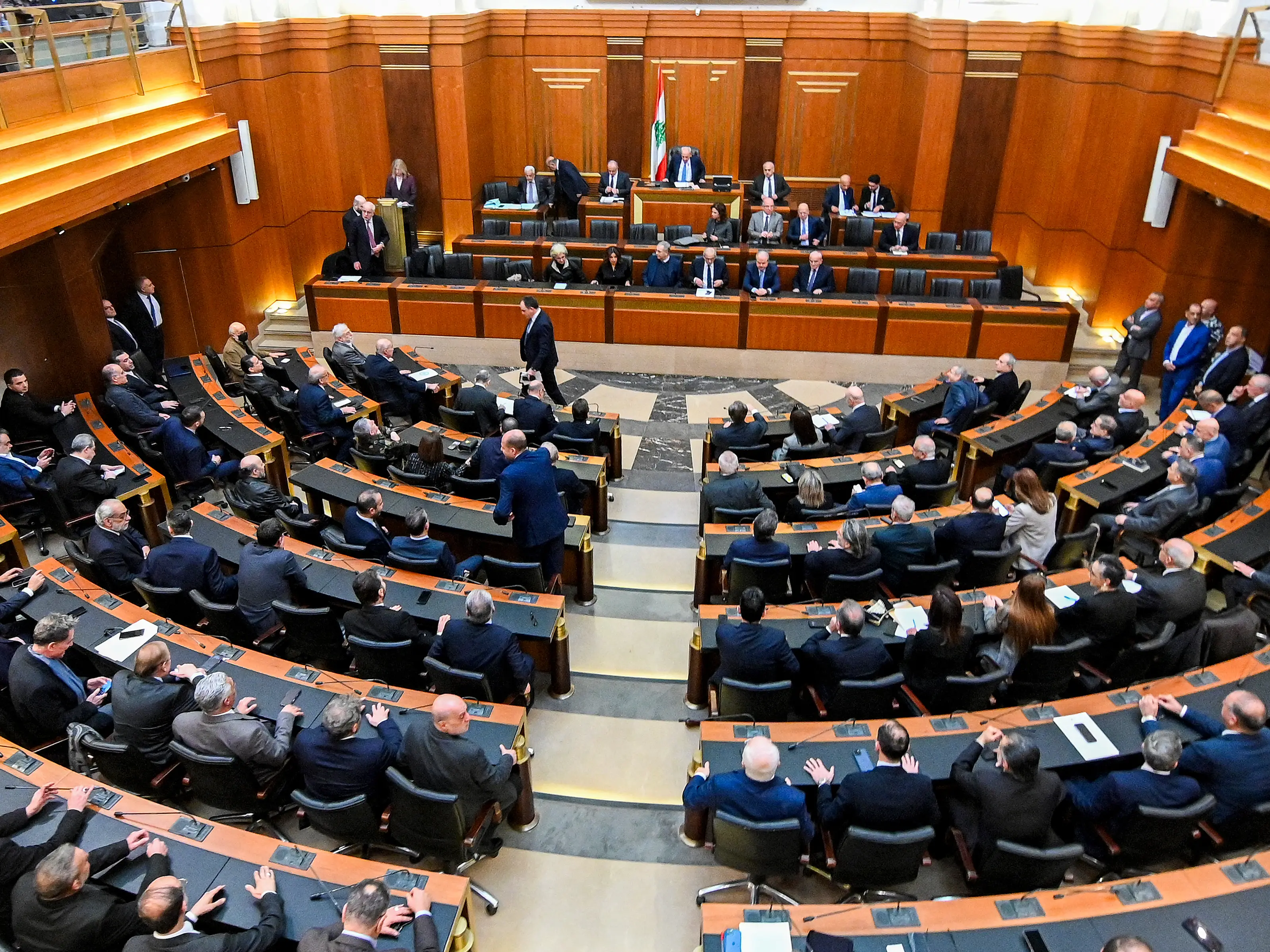
Lebanon’s parliament on Tuesday (August 11) approved a law abolishing the death penalty, making the country the first in the Middle East to formally end capital punishment. “The draft law aimed at abolishing the death penalty in Lebanon was approved,” the speaker of parliament’s office announced.
Lebanon last executed in 2004. Justice Minister Adel Nassar described the abolition as “historic” and said the threat of capital punishment had previously prevented Beirut from securing the extradition of suspects from countries that had outlawed the practice.
Ramzi Kaiss, Lebanon researcher at Human Rights Watch, welcomed the decision and described it as “a monumental step for human rights in the country, representing a clear break from a cruel and arbitrary sentence that should never be imposed,” AFP reported.

The parliament passed the abolition as part of a series of bills scheduled for discussion during the current legislative session. The package also includes a general amnesty law that lawmakers have debated for several years.
Lebanon breaks with regional execution trend
The decision assumes greater significance as the Middle East continues to record some of the highest numbers of executions in the world. The region largely remains undemocratic, while most democracies have either significantly reduced capital executions or abolished the practice.
Trending Stories
)
Mushtaq Khan dies at 56: When Welcome actor opened up about his salary for iconic role Ballu
)
US Supreme Court backs Trump administration's use of SAVE database to check voter citizenship
)
Hawaii braces for Hurricane Nolo: NOAA warns of flash flooding and mudslides
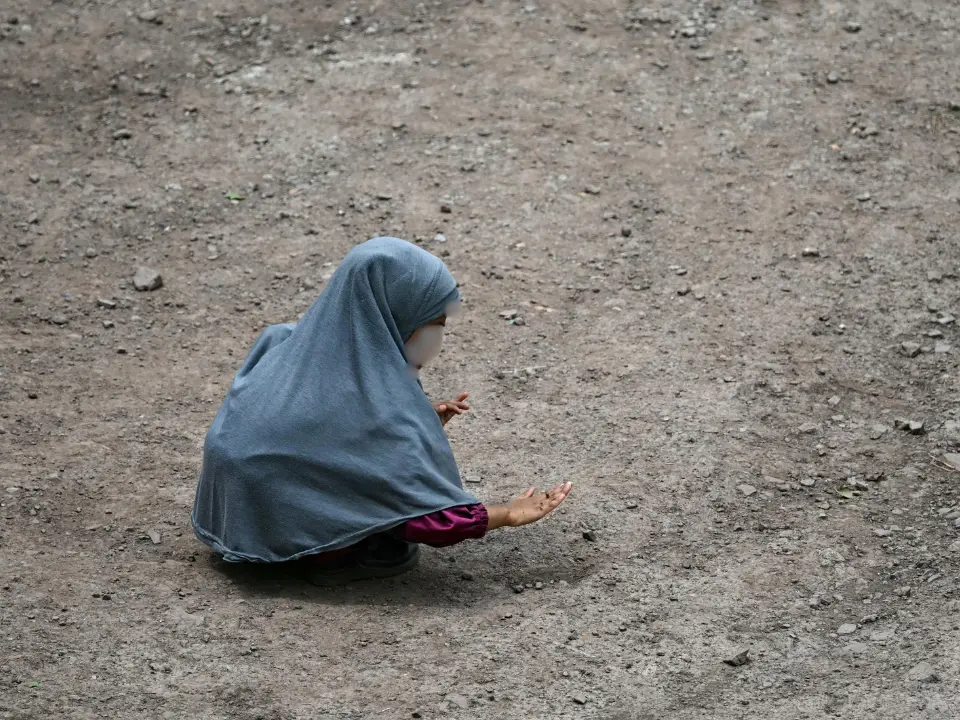)
Outrage erupts after 3-year-old is married to 60-year-old man in Pakistan, link to her sister's murder being probed
)
Donald Trump shares image of Xi's arrival in Washington, carries signs of AI
)
Pakistan deploys over 20,000 security personnel as PTI vows march for Imran Khan's release
)
Anthropic says Claude found a new gene-editing enzyme but science isn't confirmed
)
Prince Harry offers rare glimpse into Archie and Lilibet’s life after UK move
)
Farhan, who went viral for AK47 celebration vs India in Asia Cup, hopes to lead Pakistan beyond Asian Games
)
OpenAI AI Agents hacked 4 websites before Hugging Face, researchers reveal
)
Pentagon quietly adds 37 wounded troops to Iran war tally without explaining when or how
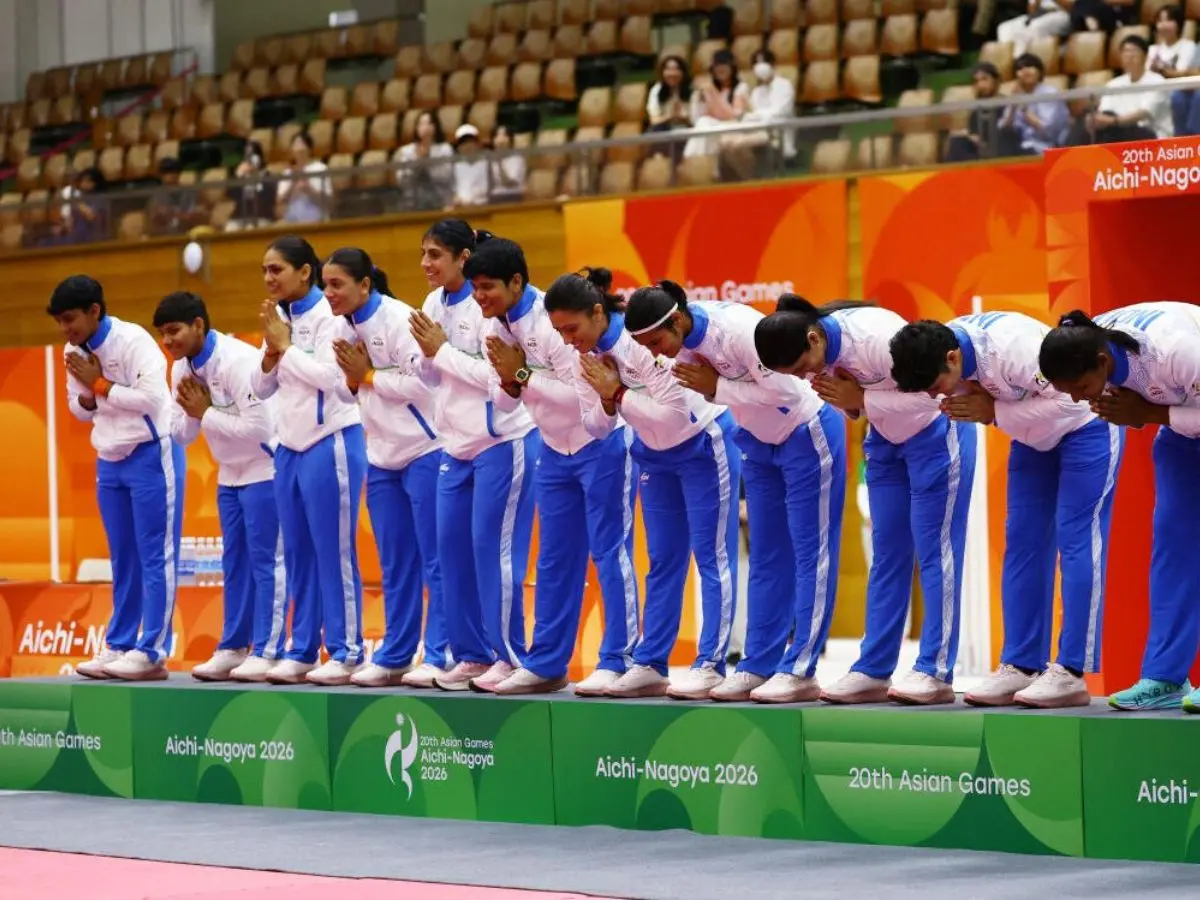)
Asian Games 2026: India women’s kabaddi team edge Iran 37-34 to clinch 3rd gold medal
&im=FitAndFill=(700,400))
New Friday OTT releases (September 25, 2026): Don’t Be Shy, Hunkkaar: The Roar, Mango Pachcha- 6 movies and TV shows on Netflix, Prime Video and more
)
Asian Games 2026: India face Afghanistan in quarterfinal on Sep 28; Pakistan clash with Hong Kong
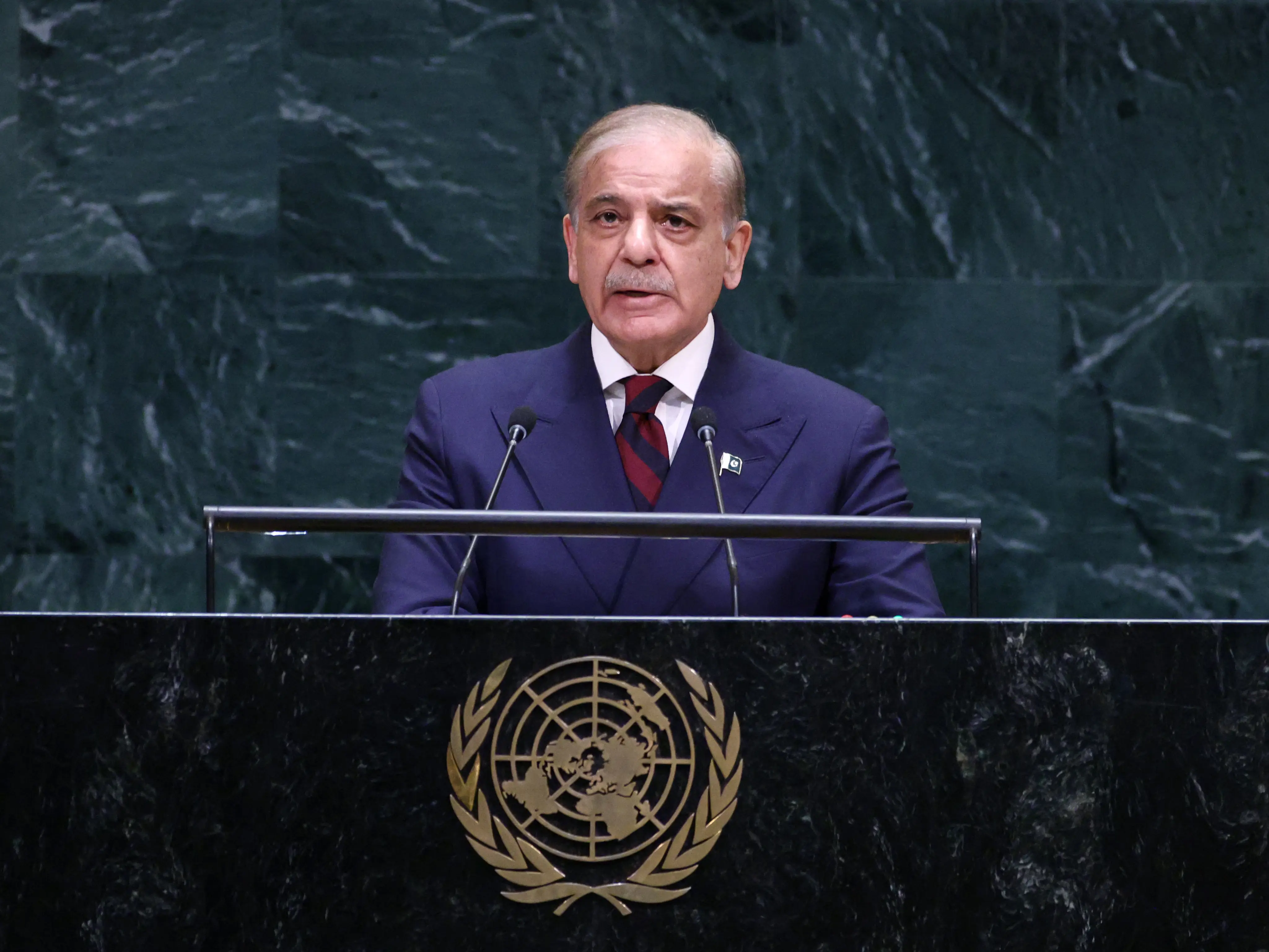)
‘Attack on Mecca a red line for Pakistan’: Shehbaz Sharif warns Houthis at UN
)
‘I rejected it’: Trump confirms turning down Iran’s proposal to reopen Hormuz, claims Tehran is losing ‘badly’
)
Did Hitler kill his niece Geli Raubal? Newly found records reopen a 95-year-old mystery
)
Nigeria Navy moves to boost oil security, tackle crude theft and infrastructure threats
)
Indian diplomat Petal Gahlot raises deteriorating situation in Pakistan-occupied Kashmir in right of reply at UN
)
'Countries far from conflict are penalised': Jaishankar calls for Gulf peace, seafarer safety at UN
)
‘It is all possible’: Putin weighs next steps on Ukraine talks, rules out Europe conflict
)
Global community 'absent' in Gulf crisis: Saudi at UN calls for freedom of navigation, pre war status for Hormuz
)
The Paradise: Nani reacts to mixed reviews from critics and audience; ‘I have also learnt from the flaws’
)
Gaza's war turned environmental damage into second crisis
)
Trump-Xi summit wrap: Big pageantry, Iran talks, few major developments and more meetings planned
)
‘Could kill billions...’: Bill Gates backs calls to slow AI development amid fears of catastrophe
)
Bollywood x K-pop crossover! LE SSERAFIM’s Kazuha charms fans with Shah Rukh Khan’s ‘Chammak Challo’ steps
)
'What kind of confession is this?': Pakistan PM Shehbaz Sharif’s 'terrorists would be roaming New York' remark goes viral, raises alarm online. Watch
)
Myanmar training camp case: US national, 6 Ukrainians allowed to meet their families abroad
)
'FIRST LOOK from inside Noah’s Ark': Researchers share video from inside mysterious mound in Turkey
)
Cindy Crawford’s son Presley Gerber cremated as death probe continues
)
WATCH | As Shehbaz Sharif claims Pakistan’s ‘victory’ during 2025 conflict, Indian diplomat R Srinivas laughs at UN
)
'A terrorist country is asking me that question?': Jaishankar hits back at Pakistani journalist at UN; flags attacks on commercial shipping
)
Russia will achieve Ukraine war aims; Europe doing everything to block peace talks: Lavrov at UN
)
‘Serial practitioner of terrorism’: Jaishankar calls out Pakistan’s ‘state-sponsored’ terror at UNGA
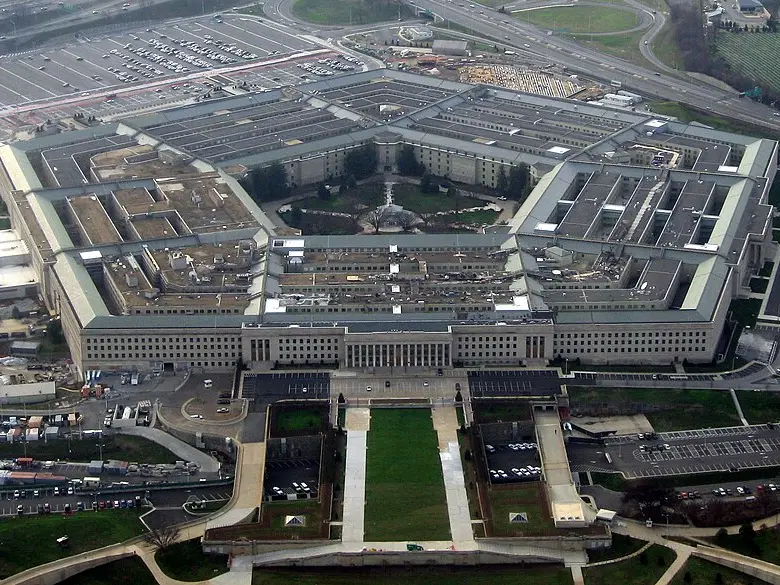)
US court backs Pentagon's decision to exclude Anthropic over Claude AI restrictions
According to Amnesty International’s global report, Death Sentences and Executions 2025, Iran carried out more than 2,159 executions in 2025. It marked Iran’s highest annual execution total since 1981. Saudi Arabia carried out 356 death penalties during the same period, while Yemen recorded 51 executions and the United Arab Emirates recorded three.
With the abolition, Lebanon will join 113 countries that have fully abolished capital punishment in law for all crimes, according to Amnesty International data.
Where India stands on capital punishment
India’s legal framework retains the death penalty for extreme offences, but courts apply capital punishment under strict judicial doctrines and statutory safeguards. Indian courts classify such cases under the “Rarest of Rare” doctrine.
Since 2000, India has executed only eight individuals, highlighting the limited use of capital punishment and New Delhi’s approach towards executions.