'One step forward, two steps back': Kuwait army allows women in combat roles, but without guns

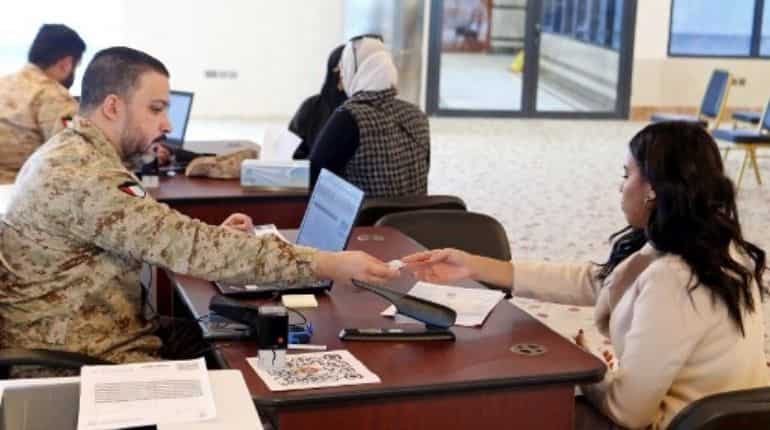
Women register to join the Kuwaiti army at the Defence Ministry in Kuwait City
Kuwaitiwomenare angry after the military, having allowed female soldiers incombatroles, decided they need the permission of a male guardian and banned them from carrying weapons.
Activists have decried the policy as "one step forward, two steps back" after the defence ministry also decided thatwomenin the armed forces, unlike civilians, must wear head coverings.
The moves have sparked an online backlash inKuwait, usually regarded as one of the most open societies in the Gulf.

"I don't know why there are these restrictions to join thearmy," Ghadeer al-Khashti, a sports teacher and member ofKuwaitFootball Association'swomencommittee, told AFP.
"We have all kinds ofwomenworking in all fields, including the police force."
)
Did India risk its US trade deal despite softer stance at BRICS?
)
Pakistan puts Pak Rs 70 lakh bounty on UN terrorist Masood Azhar; move draws skepticism in Delhi
)
‘US ensuring global energy supplies’: Trump demands reimbursement for securing Strait of Hormuz
)
'Huge destructive power': North Korea calls its latest missile launches 'live-fire drill' even as US dismisses 'immediate threat'
)
‘Let’s go’: Newly declassified videos show dramatic rescue of US Air Force officers downed in Iran
)
Historic first: ‘Ganga aarti’ performed on River Thames in London
&im=FitAndFill=(700,400))
Why European Meteor missiles use ramjet engines compared to standard US solid rockets
)
Iran, India agree to deepen humanitarian and political ties, President Pezeshkian says
)
‘Want to reset ties with India, have engagement based on mutual interests,’ says Bangladesh minister
)
Turkish Airlines plane flies through a storm three times, triggering severe turbulence
&im=FitAndFill=(700,400))
Why Chinese PL-15 air-to-air missiles use dual-pulse motors compared to European interceptors
)
BRICS set of guidelines for disaster management
)
800 million years old - Scientists discover 'fingerprints' of supercontinent Gondwana in ancient rocks
)
Russia proposes to build 360 kmph Ivolga FG trains in India: What happened on sidelines of BRICS
)
China discovers vast gold and silver 'mine' in the Pacific with unheard-of deposits
)
Who really benefits from the BRICS bank? Inside the New Development Bank's $43 billion portfolio
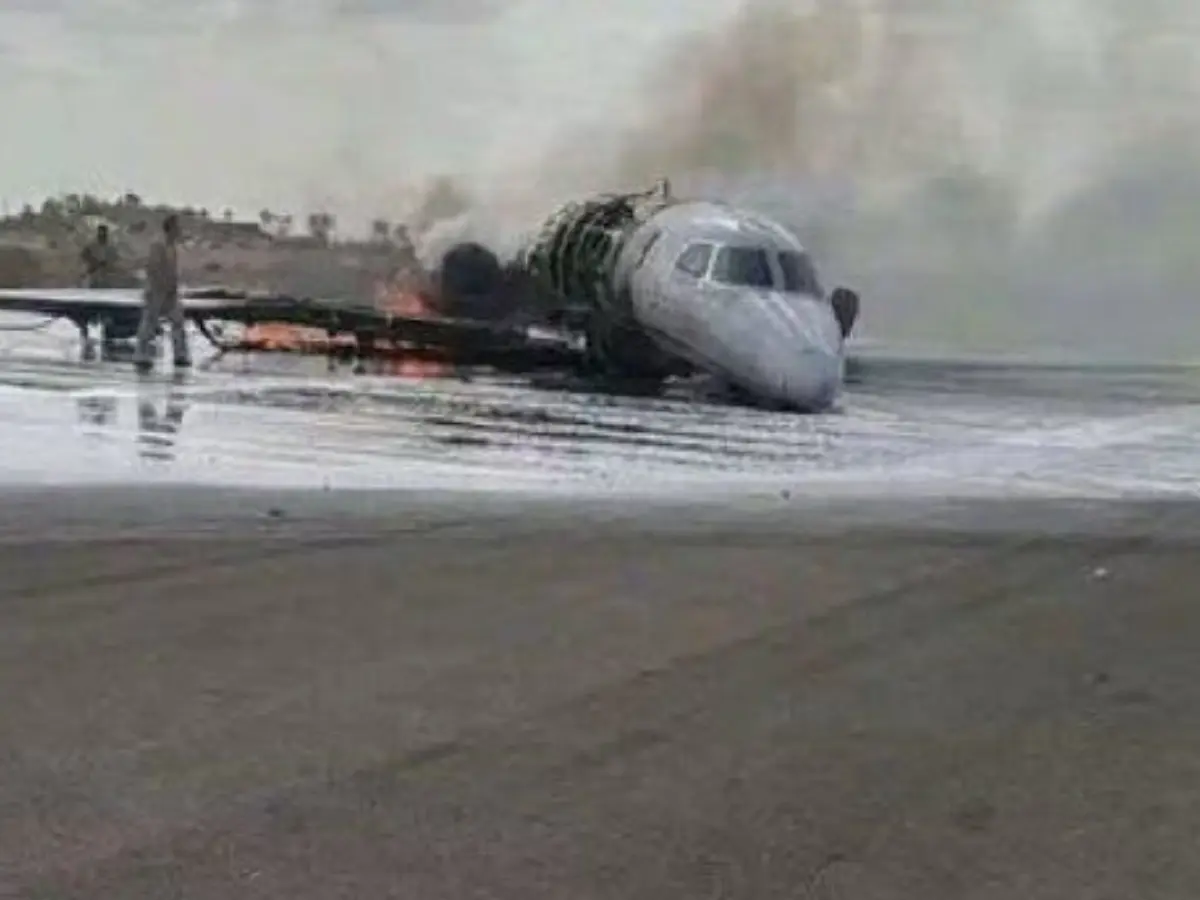)
Plane carrying prominent figure crashes at Libya’s Misrata airport: Report
&im=FitAndFill=(700,400))
New OTT releases this week (September 14-20, 2026): Lust Stories 3, Waiting Hai, Irumudi- 5 new titles coming on Netflix, Prime Video and more
)
Liam Neeson sparks romance rumours after holding hands with Stella Stocker at TIFF 2026
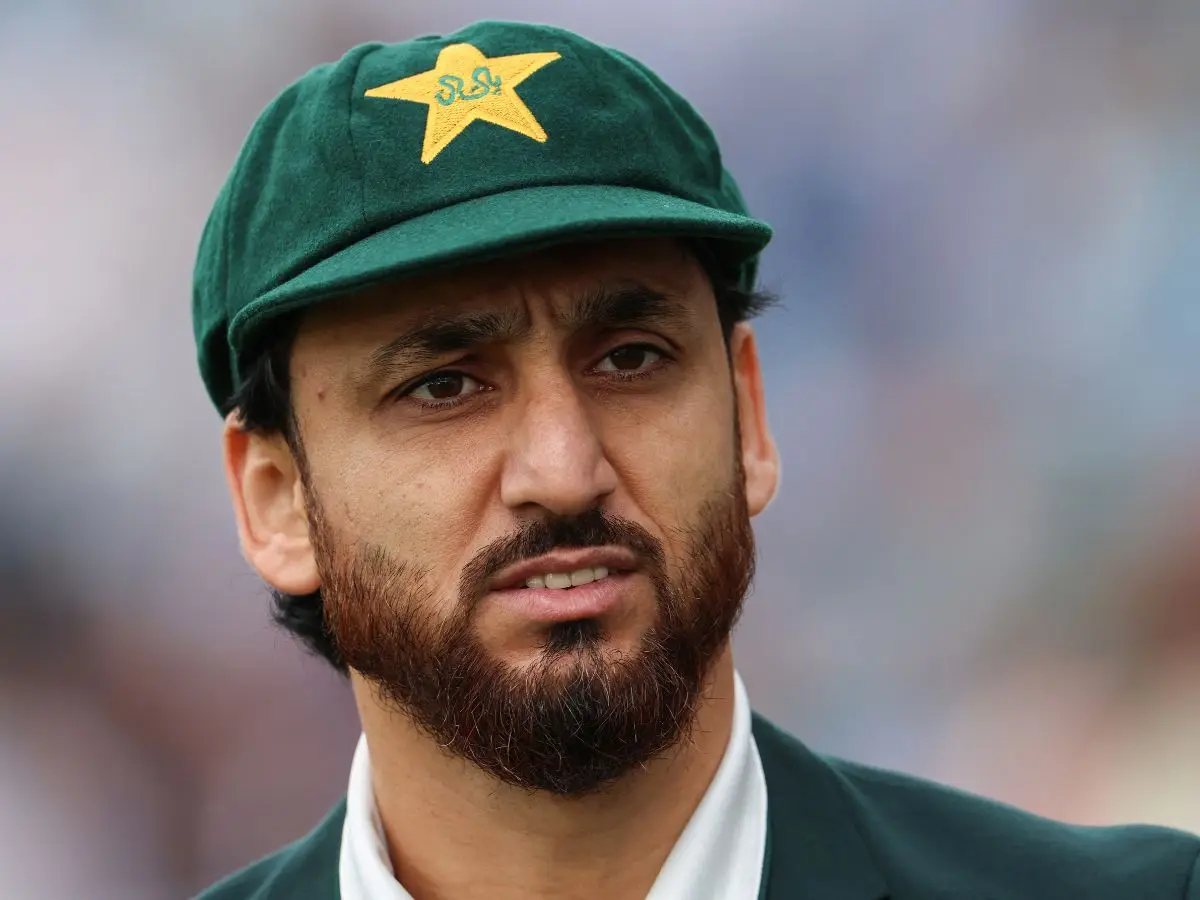)
Sent home midway from UK tour, Pakistan's Salman Agha hits 300* in domestic return
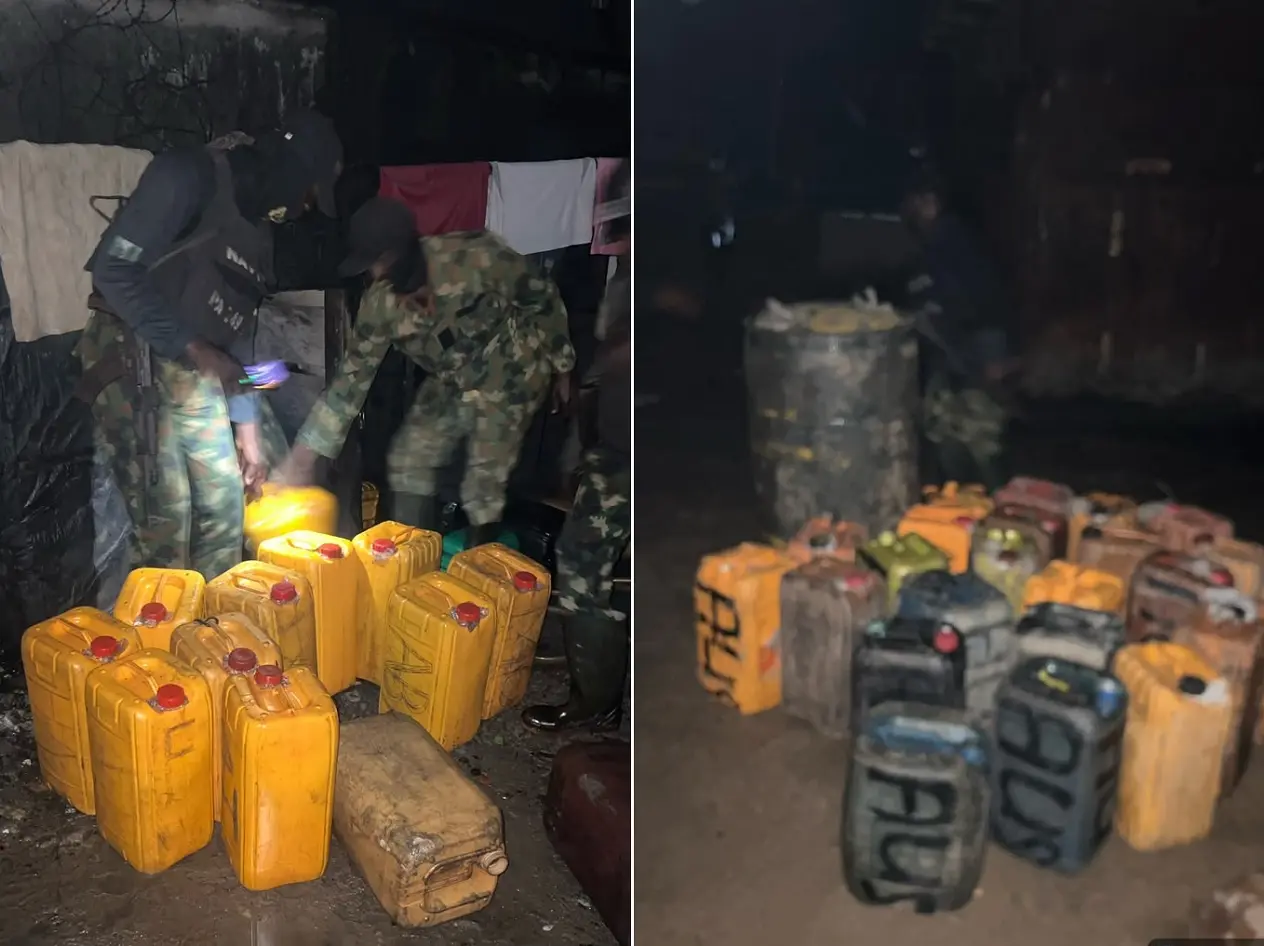)
Nigerian Navy seizes 10,000 litres of suspected illegal fuel in Rivers State crackdown
)
Saudi Arabia discovers 110 million tonnes of Uranium-rich ore in Madinah region
)
Indian importers urge Bangladesh to lift export ban on 'Hilsa' fish ahead of Durga Puja
)
Ecstasy tablets are rage in 'drug haven' Libya | Gravitas
)
'Now Trump is copying us': Shivakumar links US $5,000 plan to Congress guarantees
)
Video of Pakistani lawmaker struggling to read English tribute to Jinnah goes viral - WATCH
)
Trump downplays China's alleged 'help' to Iran in strike on Jordan base | Gravitas
)
Meghan Markle shares first glimpse of family life with Prince Harry and children in UK
)
Baba Vanga's first prophecy for 2027 is out, and straight out of science fiction
)
Photographs, LeT labels vanish from two 2008 Mumbai attack entries in Pakistan’s most wanted list
)
US court blocks Trump administration move ending automatic H-4 EAD extensions for seven spouses
)
UK man admits drugging, raping wife for 20 years in shocking abuse case
)
Extreme warming in Indian Ocean added 695 billion tons of ice to Antarctica ice sheet
)
Scotland, Wales & Northern Ireland push for exit from UK | Race To Power
)
China thinned Himalayan troop presence in 2025, India defence report says; terms border situation 'stable'
She said her mother had helped the resistance when Iraqi dictator Saddam Hussein in 1990 invadedKuwaitand occupied it for seven months before being pushed out by a US-led international coalition.
"My mum during the Iraqi invasion used to hide weapons under her abaya and transport them to members ofKuwait's resistance, and my father encouraged it," said Khashti.
"I don't understand on what basis they seewomenas weak."
The ministry decided in October to allowwomenincombatrolesbut then imposed the restrictions after the defence minister was questioned by conservative lawmaker Hamdan al-Azmi.
Azmi, emboldened by an Islamic religious edict, or fatwa, had argued that havingwomenincombatroles"does not fit with a woman's nature".
'Womenmartyrs'
Lulwa Saleh al-Mulla, head of the KuwaitiWomen's Cultural and Social Society, said the ministry's restrictions are discriminatory and unconstitutional and vowed legal action by the organisation.
"We havewomenmartyrs who defended their country of their own volition," she told AFP. "No one ordered them to do that but the love for their country.
"We are a Muslim country, that is true, but we demand the laws not be subject to fatwas. Personal freedom is guaranteed in the constitution, on which the country's laws are based."
Kuwaitiwomenearned the right to vote in 2005 and have been active both in cabinet and parliament, though they are poorly represented in both.
Unlike most Gulf countries,Kuwaitis known to have an active political scene, with MPs regularly challenging the authorities.
Earlier this month, dozens of Kuwaitiwomenstaged a protest against the suspension of awomen's yoga retreat deemed "indecent" by conservatives.
Watch |Gravitas: Kuwait: No women in women's committee
One of them was Azmi who, in Twitter posts, denounced the retreat as "dangerous" and "alien to our conservative society".
Womenprotesters carried placards denouncing the "exploitation ofwomen's issues" in politics, as well as the "regime of fatwas" and "guardianship ofwomen".
The debate about thearmy's new rules forwomenhas taken an irrational turn, said Ibtihal al-Khatib, an English-language professoratKuwaitUniversity.
"Thearmyneeds to integrate bothwomenand menwithoutdiscrimination," the feminist academic told AFP.
"Danger does not differentiate between men andwomen, and neither does death duringbattle."

