&imwidth=800&imheight=600&format=webp&quality=medium "Keir Starmer resigns: How the UK will choose its next Prime Minister and why Andy Burnham is the frontrunner")
Keir Starmer has resigned from his position as the Prime Minister of the United Kingdom. Despite his government being elected with a historic landslide victory with a 172-seat majority in July 2024. But his popularity and poll numbers plummeted gradually, and he faced calls for resignation following disastrous local election results in May 2026. On Monday, he announced his resignation and invited nominations for the leadership contest starting July 9, 2026, following the NATO summit. Meanwhile, he will continue as the interim Prime Minister.
How will a new PM be selected?
The Labour Party has not declared a timetable yet, but as labours hold a overwhelming majority in the parliament, whoever wins the party leadership contest will automatically become the new UK Prime Minister. Anyone who wants their name on the ballot must secure a written nomination from at least 20 per cent of the 403 labour MPs, i.e., 81 signatures, along with endorsement from at least three affiliate parties, ie, either 5 per cent of the affiliated membership, or from 5 per cent of local constituency parties. Labour Party affiliates consist of 11 major trade unions, Labour's sister Co-operative Party, and more than 20 socialist societies. In the next phase, all Labour Party members with more than six months of membership will vote for the nominees. Every individual member gets one vote, and all votes carry equal weight. The candidate will be voted on a preferential basis, and the winner has to secure more than half of the total votes. If anyone fails to secure the required total as the first preference, then votes are redistributed according to preferences until one candidate secures half of the votes. If only one candidate secures the 81 MP nominations by July 16, there will be no membership vote, and he will be selected as the new MP.

Also Read: Iran widening the US-Israel divide: Lebanon De confliction cell to push Israel to the edge
Who will replace Starmer?
Former Mayor of Greater Manchester, Andy Burnham, won a special by-election and immediately fueled the leadership challenge against Starmer. He seems to be the frontrunner after securing support from his possible contender, Wes Streeting, who recently resigned as health secretary over Keir's leadership. Burrham recently won the Makerfield by-election on Friday, defeating Robert Kenyon from Nigel Farage’s Reform UK. Reports from Downing Street suggest he is likely to secure at least 200 nominations and will likely be coronated without voting.
Trending Stories
)
Trump says Russia has ‘lost control’ of its diesel industry, calls for end to ‘ridiculous, never-ending’ war
)
Asian Games: Indian women's hockey team thrash Indonesia 17-1, blasts 36 goals in 2 matches
)
Putin's United Russia party wins 355 seats in Duma election; 4 other parties cross threshold to enter parliament
)
AI kill switch explained: Why shutting down a dangerous AI may not be as simple as pressing a button
)
Delhi Air pollution: Strict crackdown on waste burning
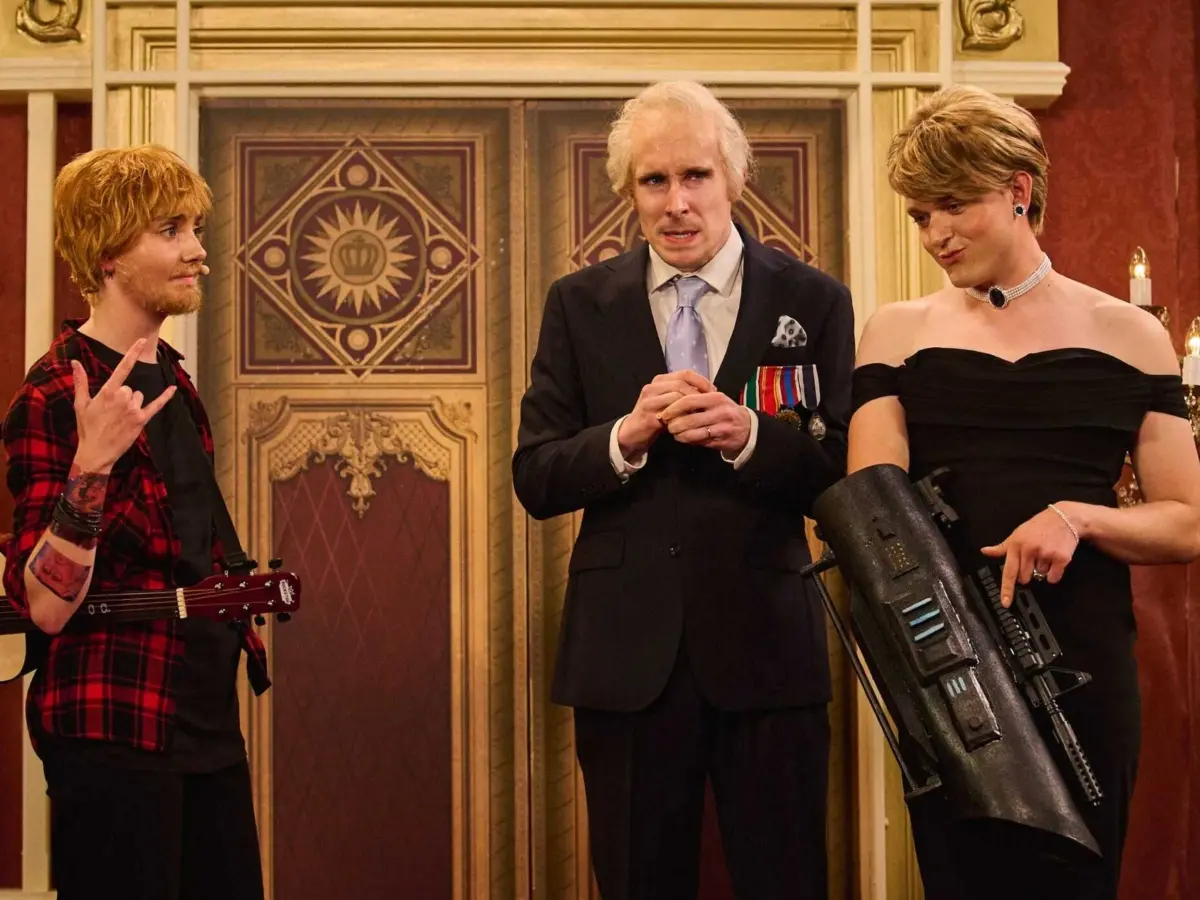)
SNL UK takes aim at Ed Sheeran with AI Princess Diana sketch
)
‘0% chance’: Nvidia CEO Jensen Huang dismisses AI extinction fears by 2030
)
Samay Raina-Mukesh Chhabra controversy explained: What happened over girlfriend joke on India's Got Latent?
)
Russia-Ukraine war: Russian strikes knock out three of Ukraine's largest steel plants
)
Four decades after leaving Kolkata, the Birlas may be coming back for more
)
Apple reportedly building AI server with M8 Ultra chips, may use Nvidia technology
)
Glitch in the matrix caught on camera: Woman vanishes after talking to reporter
)
Samsung raises Galaxy S26 prices by Rs 20,000: Here’s what each model now costs
)
IIT Bombay tensions ease after three-hour open house; director’s assurances pacify students
)
J&K Assembly Session begins amid chaos: BJP, ruling alliance clash as statehood demand dominates
)
Bessent meets China’s He Lifeng to prepare for Trump-Xi summit
)
US and China vie for AI dominance as calls grow for regulation | Gravitas
)
The Verdict | The Mecca Agreement is under scrutiny as Houthis attack Saudis
)
Saudi Arabia exits China-led mBridge digital currency platform amid Saudi-Houthi conflict
)
Maharashtra TET paper leak: Chargesheet reveals papers smuggled in shoe insoles for Rs 8,000
)
'Lot of things to learn from experienced players': Jayasuriya backs Rohit, Virat for 2027 ODI World Cup
)
Taylor Swift has a 'proud wife' moment as Travis Kelce scores first touchdown of season: 'That’s my husband!'
)
Chancellor Friedrich Merz vows to stay on as exit polls signal major poll setback
)
North Korea's nuclear tests triggered 1,399 earthquakes: Earth is still shaking | Gravitas
)
Mahabharat actor Saurav Gurjar arrested in Hyderabad, sent to 14-day judicial custody in sexual exploitation case
&im=FitAndFill=(700,400))
New OTT releases this week (September 21-27, 2026): Shaque: Trust No One, Hunkkaar, Don’t Be Shy- 5 new titles coming to Netflix, Prime Video and more
)
WATCH | Mysterious lights over Tehran caught on video. Drone, aircraft or something else?
)
What is Yom Kippur and why is it celebrated? All you need to know about the Jewish Day of Atonement
)
White House TV pool halts Trump coverage after CNN barred from UNGA events
)
Iranian airlines to shut worldwide on Sept 23, Bessent warns of US banking ban
)
China expels top generals Zhang Youxia, Liu Zhenli over ‘disloyalty’, corruption
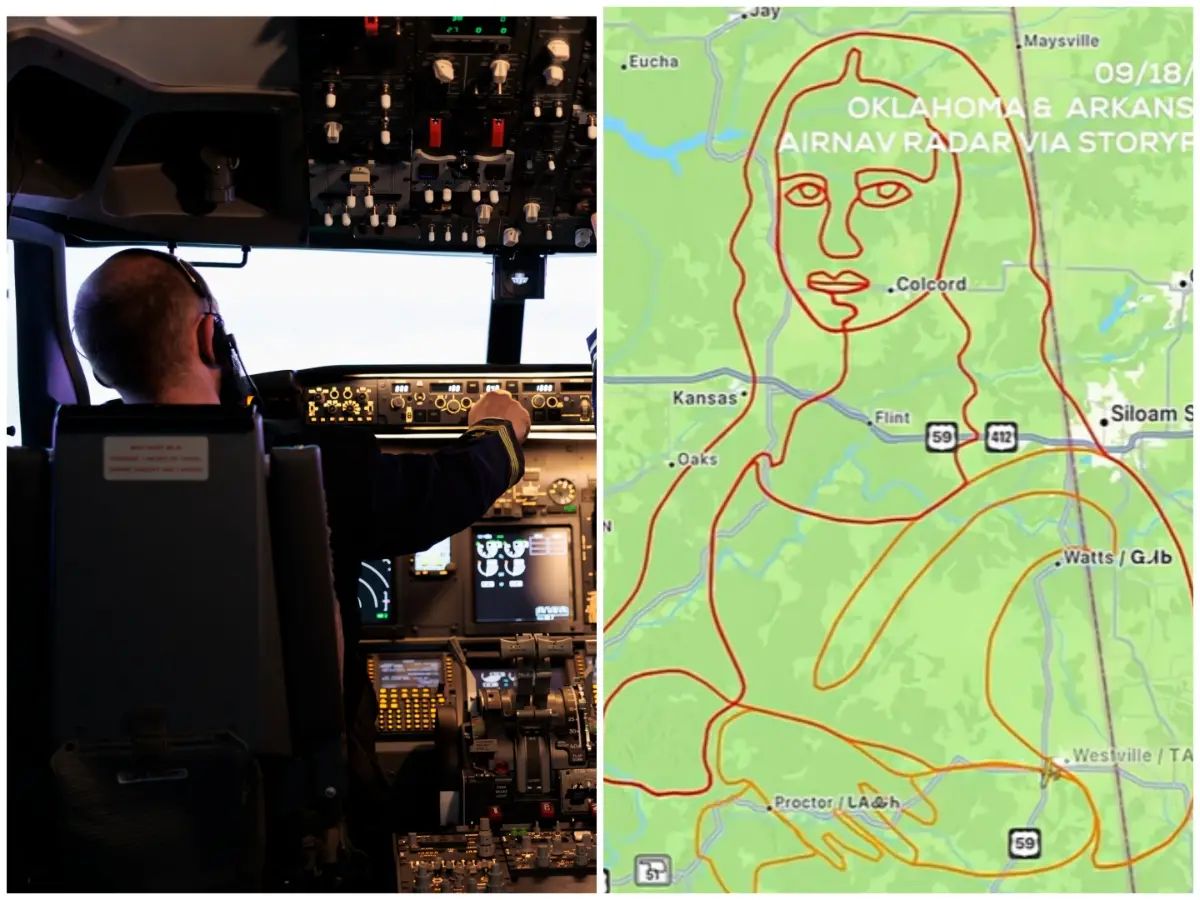)
Pilot recreates Mona Lisa in sky over Oklahoma and Arkansas in four-hour flight: VIDEO
)
Fitna Al-Khawarij: Decoding biggest security threat to Pakistan | Gravitas
)
Jailer 2: Vidya Balan joins Rajinikanth's upcoming film as Kantha | Watch
)
Microsoft executive called AI training the ‘largest theft of labour in human history’
)
40-foot waves crash into cruise ship in dangerous stretch near Antarctica. Watch
)
Explainer: Why rare-earth export licences and Board of Trade are US priorities ahead of Trump-Xi summit
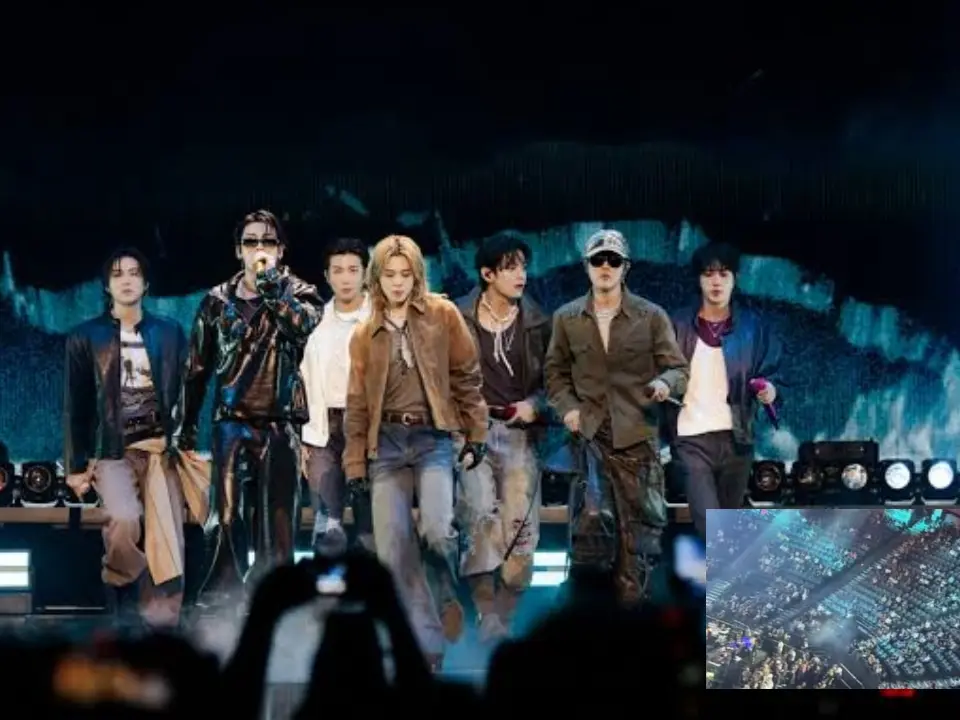)
BTS fans mock iHeartRadio’s day 2 turnout after short set controversy
)
The Scandal: Why so scandalous? Ji Chang Wook leaves you gasping for air