Japan plans $55.6 billion defence plan focused on drones and artificial intelligence warfare

&imwidth=600&imheight=450&format=webp&quality=medium "Japan plans $55.6 billion defence plan focused on drones and artificial intelligence warfare")
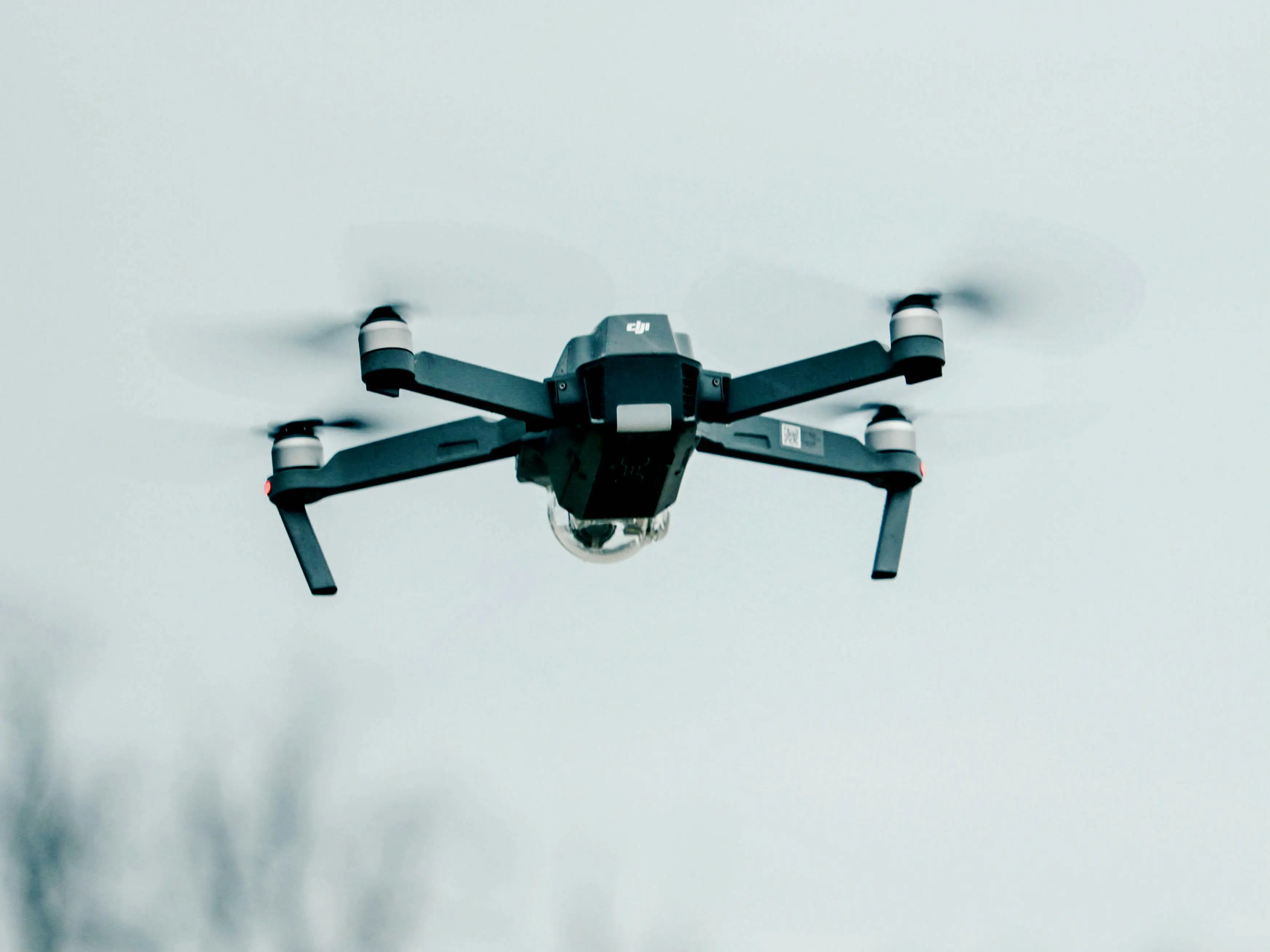
For representative purpose only Photograph: (Unsplash)
Japan seeks an 8.9 trillion yen defence budget, expanding drones, AI, missiles and domestic weapons production to strengthen its counterstrike capability
Japan is planning to significantly expand the use of drones, artificial intelligence and other emerging warfare technologies under an 8.9 trillion yen ($55.6 billion) defence budget request for the next fiscal year, according to details released by the Defence Ministry on Monday. The preliminary request is only marginally above the 8.8 trillion yen ($55 billion) requested for the current fiscal year. However, the final defence budget could increase after Prime Minister Sanae Takaichi's government approves a new security and defence strategy later this year, aimed at strengthening Japan's counterstrike capabilities.
Under the five-year defence strategy adopted in 2022, Japan doubled defence spending to around 2 per cent of GDP. The move was designed to strengthen the Self-Defence Forces' ability to respond to what Tokyo considers China's increasingly assertive military posture. Beijing has criticised Japan's military expansion as "new militarism". In a pamphlet accompanying the budget request, the Defence Ministry said Japan aims to "drastically strengthen its deterrence and response capability by transforming its defence capability" while adapting to emerging forms of warfare, including the extensive use of drones demonstrated during the war in Ukraine.
Japan to develop low-cost uncrewed weapons
The ministry said new methods of warfare require Japan to develop and mass-produce low-cost uncrewed weapons. Such systems could reduce expenses and military casualties while helping create a more cost-efficient air defence network. Japan plans to combine attack drones with long-range missiles as a lower-cost option for conducting counterstrikes. For the fiscal year beginning in April 2027, the ministry has requested an unspecified amount to acquire unmanned attack drones capable of being launched from above or underwater.
Officials also believe uncrewed weapons could help address Japan's shrinking military workforce as the country's population ages and declines. Experts, however, warn that building a large domestic drone industry could prove challenging. Japan's commercial drone market is heavily dependent on imports from China, potentially making it difficult for Japanese manufacturers to rapidly develop and scale up domestic production.
Hypersonic missiles and counterstrike capability
Trending Stories
&imwidth=280&imheight=210&format=webp&quality=medium)
&imwidth=280&imheight=210&format=webp&quality=medium)
&imwidth=280&imheight=210&format=webp&quality=medium)
&imwidth=280&imheight=210&format=webp&quality=medium)
&imwidth=280&imheight=210&format=webp&quality=medium)
&imwidth=280&imheight=210&format=webp&quality=medium)
&imwidth=280&imheight=210&format=webp&quality=medium)
&imwidth=280&imheight=210&format=webp&quality=medium)
&imwidth=280&imheight=210&format=webp&quality=medium)
&imwidth=280&imheight=210&format=webp&quality=medium)
&imwidth=280&imheight=210&format=webp&quality=medium)
&imwidth=280&imheight=210&format=webp&quality=medium)
&imwidth=280&imheight=210&format=webp&quality=medium)
&imwidth=280&imheight=210&format=webp&quality=medium)
&imwidth=280&imheight=210&format=webp&quality=medium)
&imwidth=280&imheight=210&format=webp&quality=medium)
&imwidth=280&imheight=210&format=webp&quality=medium)
&imwidth=280&imheight=210&format=webp&quality=medium)
&imwidth=280&imheight=210&format=webp&quality=medium)
&im=FitAndFill=(700,400)&imwidth=280&imheight=210&format=webp&quality=medium)
&imwidth=280&imheight=210&format=webp&quality=medium)
&imwidth=280&imheight=210&format=webp&quality=medium)
&imwidth=280&imheight=210&format=webp&quality=medium)
&imwidth=280&imheight=210&format=webp&quality=medium)
&imwidth=280&imheight=210&format=webp&quality=medium)
&imwidth=280&imheight=210&format=webp&quality=medium)
&im=FitAndFill=(700,400)&imwidth=280&imheight=210&format=webp&quality=medium)
&imwidth=280&imheight=210&format=webp&quality=medium)
&imwidth=280&imheight=210&format=webp&quality=medium)
&imwidth=280&imheight=210&format=webp&quality=medium)
&imwidth=280&imheight=210&format=webp&quality=medium)
&im=FitAndFill=(700,400)&imwidth=280&imheight=210&format=webp&quality=medium)
&imwidth=280&imheight=210&format=webp&quality=medium)
&imwidth=280&imheight=210&format=webp&quality=medium)
Japan has already strengthened its south-western regions with longer-range missiles and missile interceptors. As part of its effort to further enhance counterstrike capabilities, the Defence Ministry is also seeking to develop hypersonic missiles that could be launched from submarines. The proposed weapons expansion reflects Japan's broader shift toward longer-range and more technologically advanced military capabilities as regional security concerns continue to grow.
AI to support military decision-making
Artificial intelligence is another major component of Japan's proposed defence transformation. The Defence Ministry plans to introduce an integrated AI platform for command and control, designed to improve the speed and accuracy of military decision-making. Potential applications include battlefield assessment and target selection.
Officials said Japan is considering the use of existing foreign AI technologies, including systems developed in the United States, while simultaneously investing in domestic AI capabilities. Tokyo could also combine foreign and Japanese technologies. The ministry is planning a next-generation platform known as an "AI orchestrator", which would integrate multiple AI systems and enable their autonomous selection and operation. Japan also intends to establish a "Defence Ministry cloud" for highly sensitive data transmission and reliable communications during emergencies and disasters. The ministry has not yet disclosed the expected cost of the system.
Government plans stronger defence industry support
Japan's Defence Ministry also views a stable and sustainable domestic defence industry as essential to maintaining deterrence. Officials have warned that Japan could face equipment and weapons shortages if companies continue to withdraw from the defence sector. To address the issue, the ministry has requested an unspecified amount for a state-owned, contractor-operated model in which the government would acquire factories and outsource their operation to private companies.
The budget proposal also includes support for defence-related research and development by private companies, alongside measures intended to restructure the industry, increase production capacity and improve efficiency. Profits at major defence contractors such as Mitsubishi Heavy Industries, Kawasaki Heavy Industries and IHI Corp. have increased as Japan expands military spending and arms exports. However, the broader defence industry has struggled to keep pace.

