It once accidentally dropped 4 hydrogen bombs over Spain and nobody told the public for days

&imwidth=600&imheight=450&format=webp&quality=medium "It once accidentally dropped 4 hydrogen bombs over Spain and nobody told the public for days")
It once accidentally dropped 4 hydrogen bombs over Spain and nobody told the public for days
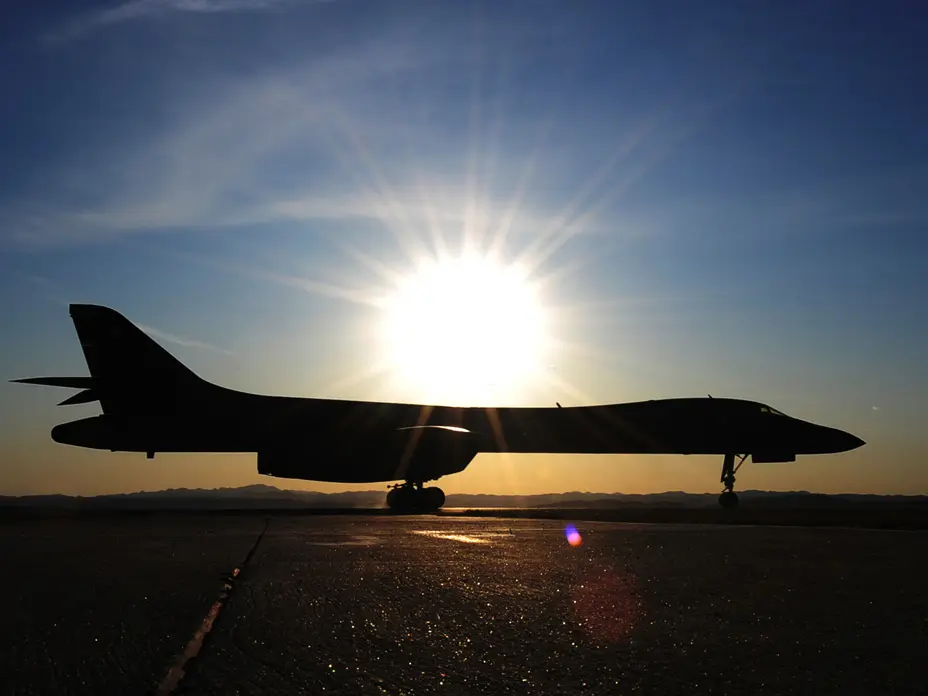
On January 17, 1966, a US Air Force B-52 collided with a refuelling tanker over southern Spain and scattered four thermonuclear bombs across a village. One was lost in the Mediterranean Sea for 80 days.
On the morning of January 17, 1966, a United States Air Force B-52G bomber was on a routine Cold War nuclear patrol mission — part of Operation Chrome Dome, a programme that kept nuclear-armed bombers airborne around the clock as a deterrent against a Soviet first strike. At 31,000 feet above the Mediterranean coast of southern Spain, near the village of Palomares in the Almería province, it attempted to link up with a KC-135 tanker for aerial refuelling. The aircraft collided. What followed was one of the most alarming nuclear accidents in history.
The Collision And The Bombs
The collision destroyed the KC-135 tanker, killing all four of its crew members. The B-52G broke apart, killing three of its seven crew members. Aboard the bomber were four B28FI thermonuclear bombs, each many times more powerful than the atomic bombs dropped on Hiroshima and Nagasaki. As the aircraft disintegrated, all four bombs separated from the wreckage and fell toward Spanish soil and sea.
Four Bombs, Four Different Fates
Three of the bombs landed on the outskirts of Palomares. In two of those bombs, the conventional high-explosive triggers detonated on impact, not a nuclear detonation, but enough of an explosion to rupture the bomb casings and scatter plutonium across approximately two square kilometres of farmland. The third bomb that landed on shore was recovered intact. The fourth bomb had fallen into the Mediterranean Sea and could not be immediately located. It would take 80 days and a US Navy search operation involving the deep-sea submersible DSV Alvin, before it was recovered from the seabed, intact.
The Cleanup And The Cover
Trending Stories
)
)
)
)
)
)
)
)
)
)
)
)
)
)
)
)
)
)
)
&im=FitAndFill=(700,400))
)
)
)
)
)
)
)
)
)
)
)
)
)
)
)
&im=FitAndFill=(700,400))
)
)
)
)
)
The US and Spanish authorities undertook a major decontamination operation, ultimately removing approximately 1,750 tons of radioactive soil and vegetation from Palomares, which was shipped to a storage facility in the United States for disposal. Despite the severity of the contamination, the US government's initial public communications were carefully managed to avoid panic. Spanish residents near Palomares were not fully informed of the extent of plutonium contamination for years. The Spanish government, then under the dictatorship of Francisco Franco, was a US ally and quietly cooperated with American efforts to manage the public narrative. It was only later that the full scale of the contamination and its ongoing health implications for residents, became widely understood.
The Legacy That Never Went Away
The Palomares incident did not end in 1966. Residual plutonium contamination has persisted in the area for six decades. In 2015, Spain and the United States signed an agreement for a further remediation effort, nearly 50 years after the original accident. The incident also had an immediate operational consequence: Spain banned US aircraft carrying nuclear weapons from flying over its territory. Operation Chrome Dome, the programme that put nuclear-armed B-52s on continuous airborne alert was itself terminated in 1968 after another B-52 nuclear accident in Greenland. Palomares is a reminder that for all of the B-52's extraordinary capability and endurance, the era of nuclear deterrence it embodies has never been without real, catastrophic risk.
