Israel says ‘no comments’, US claims no role in Hamas chief Haniyeh’s assassination

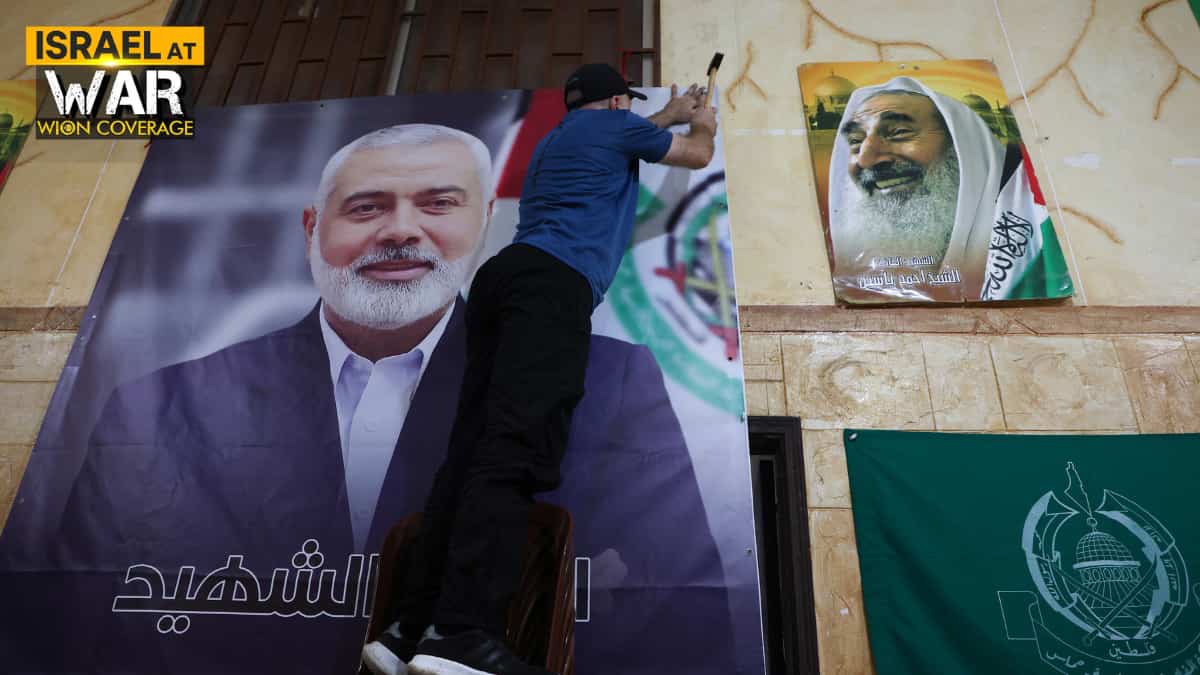
A man hangs a picture of Hamas leader Ismail Haniyeh who was assassinated early on July 31
Ismail Haniyeh, the political leader of the Palestinian militant group Hamas, was killed on July 31 in Tehran in a raid that Iran has accused Israel of carrying out, pushing West Asia further on edge amid the raging war in Gaza.
The Islamic Revolutionary Guards Corps (IRGC) is currently investigating the attack that killed the 62-year-old Haniyeh whowas in Tehran to attend the inauguration ceremony of Iran's new president, Masud Pezeshkian, on July 30.
Hamas, which is designated as a terrorist organisation by the United States and the European Union, confirmed Haniyeh’s death via its Telegram channel, stating he was killed in an "air strike on his residence in Tehran".

Also read |Between Iran and Gaza: How Israel pushed forward to decimate Hamas before Haniyeh's killing
An Israeli government spokesperson declined to comment on Haniyeh's death.
"We are not commenting on that particular incident," spokesperson David Mencer told a briefing with journalists.
)
Trump-Xi Summit: Trade, Taiwan and the red lines shaping US-China talks | Race To Power
)
US judge questions Trump’s decision to ban CNN, MS NOW and Politico from White House
)
Afghan woman cyclist who disguised herself as a boy to escape Taliban, wins Asian Games medal
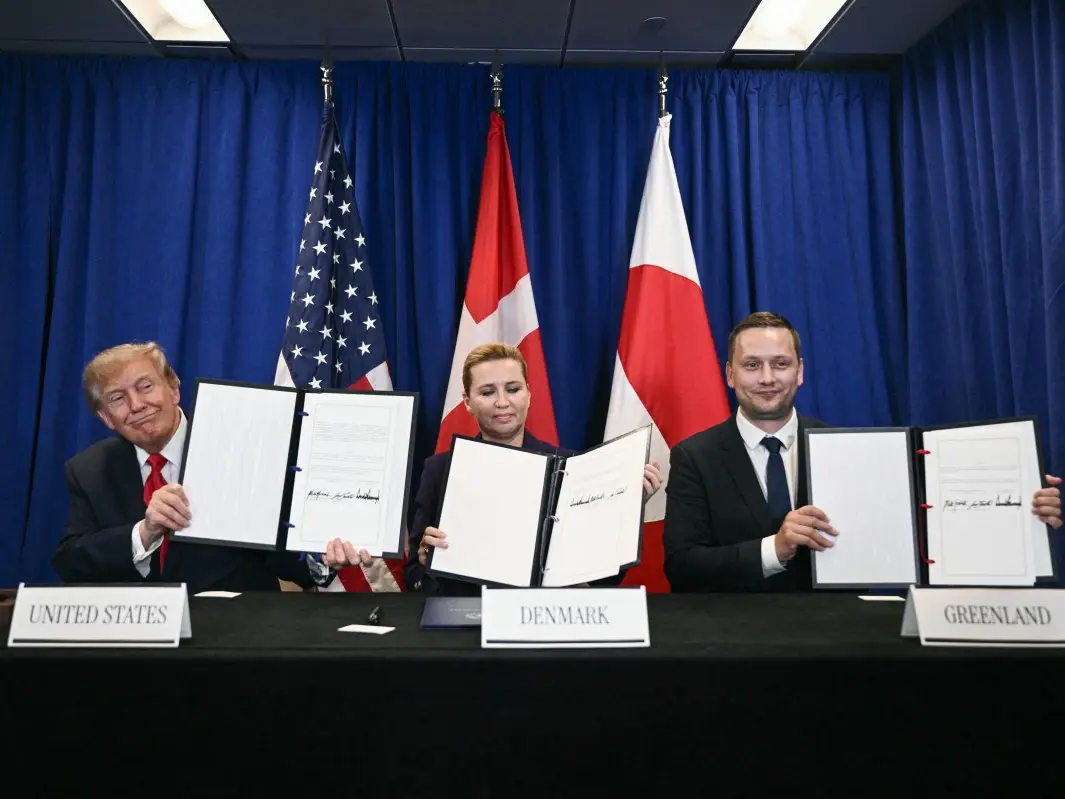)
Trump signs Greenland security deal with Denmark, paving way for two new US military bases
)
IND vs JPN T20I: How an overturned wide became point of difference between India's win and a tie
)
IIT Bombay CCTV footage emerges: Sahil Wakode seen looking at phone in examination hall
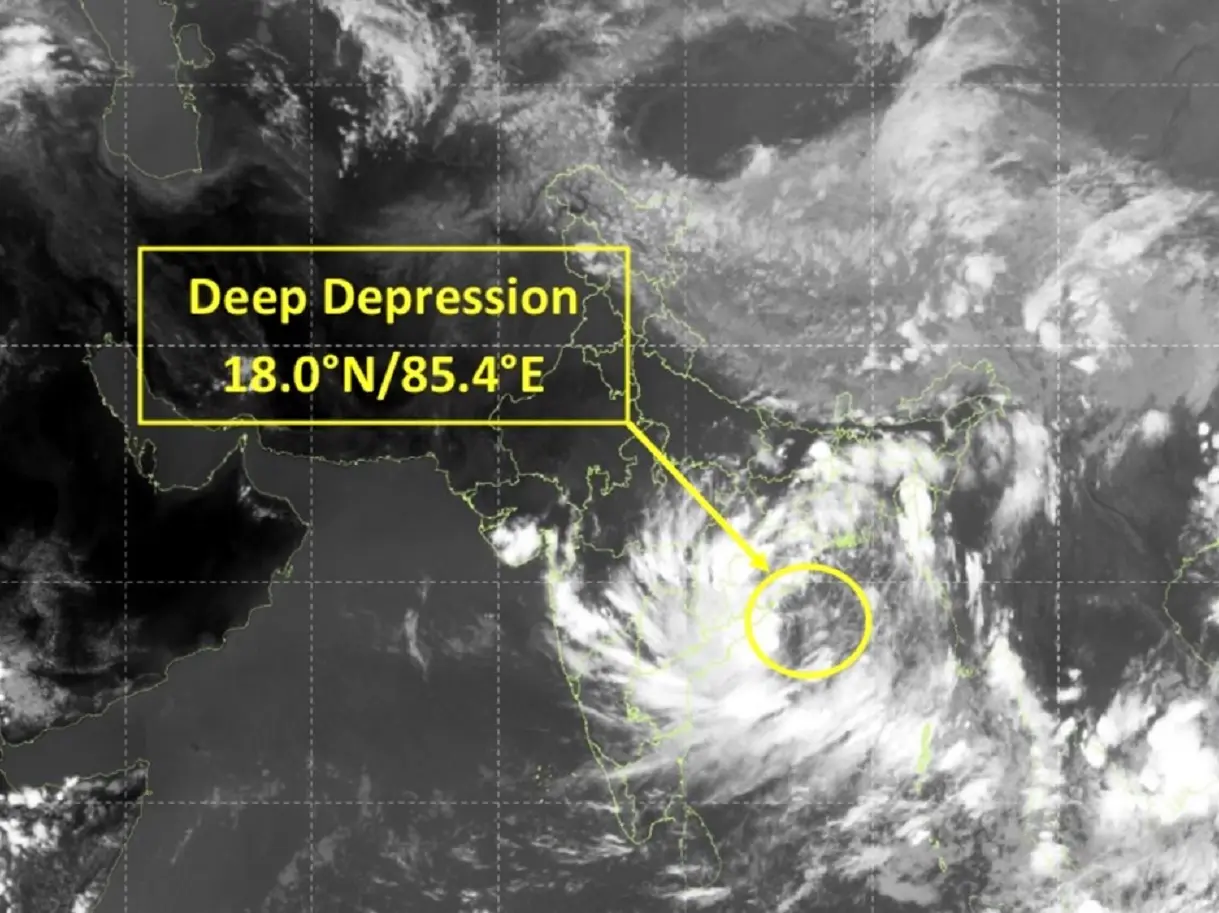)
Cyclone Arnab: Landfall expected before midnight tomorrow as IMD issues orange alerts across six states
)
NBA player Steven Adams shares hilarious GTA VI theory
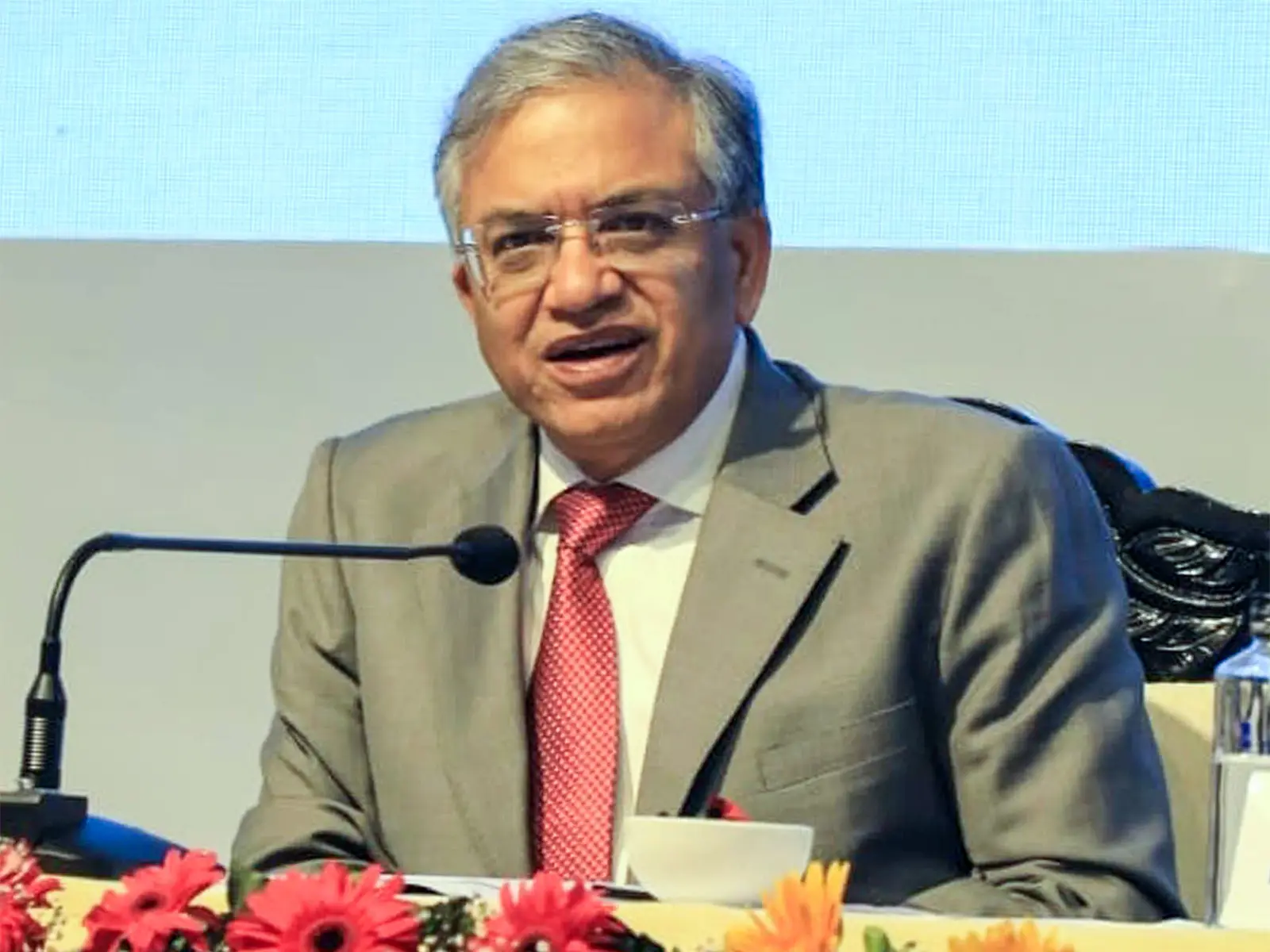)
TMC revives impeachment push against CEC Gyanesh Kumar after report of internal dissent
)
WION Iconic Tourism Summit 2026: Union Minister Shekhawat on 'experiential travel', peace diplomacy
)
ICC plans T20I expansion and fewer ODIs in 2027–2031 FTP cycle: Report
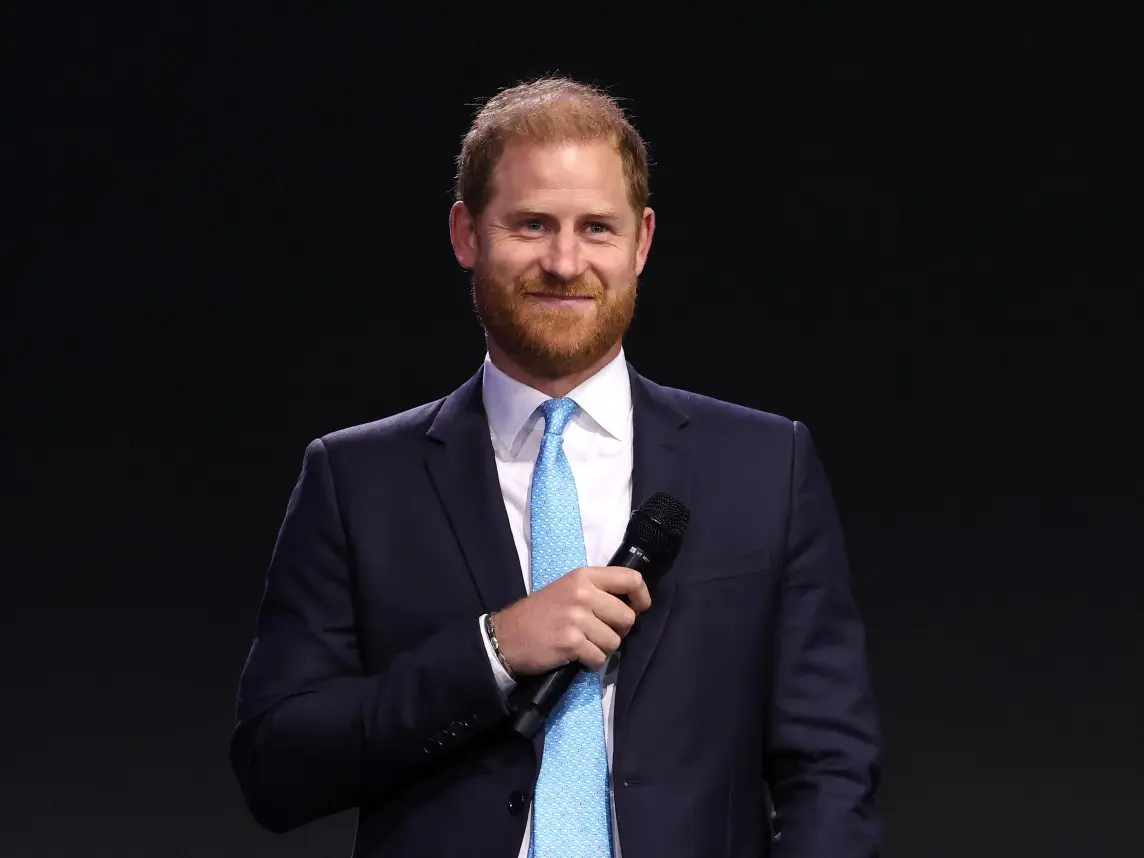)
'AI got into my speech': Prince Harry jokes after teleprompter failure at event in New York
)
WION Iconic Tourism Summit: Seychelles envoy says India partnership is important for Seychelles
)
Scientists detect first radio signals directly from faraway planet
)
China to test supersonic jet that moves at Mach 2, double the speed of sound
)
WION Iconic Tourism Summit: 'Hanuman Ansh' Director on blockbuster success
)
Open AI, Anthropic CEO urges caution over rapid AI development at UN Security Council, call for 'extreme care'
)
Bomb scare in New York amid UNGA: Suspicious suitcase found near UN headquarters
)
Hours before Xi-Trump meeting, US announces visa curbs targeting birth tourism: What is it?
)
WION Iconic Tourism Summit: Is India's travel boom outrunning its airports, airlines and hotels?
)
WION Iconic Tourism Summit and Awards 2026: Key voices to discuss India’s tourism future
)
Trump-Xi state dinner 2026: Who is invited? Full guest list of tech CEOs, business leaders and officials
)
American manufacturing is reshoring faster than its factory floors can absorb
&im=FitAndFill=(700,400))
New OTT releases this week (September 21-27, 2026): Shaque: Trust No One, Hunkkaar, Don’t Be Shy- 5 new titles coming to Netflix, Prime Video and more
)
WATCH | China President Xi Jinping lands in US as Trump greets him ahead of high-stakes summit
)
'What kind of confession is this?': Pakistan PM Shehbaz Sharif’s 'terrorists would be roaming New York' remark goes viral, raises alarm online. Watch
)
WION Iconic Tourism Summit: How local tourism MSMEs must upskill for AI integration
)
Elephants hide behind trees, stage surprise attack on poachers targeting rhinos in South Africa
)
'Putin is patient zero': Zelensky slams Russian president at UNGA, accuses him of using fighters from 47 countries
&im=FitAndFill=(700,400))
National Film Awards 2026: Kartik Aaryan, Mammootty, Yami Gautam, Randeep Hooda and other key winners
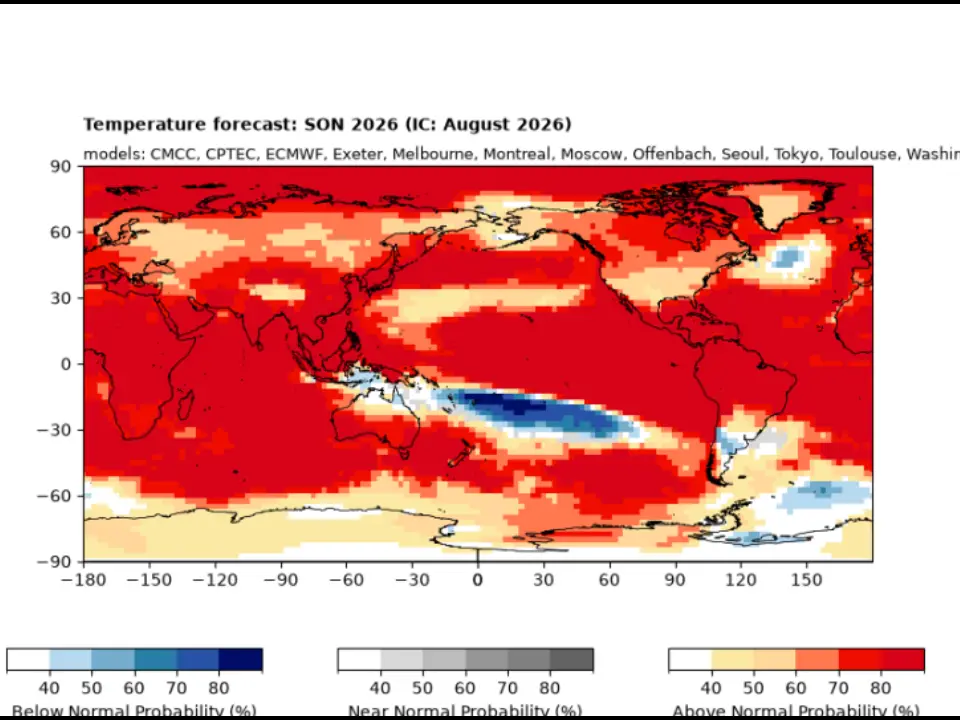)
El Niño 2026 heats up to become strongest in 1,000 years
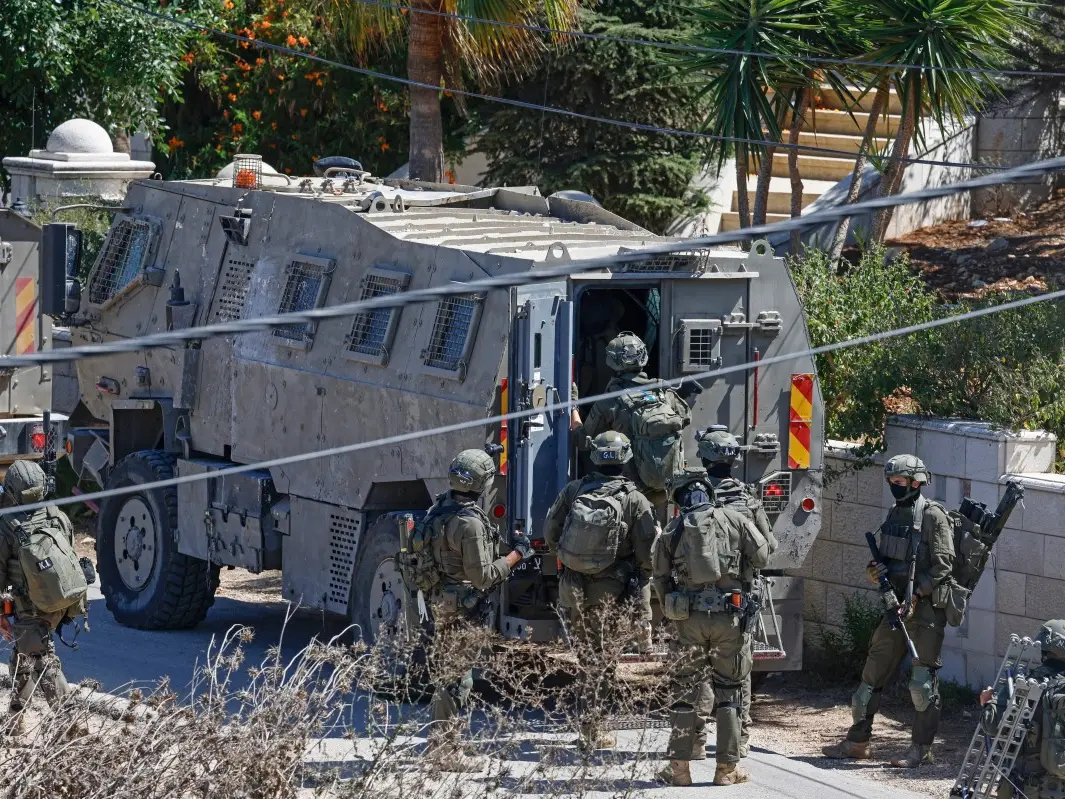)
Israeli envoy to US Yechiel Leiter’s son critically injured in West Bank ramming attack
&im=FitAndFill=(700,400))
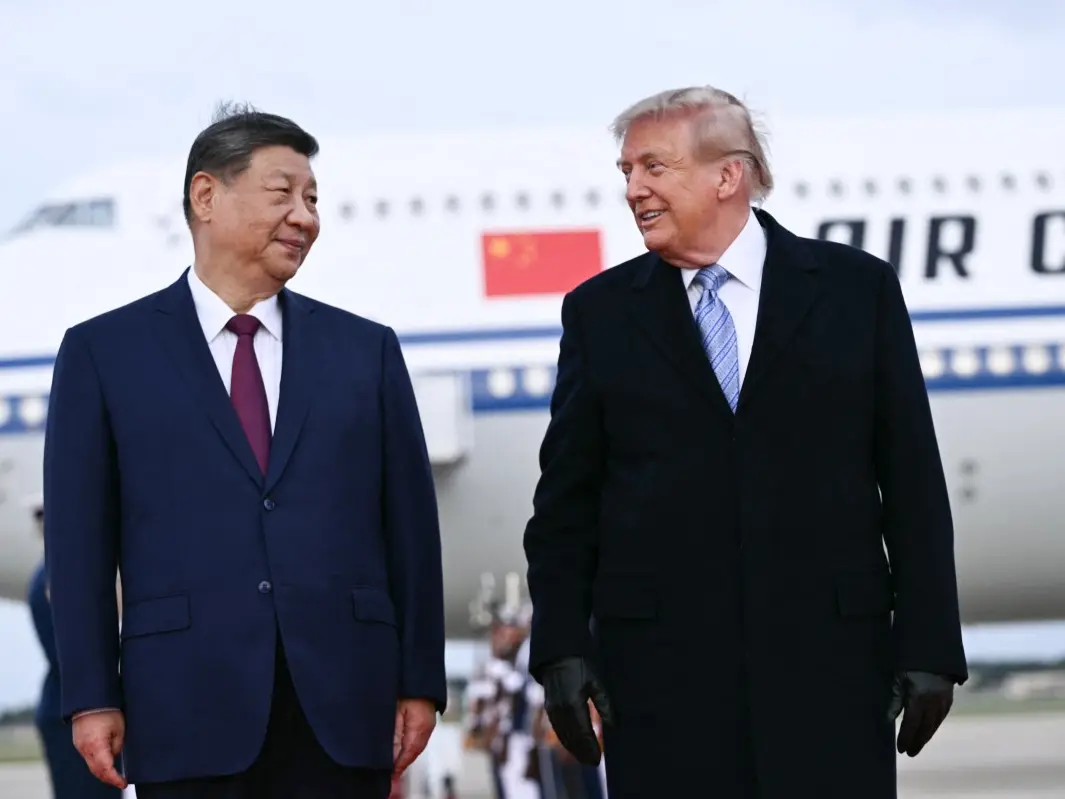
Trump welcomes Xi Jinping in rare airport gesture: Photos from Chinese President's arrival in US
)
Anne Hathaway to run in supporting race for Nolan's epic
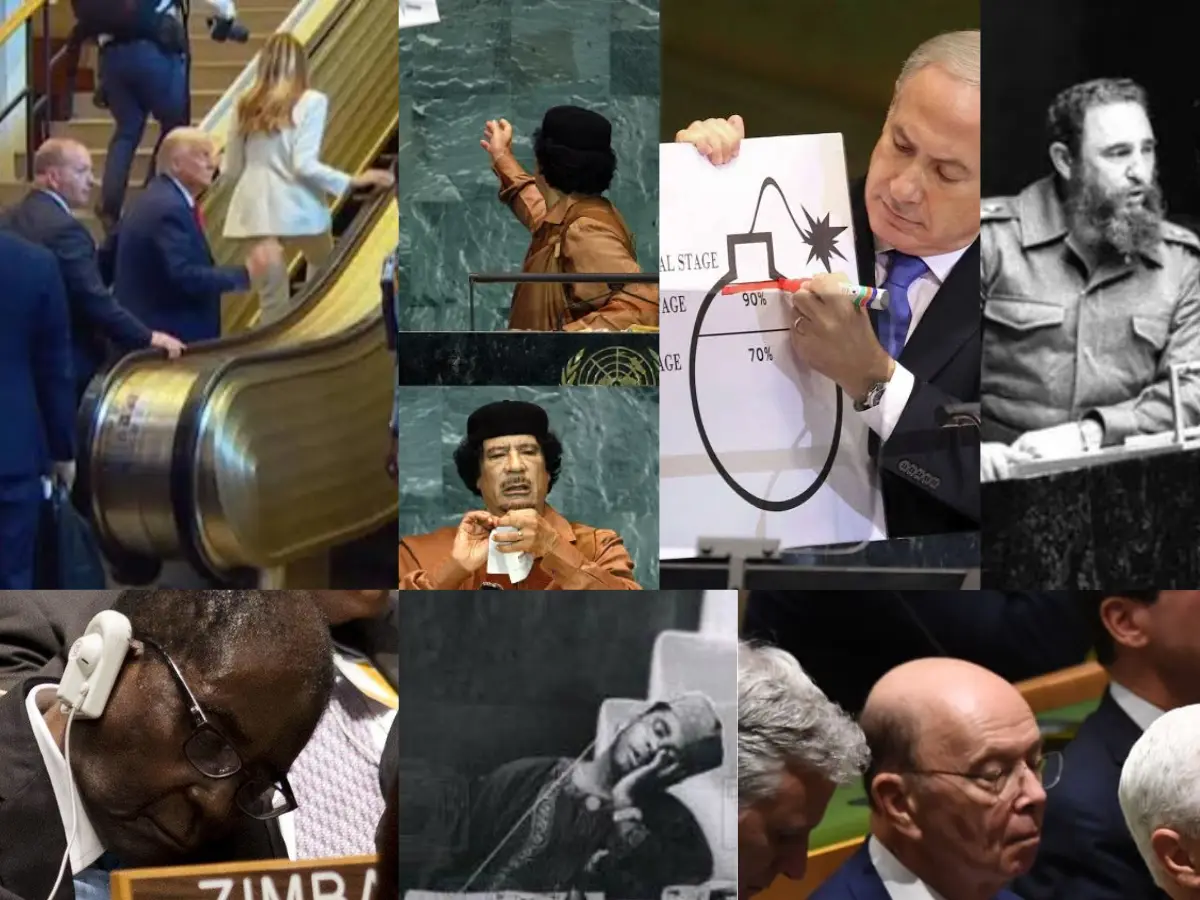)
From Gaddafi tearing up UN Charter to Trump’s ‘escalatorgate’: Most unforgettable UNGA moments
)
Xi-Trump meeting: China’s human rights red line and past protests explained
Earlier in the day, a photo of Haniyeh with the word "Eliminated" stamped on his forehead appeared on the Government Press Office's Facebook page before being deleted without explanation. The post did not explicitly claim responsibility but mentioned Haniyeh was "killed in a precise strike in Tehran."
Haniyeh's death and larger conflict in West Asia
Haniyeh's death coincides with a US military strike in Iraq as tensions in the region remain heightened amid deepening concerns about a potential all-out war in West Asia. The US strike targeted a base south of Baghdad used by Iraq's Popular Mobilization Forces, killing four members and wounding four others. Washington described the strike as an act of self-defence.
In a statement less than 24 hours after his inauguration, President Pezeshkian asserted that Iran "will defend its territorial integrity" following the attack. Supreme Leader Ayatollah Ali Khamenei also vowed revenge against Israel.
Palestinian President Mahmud Abbas condemned Haniyeh's killing, calling it a “cowardly act and dangerous development,” according to the Palestinian state news agency WAFA.
Several countries have denounced the attack. Russia labeled it an "unacceptable political assassination," while Turkey warned it could escalate the conflict between Israel and Hamas in Gaza.
The assassination of Haniyeh comes as the United States pushes for a temporary ceasefire and a deal to release hostages held in Gaza. Senior officials from the US, Israel, Qatar, and Egypt are engaged in talks to secure such a deal.
Also watch |2 children and a woman killed; at least 74 people injured during the Israeli strike in Beirut
US Secretary of State Antony Blinken stated that Washington was "not aware of or involved in" Haniyeh’s assassination and refrained from speculating on its regional impact.
Earlier on July 30, Israel announced it had "eliminated" Fuad Shukr, a Hizbollah militant commander allegedly behind a recent rocket attack at Golan Heights, in Beirut. The Israel Defense Forces (IDF) claimed Shukr directed Hizbollah attacks but received no immediate response from the group.
Israel has vowed to eliminate Hamas leaders following the group's October 7 attack that killed 1,200 people and resulted in around 250 hostages, some of whom have since been released.
Haniyeh, who became Hamas's political chief in 2017, was living in exile in Qatar since 2019. He was a prominent figure during the recent Gaza conflict, shuttling between countries in West Asia to participate in international negotiations.
(With inputs from agencies)