Israel Knesset election 2026: Biggest challenges threatening Netanyahu’s political future

&imwidth=600&imheight=450&format=webp&quality=medium "Israel Knesset election 2026: Biggest challenges threatening Netanyahu’s political future")
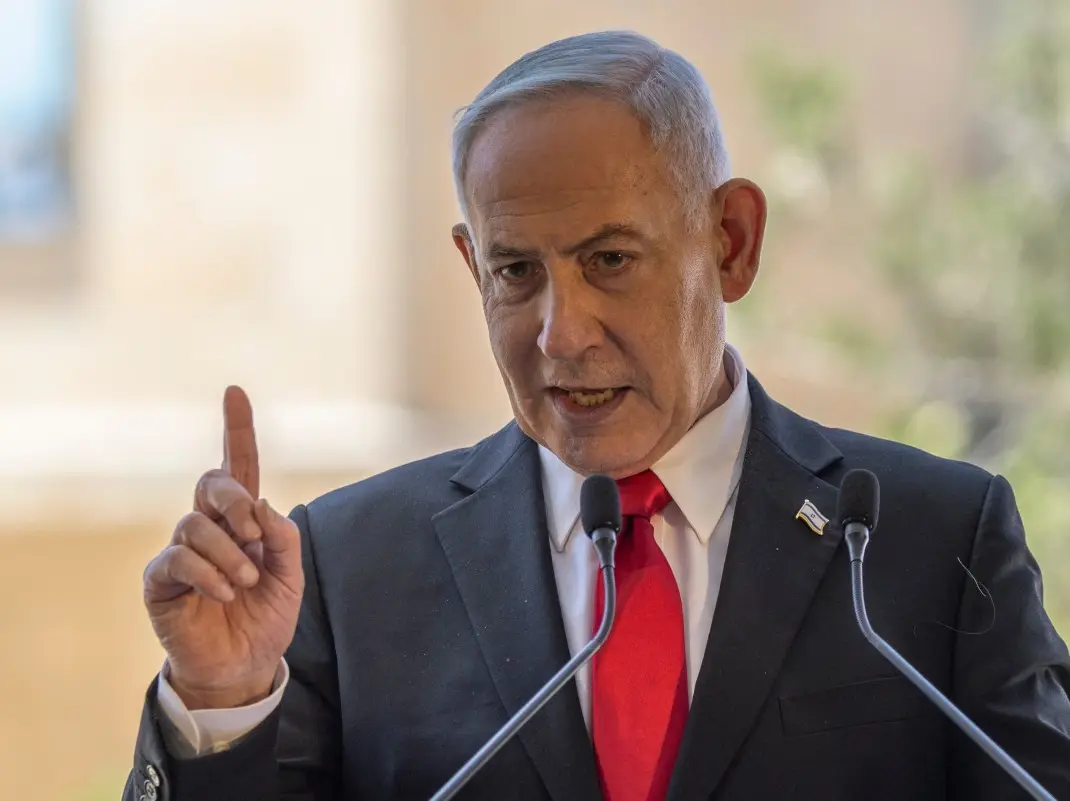
Israel's Prime Minister Benjamin Netanyahu Photograph: (AFP)
Netanyahu’s political future faces a tough test ahead of the 2026 election, with public sentiment, internal pressures and shifting alliances set to play a crucial role in determining the outcome.
Israeli Prime Minister Benjamin Netanyahu is facing a defining political battle ahead of the 2026 elections, with his decade-long dominance under pressure from public anger over the October 7 security failures, the prolonged Gaza war and growing calls for leadership change. While Netanyahu remains a powerful figure with a loyal support base, opinion polls indicate that his ruling coalition could face a tough fight to secure a parliamentary majority as opposition parties attempt to reshape Israel’s political landscape. Here are the biggest challenges that Netanyahu is facing.
Fallout from October 7 security failure
The October 7, 2023 Hamas attack remains one of the biggest challenges to Benjamin Netanyahu’s political future, as questions continue to surround the government’s failure to prevent the deadliest assault on Israel in decades. Despite Netanyahu’s long-standing image as a leader focused on national security, critics have accused his administration of intelligence and policy failures that allowed the attack to happen. Public demands for accountability, including calls for investigations into the security breakdown, have continued to put pressure on the prime minister and could become a major factor influencing voter sentiment in the 2026 election.
Handling of hostage situation, Gaza war
Netanyahu has faced criticism over the handling of the hostage situation in Gaza, with many expressing concerns over the safety of Israeli’s held captive by Hamas during the war. While the hostage situation has ended and a ceasefire has been reached in Gaza, the Israeli leader faces mounting pressure over other prolonged wars.
Trending Stories
&im=FitAndFill=(700,400)&imwidth=280&imheight=210&format=webp&quality=medium)
&imwidth=280&imheight=210&format=webp&quality=medium)
&imwidth=280&imheight=210&format=webp&quality=medium)
&imwidth=280&imheight=210&format=webp&quality=medium)
&imwidth=280&imheight=210&format=webp&quality=medium)
&imwidth=280&imheight=210&format=webp&quality=medium)
&imwidth=280&imheight=210&format=webp&quality=medium)
&imwidth=280&imheight=210&format=webp&quality=medium)
&imwidth=280&imheight=210&format=webp&quality=medium)
&imwidth=280&imheight=210&format=webp&quality=medium)
&imwidth=280&imheight=210&format=webp&quality=medium)
&imwidth=280&imheight=210&format=webp&quality=medium)
&imwidth=280&imheight=210&format=webp&quality=medium)
&imwidth=280&imheight=210&format=webp&quality=medium)
&imwidth=280&imheight=210&format=webp&quality=medium)
&imwidth=280&imheight=210&format=webp&quality=medium)
&imwidth=280&imheight=210&format=webp&quality=medium)
&imwidth=280&imheight=210&format=webp&quality=medium)
&imwidth=280&imheight=210&format=webp&quality=medium)
&imwidth=280&imheight=210&format=webp&quality=medium)
&imwidth=280&imheight=210&format=webp&quality=medium)
&im=FitAndFill=(700,400)&imwidth=280&imheight=210&format=webp&quality=medium)
&imwidth=280&imheight=210&format=webp&quality=medium)
&imwidth=280&imheight=210&format=webp&quality=medium)
&imwidth=280&imheight=210&format=webp&quality=medium)
&imwidth=280&imheight=210&format=webp&quality=medium)
&imwidth=280&imheight=210&format=webp&quality=medium)
&imwidth=280&imheight=210&format=webp&quality=medium)
&im=FitAndFill=(700,400)&imwidth=280&imheight=210&format=webp&quality=medium)
&imwidth=280&imheight=210&format=webp&quality=medium)
&imwidth=280&imheight=210&format=webp&quality=medium)
&imwidth=280&imheight=210&format=webp&quality=medium)
Iran and Lebanon threats
Another major concern for Netanyahu is continued fighting with Iran-backed Hezbollah in southern Lebanon and the Iranian threats. The looming uncertainty over the conflicts has kept fears of a wider regional conflict. Although a ceasefire was reached with Iran, the public remains divided on whether Israel achieved victory. According to a poll by The Institute for National Security Studies, only 15 per cent believe Israel emerged victorious. As per the survey, 43 per cent believe the war ended without a decisive outcome, while 37per cent believe Iran won.
Coalition instability
Netanyahu’s reliance on a right-wing and religious coalition remains a major vulnerability. During his term, there have been several disagreements among coalition partners over war policy, hostage negotiations and domestic issues, which have repeatedly tested the government’s stability. Any internal split could weaken Netanyahu before the election and damage his ability to present himself as a leader capable of managing Israel’s crises.
Growing demand for political change
Public frustration over years of prolonged war has fueled calls for new leadership in Israel. Even though Netanyahu still holds a loyal voter base, polls have indicated his coalition faces a tough path to securing the 61 seats needed to form a government.
Opposition consolidation
The opposition’s ability to unite could determine how serious the challenge becomes for Netanyahu. Figures such as former military leaders have emerged as potential alternatives, but opposition parties still face the challenge of building a common platform. Recent reporting suggests Netanyahu remains politically resilient, but rivals are attempting to capitalise on voter dissatisfaction.
Watch | US-Iran war: Iran retaliates against US allies in Gulf after US strikes

