Is Pakistan heading into Iran war for Saudi Arabia? All about 2025 Riyadh-Islamabad pact

&imwidth=600&imheight=450&format=webp&quality=medium "Is Pakistan heading into Iran war for Saudi Arabia? All about 2025 Riyadh-Islamabad pact")
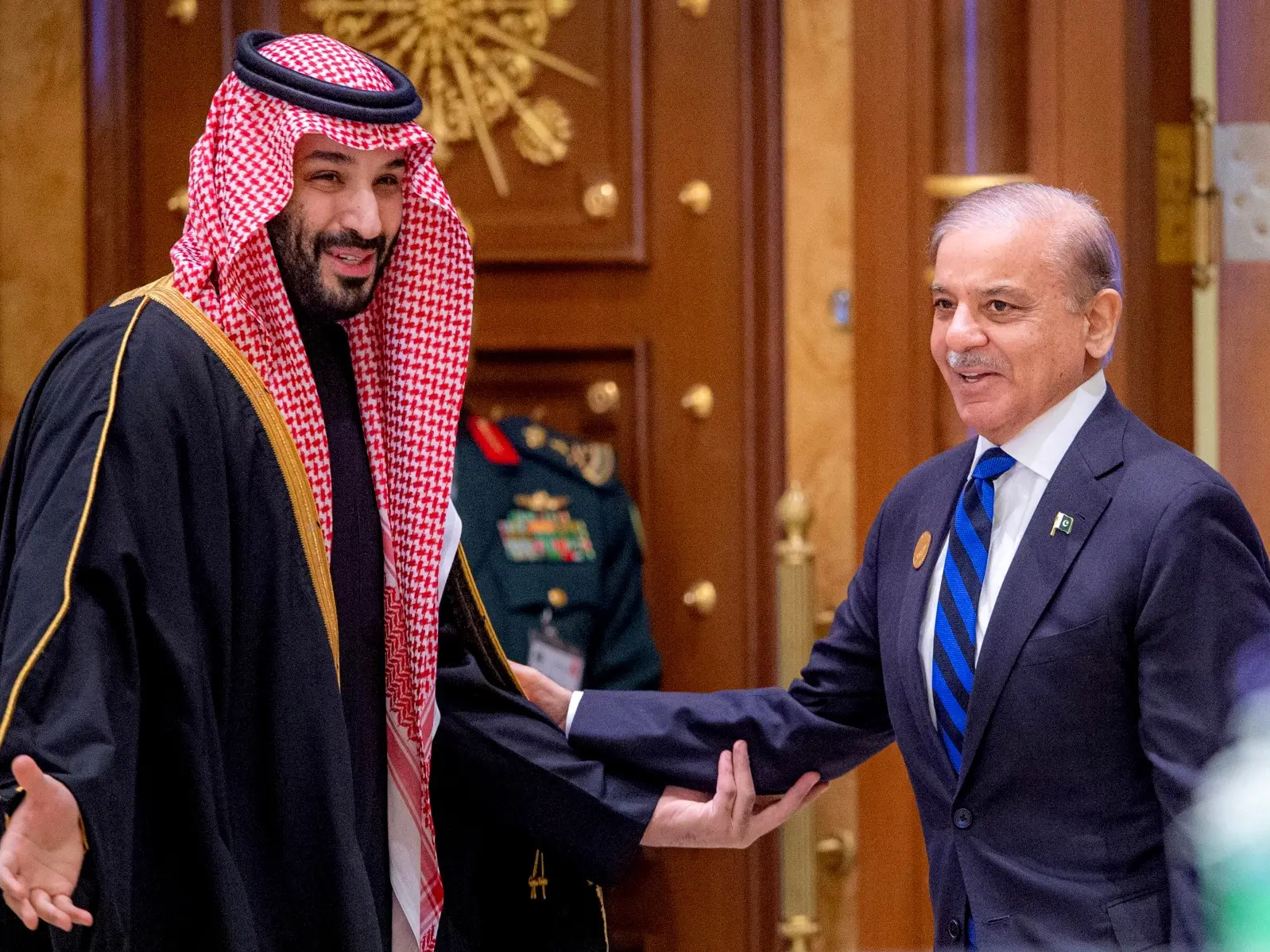
Crown Prince Mohammed Bin Salman (L) welcoming Pakistan's Prime Minister Shehbaz Sharif (R) ahead of the One Water Summit in the capital Riyadh on December 3, 2024. Photograph: (AFP)
A reported 2025 defence pact suggests Pakistan may provide military and nuclear support to Saudi Arabia against Iran, risking domestic sectarian strife, economic instability, and dangerous military overstretch for Islamabad.
Saudi Arabia is increasingly seen as turning to Pakistan for military backing, as both nations signed the Strategic Mutual Defence Agreement (SMDA) in September 2025, as tensions with Iran escalate. With one of the world’s largest and battle-hardened armies, Pakistan offers capabilities Riyadh has struggled to deploy effectively on its own, particularly after setbacks in prolonged conflicts like Yemen.
The reported 2025 defence pact between the two nations is believed to deepen strategic cooperation, potentially extending Saudi Arabia's access to Pakistan’s nuclear deterrence umbrella. Such an arrangement could reduce Riyadh’s reliance on the US while strengthening its posture against Tehran. In a conflict scenario, Pakistani forces could be tasked with opening a secondary front along Iran’s eastern border or securing critical maritime routes such as the Strait of Hormuz.
High stakes and risks for Pakistan
For Islamabad, any direct or indirect involvement in a conflict with Iran carries significant risks. A military engagement against a Shia-majority nation could inflame sectarian tensions domestically, where Pakistan itself has one of the largest Shia populations in the world.
Economic vulnerabilities add to the concern. A regional war could drive up oil prices, disrupt remittances from Gulf nations, and further strain Pakistan’s already fragile economy. Additionally, its 900-kilometre border with Iran exposes it to potential retaliation.
Trending Stories
&imwidth=280&imheight=210&format=webp&quality=medium)
&imwidth=280&imheight=210&format=webp&quality=medium)
&imwidth=280&imheight=210&format=webp&quality=medium)
&im=FitAndFill=(700,400)&imwidth=280&imheight=210&format=webp&quality=medium)
&imwidth=280&imheight=210&format=webp&quality=medium)
&imwidth=280&imheight=210&format=webp&quality=medium)
&imwidth=280&imheight=210&format=webp&quality=medium)
&imwidth=280&imheight=210&format=webp&quality=medium)
&imwidth=280&imheight=210&format=webp&quality=medium)
&imwidth=280&imheight=210&format=webp&quality=medium)
&imwidth=280&imheight=210&format=webp&quality=medium)
&imwidth=280&imheight=210&format=webp&quality=medium)
&imwidth=280&imheight=210&format=webp&quality=medium)
&imwidth=280&imheight=210&format=webp&quality=medium)
&imwidth=280&imheight=210&format=webp&quality=medium)
&imwidth=280&imheight=210&format=webp&quality=medium)
&imwidth=280&imheight=210&format=webp&quality=medium)
&imwidth=280&imheight=210&format=webp&quality=medium)
&imwidth=280&imheight=210&format=webp&quality=medium)
&imwidth=280&imheight=210&format=webp&quality=medium)
&imwidth=280&imheight=210&format=webp&quality=medium)
&imwidth=280&imheight=210&format=webp&quality=medium)
&imwidth=280&imheight=210&format=webp&quality=medium)
&imwidth=280&imheight=210&format=webp&quality=medium)
&imwidth=280&imheight=210&format=webp&quality=medium)
&imwidth=280&imheight=210&format=webp&quality=medium)
&imwidth=280&imheight=210&format=webp&quality=medium)
&imwidth=280&imheight=210&format=webp&quality=medium)
&im=FitAndFill=(700,400)&imwidth=280&imheight=210&format=webp&quality=medium)
&imwidth=280&imheight=210&format=webp&quality=medium)
&imwidth=280&imheight=210&format=webp&quality=medium)
&imwidth=280&imheight=210&format=webp&quality=medium)
&imwidth=280&imheight=210&format=webp&quality=medium)
&imwidth=280&imheight=210&format=webp&quality=medium)
&imwidth=280&imheight=210&format=webp&quality=medium)
Security pressures are already mounting, with Pakistan navigating tensions with India, instability in Afghanistan, and internal insurgencies. Opening another front could stretch its military capacity dangerously thin.
Intelligence signals and strategic calculations
According to intelligence assessments, even a limited Pakistani role, such as providing air defence support or deploying forces within Saudi territory, could effectively amount to opening a western front against Iran. Such a move would come at a time when Pakistan is already balancing multiple internal and external security challenges, raising questions about the sustainability of deeper involvement.
Islamabad’s balancing act
Despite mounting pressure, Pakistan appears cautious. Officials have maintained a position of neutrality in the broader US-Israel-Iran tensions, calling for restraint and diplomatic solutions. Recent signals from Tehran also point to efforts at de-escalation. Iran’s leadership has publicly encouraged improved ties between Pakistan and Afghanistan, describing Islamabad as a valued regional partner.

