Iraq, Kuwait could stop oil exports in days; 3.3 million barrels per day of crude supply to be hit if Iran vs Israel-US conflict drags on

&imwidth=600&imheight=450&format=webp&quality=medium "Iraq, Kuwait could stop oil exports in days; 3.3 million barrels per day of crude supply to be hit if Iran vs Israel-US conflict drags on")
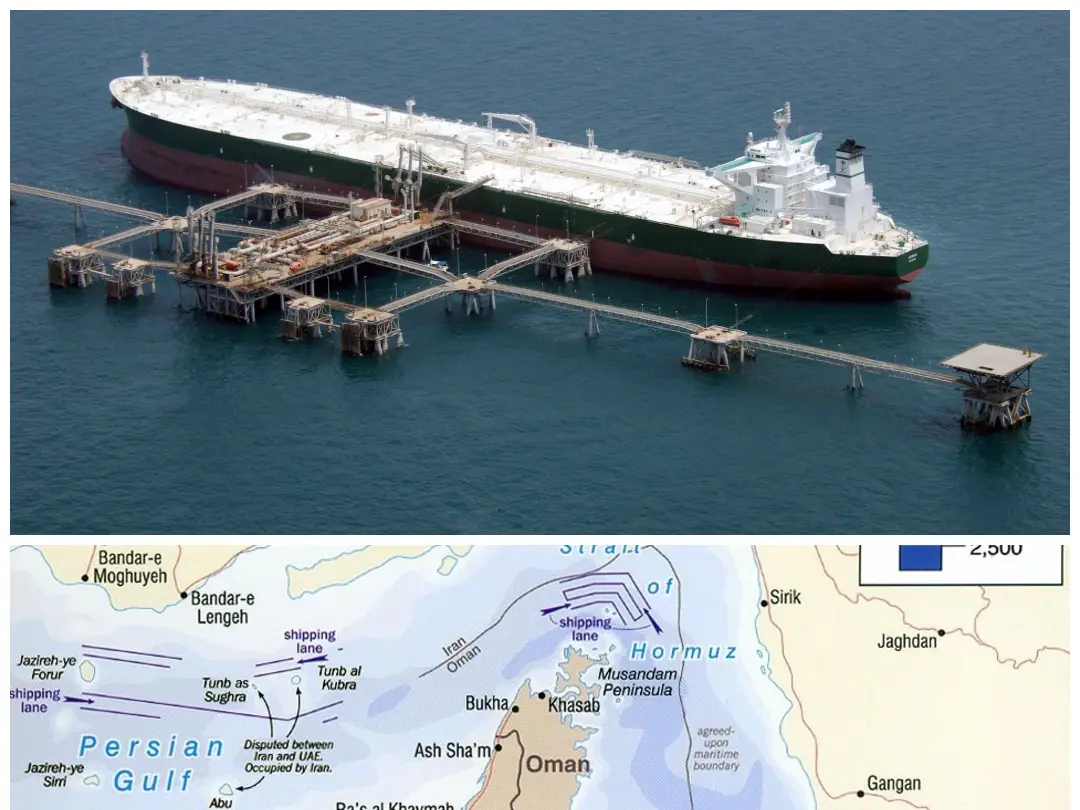
A file image of an Iraqi oil tanker and the map of Strait of Hormuz are shown here Photograph: (Others)
If the Strait of Hormuz is disrupted by Iran, countries like Iraq and Kuwait could cut 3.3 million bpd of crude oil production. This risks Gulf crude supply losses and a sharp spike in global oil prices
If the conflict involving Iran and the Gulf states, resulting from the Israel-US joint operation and retaliatory strikes by Tehran, does not stop by Friday, there could be a supply cut of 3.3 million barrels per day of crude oil. The warning from JP Morgan came amid disruptions in the Strait of Hormuz, the strategic waterway between the Persian Gulf and the Gulf of Oman, which is the world’s key oil transit chokepoint. The strait carries nearly a fifth of global oil and liquefied natural gas flows.
Iran Revolutionary Guards claim to have taken total control of Strait of Hormuz
The situation escalated amid Iranian media reports that the Islamic Revolutionary Guards have closed the Strait of Hormuz and that Iran would fire on any ship attempting to pass. If the waterway is closed for long, the losses could escalate to 3.8 million bpd around day 15 since the start of the conflict on February 27. By day 18, it could reach 4.7 million bpd, JP Morgan said in a note.
Iraq, Kuwait would be forced to shut oil production
If oil tankers cannot move freely through the strait, production will have to be cut by countries with low storage capacity. Iraq will be forced to reduce oil production by more than 3 million bpd within a few days in such a scenario, Reuters news agency reported, citing Iraqi oil officials.
Trending Stories
&imwidth=280&imheight=210&format=webp&quality=medium)
&imwidth=280&imheight=210&format=webp&quality=medium)
&imwidth=280&imheight=210&format=webp&quality=medium)
&imwidth=280&imheight=210&format=webp&quality=medium)
&imwidth=280&imheight=210&format=webp&quality=medium)
&imwidth=280&imheight=210&format=webp&quality=medium)
&imwidth=280&imheight=210&format=webp&quality=medium)
&imwidth=280&imheight=210&format=webp&quality=medium)
&imwidth=280&imheight=210&format=webp&quality=medium)
&imwidth=280&imheight=210&format=webp&quality=medium)
&imwidth=280&imheight=210&format=webp&quality=medium)
&imwidth=280&imheight=210&format=webp&quality=medium)
&imwidth=280&imheight=210&format=webp&quality=medium)
&imwidth=280&imheight=210&format=webp&quality=medium)
&imwidth=280&imheight=210&format=webp&quality=medium)
&imwidth=280&imheight=210&format=webp&quality=medium)
&imwidth=280&imheight=210&format=webp&quality=medium)
&imwidth=280&imheight=210&format=webp&quality=medium)
&imwidth=280&imheight=210&format=webp&quality=medium)
&imwidth=280&imheight=210&format=webp&quality=medium)
&imwidth=280&imheight=210&format=webp&quality=medium)
&imwidth=280&imheight=210&format=webp&quality=medium)
&imwidth=280&imheight=210&format=webp&quality=medium)
&imwidth=280&imheight=210&format=webp&quality=medium)
&imwidth=280&imheight=210&format=webp&quality=medium)
&imwidth=280&imheight=210&format=webp&quality=medium)
&im=FitAndFill=(700,400)&imwidth=280&imheight=210&format=webp&quality=medium)
&imwidth=280&imheight=210&format=webp&quality=medium)
&imwidth=280&imheight=210&format=webp&quality=medium)
&imwidth=280&imheight=210&format=webp&quality=medium)
&imwidth=280&imheight=210&format=webp&quality=medium)
&imwidth=280&imheight=210&format=webp&quality=medium)
&imwidth=280&imheight=210&format=webp&quality=medium)
&imwidth=280&imheight=210&format=webp&quality=medium)
&imwidth=280&imheight=210&format=webp&quality=medium)
&imwidth=280&imheight=210&format=webp&quality=medium)
Iraq can hold roughly three days of storage before it is forced to halt exports through the strait, making it most vulnerable due to its limited onshore storage capacity.
Iraq has reportedly already begun partial shut-ins, with around 1.5 million bpd affected so far.
Kuwait, meanwhile, could continue for roughly 14 days before it is also forced to halt production.
Saudi Arabia has more storage facilities, possibly sufficient for 30 days.
Storage capacity could be exhausted in 25 days if crude does not move across the Strait
The combined onshore crude storage capacity across seven major Gulf producers – Saudi Arabia, UAE, Iraq, Kuwait, Qatar, Oman and Iran – is estimated at about 343 million barrels.
This equates to nearly 22 days of stranded production buffer, though additional offshore and empty tanker capacity could add a few more days, extending it to around 25 days.
After this, widespread mandatory production shut-ins would have to begin, simply because there would be no place to store the crude oil.
Also read: 'Struck ‘covert underground’ nuclear site in Iran used for secret weapons-development', says Israel
A chain reaction that could increase crude oil prices
Production shut-ins could raise oil prices, with Brent potentially reaching 100–120 dollars per barrel in severe, prolonged cases, according to reports.
The Strait of Hormuz normally handles 16–20 million bpd of crude equivalent under typical conditions. The JP Morgan note emphasised that “speed and decisiveness” in response are critical, as delays quickly translate into forced shut-ins, particularly for lower-storage countries such as Iraq.
Disclaimer: WION takes utmost care to accurately and responsibly report ongoing conflicts in West Asia involving Israel, Iran, US, Gulf nations and non-state actors like Hezbollah, Hamas, Houthis, Islamic State, and others. Claims and counterclaims, disinformation and misinformation are being made online and offline. Given this context, WION cannot independently verify the authenticity of all statements, social media posts, photos and videos.