Iran warns UK: Providing US access to military bases would be considered ‘participation in aggression’

&imwidth=600&imheight=450&format=webp&quality=medium "Iran warns UK: Providing US access to military bases would be considered ‘participation in aggression’")
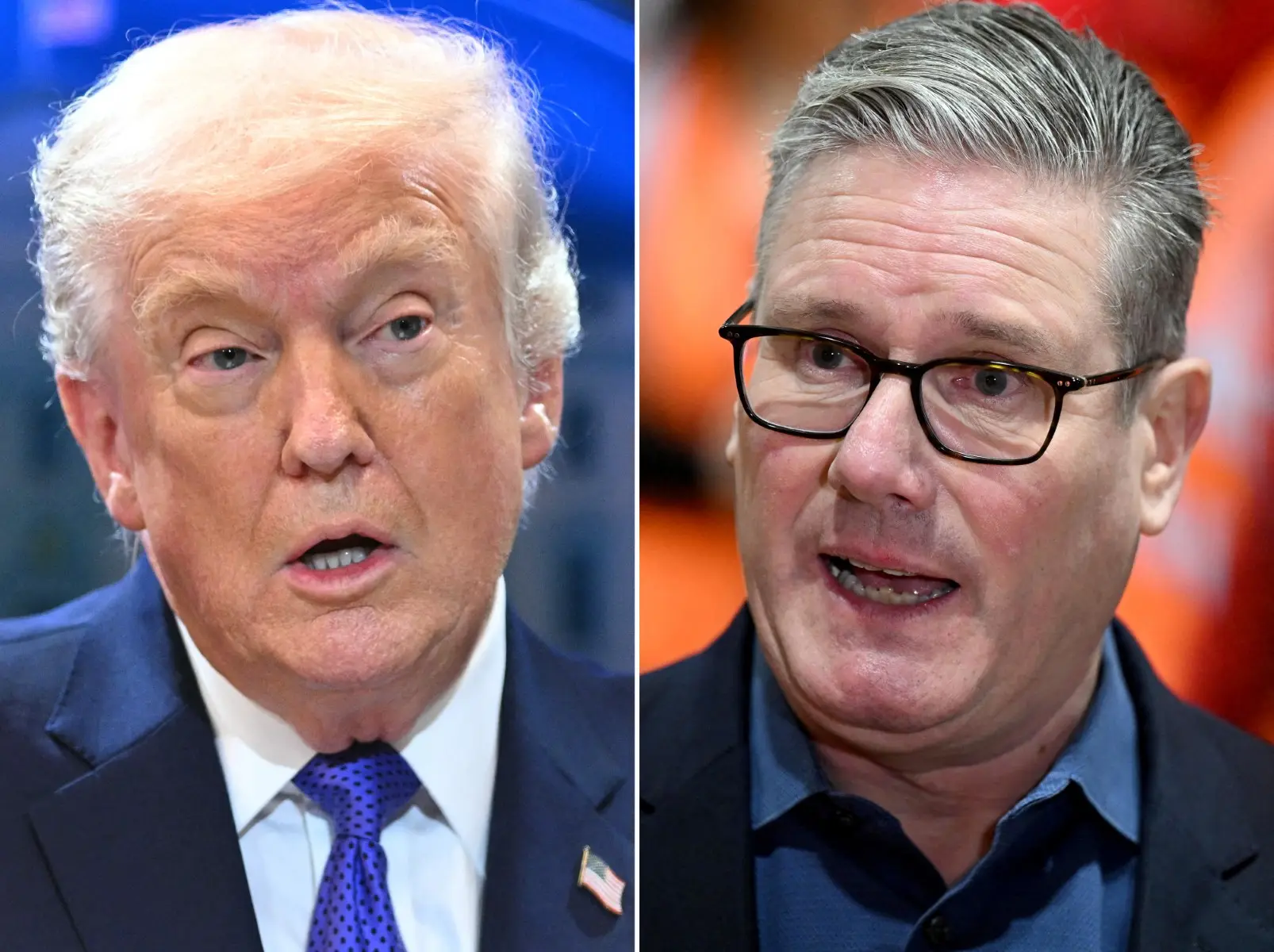
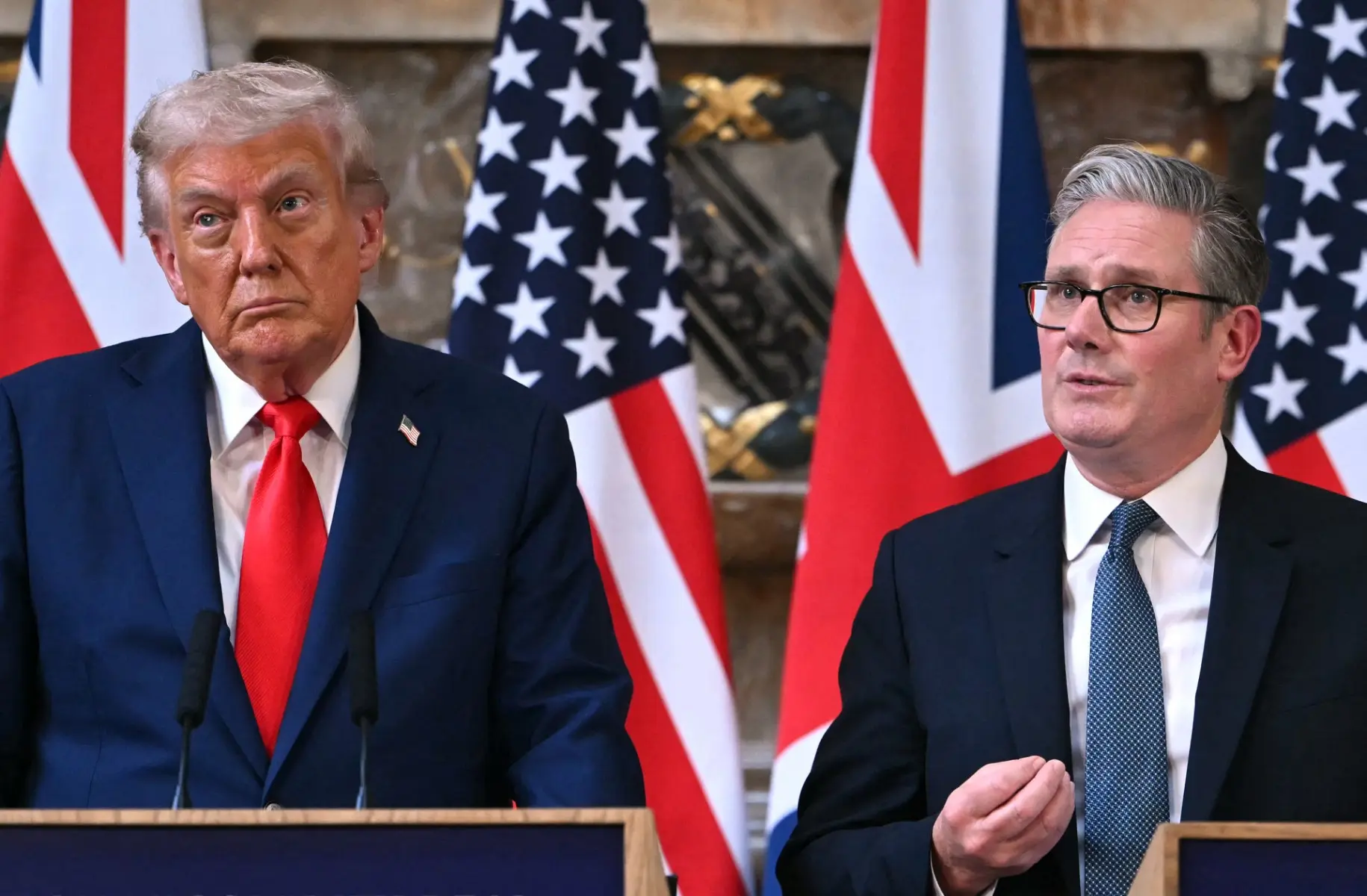
A file photo of US President Donald Trump and UK PM Keir Starmer Photograph: (Others)
Iran warned the UK that allowing US use of British military bases will be seen as “aggression”. The UK is insisting that it has a limited, defensive role in the war, as PM Starmer tries to avoid being dragged into it
Iran has warned the United Kingdom that providing American forces with access to British military bases would be considered as ‘participation in acts of aggression’. This was made clear by Iranian Foreign Minister Abbas Araghchi in a phone call with his British counterpart, Foreign Secretary Yvette Cooper, reports said on Friday (Mar 20). The news came days after Britain reportedly allowed the US limited access to an RAF base in Cyprus for defensive operations, such as surveillance and support missions. Here is why this development puts Britain in a tight spot, particularly as President Donald Trump had expressed displeasure in the UK not doing more to help the US.
What did Iran tell Britain on US use of British military bases?
Iran’s Foreign Minister Araghchi spoke with UK Foreign Secretary Cooper over the phone, explicitly warning that allowing the US access to use British military bases would be viewed as “participation in aggression”.
“Such actions will certainly be regarded as participation in aggression and will be recorded in the history of relations between the two countries,” Iranian state media reported, citing Araghchi’s statement.
UK had agreed ‘limited US use’ of British bases
Trending Stories
&imwidth=280&imheight=210&format=webp&quality=medium)
&imwidth=280&imheight=210&format=webp&quality=medium)
&imwidth=280&imheight=210&format=webp&quality=medium)
&imwidth=280&imheight=210&format=webp&quality=medium)
&imwidth=280&imheight=210&format=webp&quality=medium)
&imwidth=280&imheight=210&format=webp&quality=medium)
&imwidth=280&imheight=210&format=webp&quality=medium)
&imwidth=280&imheight=210&format=webp&quality=medium)
&imwidth=280&imheight=210&format=webp&quality=medium)
&imwidth=280&imheight=210&format=webp&quality=medium)
&imwidth=280&imheight=210&format=webp&quality=medium)
&imwidth=280&imheight=210&format=webp&quality=medium)
&imwidth=280&imheight=210&format=webp&quality=medium)
&imwidth=280&imheight=210&format=webp&quality=medium)
&imwidth=280&imheight=210&format=webp&quality=medium)
&imwidth=280&imheight=210&format=webp&quality=medium)
&imwidth=280&imheight=210&format=webp&quality=medium)
&imwidth=280&imheight=210&format=webp&quality=medium)
&imwidth=280&imheight=210&format=webp&quality=medium)
&imwidth=280&imheight=210&format=webp&quality=medium)
&im=FitAndFill=(700,400)&imwidth=280&imheight=210&format=webp&quality=medium)
&imwidth=280&imheight=210&format=webp&quality=medium)
&imwidth=280&imheight=210&format=webp&quality=medium)
&imwidth=280&imheight=210&format=webp&quality=medium)
&im=FitAndFill=(700,400)&imwidth=280&imheight=210&format=webp&quality=medium)
&imwidth=280&imheight=210&format=webp&quality=medium)
&imwidth=280&imheight=210&format=webp&quality=medium)
&im=FitAndFill=(700,400)&imwidth=280&imheight=210&format=webp&quality=medium)
&imwidth=280&imheight=210&format=webp&quality=medium)
&imwidth=280&imheight=210&format=webp&quality=medium)
&im=FitAndFill=(700,400)&imwidth=280&imheight=210&format=webp&quality=medium)
&imwidth=280&imheight=210&format=webp&quality=medium)
&imwidth=280&imheight=210&format=webp&quality=medium)
&imwidth=280&imheight=210&format=webp&quality=medium)
&imwidth=280&imheight=210&format=webp&quality=medium)
&imwidth=280&imheight=210&format=webp&quality=medium)
Araghchi’s reported warning came after the government of UK Prime Minister Keir Starmer agreed to limited US use of its bases.
The UK is doing a balancing act. In a recent joint statement with other major European states such as France, the UK condemned Iranian aggression against its Gulf allies and Jordan.
But the UK’s direct involvement in the war is a political hot potato for Starmer. Britain is portraying its actions as purely defensive, involving the protection of its nearly 30,000 citizens living in the Gulf region and regional partners, as well as securing its energy security.
However, Starmer’s government insists it does not want to be dragged into a wider war.
The UK, which did not participate in the initial US–Israeli offensive strikes of February 28 that sparked off the ongoing war, supports diplomatic de-escalation and a “negotiated settlement with Iran”.
The phone call from Araghchi came days after Foreign Secretary Yvette Cooper visited Saudi Arabia and joined Gulf Cooperation Council meetings to condemn Iranian counterstrikes, and coordinated energy security measures with GCC nations.
While directly avoiding offensive combat, the UK is stressing the defence of its allies from what it called “reckless Iranian aggression”.
The issue of US access to UK military bases
In the initial days of the war, Starmer refused a US request to use Royal Air Force sites for offensive strikes on Iran.
This was cited by the government as evidence that it was not an “active participant”.
But in early March, Starmer authorised US use of the UK base in Cyprus for “specific and limited defensive” operations targeting Iranian missile sites and launchers threatening Britain and regional allies.
Cooper defended this as necessary short-term defensive support while continuing to push for diplomacy.
UK ministers said it was right for Britain not to be an active participant in offensive operations in the war, stressing de-escalation.