
&imwidth=800&imheight=600&format=webp&quality=medium "Explained: Iran FM's new proposal to US and why Hormuz comes first amid ongoing tensions")
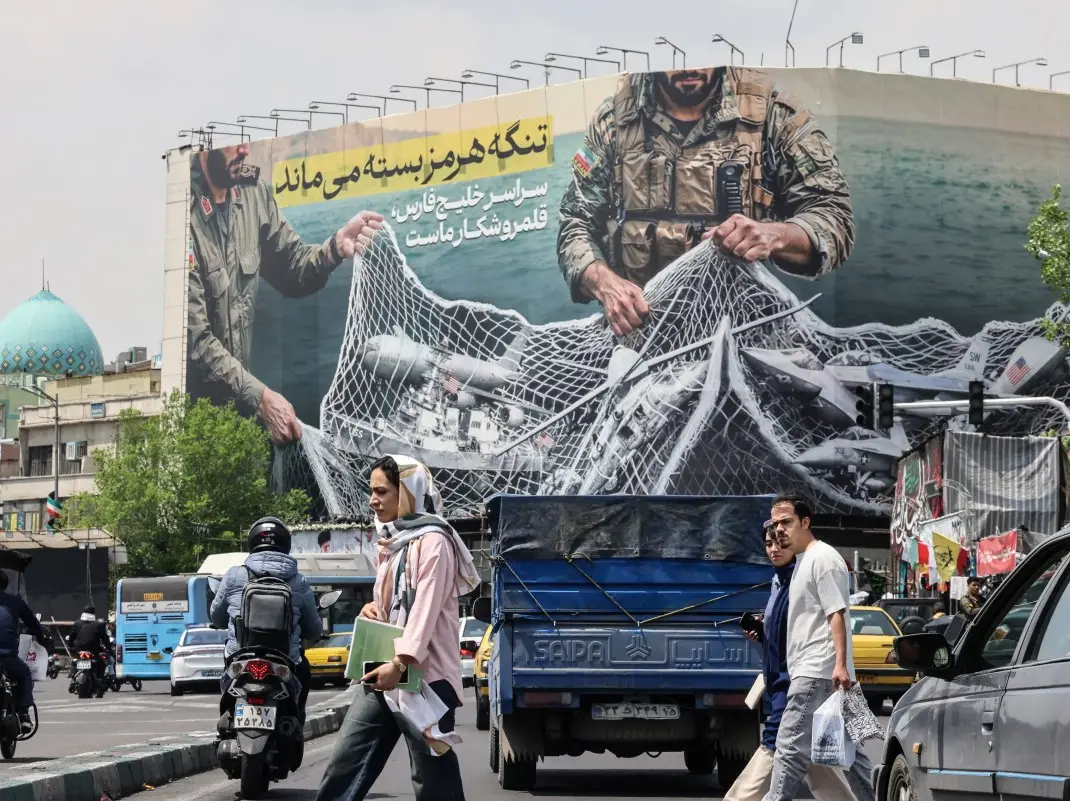
Iran has reportedly presented a new diplomatic proposal to the United States aimed at de-escalating the ongoing conflict, according to three Iranian officials familiar with the talks. The plan centers on opening the Strait of Hormuz and lifting the US sea blockade on Iran, with nuclear negotiations to be addressed at a later stage.
Iran’s foreign minister, Abbas Araghchi, delivered the updated proposal to Pakistan on Sunday (April 26), following an earlier offer that was rejected by President Donald Trump, according to officials involved in the discussions. Trump is expected to hold a meeting to review the latest Iranian proposal.
“They have achieved none of their goals, and this is why they are asking for negotiations; we are now considering it,” Araghchi said to a Russian reporter on Monday, according to a video of the interview. He was in Russia for talks with President Vladimir Putin and Foreign Minister Sergey Lavrov. The White House did not directly comment on the proposal. “These are sensitive diplomatic discussions, and the US will not negotiate through the press,” said Olivia Wales, a White House spokeswoman. “As the President has said, the United States holds the cards and will only make a deal that puts the American people first, never allowing Iran to have a nuclear weapon.”

Iran’s revised offer follows weeks of stalled negotiations over its nuclear program. The United States has demanded a long-term suspension of enrichment and transfer of Iran’s enriched uranium stockpile, while Iran has rejected those terms as excessive. Earlier, Iran proposed a temporary five-year suspension of enrichment, followed by limited civilian activity under strict monitoring. It also suggested diluting and redistributing its uranium stockpile under international supervision, including transferring part to Russia. However, the US rejected the proposal, with Trump saying it was ‘not good enough’.
Iran’s latest approach shifts strategy by prioritising maritime and economic issues first. According to analysts, the idea is to address the Strait of Hormuz dispute before nuclear negotiations. “This is a face-saving change in sequencing: put Hormuz first as part of war-ending arrangements, not formal negotiations, lift the blockade, and defer the harder issues so they don’t sink the process at the outset,” said Ali Vaez of the International Crisis Group. Iranian officials said senior Islamic Revolutionary Guard Corps commanders are currently overseeing key wartime decisions, as the country’s leadership structure has shifted amid the conflict.
Trending Stories
Meanwhile, 261 Iranian lawmakers issued a statement supporting the negotiating team, signaling rare political unity, though a small hard-line faction opposed any concessions. The proposal also includes plans to monetize the Strait of Hormuz by charging shipping fees or tolls once reopened. Some Iranian officials have suggested charges of up to $2 million per vessel, though Gulf states, including Oman, have opposed the idea.
Iranian officials say the country is facing increasing economic pressure due to the ongoing blockade and disrupted trade routes, which have affected food supplies and domestic production. While Tehran says it wants to return to negotiations, officials insist talks cannot proceed under the current blockade conditions. Trump is expected to review the proposal in a high-level meeting, while previous indirect talks scheduled through Pakistan were abruptly canceled. The situation remains tense as both sides explore potential diplomatic off-ramps amid ongoing military and economic pressure.
Disclaimer: WION takes utmost care to accurately and responsibly report ongoing conflicts in West Asia involving Israel, Iran, the US, Gulf nations, and non-state actors like Hezbollah, Hamas, Houthis, Islamic State, and others. Claims and counterclaims, disinformation and misinformation are being made online and offline. Given this context, WION cannot independently verify the authenticity of all statements, social media posts, photos, and videos.

