Iran says Hormuz reopening plan remains on table as Trump predicts quick war end

&imwidth=600&imheight=450&format=webp&quality=medium "Iran says Hormuz reopening plan remains on table as Trump predicts quick war end")
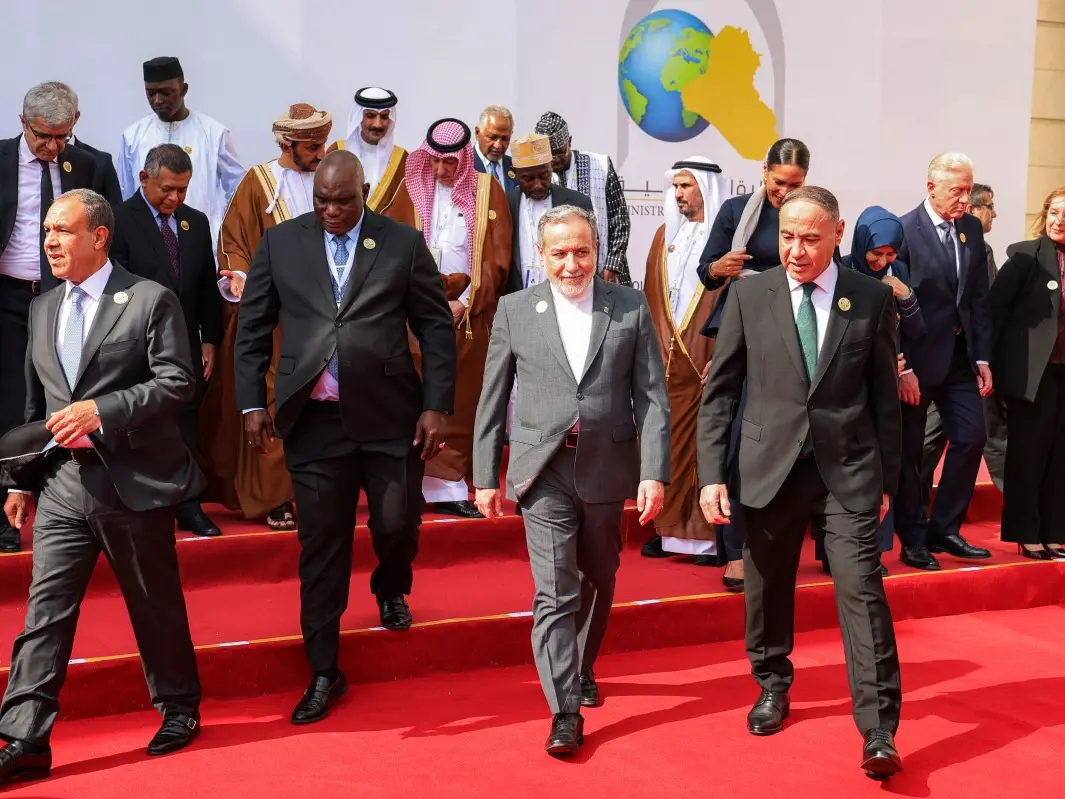
Egypt's Foreign Minister Badr Abdelatty, the Gambia's Foreign Minister Serign Modou Njie, Iran's Foreign Minister Abbas Araghchi, and Libya's acting Foreign Minister Taher Baour depart with other delegates after the family photo during the 52nd session of the Organisation of Islamic Cooperation (OIC) Council of Foreign Ministers in Baghdad on October 17, Photograph: (AFP)
Iranian Foreign Minister Abbas Araghchi says Tehran's seven-day plan to reopen the Strait of Hormuz remains on the table as Donald Trump predicts the war will end soon.
Iranian Foreign Minister Abbas Araghchi said Saturday that Tehran's seven-day plan to reopen the Strait of Hormuz is still on the table, and that Iran remains ready to talk if Washington meets its conditions. Speaking at a ministerial meeting of the Organisation of Islamic Cooperation, Araghchi said the plan, passed to the United States through Qatar, would see the strait reopen on the sixth day and negotiations resume on the seventh.
“Iran’s position is clear and has been presented to the US side in the form of a seven-day plan. The US side has put forward its views, which we are currently reviewing,” Araghchi said, as reported by Press TV.
“If there were any real sincerity on the US side—which there isn't—the way forward would be clear. If the US meets those conditions, the Strait of Hormuz will reopen on the sixth day, and negotiations will resume on the seventh day,” he added.
He said Iran does not accept coercion, threats or intimidation, but is ready for dialogue based on mutual respect and credible guarantees. Araghchi said Iran is committed to safe navigation, that the waterway was open before the US and Israel attacked Iran in February, and that disruptions to shipping stem from their "aggressive actions." He said Iran has never attacked its neighbours. Deputy Foreign Minister Saeed Khatibzadeh added that ending hostilities on all fronts, including Lebanon, is essential for lasting peace.
Both Washington and Tehran have said they want a deal, but they differ on terms and on who is responsible for the stalemate. Iran has repeatedly offered a seven-day plan under which the Strait of Hormuz would reopen if the US lifts its naval blockade, waives oil sanctions and observes a ceasefire that includes Lebanon, and Foreign Minister Abbas Araghchi says these steps were already agreed in the June memorandum. The US has said it sees "productive discussions" and wants a deal, but President Trump has called Iran's terms unacceptable, kept the blockade in place, and said any agreement must include the full reopening of the strait and an end to Iran's nuclear threat.
Trending Stories
&imwidth=280&imheight=210&format=webp&quality=medium)
&imwidth=280&imheight=210&format=webp&quality=medium)
&imwidth=280&imheight=210&format=webp&quality=medium)
&imwidth=280&imheight=210&format=webp&quality=medium)
&imwidth=280&imheight=210&format=webp&quality=medium)
&imwidth=280&imheight=210&format=webp&quality=medium)
&imwidth=280&imheight=210&format=webp&quality=medium)
&imwidth=280&imheight=210&format=webp&quality=medium)
&imwidth=280&imheight=210&format=webp&quality=medium)
&imwidth=280&imheight=210&format=webp&quality=medium)
&imwidth=280&imheight=210&format=webp&quality=medium)
&imwidth=280&imheight=210&format=webp&quality=medium)
&imwidth=280&imheight=210&format=webp&quality=medium)
&imwidth=280&imheight=210&format=webp&quality=medium)
&imwidth=280&imheight=210&format=webp&quality=medium)
&imwidth=280&imheight=210&format=webp&quality=medium)
&imwidth=280&imheight=210&format=webp&quality=medium)
&imwidth=280&imheight=210&format=webp&quality=medium)
&imwidth=280&imheight=210&format=webp&quality=medium)
&imwidth=280&imheight=210&format=webp&quality=medium)
&imwidth=280&imheight=210&format=webp&quality=medium)
&imwidth=280&imheight=210&format=webp&quality=medium)
&imwidth=280&imheight=210&format=webp&quality=medium)
&imwidth=280&imheight=210&format=webp&quality=medium)
&imwidth=280&imheight=210&format=webp&quality=medium)
&imwidth=280&imheight=210&format=webp&quality=medium)
&im=FitAndFill=(700,400)&imwidth=280&imheight=210&format=webp&quality=medium)
&imwidth=280&imheight=210&format=webp&quality=medium)
&imwidth=280&imheight=210&format=webp&quality=medium)
&imwidth=280&imheight=210&format=webp&quality=medium)
&imwidth=280&imheight=210&format=webp&quality=medium)
&imwidth=280&imheight=210&format=webp&quality=medium)
&imwidth=280&imheight=210&format=webp&quality=medium)
&imwidth=280&imheight=210&format=webp&quality=medium)
&imwidth=280&imheight=210&format=webp&quality=medium)
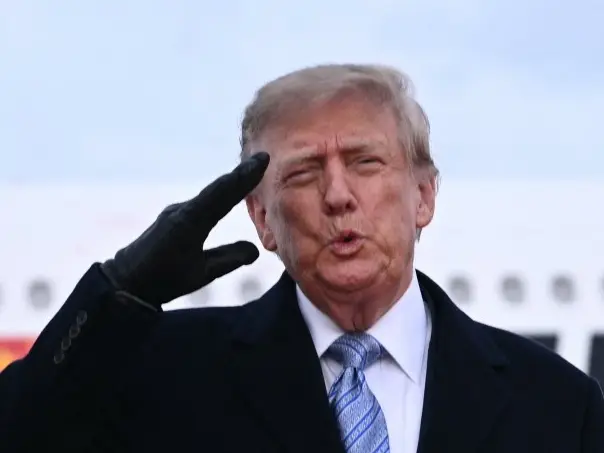
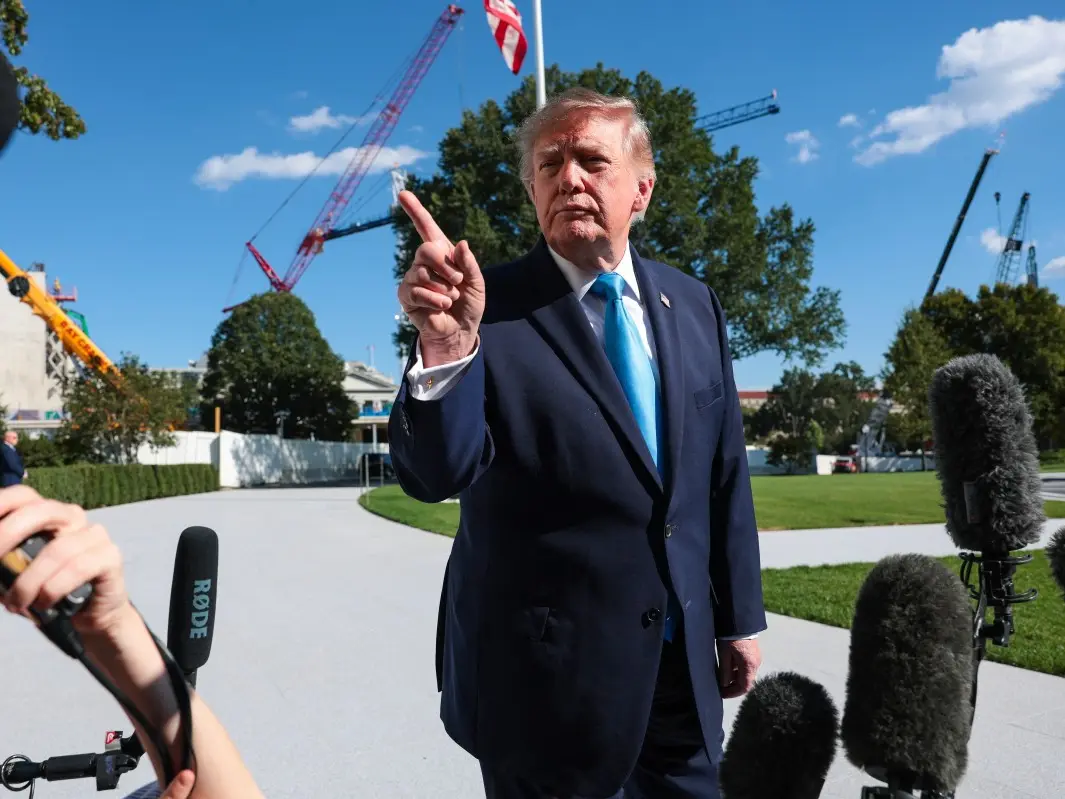
Meanwhile, US President Donald Trump, speaking at a Kentucky rally on Saturday, expressed confidence that the ongoing war with Iran would end “very quickly”, linking the conclusion of hostilities to lower energy prices for American consumers. He once again claimed that Iran "will never" have a nuclear weapon and argued that action should have been taken years earlier.