
&imwidth=800&imheight=600&format=webp&quality=medium "Iran gets 'top-secret Israeli files', then Tel Aviv strikes: Was Operation Rising Lion a cover-up to stop Israel's nuclear secrets from coming out?")
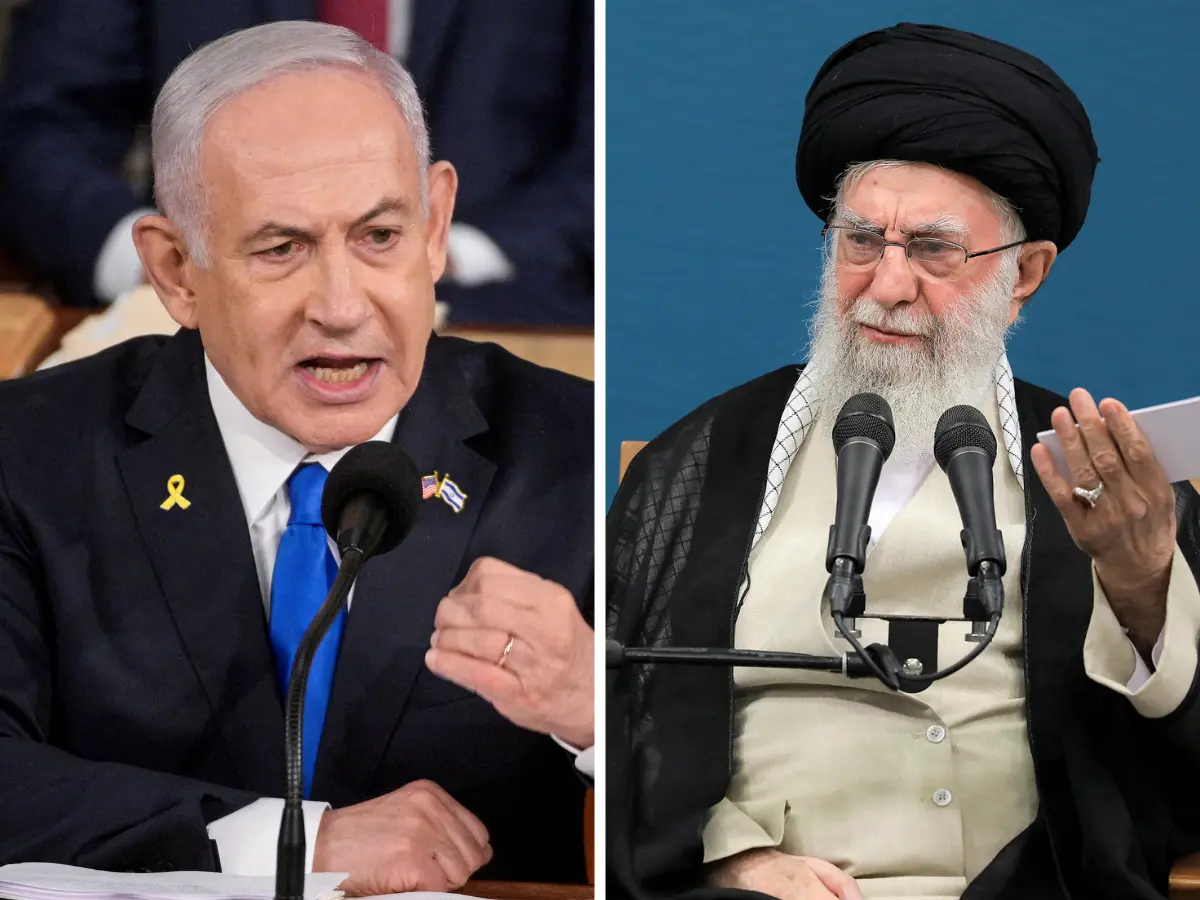
Israel’s large-scale military assault on Iran, one of the most significant escalations in the region in years, might have been triggered because of a reason beyond Iran's nuclear ambition: Preventing the leak of highly sensitive Israeli nuclear documents.
In a wave of airstrikes that began early Friday, Israel said it hit over 100 locations across Iran, including nuclear facilities and military installations. Tehran confirmed the deaths of top Iranian figures, including, Armed Forces Chief Mohammad Bagheri, Revolutionary Guards head Hossein Salami, and senior military adviser Ali Shamkhani.

Six scientists and multiple civilians, including children, were also killed, according to Iranian state media.
Iran says it holds sensitive Israeli nuclear documents
Just days before the Israeli strike, Iranian Intelligence Minister Esmail Khatib revealed that Tehran had obtained what he described as a “treasure trove” of classified Israeli documents. These allegedly cover Israel’s nuclear programme, foreign policy, and defence systems.
Trending Stories
)
US-China tech war: Businesses in the front line
&im=FitAndFill=(700,400))
New OTT releases this week (September 21-27, 2026): Shaque: Trust No One, Hunkkaar, Don’t Be Shy- 5 new titles coming to Netflix, Prime Video and more
)
Gravitas | Boosting NHS productivity could save 20,600 lives in UK annually: Report
&im=FitAndFill=(700,400))
National Film Awards 2026: Kartik Aaryan, Mammootty, Yami Gautam, Randeep Hooda and other key winners
)
Forget apps: Qualcomm CEO says AI agents will change how we use smartphones
)
Over 4,200 books withdrawn from circulation in J&K colleges, 94% from Kashmir
)
Trump calls on nations to quit ‘rogue’ and ‘out-of-control’ International Criminal Court, rips UN
)
WION Iconic Tourism Summit and Iconic Awards 2026: India's travel economy leaders gather in Delhi
)
Infections transmitted from pregnant woman linked to autism risk
)
Elephants hide behind trees, stage surprise attack on poachers targeting rhinos in South Africa
)
Bomb scare in New York amid UNGA: Suspicious suitcase found near UN headquarters
)
'Mumma’s boy from Gwalior who dared to dream': Kartik Aaryan pens long note after first National Award win
)
Trump signs Greenland security deal with Denmark, paving way for two new US military bases
)
Dolly Parton’s nephew Bryan Seaver accused of violent threats amid estate dispute; controversy explained
)
IIT Bombay professor Suryanarayana Doolla sent on leave amid Sahil Wakode death probe
)
Justice eludes Air India 1985 bombing victims as Canada probe goes 'inactive' | Gravitas
)
Anne Hathaway to run in supporting race for Nolan's epic
)
ICC plans T20I expansion and fewer ODIs in 2027–2031 FTP cycle: Report
)
'What kind of confession is this?': Pakistan PM Shehbaz Sharif’s 'terrorists would be roaming New York' remark goes viral, raises alarm online. Watch
)
Asia prepares for record El Nino, food shock
)
Trump revives India-Middle East-Europe economic corridor as India emerges central to West Asia’s future: What is it?
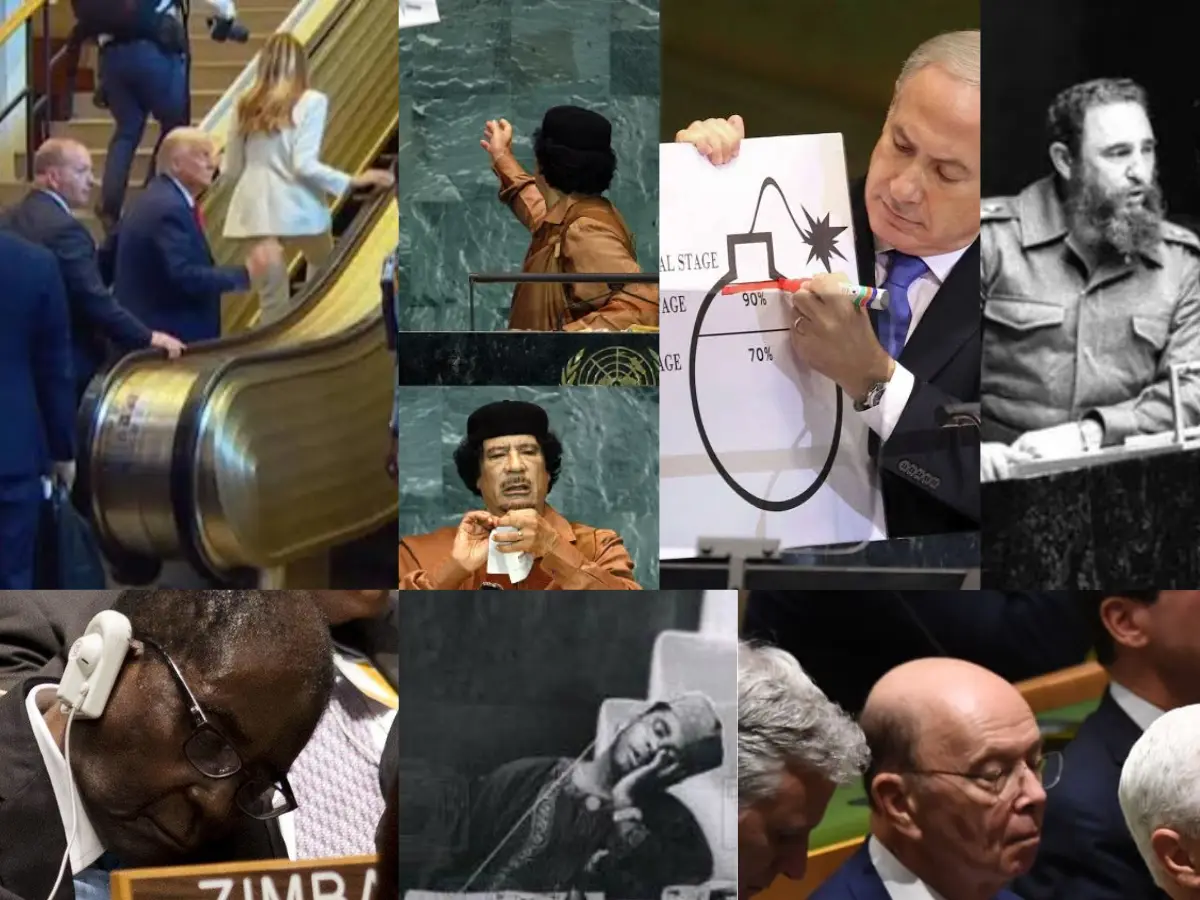)
From Gaddafi tearing up UN Charter to Trump’s ‘escalatorgate’: Most unforgettable UNGA moments
)
WION Iconic Tourism Summit and Awards 2026: Key voices to discuss India’s tourism future
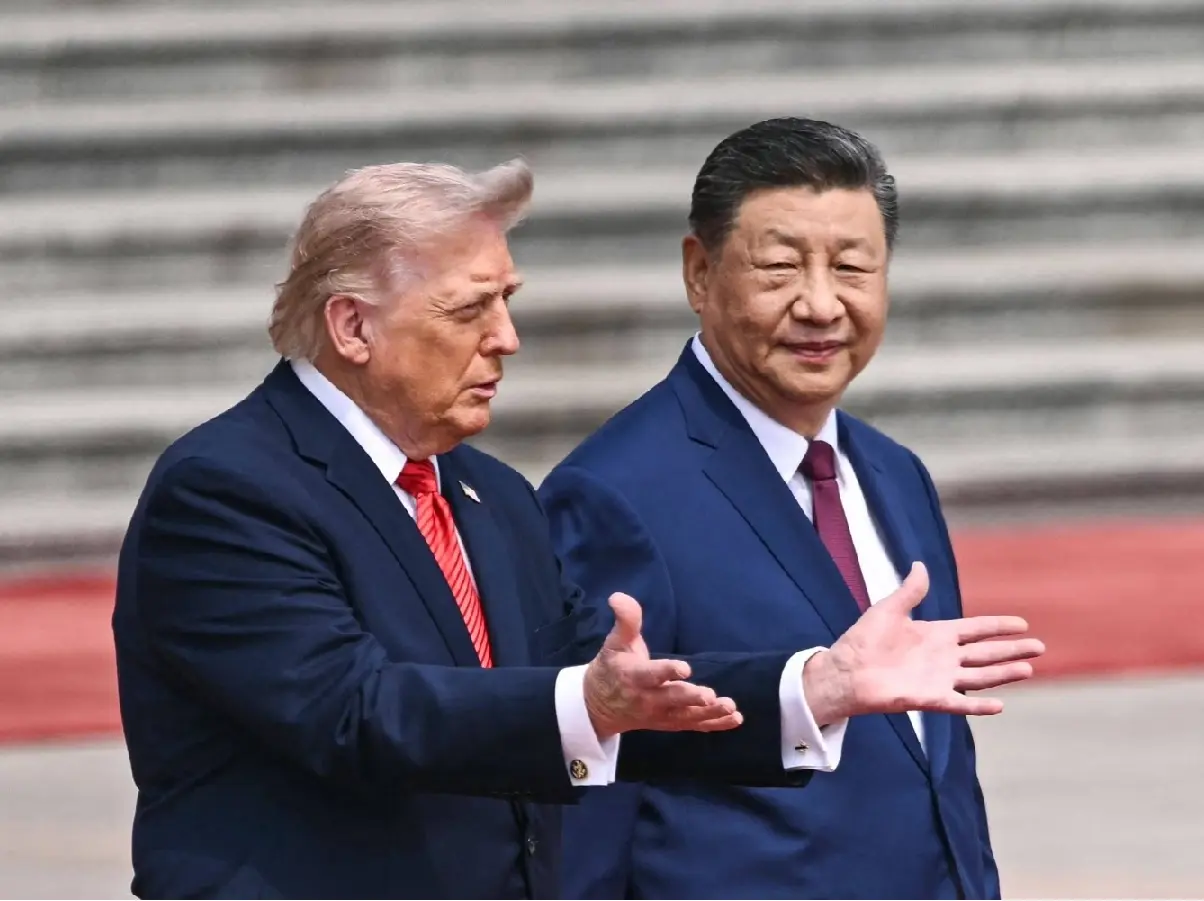)
Explainer: Why rare-earth export licences and Board of Trade are US priorities ahead of Trump-Xi summit
)
Yemen clashes kill 154 people in two days as cornered Saudi battles Houthi offensive | Gravitas
)
81st UN General Assembly: Burnham announces UK-US AI defence tie-up
)
US and China vie for AI dominance as calls grow for regulation | Gravitas
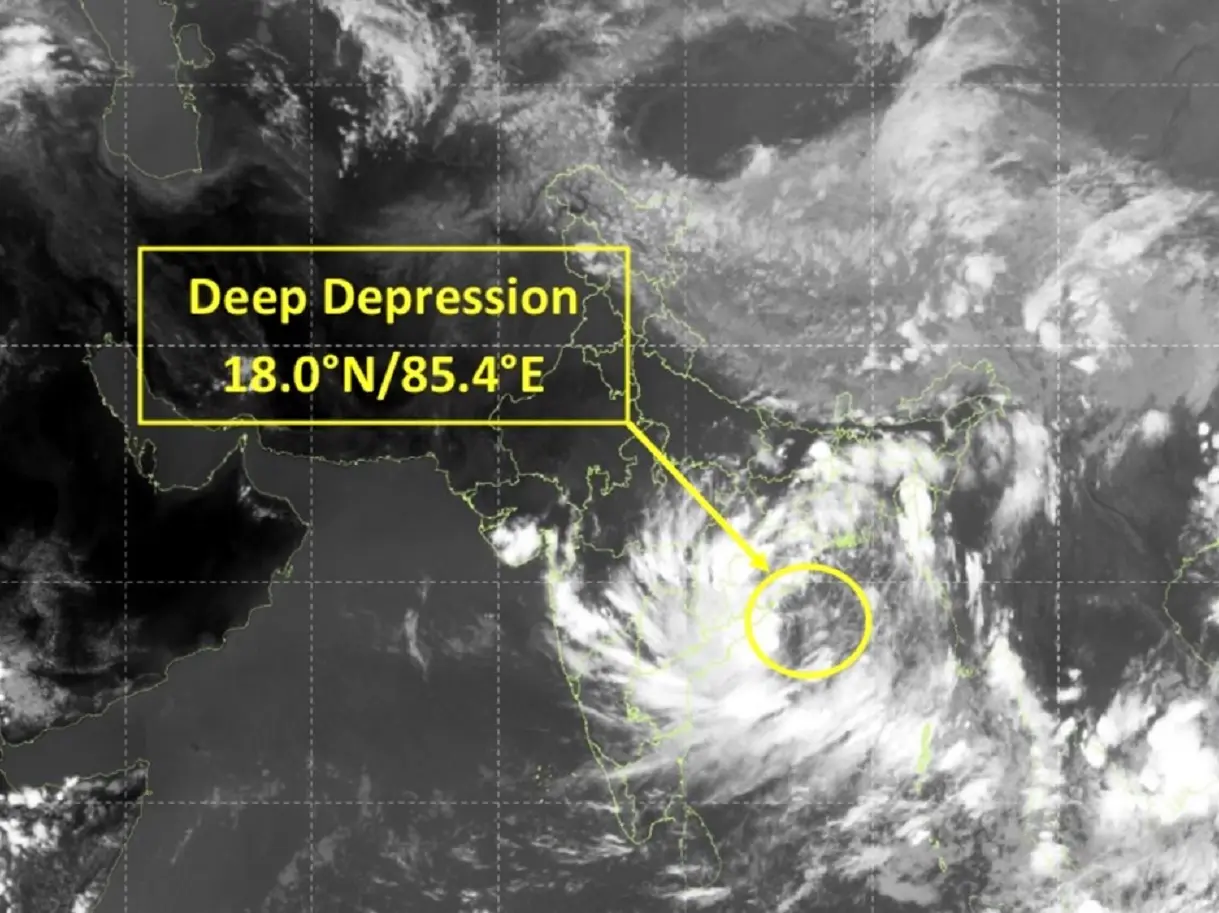)
Cyclone Arnab: Landfall expected before midnight tomorrow as IMD issues orange alerts across six states
)
IND vs JPN T20I: How an overturned wide became point of difference between India's win and a tie
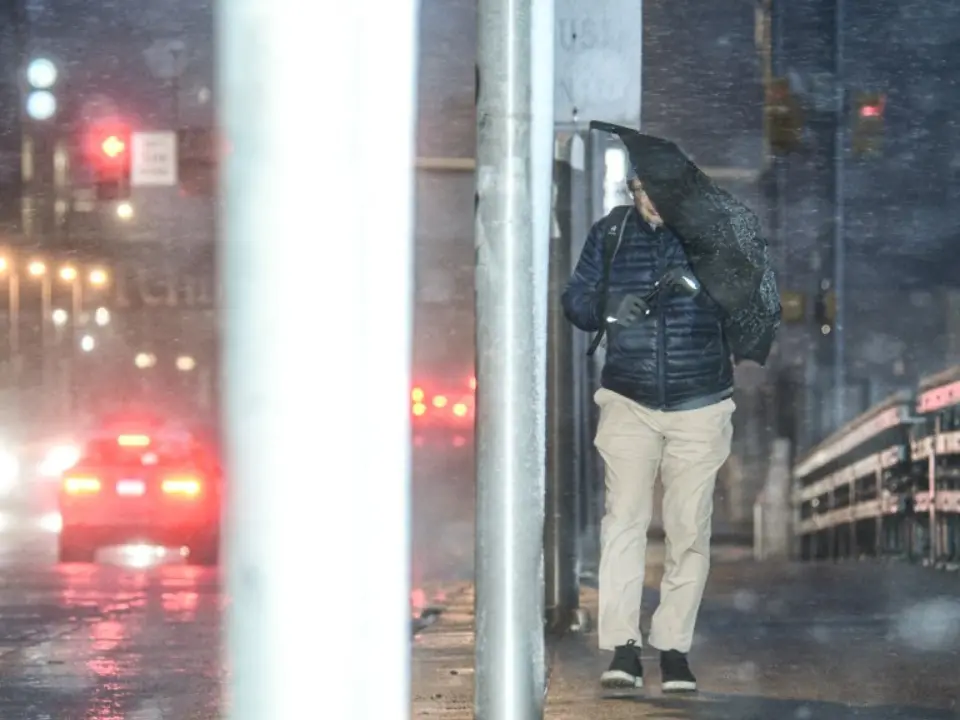)
Nor'easter could batter 13 US states this week. What you should know
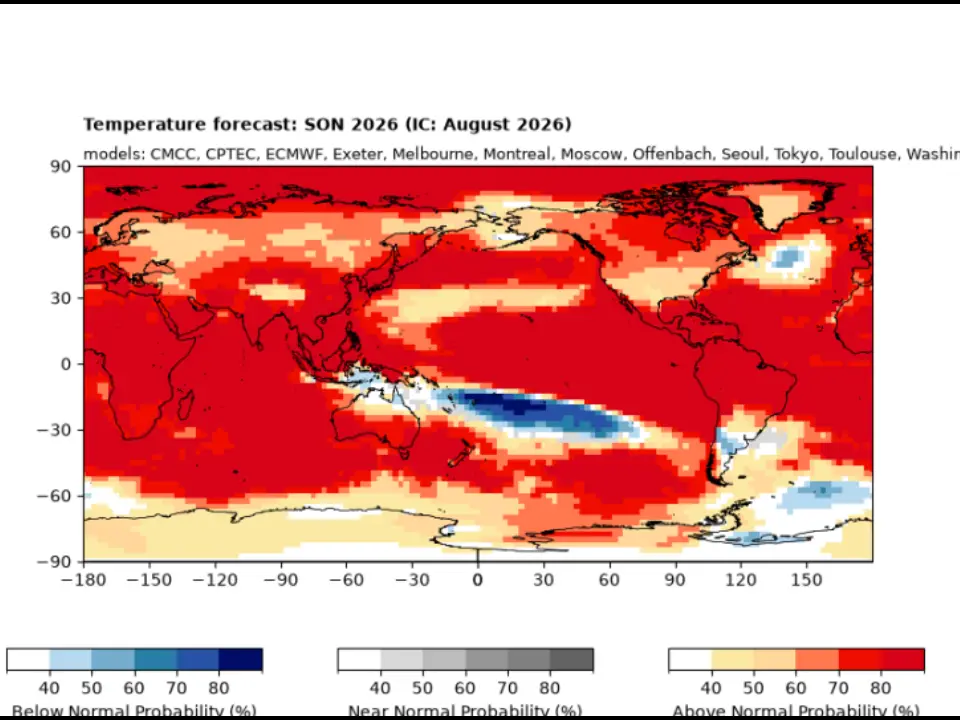)
El Niño 2026 heats up to become strongest in 1,000 years
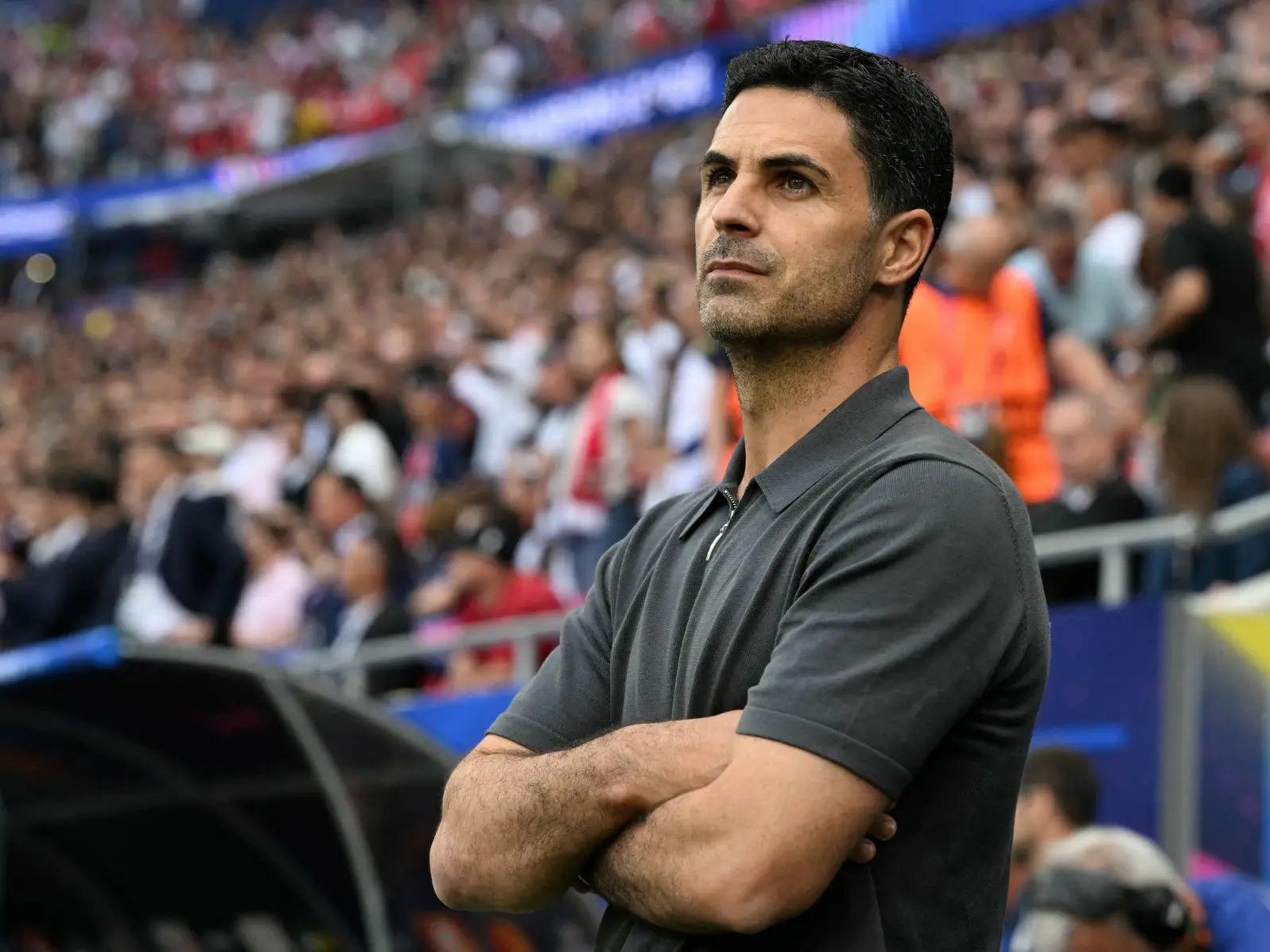)
Mikel Arteta verbally agrees to three-year extension with Arsenal after title-winning Premier League season
)
Erdogan again raises Kashmir issue at UNGA, calls for dialogue under UN Charter
)
IND vs JPN, one-off T20I: Japan captain Kendel on pushing India to the brink - ‘It was special’
)
Four female students raped during 'Red Zone' at California university. What we know
)
Oil slips to $98 as Saudi Arabia restarts East-West oil pipeline
“The transfer of this treasure trove was time-consuming and required security measures,” Khatib told Iranian state TV on Sunday, without offering immediate proof. He added, “Talking of thousands of documents would be an understatement.”
Khatib claimed the documents had already reached “secure locations” and that their publication was imminent.
The timing of Israel’s operation also coincides with the lead-up to US-Iran nuclear talks scheduled in Oman. Iranian officials accused the United States of being complicit in Israel’s actions, an accusation Washington denies.
US President Donald Trump, who has pushed Iran to make a deal on its nuclear programme, said in a recent post that Iran was being given a “second chance” after failing to respond to a 60-day ultimatum.
Israel’s ambassador to the UN defended the military operation, saying it was a “necessary action” in response to an evolving Iranian threat. Meanwhile, Iran has warned of “destructive consequences”.
Speculation over intent behind Israeli strike
While there is no official confirmation that Israel’s strike was a direct response to the alleged document leak, the coincidence has led to questions over whether the attack was pre-emptive, not just militarily, but also to prevent the potential release of sensitive information.
The International Atomic Energy Agency has acknowledged that the data Iran claims to possess “seems to refer” to Israel’s Soreq Nuclear Research Center, lending some weight to Tehran’s claims.
