Iran calls on Biden to 'unconditionally' lift US sanctions imposed by Donald Trump

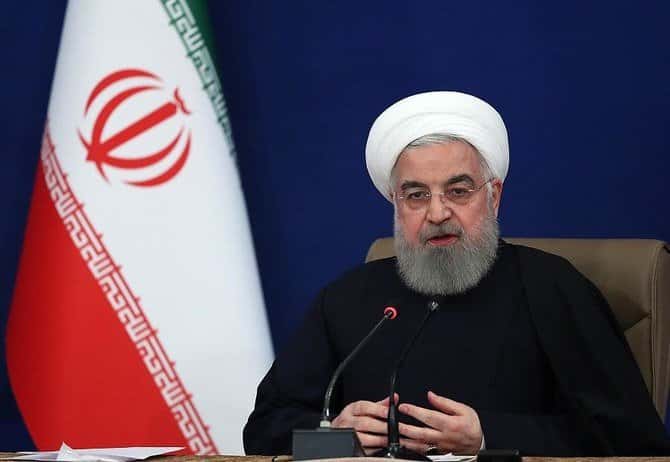
Rouhani
Iran on Friday called on the new US administration to "unconditionally" lift sanctions imposed by Donald Trump on the Islamic republic to salvage the 2015 nuclear deal, warning against any concessions.
Under Biden’s predecessor Donald Trump, Washington withdrew from the deal, designed to stop Iran developing a nuclear weapon - and bolstered sanctions in a bid to force Tehran into talks on a broader agreement that also addressed its ballistic missile program and support for proxies around the Middle East.
Biden, who took office on Wednesday, “can begin by removing all sanctions imposed since Trump assumed office and seek to re-enter and abide by the 2015 nuclear deal without altering its painstakingly negotiated terms,” Iranian Foreign Minister Mohammad Javad Zarif wrote inan op-ed in the US foreign policy magazine Foreign Affairs on Tehran's view towards saving the deal.

“In turn, Iran would reverse all the remedial measures it has taken in the wake of Trump’s withdrawal from the nuclear deal,” he said on Friday, adding that the “initiative squarely rests with Washington”.
Since Trump abandoned the deal in 2018, Iran has breached its key limits one after the other, building up its stockpile of low-enriched uranium, refining uranium to a higher level of purity and using advanced centrifuges for enrichment.
Biden has said that if Tehran resumed strict compliance with the 2015 agreement Washington would rejoin it.
&im=FitAndFill=(700,400))
National Handloom Day 2026: From Alia Bhatt to Samantha Ruth Prabhu; Actresses who celebrated India's textile heritage as brides
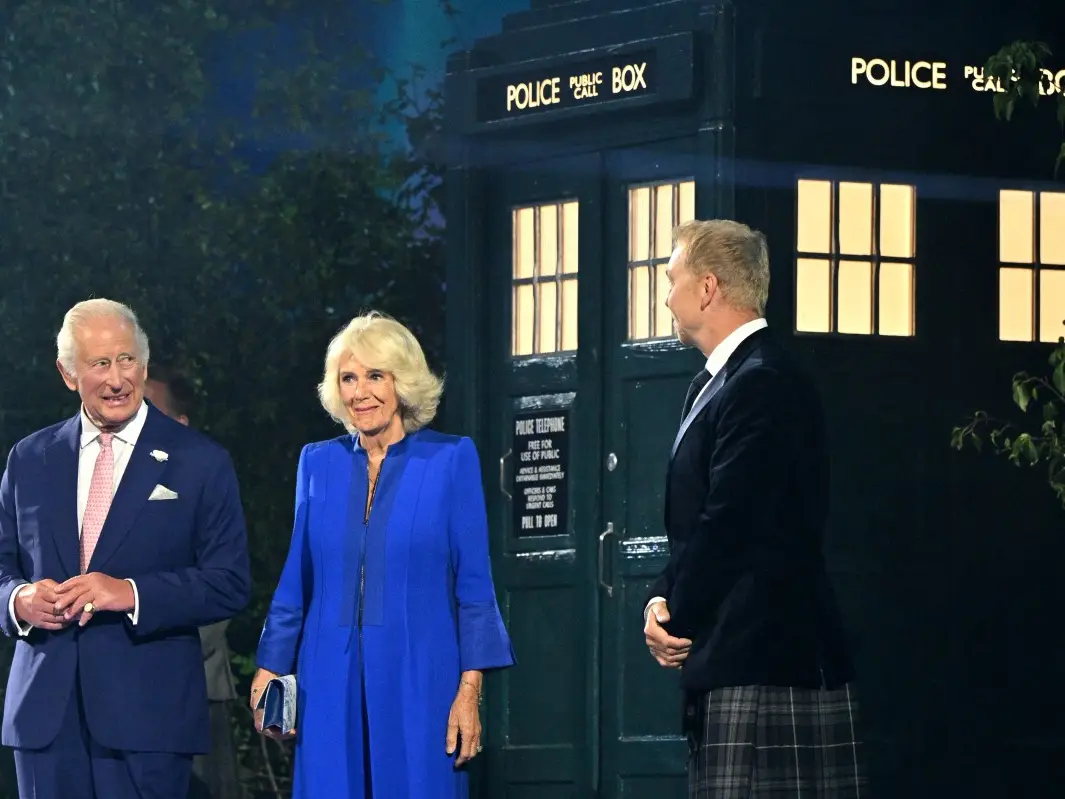)
The Royals enter the Doctor Who universe: King Charles and Queen Camilla beam into Commonwealth Games in TARDIS
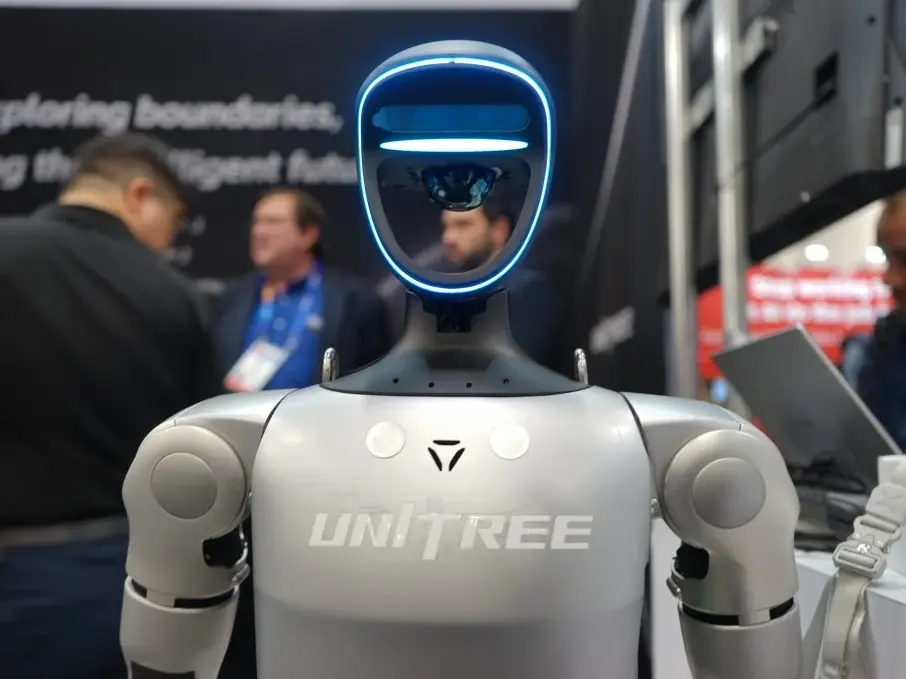)
Unitree Robotics targets $9 billion valuation in landmark IPO backed by DeepSeek and Tencent
)
India names 27 sites in Arunachal Pradesh
)
Bharat Bhhagya Viddhaata OTT: When will Kangana Ranaut's film stream online?
&im=FitAndFill=(700,400))
How many soldiers operate one S-400 battery?
)
Shakib Al Hasan ready to return to Bangladesh—under one condition
)
‘Fake news’: MEA rejects report claiming India sought defence pact with Israel after Pakistan, Saudi Arabia, Turkey deal
)
Rockstar to unveil GTA 6 extended look ahead of November launch
)
Russia forms Ukrainian Volunteer Spetsnaz Brigade to fight Ukraine
)
Drug-resistant fungus that hides in hair and enters bloodstream reported in 23 US states
)
Technology transfer deal boosts India's defence manufacturing ambitions
)
Border row erupts in Europe after Ceuta crossings, Spain imposes border controls on Italy
)
Morale plummets on USS Abraham Lincoln: Are US sailors reaching a breaking point? | GRAVITAS
)
'Security can't be bought with Pakistan, Turkey deal': Iran tells Saudi Arabia
)
Baba Vanga's 2026 prophecy: 2 predictions 'already came true', 3 terrifying ones remain. Details inside
)
Colombia’s new president Abelardo de la Espriella vows to ‘defeat narco-terrorists’, signals hardline shift
&im=FitAndFill=(700,400))
New Friday OTT releases (August 7, 2026): Operation Safed Sagar, Vadhandhi, Main Vaapis Aaunga- 6 movies and TV shows on Netflix, Prime Video and more
)
Squadron Leader Bhawana Kanth scripts history as Indian Air Force gets its first woman ‘Top Gun’ pilot
)
RSS says Gen Z protests reflect genuine distress
)
Trump says Iranian school bombing photos could be AI-generated - 'I don’t think...'
)
IAF officer held for sharing sensitive information in 'honey trap' case, booked under Official Secrets Act
)
Stray Kids under scrutiny? Fans react to Grammy submission silence after BTS boycott
&im=FitAndFill=(700,400))
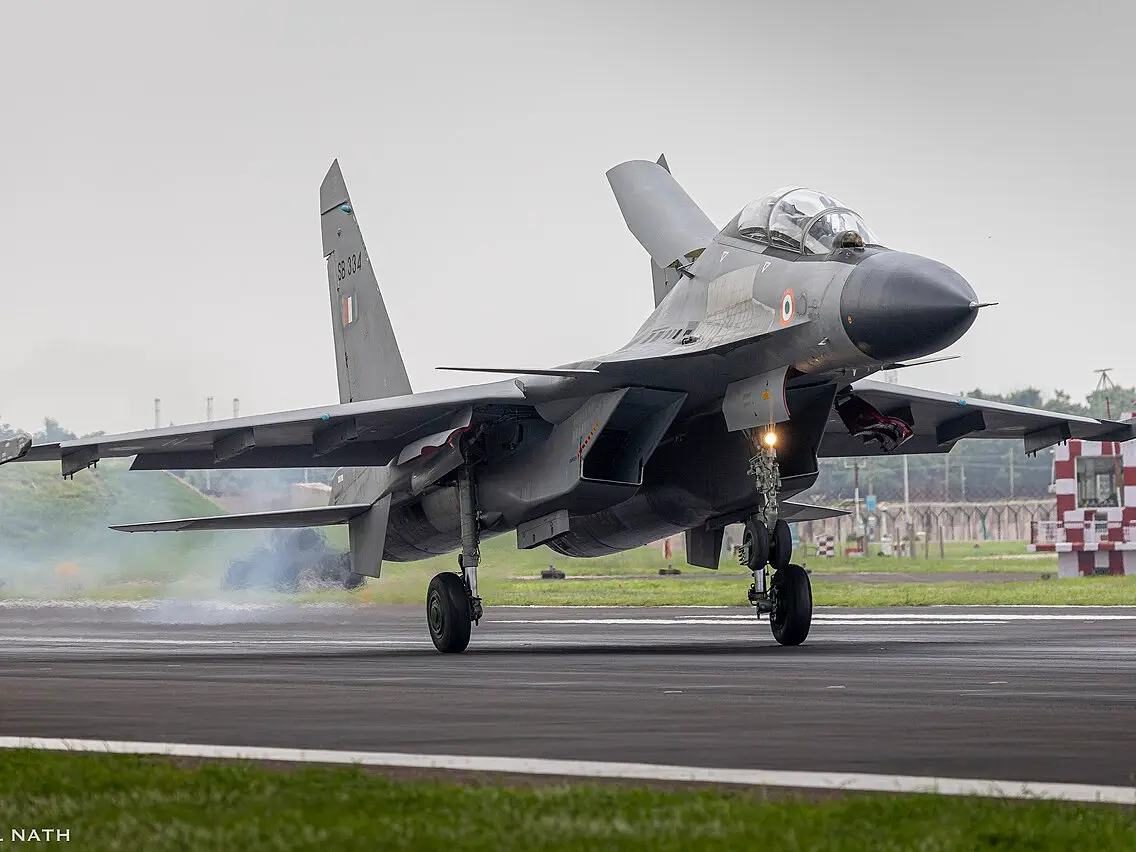
Why the Su-30MKI doesn't need external fuel tanks to fly vast distances
)
Jugal Hansraj reunites with Shekhar Kapur after 40 years for Masoom: The Next Generation
)
New speed limits, automatic challans: Big traffic change coming to Delhi-Meerut Expressway. All you need to know
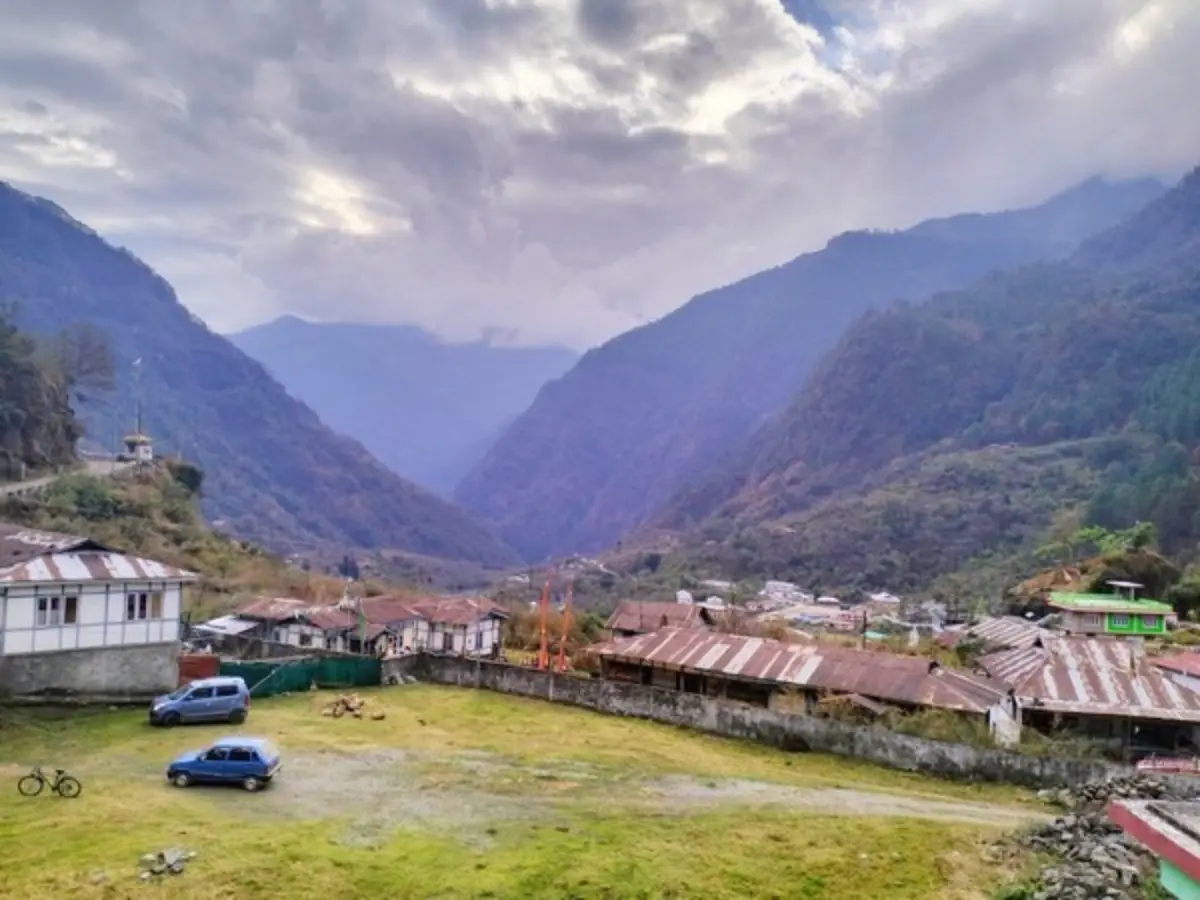)
India officially names 27 places in Arunachal to counter China's renaming claims
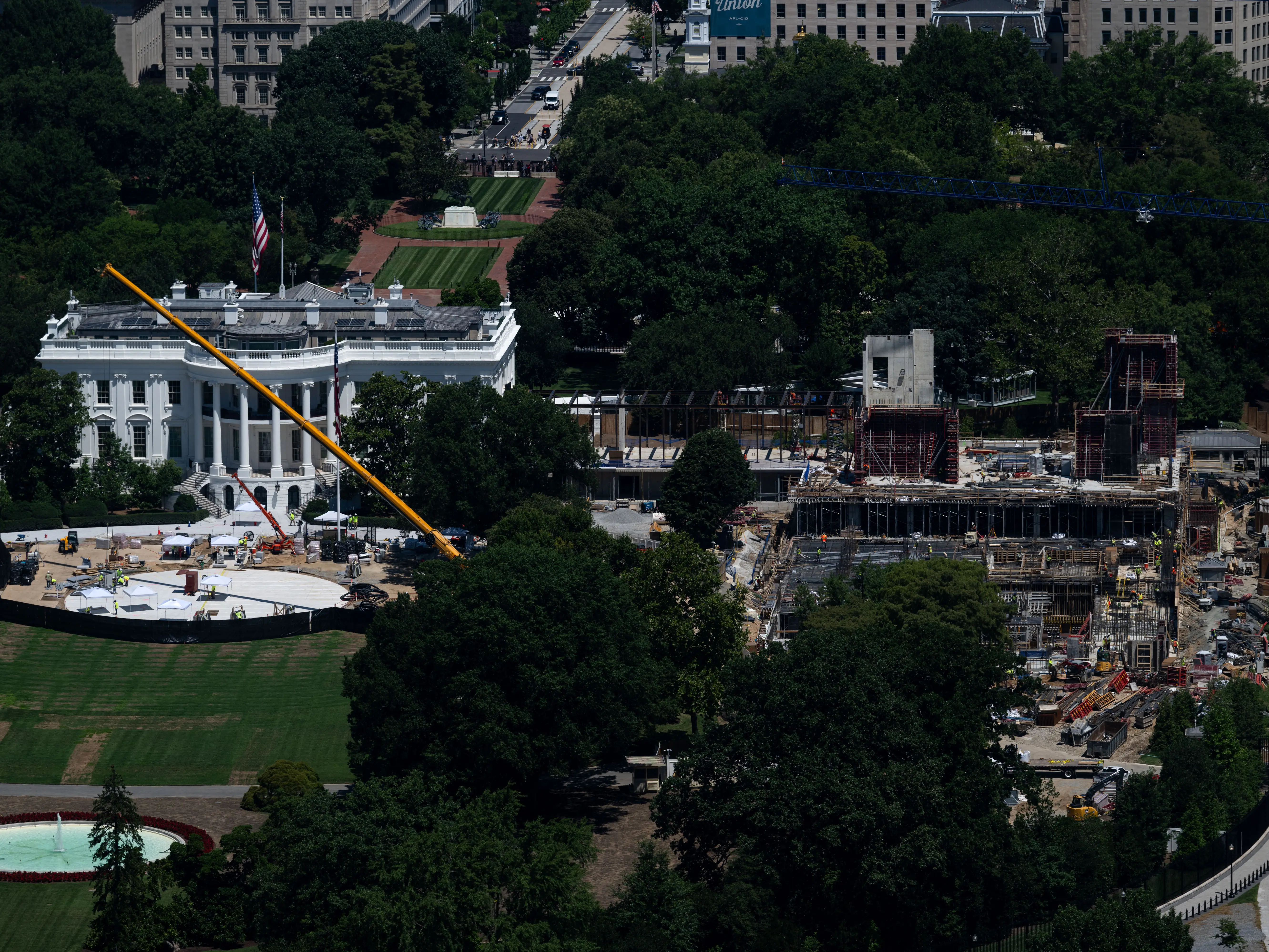)
Trump calls White House ballroom ruling a 'national disgrace' as court says Congress approval needed
)
US sanctions Iran’s crypto network after Strait of Hormuz attacks, offers $15m bounty for intel on IRGC finance
&im=FitAndFill=(700,400))
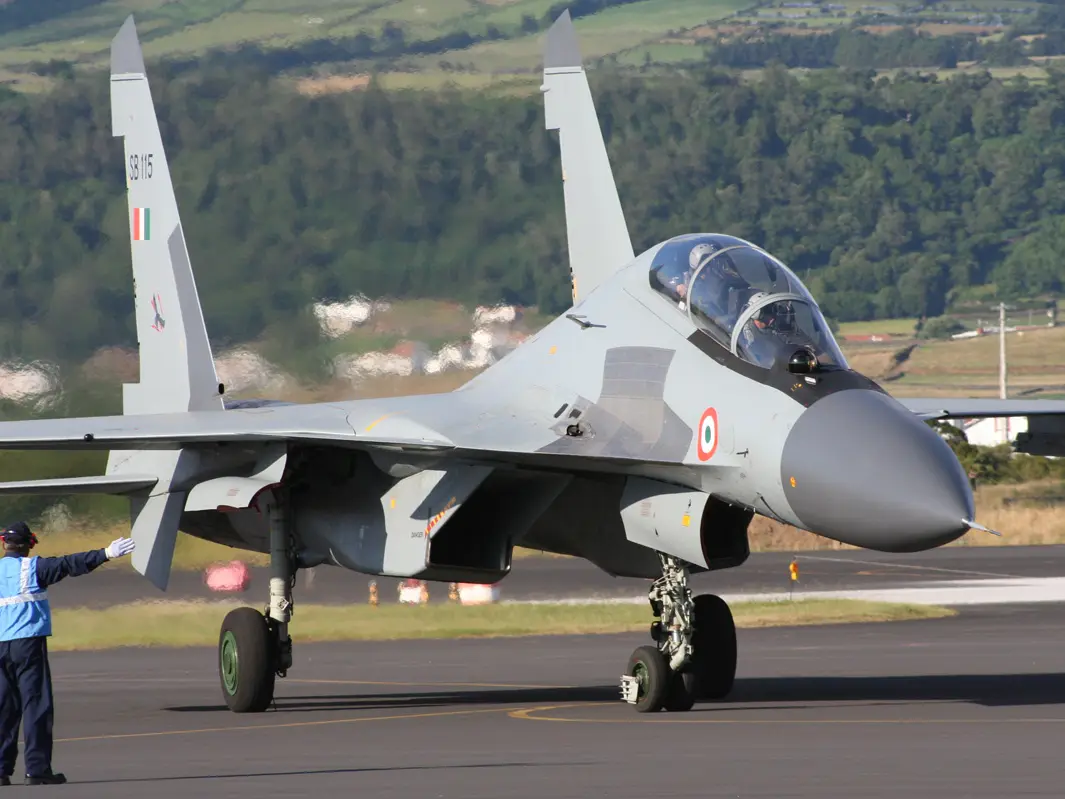
Why the Su-30MKI is one of the heaviest fighters ever built
)
Uttarakhand young innovator builds India's own flying vehicle, conducts first test flight: WATCH
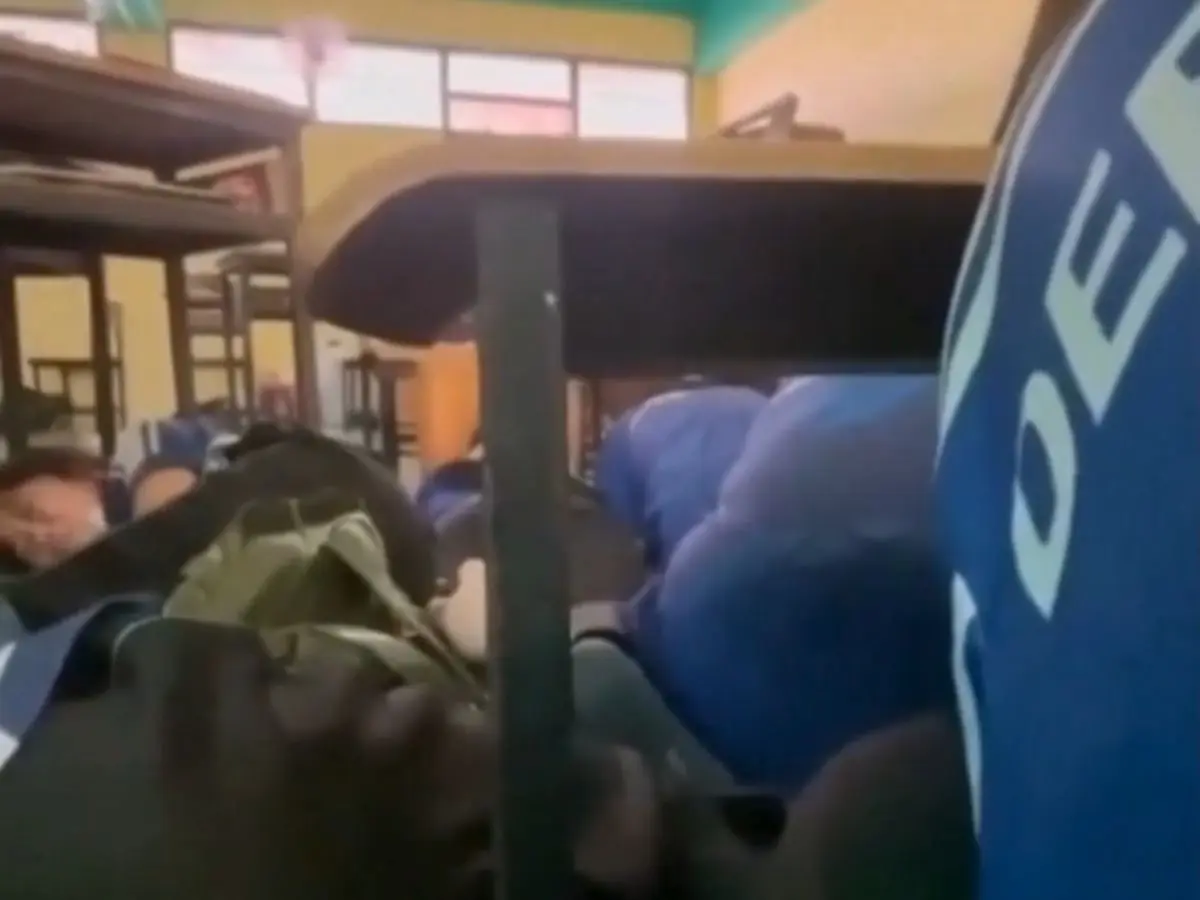)
Chilling video shows students take cover as teen opens fire at Thai school
)
Reese Witherspoon's father hospitalised after poolside incident in Nashville: Report
“But we would use that, as a platform with our allies and partners ..., to seek a longer and stronger agreement and also...to capture these other issues, particularly with regard to missiles and Iran’s destabilizing activities,” Antony Blinken, Biden’s choice for secretary of state, said on Tuesday.
Known as the Joint Comprehensive Plan of Action (JCPOA), the deal was agreed between Iran, the United States, China, Russia, Britain, France and Germany.
It offered sanctions relief in exchange for curbs on Tehran's nuclear ambitions and guarantees it would not seek an atomic bomb. Iran has maintained it has only pursued a civilian nuclear energy programme.
"The new administration in Washington has a fundamental choice to make," Zarif, who is considered one of the architects of the 2015 nuclear deal, wrote in the op-ed.
"It can embrace the failed policies of the Trump administration," or Biden "can choose a better path by ending Trump's failed policy of 'maximum pressure' and returning to the deal his predecessor abandoned," he added.
"But if Washington instead insists on extracting concessions, then this opportunity will be lost."
'Collective efforts'
The sanctions targeted Iran's vital oil sales and international banking ties, plunging its economy into a deep recession.
Since 2019, Iran has suspended its compliance with most of the limits set by the deal in response to Washington's abandonment of sanctions relief and what Tehran deemed as Europe's inaction to provide it with the JCPOA's economic benefits.
The Iranian government has signalled a readiness to engage with Biden, who took office on January 20 and who has expressed willingness to return to diplomacy with Tehran.
Biden's pick for secretary of state, Anthony Blinken, said at a Senate confirmation hearing Tuesday that Trump's policies had made Iran "more dangerous".
Blinken confirmed Biden's desire for Washington to return to the nuclear agreement but said that was conditional on Tehran's return to strict compliance with its commitments.
But Tehran has insisted that Washington must first lift all sanctions and return to its own JCPOA obligations.
"The incoming Biden administration can still salvage the nuclear agreement, but only if it can muster the genuine political will in Washington to demonstrate that the United States is ready to be a real partner in collective efforts," Zarif wrote.
"The administration should begin by unconditionally removing, with full effect, all sanctions imposed, reimposed, or relabeled since Trump took office," he added.
"In turn, Iran would reverse all the remedial measures it has taken in the wake of Trump’s withdrawal from the nuclear deal."
'Revenge' tweet
Iran has maintained it would return to full compliance with the deal if sanctions were lifted and it could benefit from the economic relief it expected under the JCPOA.
Biden, along with Paris and Berlin, have expressed a desire to negotiate more broadly with Iran, notably on its missile programme and regional influence.
In his op-ed, Zarif indicated Iran was not open to further negotiations, made clear in the title of the op-ed: "Iran wants the nuclear deal it made. Don't ask Tehran to meet new demands."
"Iranians are running out of patience," Zarif wrote, as evidenced by legislation the country's parliament passed in December requiring Tehran "to boost uranium enrichment and limit UN (International Atomic Energy Agency) inspections if sanctions are not removed by February".
In a sign that tensions between Iran and the US remain high, a Twitter account linked to supreme leader Ayatollah Ali Khamenei posted on Thursday a tweet vowing vengeance for the death of storied foreign operations chief General Qasem Soleimani and his Iraqi lieutenant, Abu Mahdi al-Muhandis, who were killed in a 2020 drone strike in Iraq ordered by Trump.
"Revenge is inevitable. Soleimani's killer and the man who gave the orders must face vengeance," it said, accompanied by a photomontage of Trump playing golf under the shadow of a warplane.
"Revenge can take place at any moment."
Twitter later suspended the account, saying it had violated its rules.