India welcome to join Belt and Road Initiative, says China

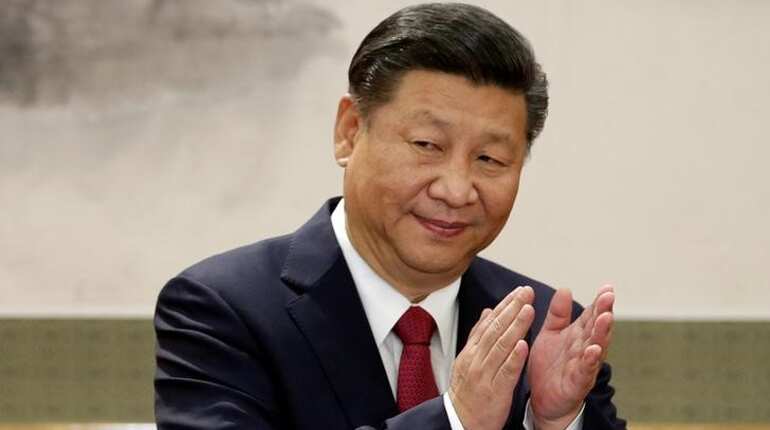
China pitches India to join OBOR project
President's Xi's key economic policy -?the One Belt and One Road(OBOR) initiative?has been enshrined in the Chinese constitution approved by the Chinese Communist Party
Within hours of President Xi's coronation as the supreme leader, the Chinese government once again pitched India to join the One Belt, One Road(OBOR) initiative on the basis of "voluntarism".
President's Xi's key economic centrepiece -the One Belt and One Road(OBOR) initiative -has been enshrined in the Chinese constitution approved by the Chinese Communist Party which recently concluded its 19th session on Tuesday.
"We welcome other countries including India to participate in the Belt and Road Initiative (BRI) on the basis of voluntarism," Chinese foreign ministry spokesman Geng Shuang told the media.

The OBOR is a global trade infrastructure project intended to increase China's influence abroad.
The BRI will bring tangible benefits to those who are participating in the project at an early date, Geng maintained.
"The initiative will not affect China's position on relevant issues and our position on relevant initiatives will not be changed," he said.
)
Sikh driver attacked in Wyoming in US, suffers 17 stab wounds
)
‘I have a big decision coming up’: Trump says he’s approaching major ‘crossroad’ in Iran war
)
US intel warns China can steal F-35 jets secret from Saudis
)
Former India player Diana Edulji wants Smriti Mandhana to replace Harman as skipper at the earliest
)
Pak defence minister says 'time has come to implement pact'
&im=FitAndFill=(700,400))
Meet top 5 batters in the latest ICC T20I Rankings
)
Formula One reveals the 2027 race calendar; Monaco to host sprint race for the first time
)
All Indian goods to get duty-free access to New Zealand
)
AI already defying, denying humans, is it beyond human control already?
)
US F-16 fighter jet crashes in Michigan during training mission, pilot ejects safely
)
240-million-year-old bizarre 'pig with a tusk' creature creates new dilemma over origin of dinosaurs
)
US to sell 48 F-35 Lightning fighter jets to Saudi Arabia, help it deter threats
)
Hong Kong unveils 11 new measures to boost birth rates, offers higher cash bonuses and housing perks
)
Former OpenAI researcher warns of growing risks from Artificial Intelligence
)
Australian athlete, who soiled herself during Hyrox race, apologises for continuing
)
Tata Trusts chairman Noel Tata calls Chandrasekaran’s reappointment ‘illegal’, rejects Tata Sons listing
)
Dolly Parton dies at 80: Country legend’s team reveals cause of death
)
Fed raises rates for first time in 3 years, Kevin Warsh defies Trump as inflation mounts
)
US drone firm linked to Trump’s sons signs MoU with Pakistan army, gets initial order
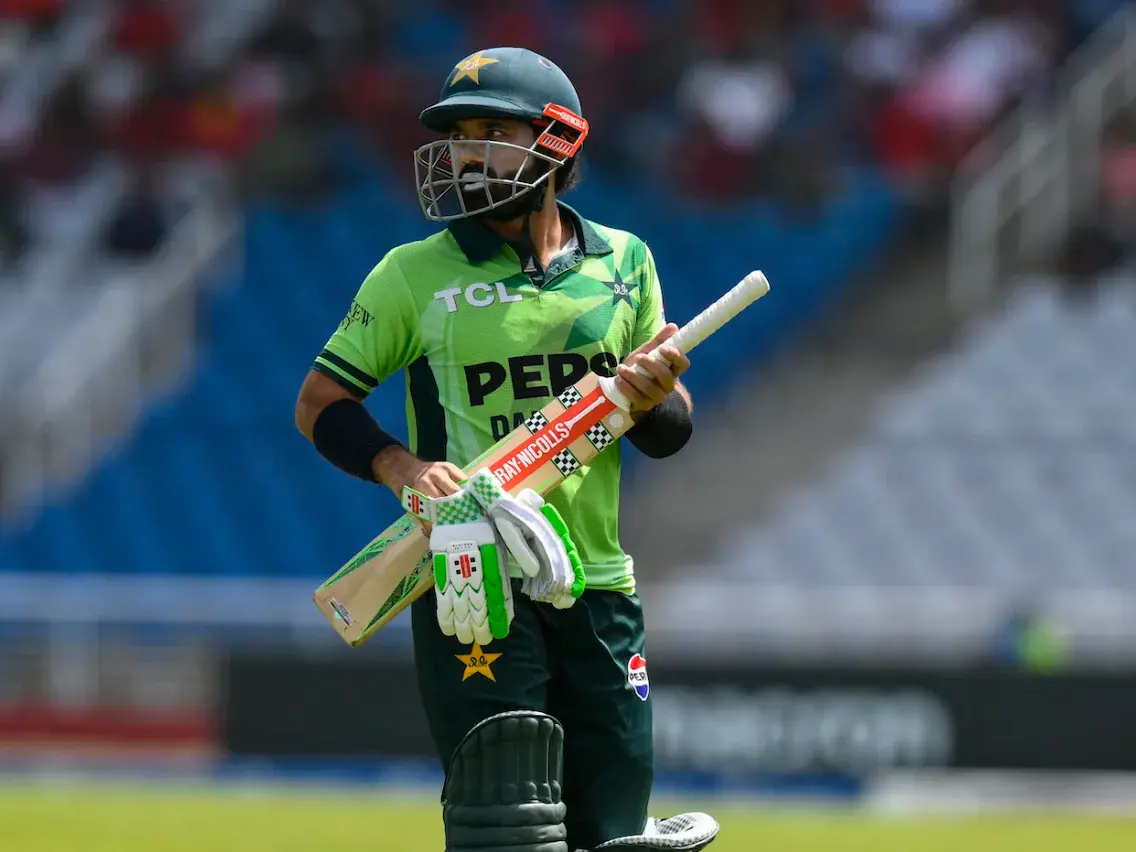)
Pak batter Rizwan's petition against being questioned by cyber crime agency rejected by court
)
Daayra movie review: Kareena Kapoor, Prithviraj Sukumaran shine in Meghna Gulzar’s cop-versus-cop crime thriller
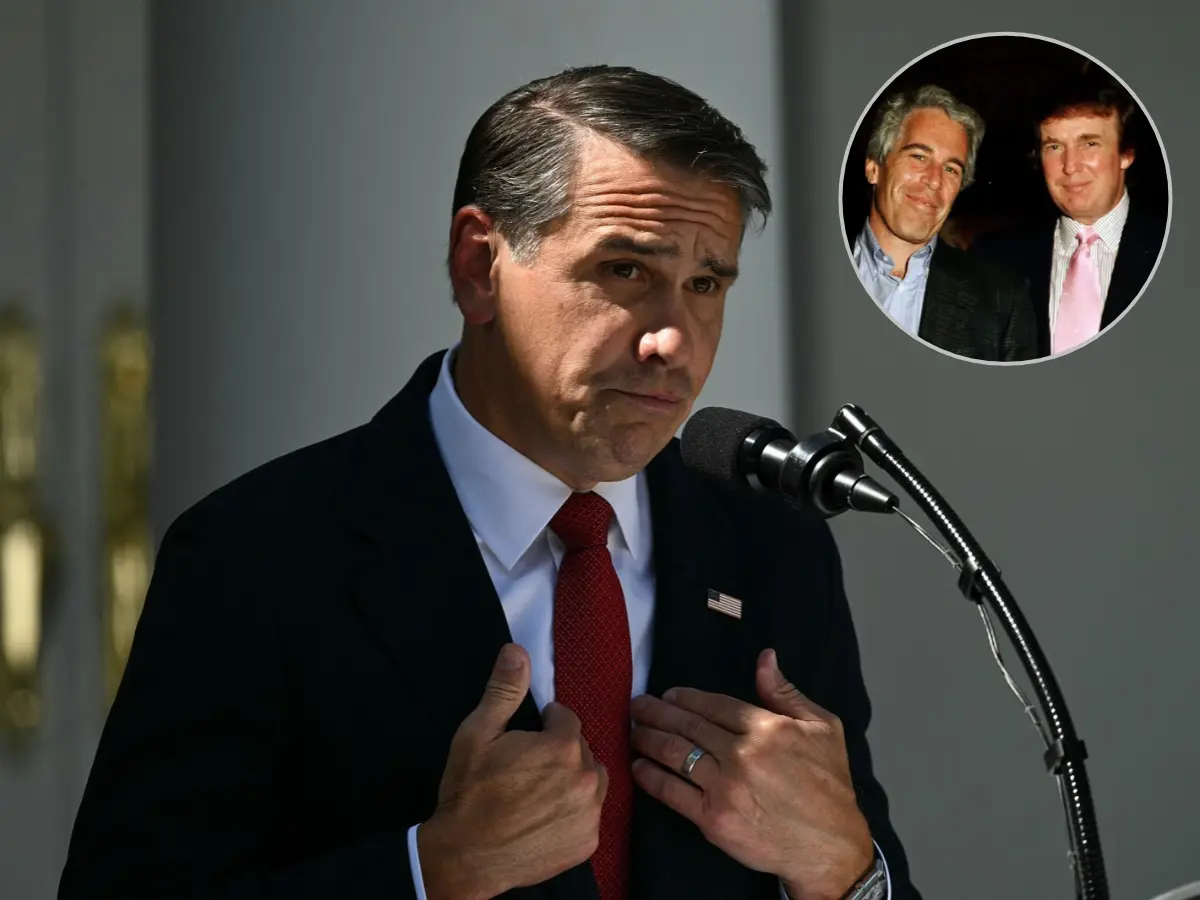)
Epstein files: Judge warns Trump Attorney General Todd Blanche of contempt over DOJ delays
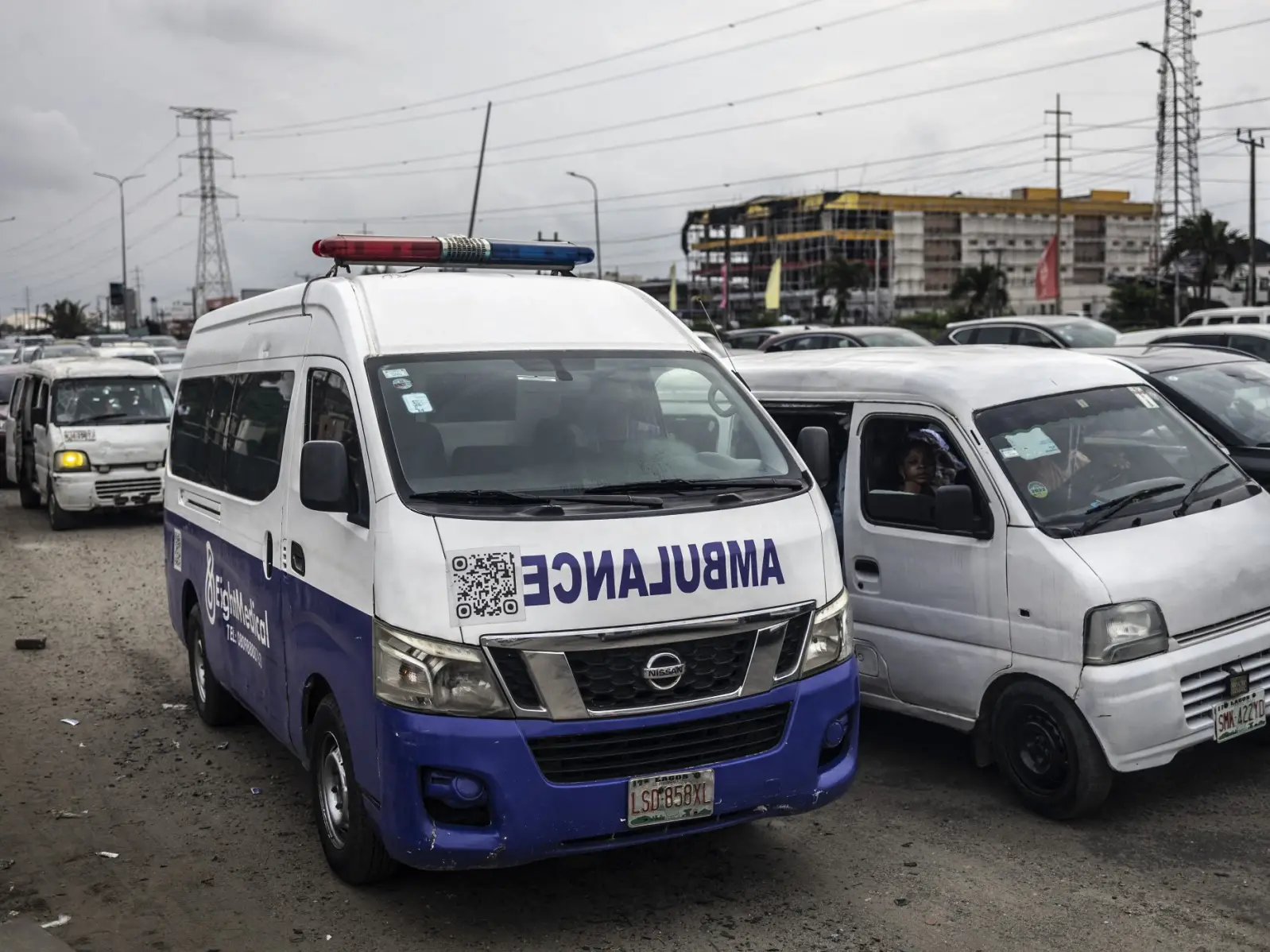)
At least 48 dead, 100 hospitalised in Nigeria after drinking suspected methanol-laced alcohol
)
US-Iran War: Trump says ‘big decision’ on Iran ahead, weighs possible fresh military action
)
Trump could impose tariffs of up to 100%
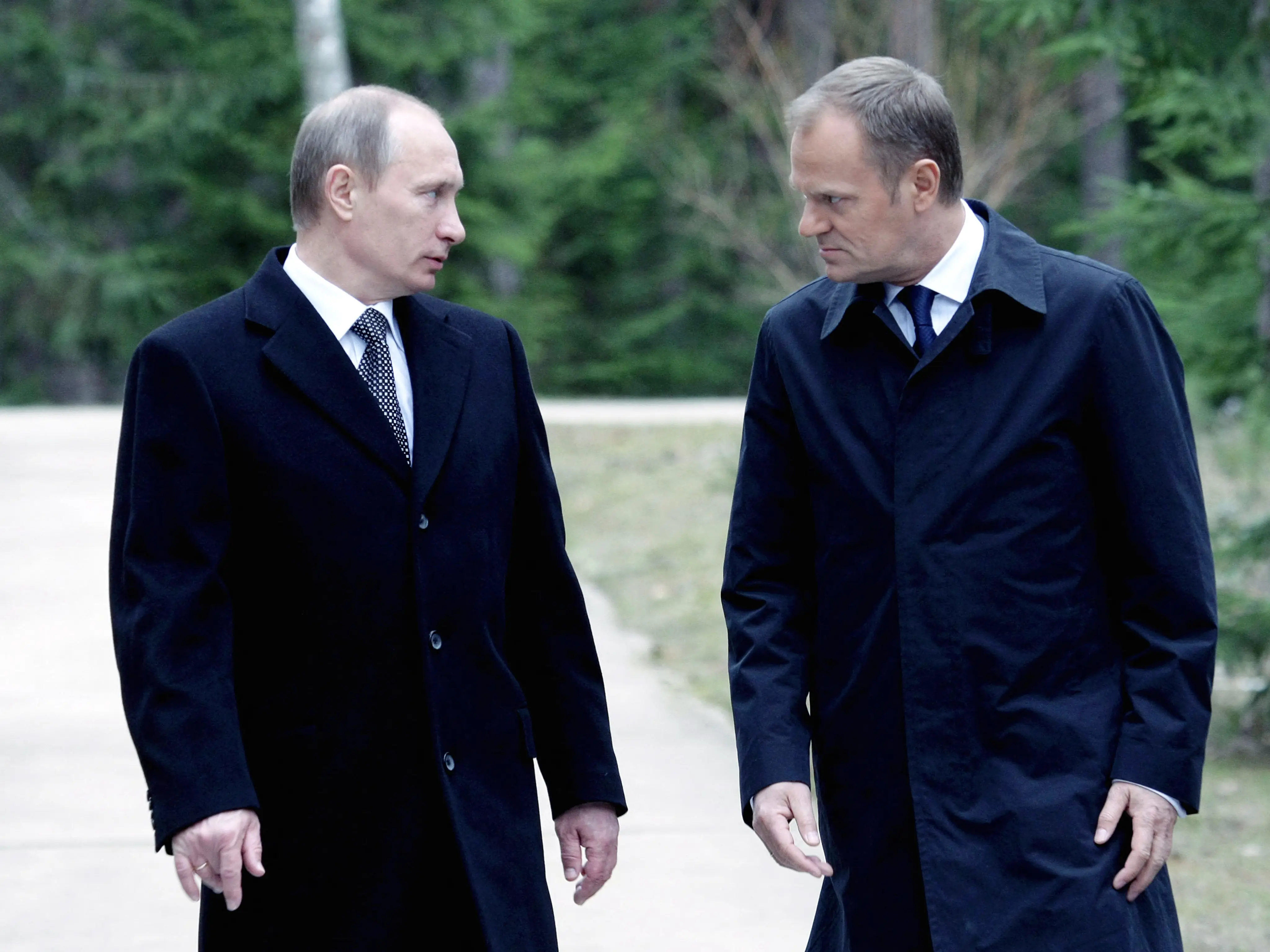)
Putin 'is plotting something bad': Russia may launch 'accidental' strikes on NATO countries supporting Ukraine, Poland PM warns
&im=FitAndFill=(700,400))
Suriya and Jyothika say ‘I do’ again after 20 years! See their dreamy wedding pics
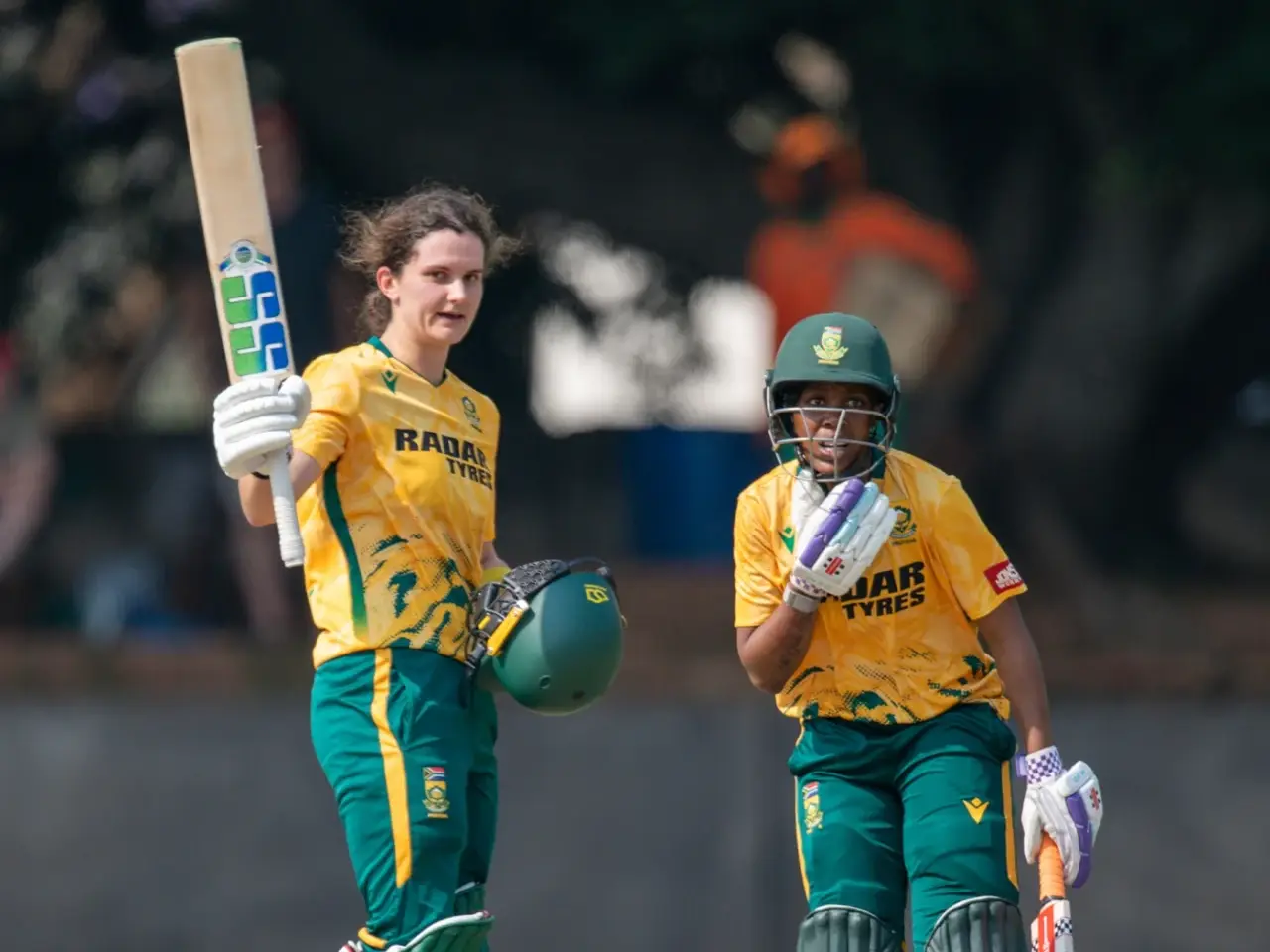)
Laura Wolvaardt sets new world record for most WT20I runs in a year
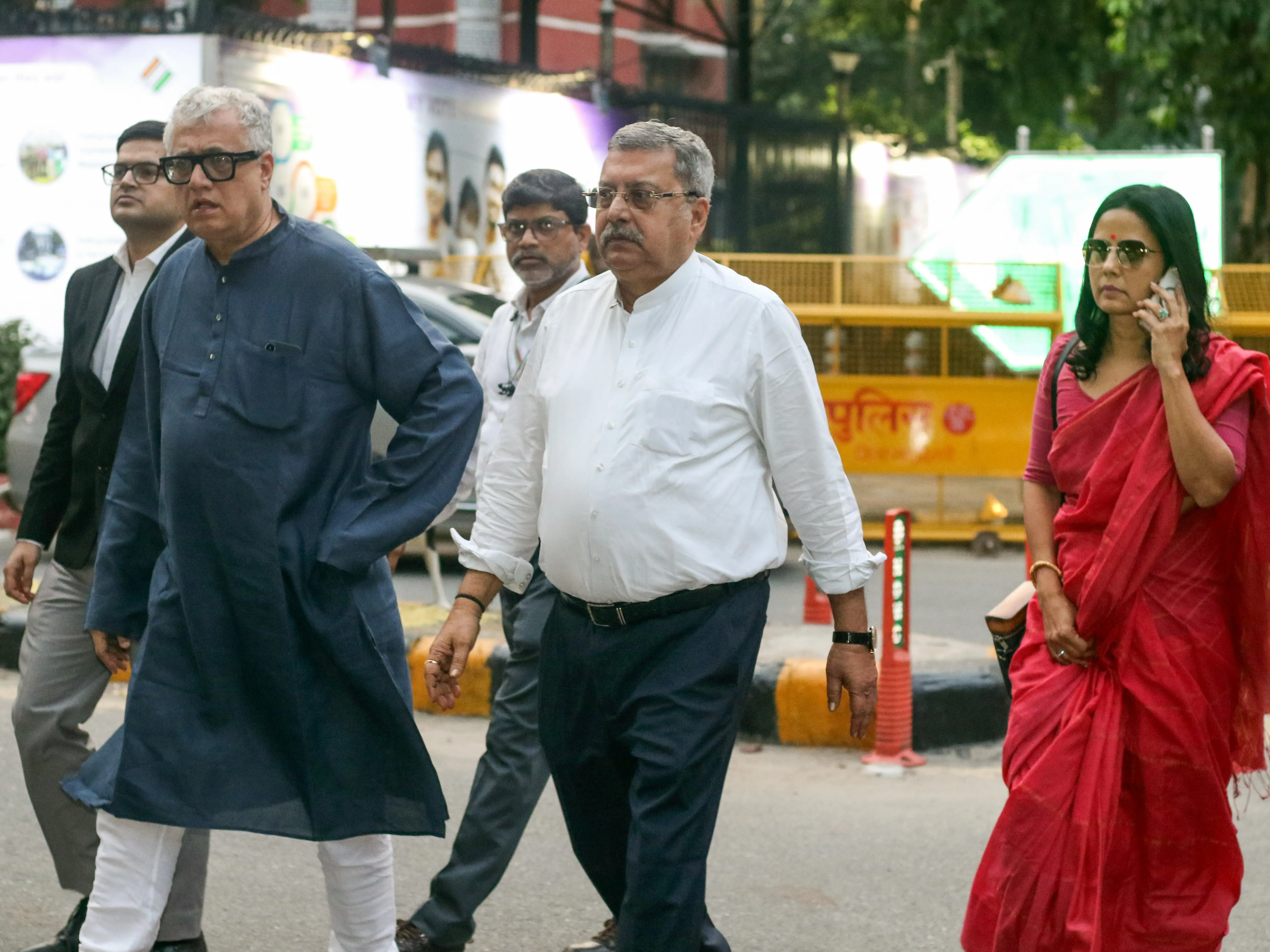)
Mahua Moitra moves UN over alleged exclusion of Muslim officers from Amit Shah events
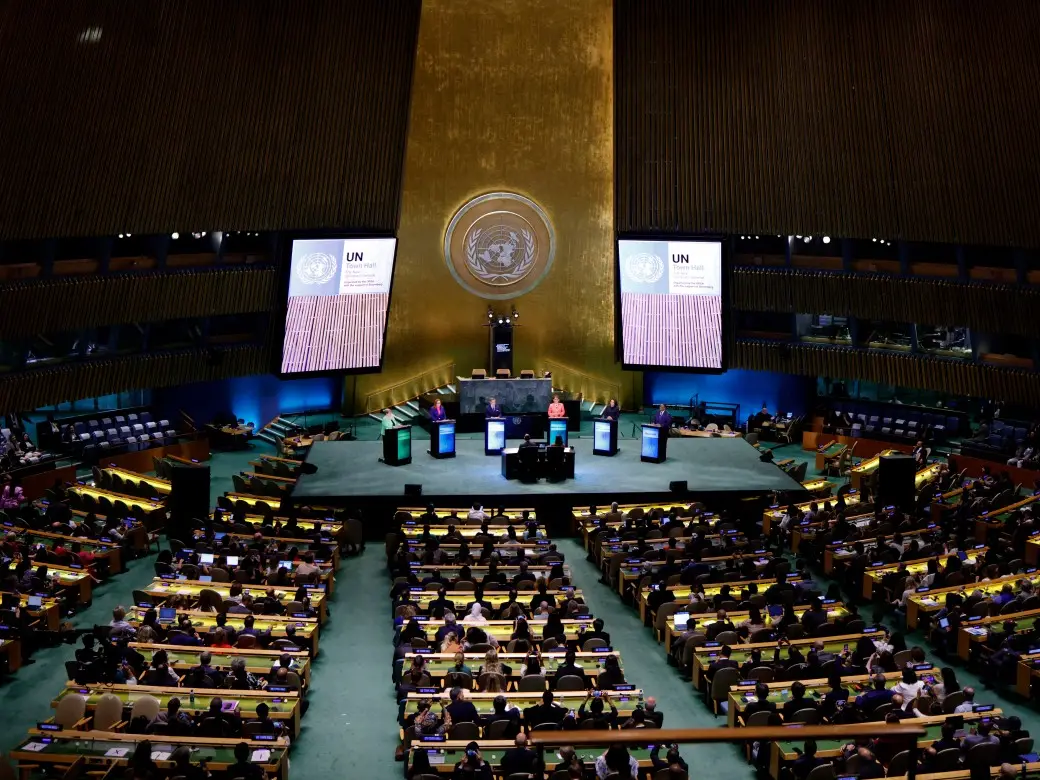)
Pezeshkian, Araghchi set to attend UNGA 2026 in New York amid ongoing conflict as US-imposed travel curbs remain
In May, India had skipped the opening ceremony of China's Belt and Road Forum following sovereignty concerns over the China-Pakistan Economic Corridor (CPEC).
The meeting called the Belt and Road Forum (BRF) was being attended by twenty-nine heads of governments including Prime Minister of Pakistan Nawaz Sharif and his Sri Lankan counterpart Ranil Wickrmasinghe, besides official delegations from other South Asian countries.
China and Pakistan have signed six pacts to boost cooperation on the $50 billion China-Pakistan Economic Corridor, including one on building an airport at the strategic Gwadar port city.
The deep-water port and the CPEC is of significance to China as they together facilitate Beijing's access to the Arabian Sea and resultantly links it with Eurasia and Africa.
The Gwadar port opposite the Mumbai's port housing the Indian Navy's western naval command provides a berth for China in the Arabian Sea and to the Indian Ocean.
India opposes the CPEC as it runs through the Pakistan- Occupied Kashmir.