India's data centre boom comes amid environmental questions in the US. What does it mean?

&imwidth=600&imheight=450&format=webp&quality=medium "India's data centre boom comes amid environmental questions in the US. What does it mean?")
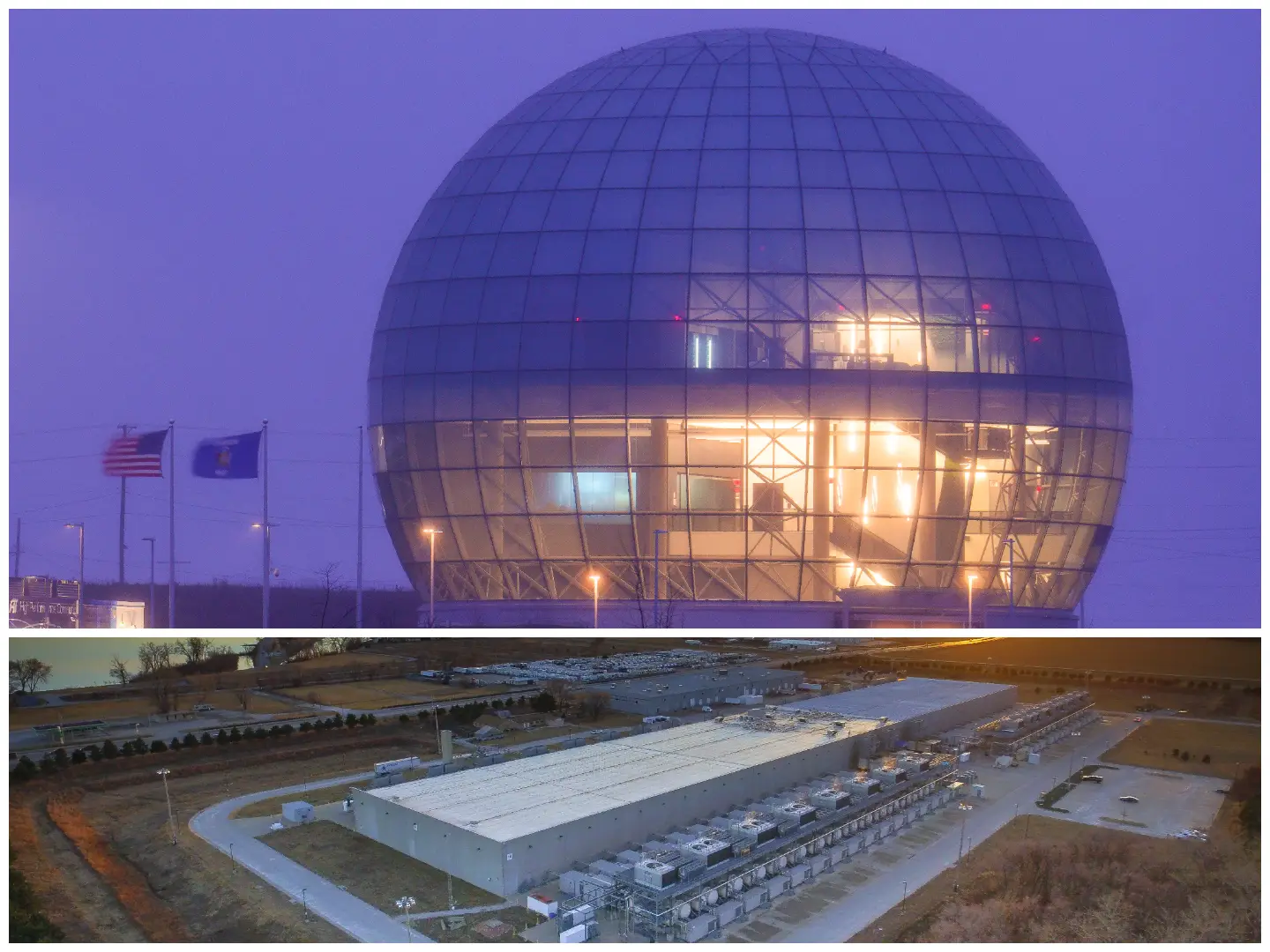
Combination image of data centres in the US Photograph: (Others)
The data centre boom in India is accelerating with billions of dollars in AI and cloud investments. Contrast this with US reports warning of pollution, water stress, rising power demand and community impact caused by fuel-guzzling data centres. Are companies investing in a regulatory vacuum?
India is now the new hub of data centres. Companies, both local and foreign (mostly American), are falling over each other to invest in large tracts of land to build data centres crucial to new-age computing, particularly in AI and cloud services. But is this enthusiasm a result of popular resistance to data centres in the US, laxer environmental regulations in India compared to the US, and the availability of cheaper electricity? Negative stories about the environmental impacts of AI data centres have been trickling in from the US for the past few years. The data centres, including availability zones and hyperscalers are fuel guzzlers, noise and air polluters, and affect the quality of water for neighbouring communities, among other concerns. Here is a roundup of the data centre boom in India, contrasted with criticism of these necessary evils of modern technology in the US.
India data centre market boom
India is witnessing a major shift is towards AI-optimised, hyperscale, multi-gigawatt data centre campuses in various cities. This is happening in spite of infrastructure constraints and burdens on the power grid. AI adoption, cloud computing growth, data localisation requirements, and government programmes such as Digital India are driving the data centre boom in India. The current operational capacity is around 1.4 gigawatts. There are 132 existing facilities and 81 upcoming across around 25 locations.
Mumbai, Chennai, Hyderabad, Pune, Bengaluru and Delhi-NCR are the key data centre hubs, with Visakhapatnam and Jamnagar likely to emerge in the near future.
Investment in data centres in India is nearing 200 billion US dollars
Trending Stories
&imwidth=280&imheight=210&format=webp&quality=medium)
&imwidth=280&imheight=210&format=webp&quality=medium)
&imwidth=280&imheight=210&format=webp&quality=medium)
&imwidth=280&imheight=210&format=webp&quality=medium)
&imwidth=280&imheight=210&format=webp&quality=medium)
&imwidth=280&imheight=210&format=webp&quality=medium)
&imwidth=280&imheight=210&format=webp&quality=medium)
&imwidth=280&imheight=210&format=webp&quality=medium)
&imwidth=280&imheight=210&format=webp&quality=medium)
&imwidth=280&imheight=210&format=webp&quality=medium)
&imwidth=280&imheight=210&format=webp&quality=medium)
&imwidth=280&imheight=210&format=webp&quality=medium)
&imwidth=280&imheight=210&format=webp&quality=medium)
&imwidth=280&imheight=210&format=webp&quality=medium)
&imwidth=280&imheight=210&format=webp&quality=medium)
&imwidth=280&imheight=210&format=webp&quality=medium)
&imwidth=280&imheight=210&format=webp&quality=medium)
&imwidth=280&imheight=210&format=webp&quality=medium)
&imwidth=280&imheight=210&format=webp&quality=medium)
&imwidth=280&imheight=210&format=webp&quality=medium)
&imwidth=280&imheight=210&format=webp&quality=medium)
&imwidth=280&imheight=210&format=webp&quality=medium)
&imwidth=280&imheight=210&format=webp&quality=medium)
&imwidth=280&imheight=210&format=webp&quality=medium)
&imwidth=280&imheight=210&format=webp&quality=medium)
&im=FitAndFill=(700,400)&imwidth=280&imheight=210&format=webp&quality=medium)
&imwidth=280&imheight=210&format=webp&quality=medium)
&imwidth=280&imheight=210&format=webp&quality=medium)
&imwidth=280&imheight=210&format=webp&quality=medium)
&imwidth=280&imheight=210&format=webp&quality=medium)
&im=FitAndFill=(700,400)&imwidth=280&imheight=210&format=webp&quality=medium)
&imwidth=280&imheight=210&format=webp&quality=medium)
&imwidth=280&imheight=210&format=webp&quality=medium)
&imwidth=280&imheight=210&format=webp&quality=medium)
&imwidth=280&imheight=210&format=webp&quality=medium)
Adani Group’s AdaniConneX joint venture with EdgeConneX, has made a 100 billion US dollar commitment by 2035. The company is building a 15 billion US dollar AI hub in Visakhapatnam, while 6 billion US dollars will be spent on a hyperscale MoU with Maharashtra.
Reliance Industries (mainly via its Jio arm), through a Digital Connexion joint venture with Brookfield and Digital Realty, has pledged nearly 110 billion US dollars for data centres, including one in Jamnagar that is aimed to be the world’s largest by capacity when completed.
It is also planning an 11 billion US dollar AI data centre in Andhra Pradesh’s Visakhapatnam region.
Global companies include Google parent Alphabet, with a commitment of 15 billion US dollars in data centre investment between 2026 and 2030. This includes the first AI-focused facility in India, a gigawatt-scale hub in Visakhapatnam in a joint venture with AdaniConneX and Airtel.
Microsoft is making its largest Asia data centre investment in India, at around 17.5 billion US dollars by 2029. It is planning an “India South Central” hyperscale data centre region in Hyderabad, which would be the largest of its kind in India.
Amazon Web Services (AWS) is another player. Data centres are part of Amazon’s 35 billion US dollar India commitment by 2030. Amazon added its third availability zone in the Mumbai region in 2025. It is also building more hyperscale data centres across India.
Other foreign and local players in India's data centre boom include Meta, Tata Group, Nxtra by Airtel, CtrlS Datacenters, Yotta Infrastructure, NTT Global, ST Telemedia Global Data Centres, Equinix and Sify Technologies.
Data centres are controversial in the US
Contrast this with reports on data centres affecting health and the environment in the US.
A number of studies highlight growing environmental and public health concerns linked to the rapid expansion of data centres during the AI boom. The issues include air pollution, noise, massive water consumption leading to water stress, energy strain, ecosystem disruption and broader community impacts.
A report by Community & Environmental Defense Services (CEDS) found that emissions from backup diesel generators of data centres contribute to breathing problems, lung disease and premature deaths. CEDS called on states to require health impact assessments before approving data centre projects. Many states, including Ohio, lack such requirements.
In Northern Virginia’s “Data Center Alley”, research from Virginia Commonwealth University found that diesel generator emissions, including carbon monoxide and nitrogen oxides, rival or exceed those of nearby power plants. Pollution rose sharply from 2015 to 2023.
In Minnesota, reports said that proposed data centre facilities could consume water and energy equivalent to millions of residents while generating constant noise and light pollution.
National analysis from the World Resources Institute linked data centres to strains on water supplies and power grids.
Authorities in Virginia and New Mexico have responded with restrictions, tax incentive debates and proposed moratoriums amid rising community opposition to these massive data centres.
The ground reality in Georgia, the fastest-growing data centre region in the US
These are echoes of one of the most viral recent stories on data centres. The nonprofit newsroom More Perfect Union, which covers working-class issues and corporate accountability, published a video in March 2025 titled I Live 400 Yards From Mark Zuckerberg’s Massive Data Center. The video documented the economic and environmental impacts of a data centre on the community in rural Georgia, the fastest-growing US state for data centres during the ongoing AI boom.
Residents living near Meta’s roughly 2 million square foot facility in Mansfield-Newton County and Blackstone-owned QTS campuses in Fayette County reported various issues, including polluted water filling their pipes.
The report cited a couple, Beverly and Jeff Morris, who live about 400 yards from Meta’s data centre site and described severe quality-of-life impacts.
Issues include 24/7 noise from data centre operations, intense light pollution that makes nights feel like daytime, and environmental damage from construction.
Hundreds of trees, and possibly entire forests, were felled to clear the land for building the data centres.
Groundwater and wells were allegedly contaminated by heavy dust and sediment.
Some residents reported dry taps, discoloured or tainted water, and sediment clogging their pipes. They also expressed concerns about air quality deteriorating because of construction dust.
The report also highlighted rising electricity demand from data centres.
In the US, such demand is projected to double or triple nationally. Residential bills have already gone up in Georgia as power rates were hiked by 24 per cent in 2025.
Companies receive tax breaks while costs shift to residents, the report said, and it criticised limited corporate accountability.
Has India taken into account environment damage, pollution and electricity burden caused by data centre boom?
In India, such scrutiny is absent on data centre growth, at least for now.
There has not been much reporting on whether they have caused any environmental damage or pollution or adversely affected local communities.
In the absence of such objective analysis or criticism, data centre activity is likely to increase in India. One has to wait to see the long-term impacts of data centre expansion.