‘India’s homegrown AI era’: 4 indigenous language models set to reshape the AI landscape

At the India AI Impact Summit 2026, indigenous language models trained on local data are taking center stage for their potential to solve grassroots challenges. Here are major homegrown models that natively process dozens of regional languages.
The sovereign AI push
At the India AI Impact Summit 2026, the government highlighted a strategic shift towards homegrown digital intelligence. Supported by the IndiaAI Mission, local developers are building indigenous language models to ensure data security and cultural relevance.

Sarvam AI's model - Open-source model
Bengaluru-based Sarvam AI launched a 105-billion parameter open-source model. It uses a mixture-of-experts architecture to natively process 22 official Indian languages, handling complex reasoning tasks without relying on English translations.
Inya VoiceOS by Gnani.ai
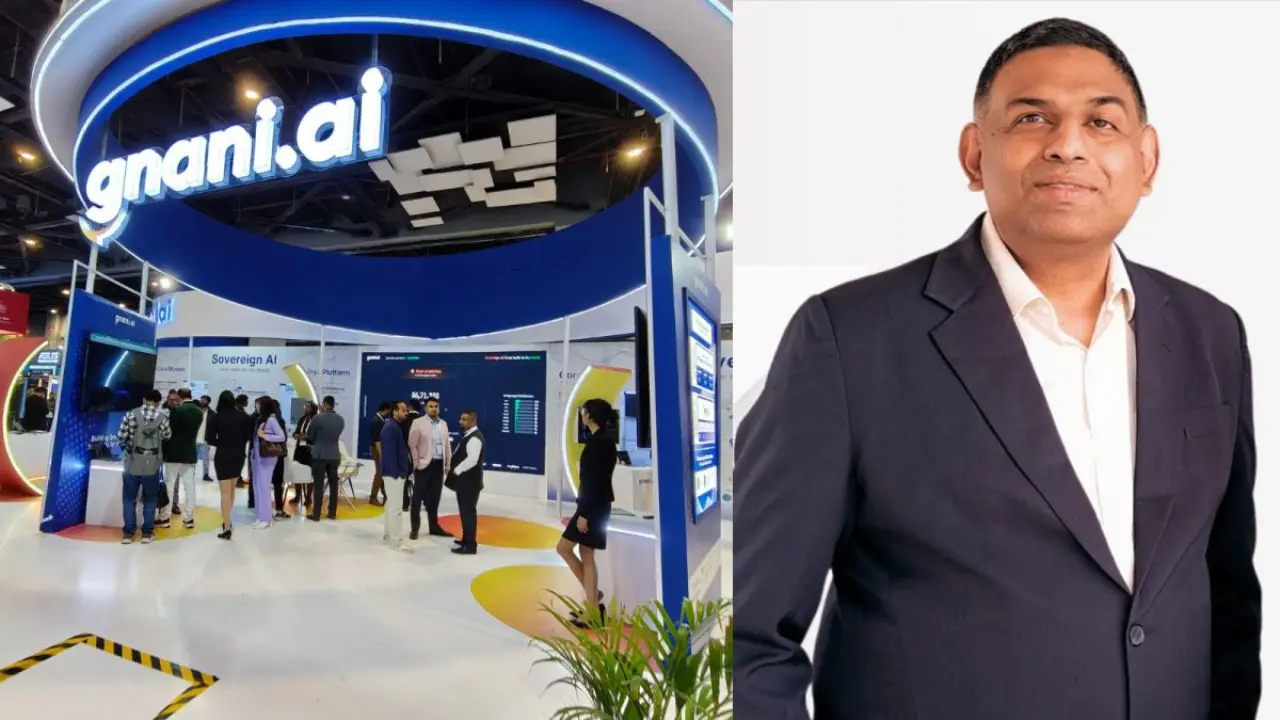
Moving beyond standard text generation, Gnani.ai introduced a 5-billion parameter voice-to-voice foundational model trained on 14 million hours of local speech. It processes audio directly across 15 Indian languages, enabling natural conversations without text conversion delays.

Hanooman’s Everest 1.0
Developed by Seetha Mahalaxmi Healthcare (SML) alongside nine IITs, the ‘Everest 1.0’ version of the Hanooman model supports 35 Indian languages. It is designed to handle text, audio, and video inputs, aiming to solve grassroots challenges in healthcare, education, and governance.
BharatGen initiative
Implemented by an IIT Bombay-led consortium, BharatGen is the first government-funded, multimodal large language model. Supporting 22 Indian languages, it is built to drive digital inclusion and provide targeted AI applications across the agriculture, finance, legal, and education sectors.
)
)
)
)
)