&imwidth=800&imheight=600&format=webp&quality=medium "India eases FDI norms for China, other countries sharing land borders")
The Union Cabinet, chaired by Prime Minister Narendra Modi, on Tuesday (Mar 10) approved changes in guidelines on investments from countries sharing land borders with India (LBCs), especially China. The decision was aimed at unlocking greater inflows from global funds for startups to take forward the agenda of Ease of Doing Business in India.
An official press release detailed the cabinet's approved changes in the FDI policy to provide for a definitive timeline for investments in critical sectors requiring approval under PN3.
An expeditious decision within 60 days would help companies enter into collaborations to expand manufacturing in India, the release said. It added that a 60-day decision or approval timeline would help companies enter into joint ventures to access technologies and integrate with global supply chains.

The shift in FDI policy for investment from Land Bordering Countries is expected to boost manufacturing in electronic components, capital goods, and solar cells, according to the release.
Also Read: 'We built this country together': UAE Envoy Alshaali reassures Indians amid West Asia crisis
Countries that share land borders with India are China, Bangladesh, Pakistan, Bhutan, Nepal, Myanmar, and Afghanistan.
Trending Stories
)
Justice eludes Air India 1985 bombing victims as Canada probe goes 'inactive' | Gravitas
)
Trump revives India-Middle East-Europe economic corridor as India emerges central to West Asia’s future: What is it?
)
Erdogan again raises Kashmir issue at UNGA, calls for dialogue under UN Charter
)
Will Trump-Xi set the tariff benchmark?
)
Trump signs Greenland security deal with Denmark, paving way for two new US military bases
)
IND vs JPN T20I: How an overturned wide became point of difference between India's win and a tie
)
Trump-Xi summit: From trade to Taiwan, what will the US and Chinese presidents discuss in Washington?
)
Cyclone Arnab: Landfall expected before midnight tomorrow as IMD issues orange alerts across six states
)
ICC plans T20I expansion and fewer ODIs in 2027–2031 FTP cycle: Report
)
US-China tech war: Businesses in the front line
)
'Mumma’s boy from Gwalior who dared to dream': Kartik Aaryan pens long note after first National Award win
)
Gravitas | Boosting NHS productivity could save 20,600 lives in UK annually: Report
)
Nor'easter could batter 13 US states this week. What you should know
)
US and China vie for AI dominance as calls grow for regulation | Gravitas
)
Yemen clashes kill 154 people in two days as cornered Saudi battles Houthi offensive | Gravitas
)
Bomb scare in New York amid UNGA: Suspicious suitcase found near UN headquarters
)
IND vs JPN, one-off T20I: Japan captain Kendel on pushing India to the brink - ‘It was special’
)
Mikel Arteta verbally agrees to three-year extension with Arsenal after title-winning Premier League season
)
WION Iconic Tourism Summit and Awards 2026: Key voices to discuss India’s tourism future
)
WION Iconic Tourism Summit and Iconic Awards 2026: India's travel economy leaders gather in Delhi
)
Oil slips to $98 as Saudi Arabia restarts East-West oil pipeline
&im=FitAndFill=(700,400))
New OTT releases this week (September 21-27, 2026): Shaque: Trust No One, Hunkkaar, Don’t Be Shy- 5 new titles coming to Netflix, Prime Video and more
)
81st UN General Assembly: Burnham announces UK-US AI defence tie-up
)
Trump calls on nations to quit ‘rogue’ and ‘out-of-control’ International Criminal Court, rips UN
)
Infections transmitted from pregnant woman linked to autism risk
)
'What kind of confession is this?': Pakistan PM Shehbaz Sharif’s 'terrorists would be roaming New York' remark goes viral, raises alarm online. Watch
)
Elephants hide behind trees, stage surprise attack on poachers targeting rhinos in South Africa
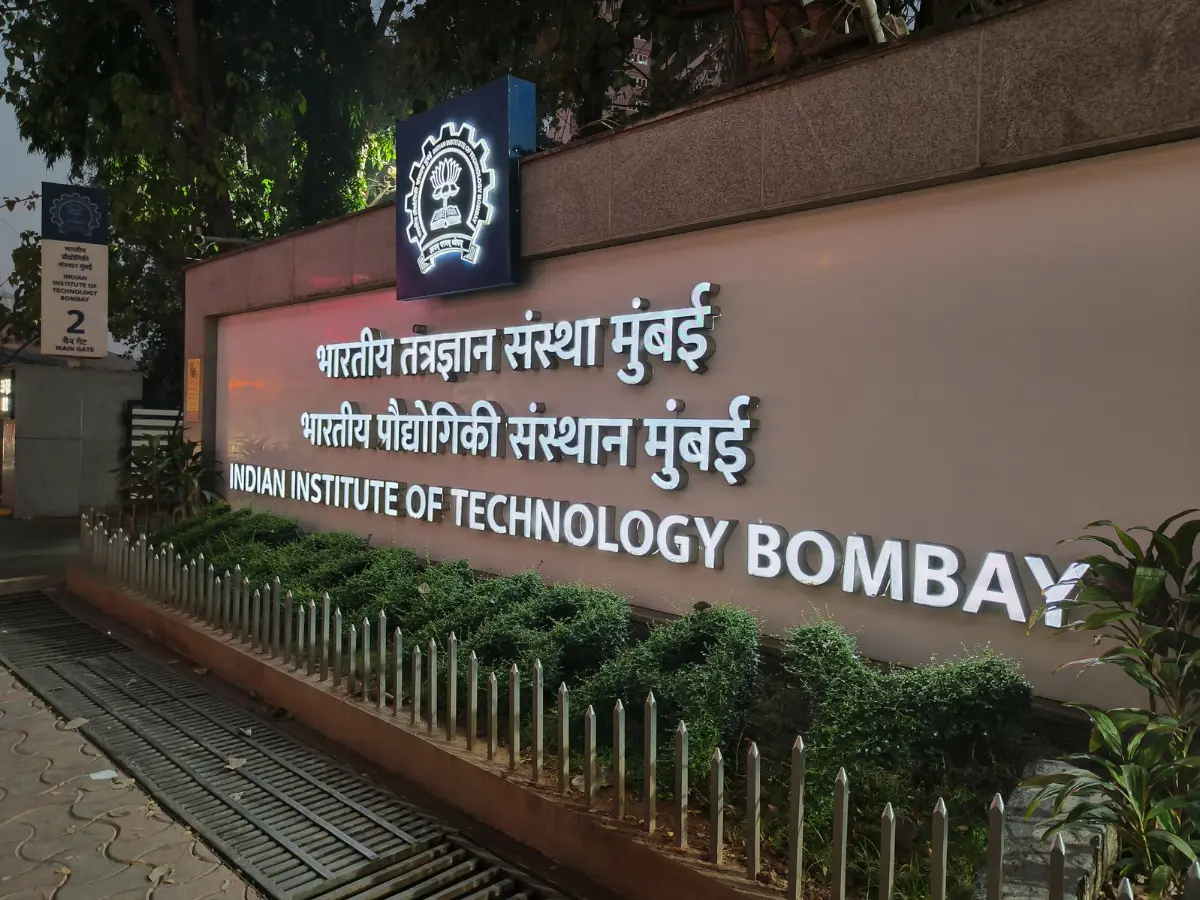)
IIT Bombay professor Suryanarayana Doolla sent on leave amid Sahil Wakode death probe
&im=FitAndFill=(700,400))
National Film Awards 2026: Kartik Aaryan, Mammootty, Yami Gautam, Randeep Hooda and other key winners
)
Anne Hathaway to run in supporting race for Nolan's epic
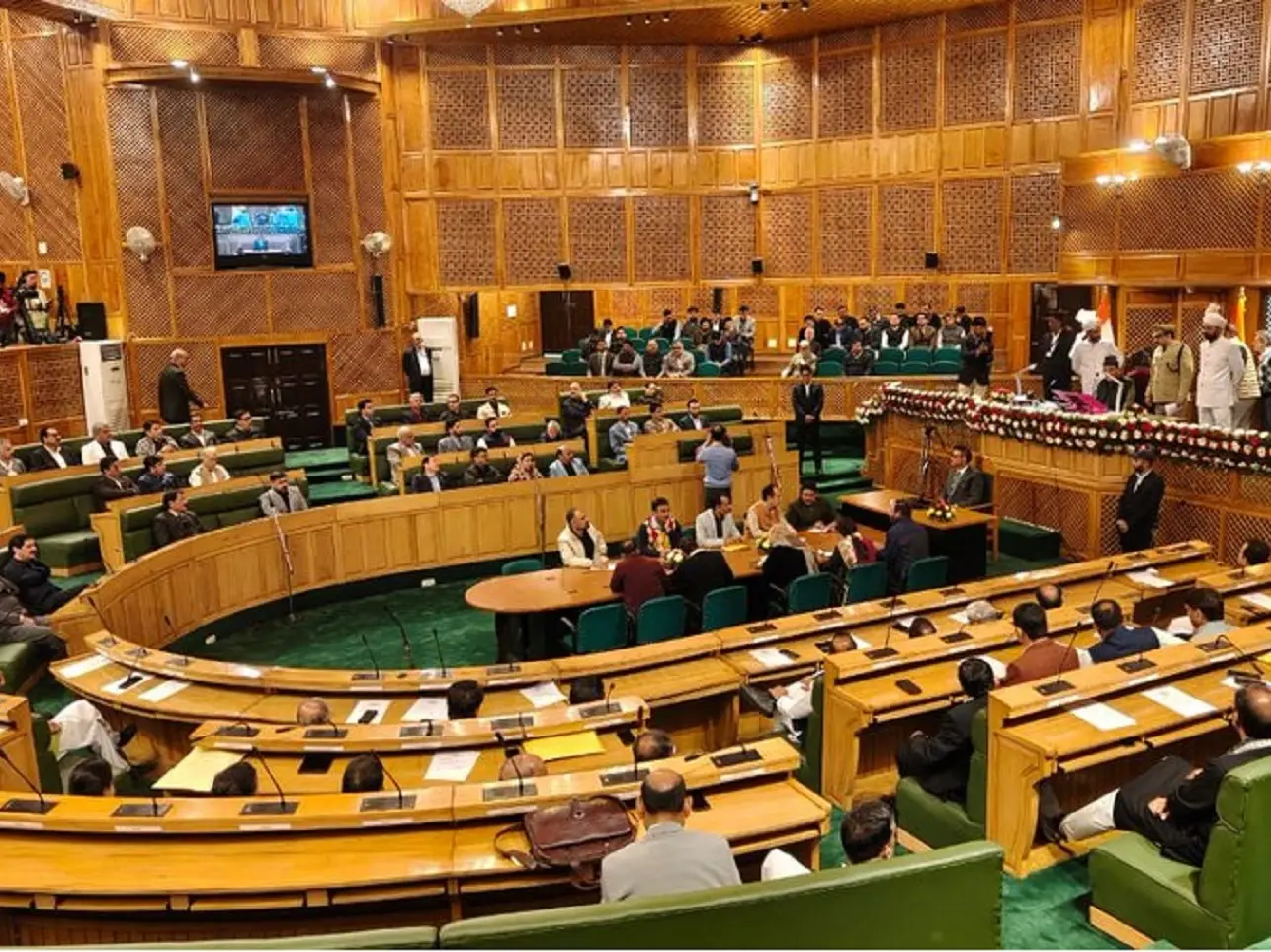)
Over 4,200 books withdrawn from circulation in J&K colleges, 94% from Kashmir
)
From Gaddafi tearing up UN Charter to Trump’s ‘escalatorgate’: Most unforgettable UNGA moments
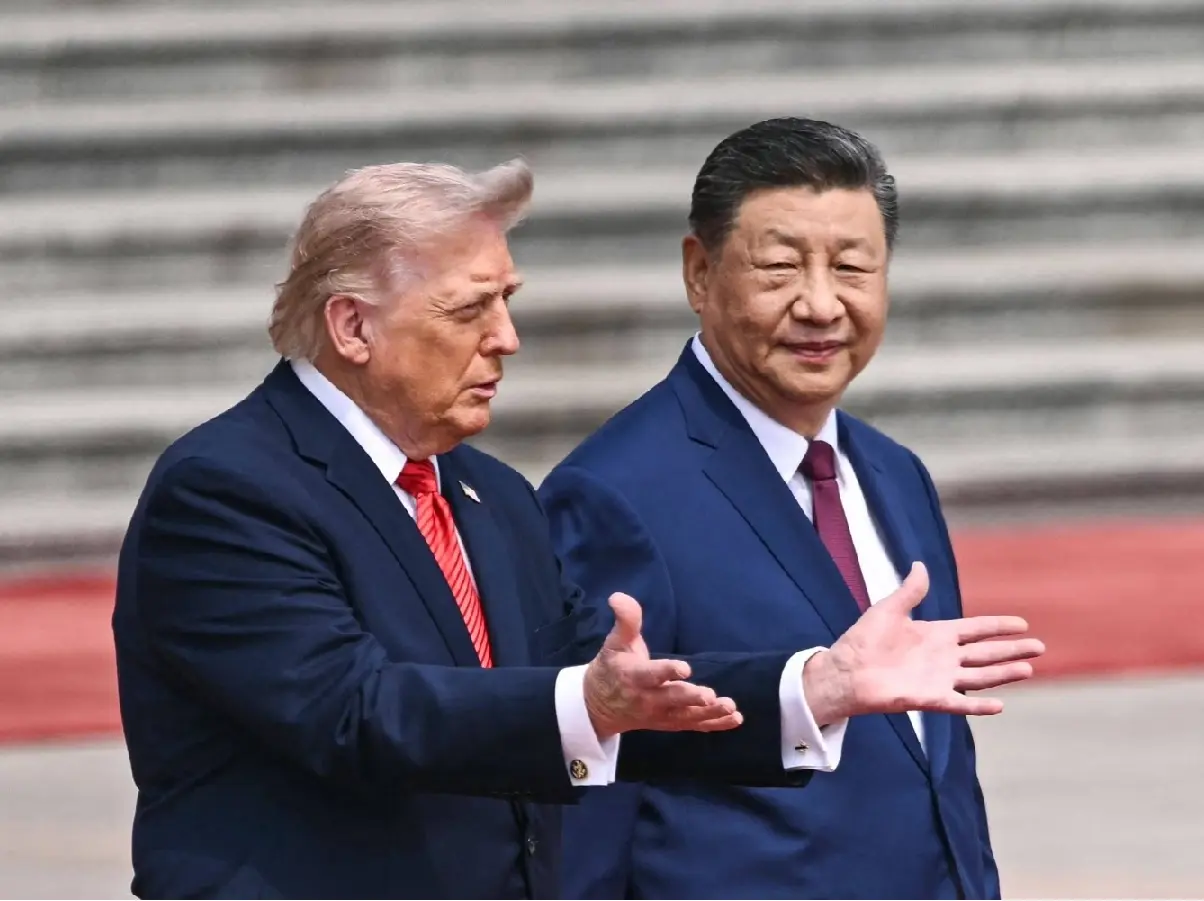)
Explainer: Why rare-earth export licences and Board of Trade are US priorities ahead of Trump-Xi summit
)
Asia prepares for record El Nino, food shock
)
Forget apps: Qualcomm CEO says AI agents will change how we use smartphones
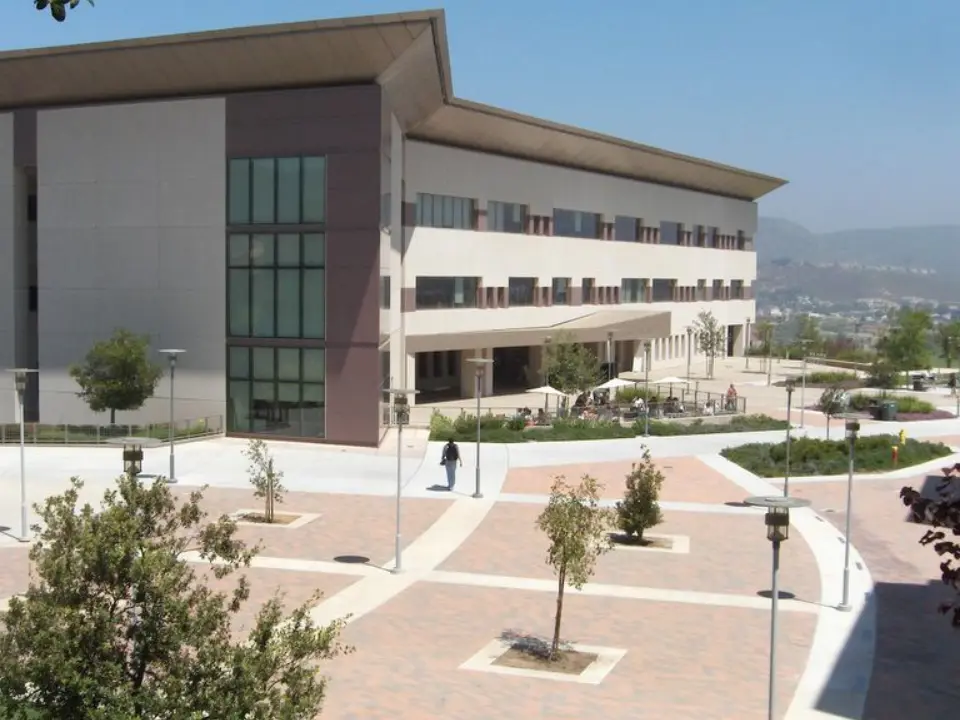)
Four female students raped during 'Red Zone' at California university. What we know
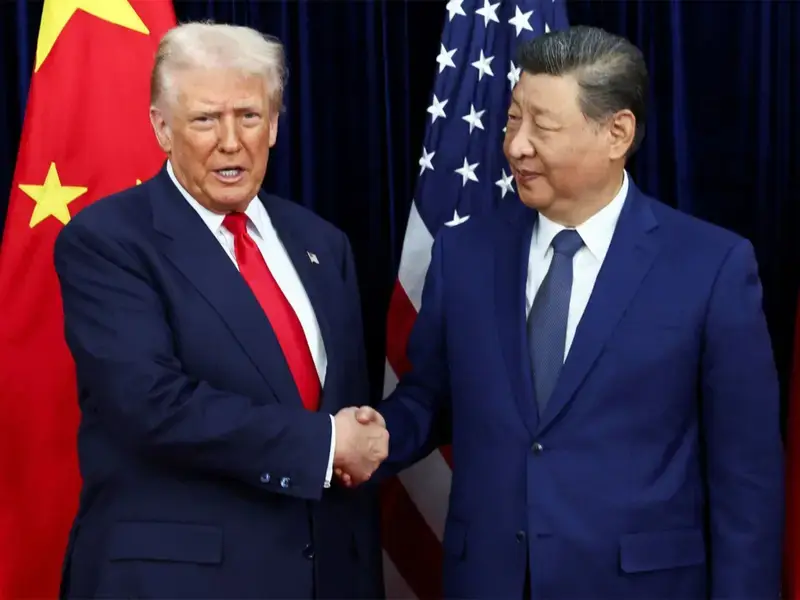)
'Taiwan and human rights are red lines': China warns US ahead of Xi-Trump visit
China stands at the 23rd position with only a 0.32 per cent share (USD 2.51 billion) in the total FDI equity inflow reported in India from April 2000 to December 2025.
Relations between the Asian giants collapsed in June 2020 following the lethal clash in the Galwan Valley, which led to a freeze in major diplomatic engagements and the banning of over 200 Chinese apps (TikTok, WeChat, etc.). While the military standoff along the Line of Actual Control (LAC) ended in October 2024, this move is the most substantial step toward economic normalisation since the crisis began.
Bilateral trade between the two countries currently stands at $155.6 billion for the 2025 calendar year, marking a record high in economic engagement despite ongoing geopolitical friction. During the first ten months of the current fiscal period (April–January 2025–26), total trade reached $124.06 billion, driven by a sharp 38.37 per cent surge in India's exports to China, which totalled $15.88 billion. However, with imports from China rising to $108.18 billion, the trade deficit remains a significant concern at $92.3 billion, prompting recent policy adjustments to encourage Chinese investment in domestic manufacturing sectors.