In a first, India calls for renegotiation of Indus Waters Treaty, sends notice to Pakistan


In a first, India calls for amendment of Indus Waters Treaty, sends notice to Pakistan
India has sent a notice to Pakistan calling for renegotiations of the Indus Waters Treaty, by modifying it, in the backdrop of the dispute resolution mechanism in a logjam for 5 years. This is for the first time New Delhi has called on Islamabad for the modification of the treaty that was signed in 1960 in Karachi between the then-Indian Prime Minister Jawaharlal Nehru and then-Pakistani President Ayub Khan.
Sources said, "India has issued notice to Pakistan for modification of the Indus Waters Treaty (IWT) of September 1960..Pakistani intransigence on the Indus Waters Treaty forced India to issue a notice of modification to the Treaty". The notice for modification is in line with the Article XII (3) of the treaty. Under the notice, India has called on Pakistan to enter into intergovernmental negotiations within 90 days to "rectify the material breach" of the treaty and also "update the treaty to incorporate the lessons learned over the last 62 years", sources explained. While India has not listed out what can be modified, a change in any provision means a new treaty.
Under the Indus water treaty of 1960, the waters of 3 Eastern Rivers - Sutlej, Beas, and Ravi are allocated to India for unrestricted use while the waters of 3 Western rivers - Indus, Jhelum, and Chenab go to Pakistan. Additionally, New Delhi has the right to generate hydroelectricity through the run of the river projects on the 3 Western rivers, subject to specific criteria for design. Under the treaty, Pakistan can raise technical objections on the design of Indian hydroelectric projects on Western rivers.

One of the key issues has been dispute resolution mechanisms that have led to India issuing the notice. Article 9 of the treaty lays out the provision of dispute resolution with 3 stage graded mechanism. The first stage is a question that can be resolved at the level of Indo-Pak Indus water commissioners. If it is not resolved at that stage, then it becomes a difference that can be resolved by neutral experts. If neutral experts fail to resolve, then it comes to the stage of Court of arbitration.
In 2015, Pakistan requested the appointment of a neutral expert to examine its technical objections to India’s Kishenganga and Ratle Hydro Electric Projects (HEPs). The following year, that is 2016, Pakistan unilaterally retracted from the "neutral expert" mechanism and proposed that a "Court of Arbitration" decide on its objections. Meanwhile, India made a separate request for the matter to be referred to a neutral expert. The initiation of two simultaneous processes on the same issue essentially creates a legal issue. That year, the World Bank had paused the process, only to revive it in March 2022.
Sources pointed out, "at Pakistan’s continuing insistence, the World Bank has recently initiated actions on both the neutral expert and Court of Arbitration processes. Such parallel consideration of the same issues is not covered under any provision" of the treaty, adding, "faced with a such violation of the treaty provisions, India has been compelled to issue a notice of modification". Despite repeated efforts by India to find a mutually agreeable way forward, Pakistan refused to discuss the issue during the five meetings of the Permanent Indus Commission from 2017 to 2022.
)
Emmys 2026: Matthew Rhys wins Best Actor twice, sets historic 78-year record
)
3 Italians fly from Delhi to Munich without immigration clearance; Air India gets notice on major security lapse
)
Did India risk its US trade deal despite softer stance at BRICS?
)
Pakistan puts Pak Rs 70 lakh bounty on UN terrorist Masood Azhar; move draws skepticism in Delhi
)
‘US ensuring global energy supplies’: Trump demands reimbursement for securing Strait of Hormuz
)
'She married her brother': Ilhan Omar faces criminal probe over immigration fraud claims
)
'Huge destructive power': North Korea calls its latest missile launches 'live-fire drill' even as US dismisses 'immediate threat'
)
Ukraine strikes Syzran Oil Refinery deep inside Russia, fires erupt
)
Emmy Awards 2026: Widow's Bay and The Pitt win in lead categories- check out the complete list of winners
)
Emmys 2026: Michael J Fox honoured with Bob Hope Humanitarian Award for Parkinson’s advocacy
)
Emmys 2026 In Memoriam: Catherine O’Hara honoured by on-screen children Macaulay Culkin, Annie Murphy, Dan Levy; Dolly Parton, Rob Reiner remembered
)
Iran, India agree to deepen humanitarian and political ties, President Pezeshkian says
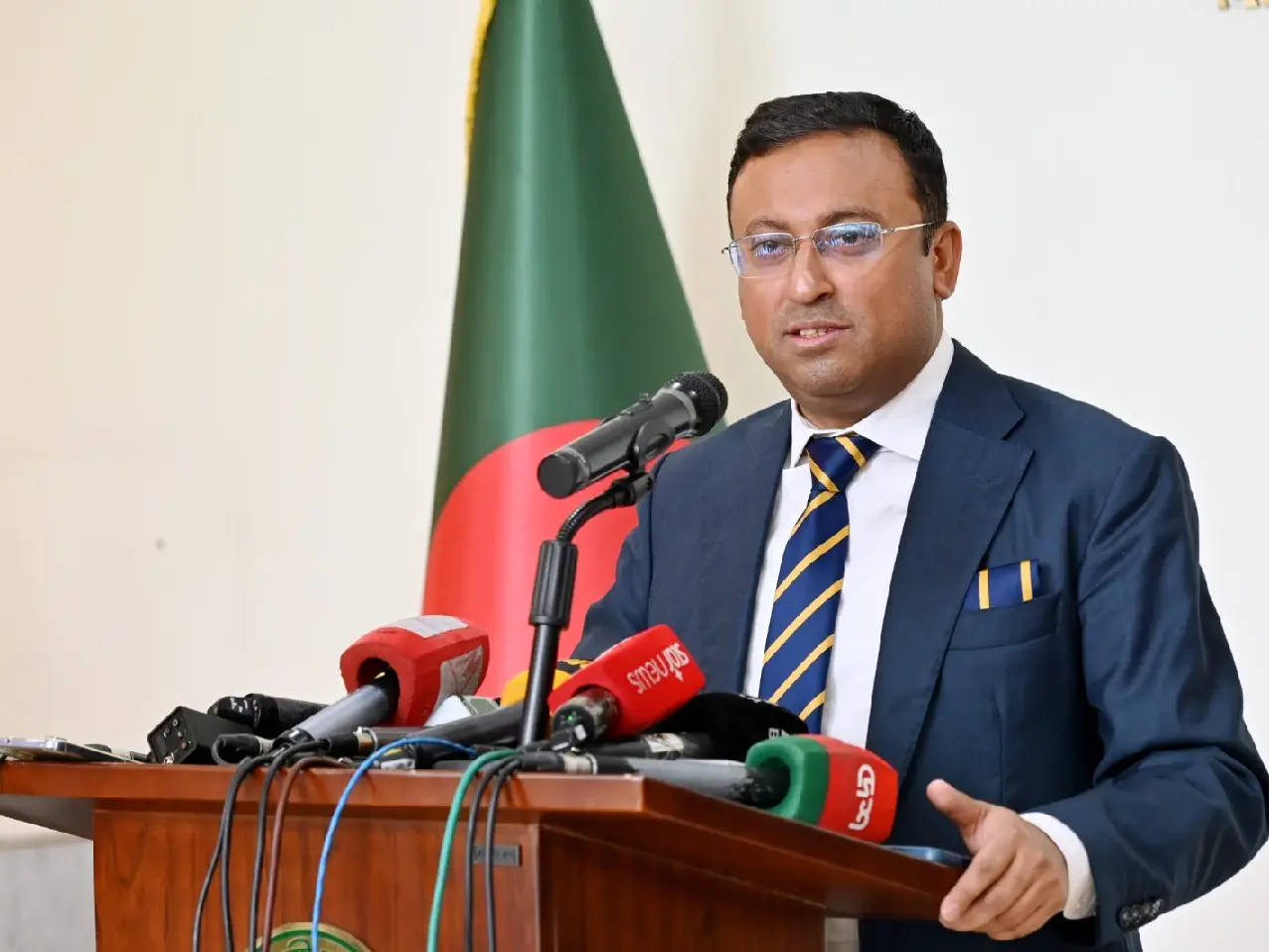)
‘Want to reset ties with India, have engagement based on mutual interests,’ says Bangladesh minister
&im=FitAndFill=(700,400))
Emmys 2026 Red Carpet: Zendaya, Nicole Kidman and Julia Garner lead the glamour peak
)
Turkish Airlines plane flies through a storm three times, triggering severe turbulence
&im=FitAndFill=(700,400))
Why Chinese PL-15 air-to-air missiles use dual-pulse motors compared to European interceptors
)
What is Hyrox, in news for athlete who soiled herself, but kept running and using common equipment?
)
Russia proposes to build 360 kmph Ivolga FG trains in India: What happened on sidelines of BRICS
)
800 million years old - Scientists discover 'fingerprints' of supercontinent Gondwana in ancient rocks
)
Former Pak PM Imran Khan's ex-wife Jemima Goldsmith marries Australian financier: Who is Cameron O'Reilly
)
Plane carrying prominent figure crashes at Libya’s Misrata airport: Report
)
UPI payments up to Rs 2,000 to stays free, but bigger transactions may soon cost you: Govt
&im=FitAndFill=(700,400))
New OTT releases this week (September 14-20, 2026): Lust Stories 3, Waiting Hai, Irumudi- 5 new titles coming on Netflix, Prime Video and more
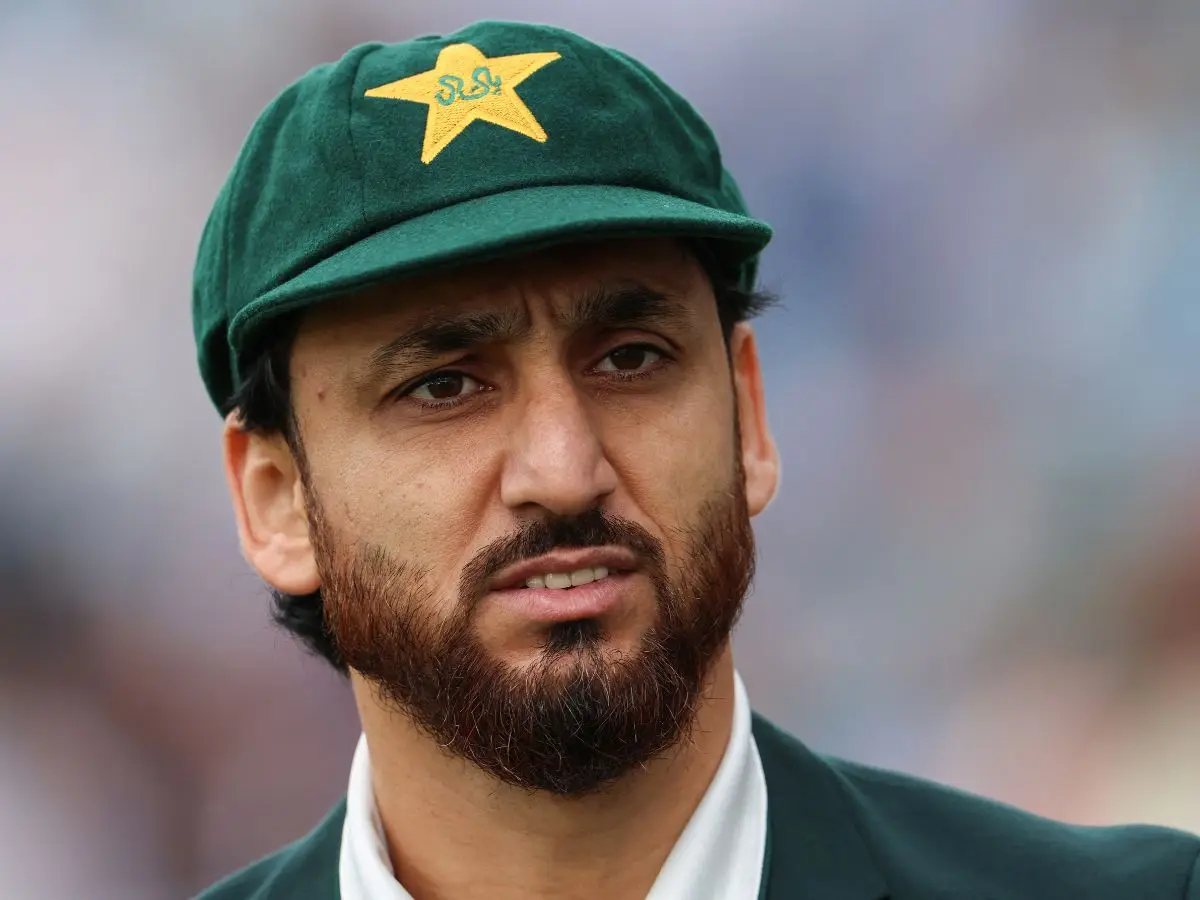)
Sent home midway from UK tour, Pakistan's Salman Agha hits 300* in domestic return
)
Who is Kalyan Bainsla, accused in the Gurugram hit-and-run case involving woman biker?
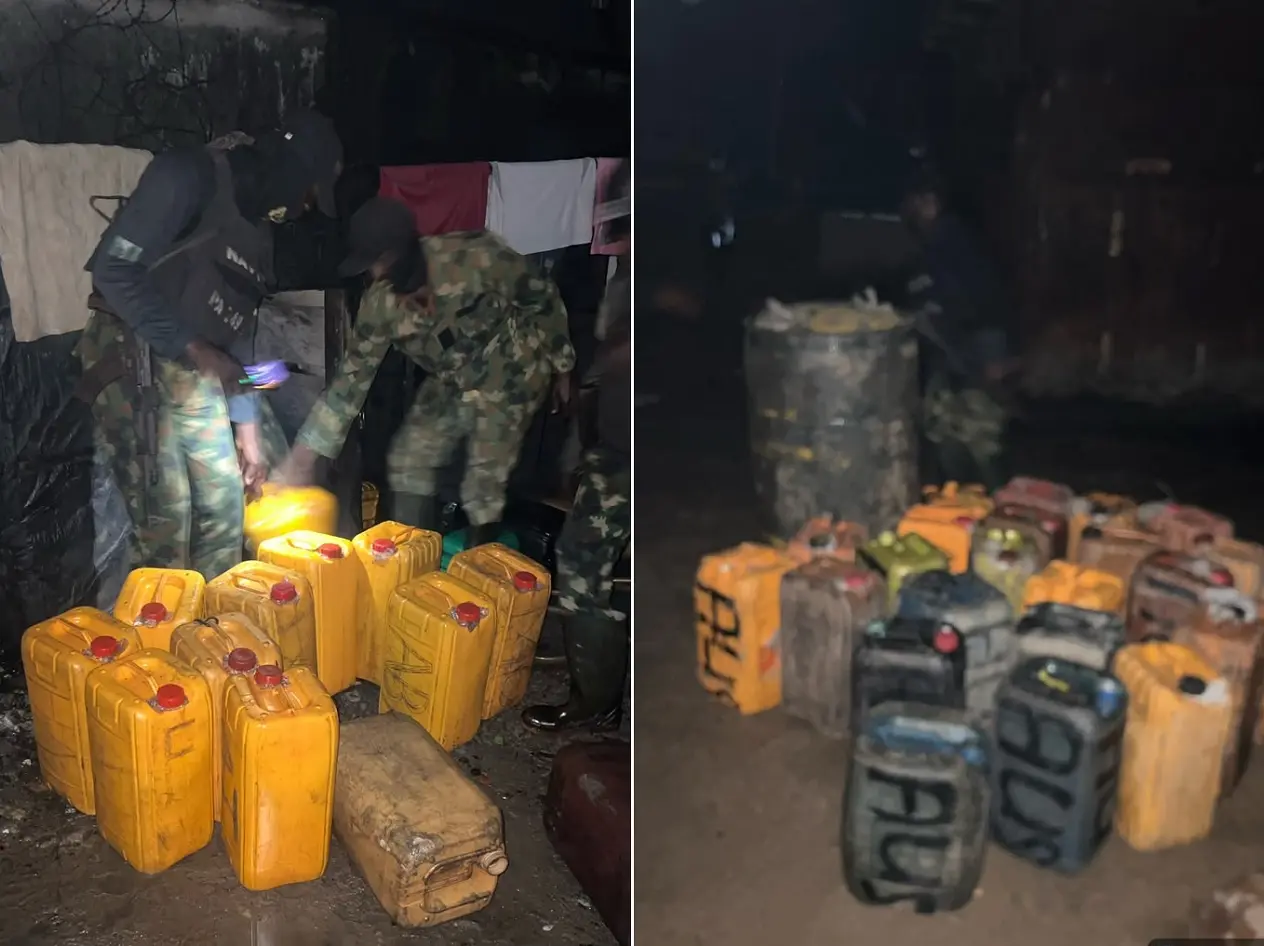)
Nigerian Navy seizes 10,000 litres of suspected illegal fuel in Rivers State crackdown
)
Saudi Arabia discovers 110 million tonnes of Uranium-rich ore in Madinah region
)
Dodgers beat Reds for playoff berth in bid for third consecutive World Series
)
Ecstasy tablets are rage in 'drug haven' Libya | Gravitas
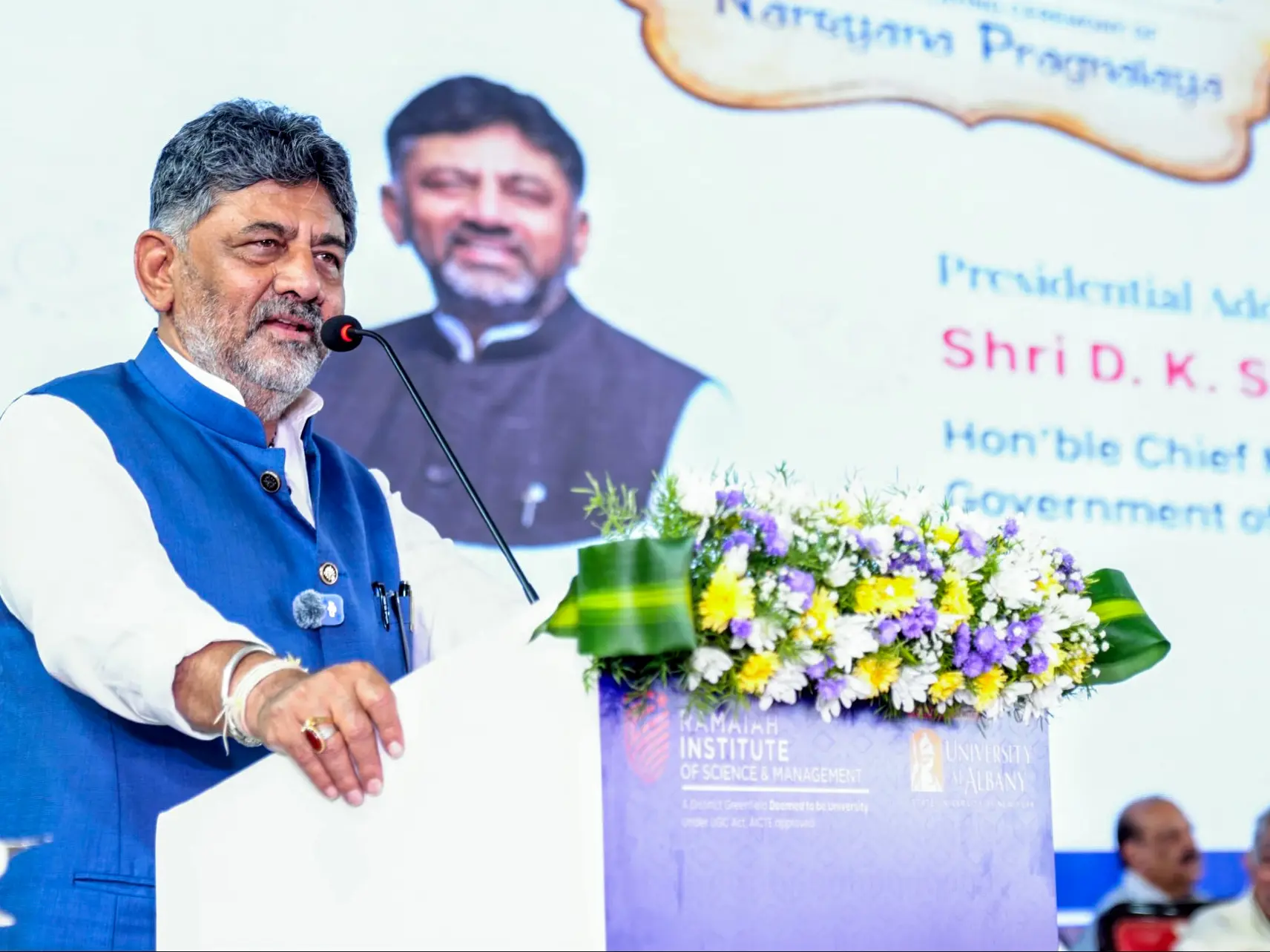)
'Now Trump is copying us': Shivakumar links US $5,000 plan to Congress guarantees
)
Video of Pakistani lawmaker struggling to read English tribute to Jinnah goes viral - WATCH
)
Trump downplays China's alleged 'help' to Iran in strike on Jordan base | Gravitas
)
Trump loses Supreme Court battle over mail ballots ahead of US midterms: What happened?
)
BCCI VP Rajeev Shukla says Mohsin Naqvi 'did not object' India refusing trophy from ACC chief
)
Legendary costume designer Bob Mackie dies at 87: A look back at his iconic legacy
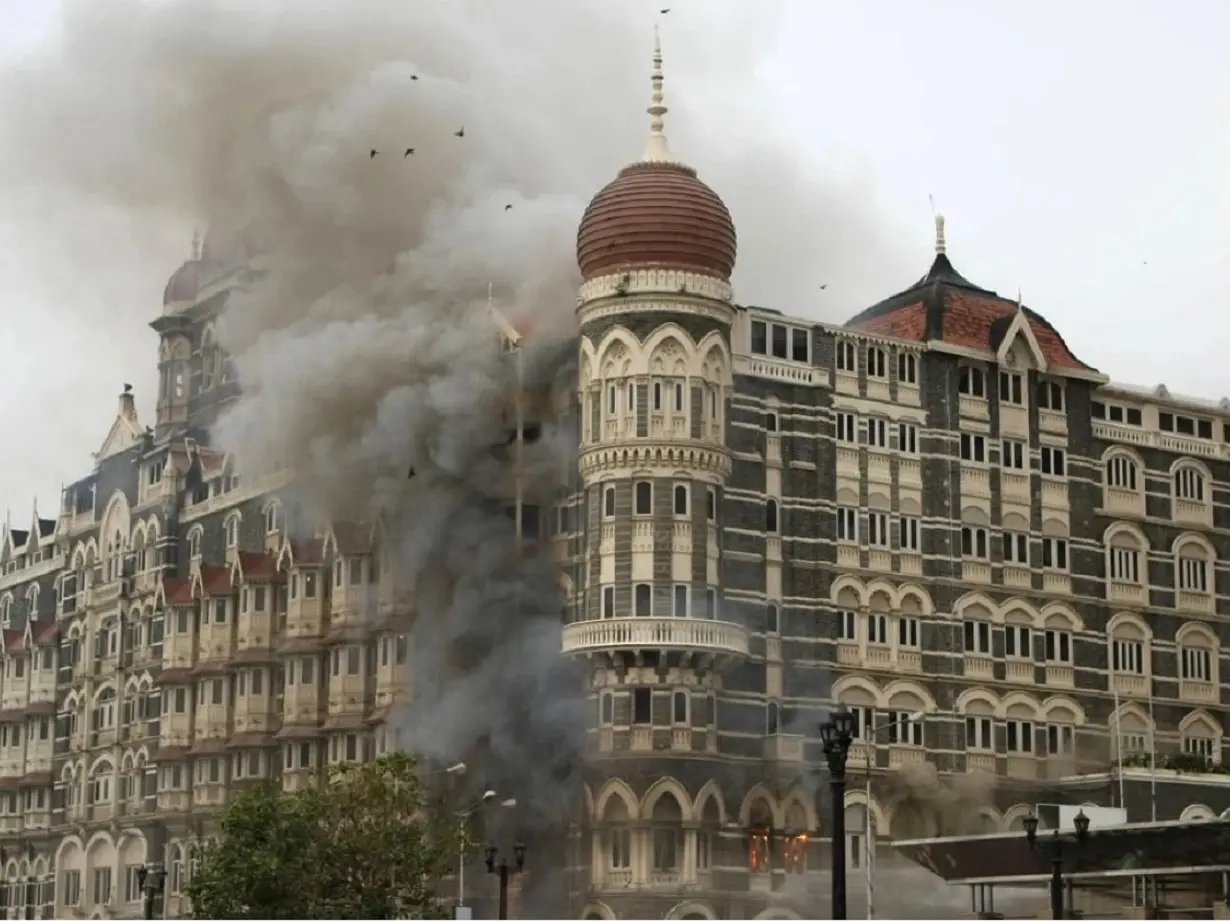)
Photographs, LeT labels vanish from two 2008 Mumbai attack entries in Pakistan’s most wanted list
)
Delhi govt to roll out ₹13,820 crore development projects under Seva Sankalp Abhiyan: CM Rekha Gupta
)
UK man admits drugging, raping wife for 20 years in shocking abuse case
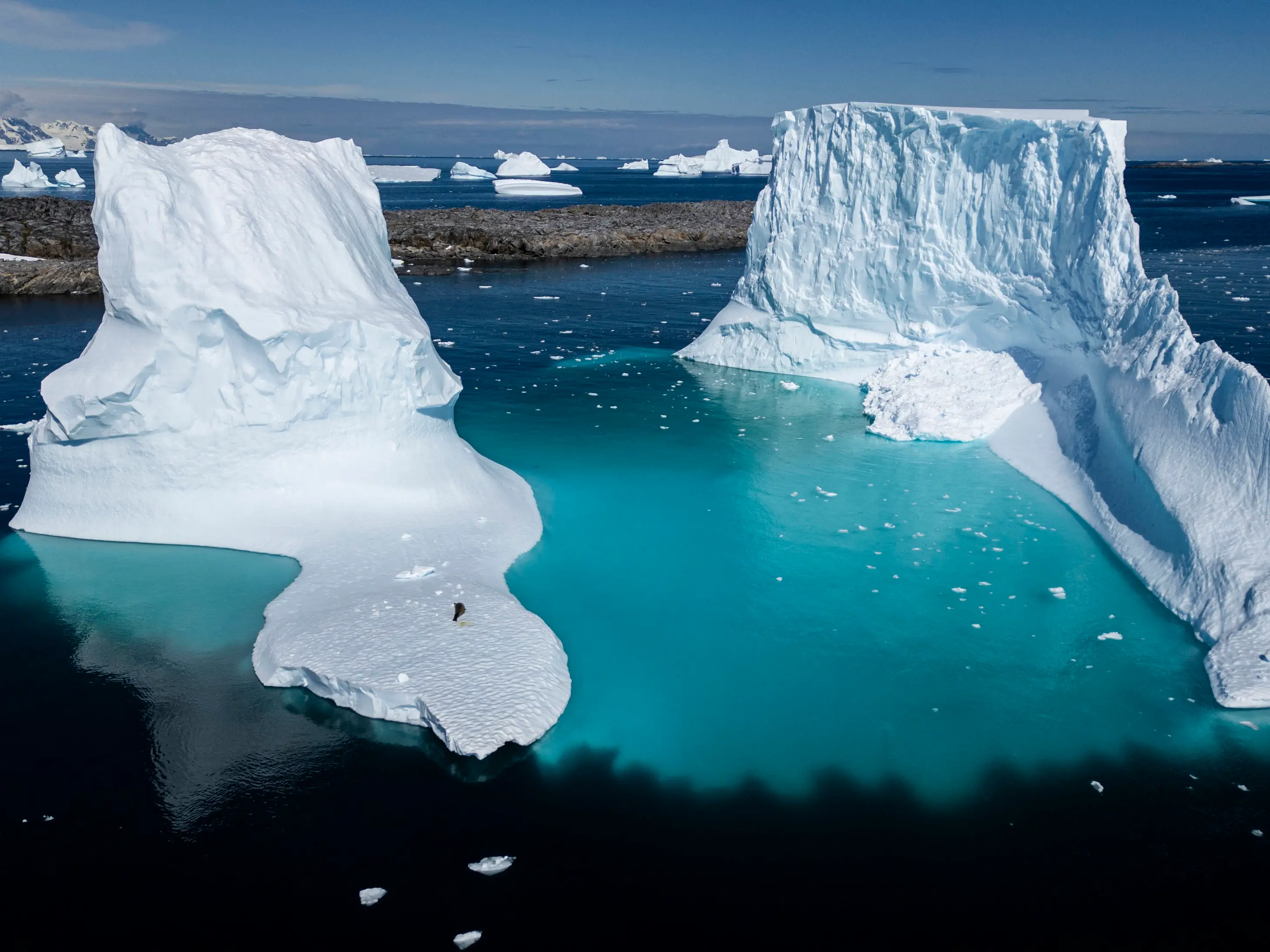)
Extreme warming in Indian Ocean added 695 billion tons of ice to Antarctica ice sheet
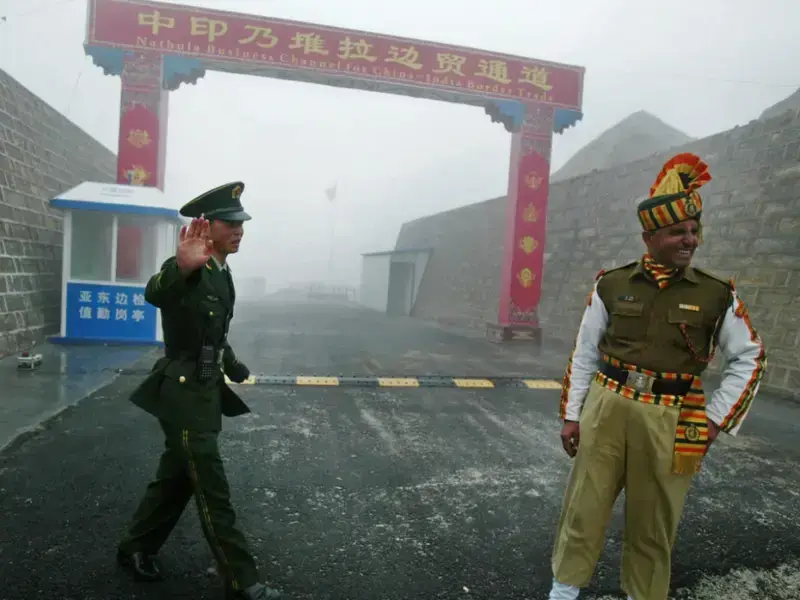)
China thinned Himalayan troop presence in 2025, India defence report says; terms border situation 'stable'
The last Indus water talks took place in Delhi between India's Indus water commissioner AK Pal and Pakistani counterpart Mehr Ali Shah. The next meeting of the Indus water commission will take place in Pakistan.
WATCH WION LIVE HERE
You can now write for wionews.com and be a part of the community. Share your stories and opinions with us here.