In a first, Brazilian constitution gets translated into Indigenous language

Brazilian constitution
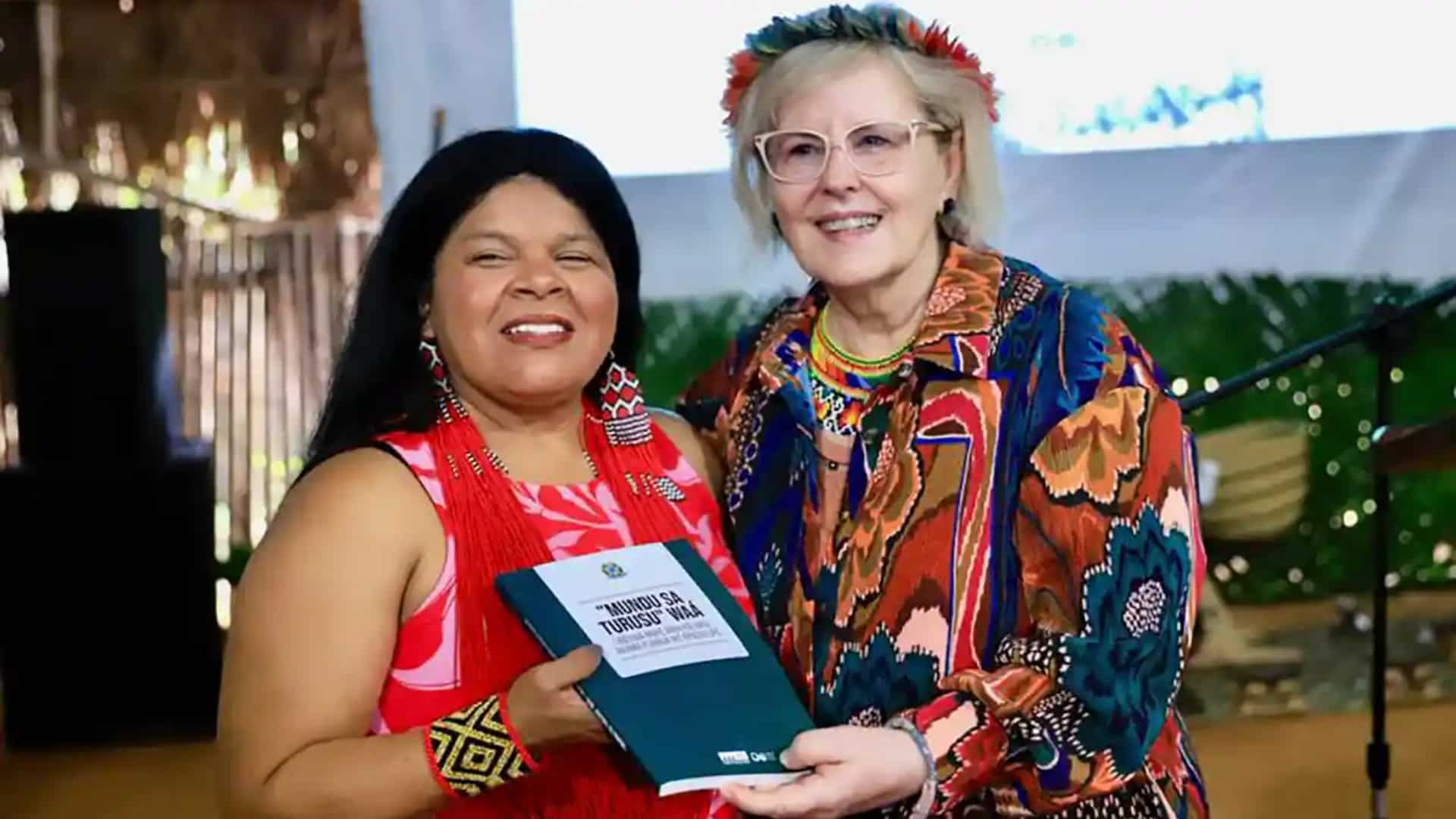
The Brazilian constitution made history as it received its first-ever official translation into an Indigenous language, marking a significant moment for the country and its native populations.
The ceremony, held in São Gabriel da Cachoeira, a town deep in the Amazon, was attended by esteemed Brazilian authorities and Indigenous leaders, reported the Guardian.
An important milestone in constitutional history

Chief Justice Rosa Weber of the supreme court, the guardian of the constitution, expressed the significance of the event, calling it a milestone in the constitutional history of Brazil.
The 1988 constitution, drafted during the transition from a two-decades-long military dictatorship, recognised and protected the culture and way of life of Indigenous Brazilians, owing to the active involvement of the Indigenous movement.
However, despite these protections, Indigenous Brazilians had never been able to access their constitutional rights in their own language.
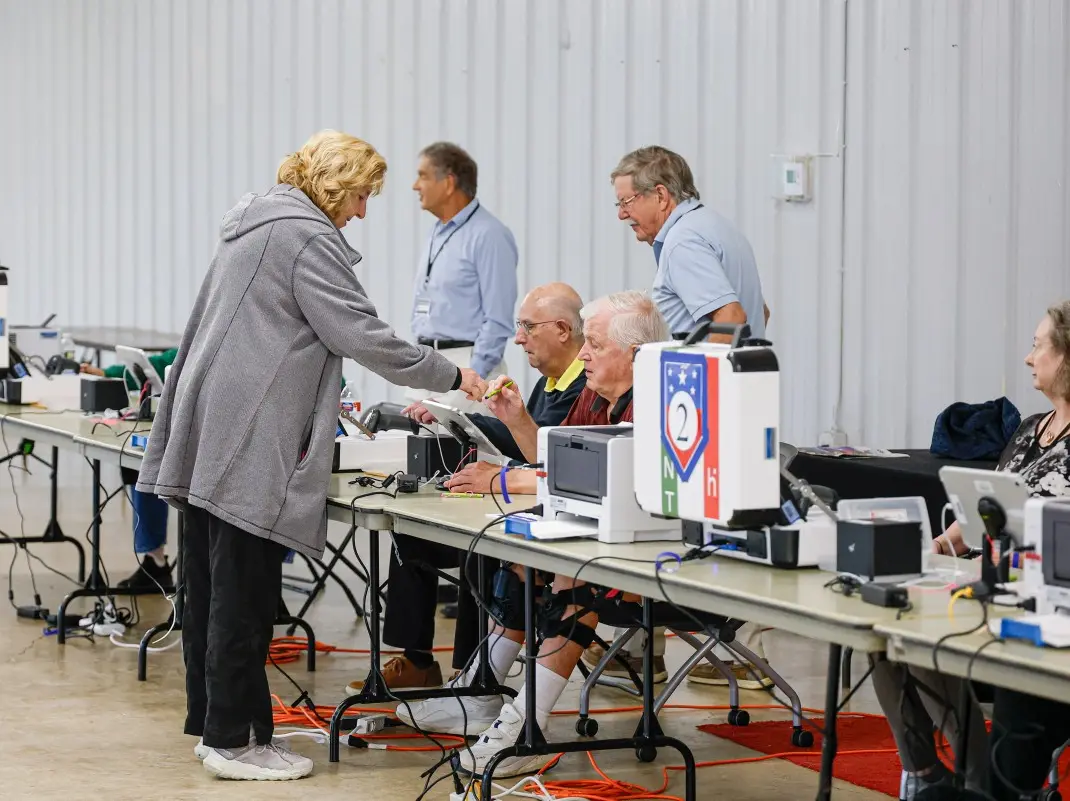)
US Supreme Court backs Trump administration's use of SAVE database to check voter citizenship
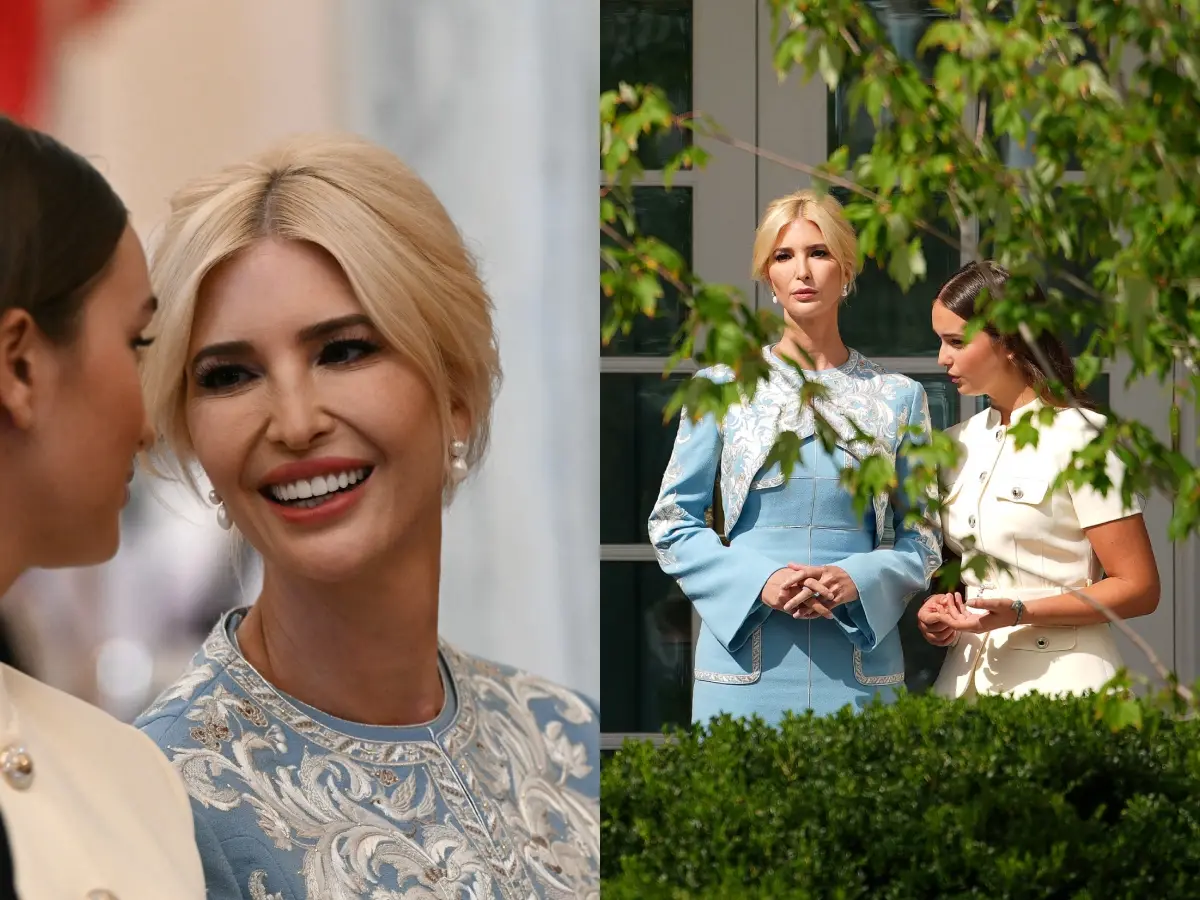)
Beijing to Washington! Ivanka Trump makes a style statement in Chinese designer Guo Pei for President Xi Jinping’s White House welcome
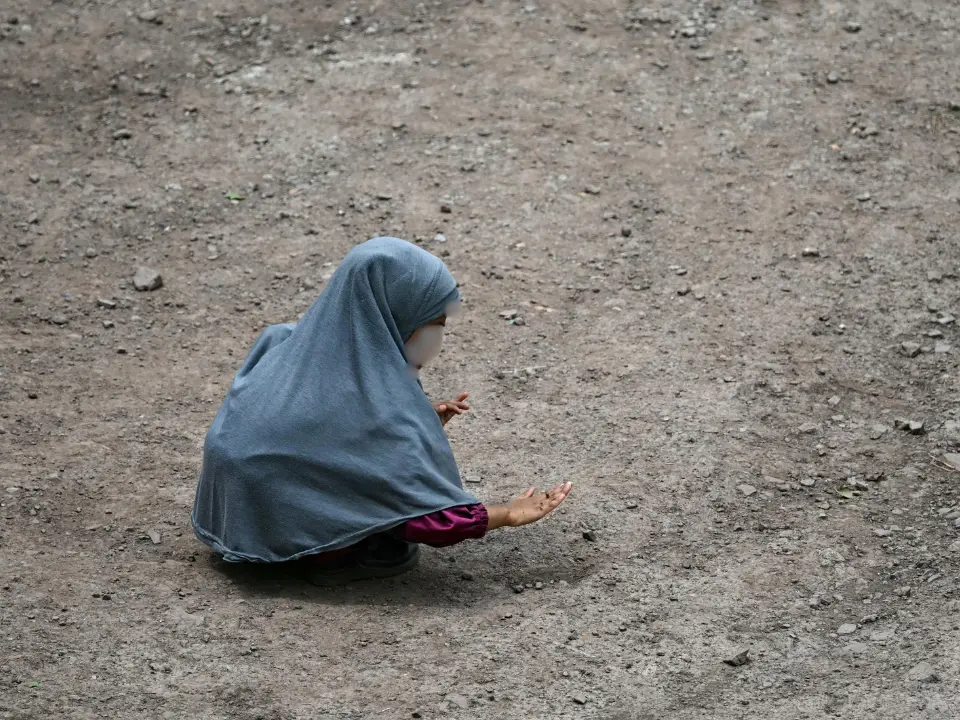)
Outrage erupts after 3-year-old is married to 60-year-old man in Pakistan, link to her sister's murder being probed
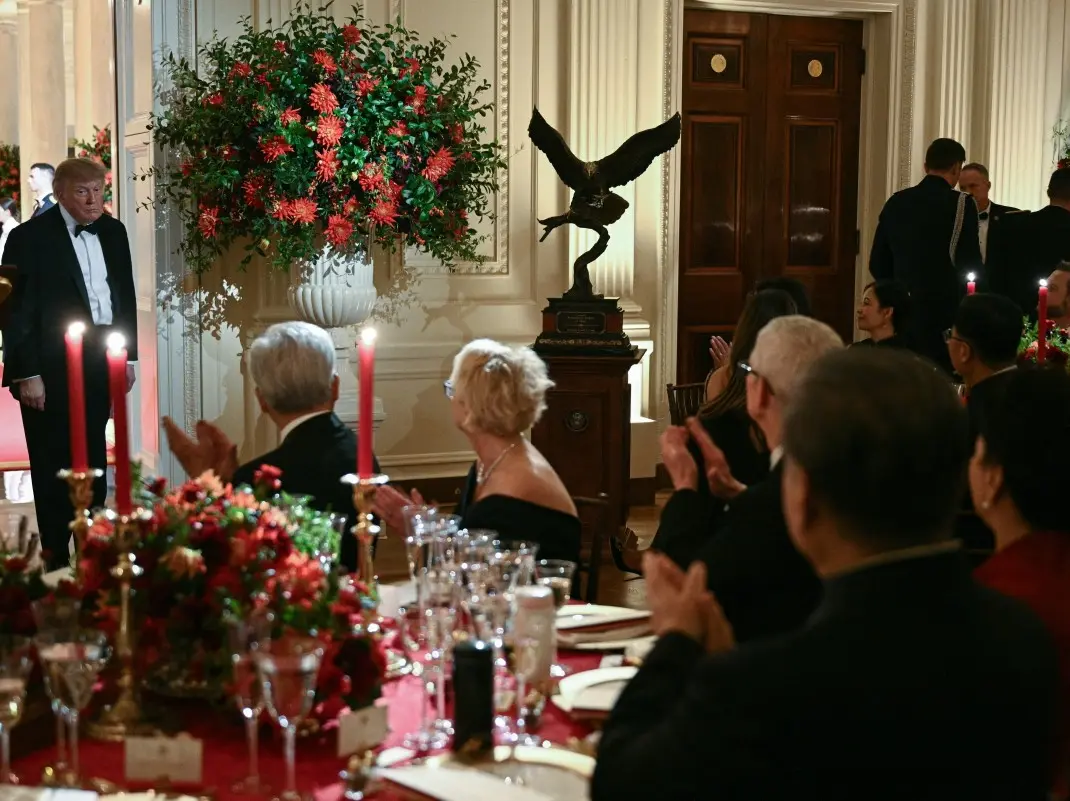)
Trump gifts Xi a bald eagle sculpture at White House dinner: Here’s what it symbolises
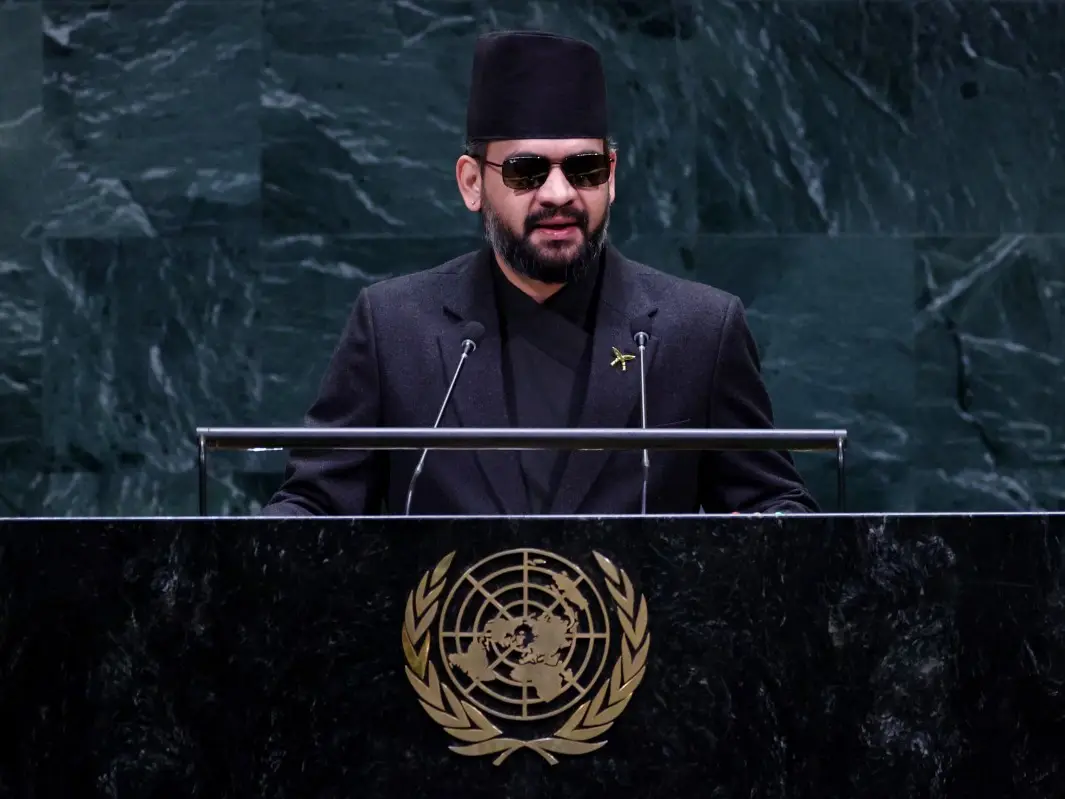)
‘Not just a local tragedy’: Nepal PM Shah warns UN of growing climate threat, says Nepal floods were 'a warning to the world'
)
India-New Zealand FTA is ‘an expression of trust’, NZ High Commissioner Patrick John Rata says
)
OpenAI AI Agents hacked 4 websites before Hugging Face, researchers reveal
)
Pentagon quietly adds 37 wounded troops to Iran war tally without explaining when or how
&im=FitAndFill=(700,400))
New Friday OTT releases (September 25, 2026): Don’t Be Shy, Hunkkaar: The Roar, Mango Pachcha- 6 movies and TV shows on Netflix, Prime Video and more
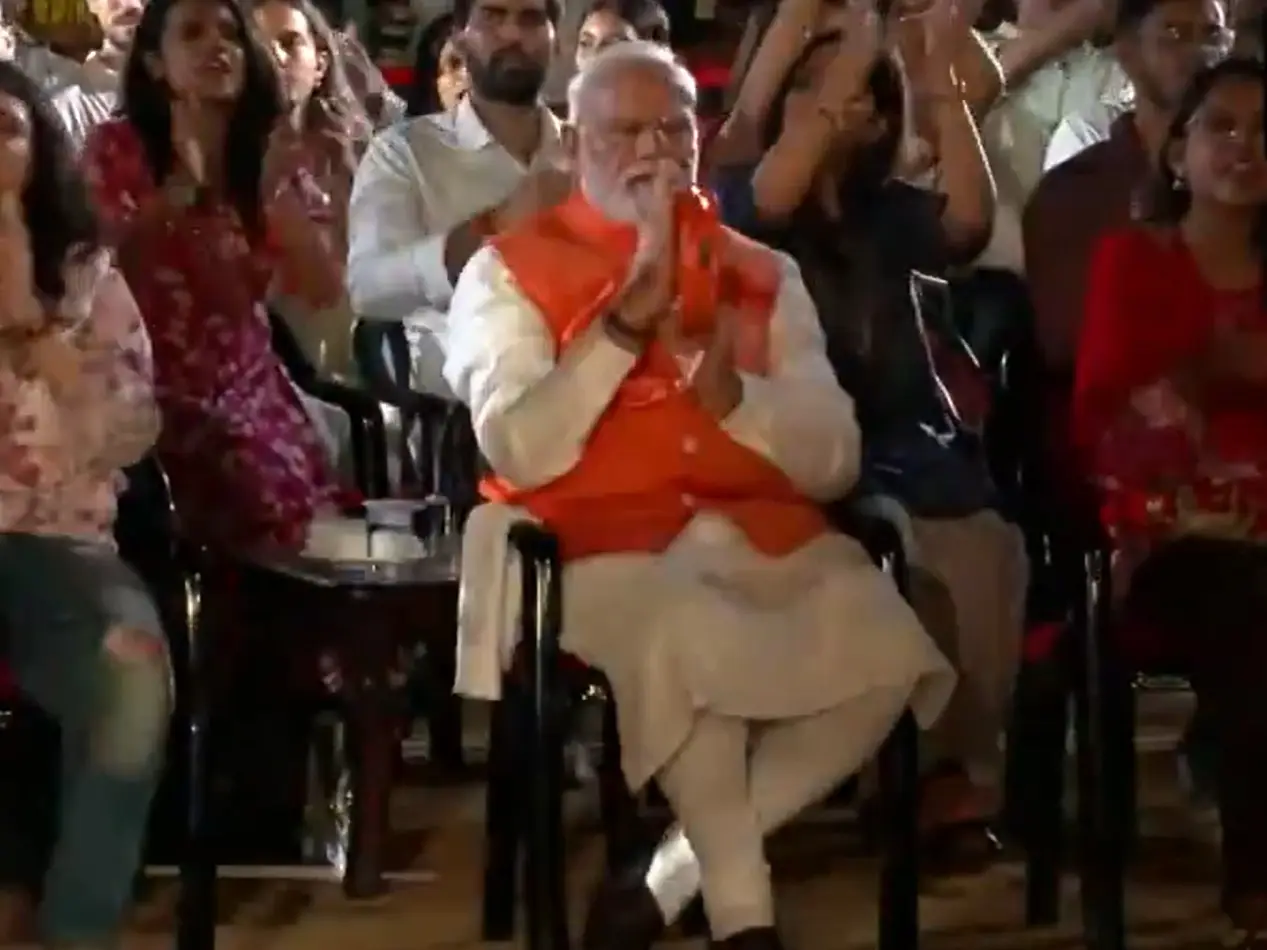)
Watch: PM Modi joins Bhajan Clubbing event in Delhi on Deendayal Upadhyaya's birth anniversary
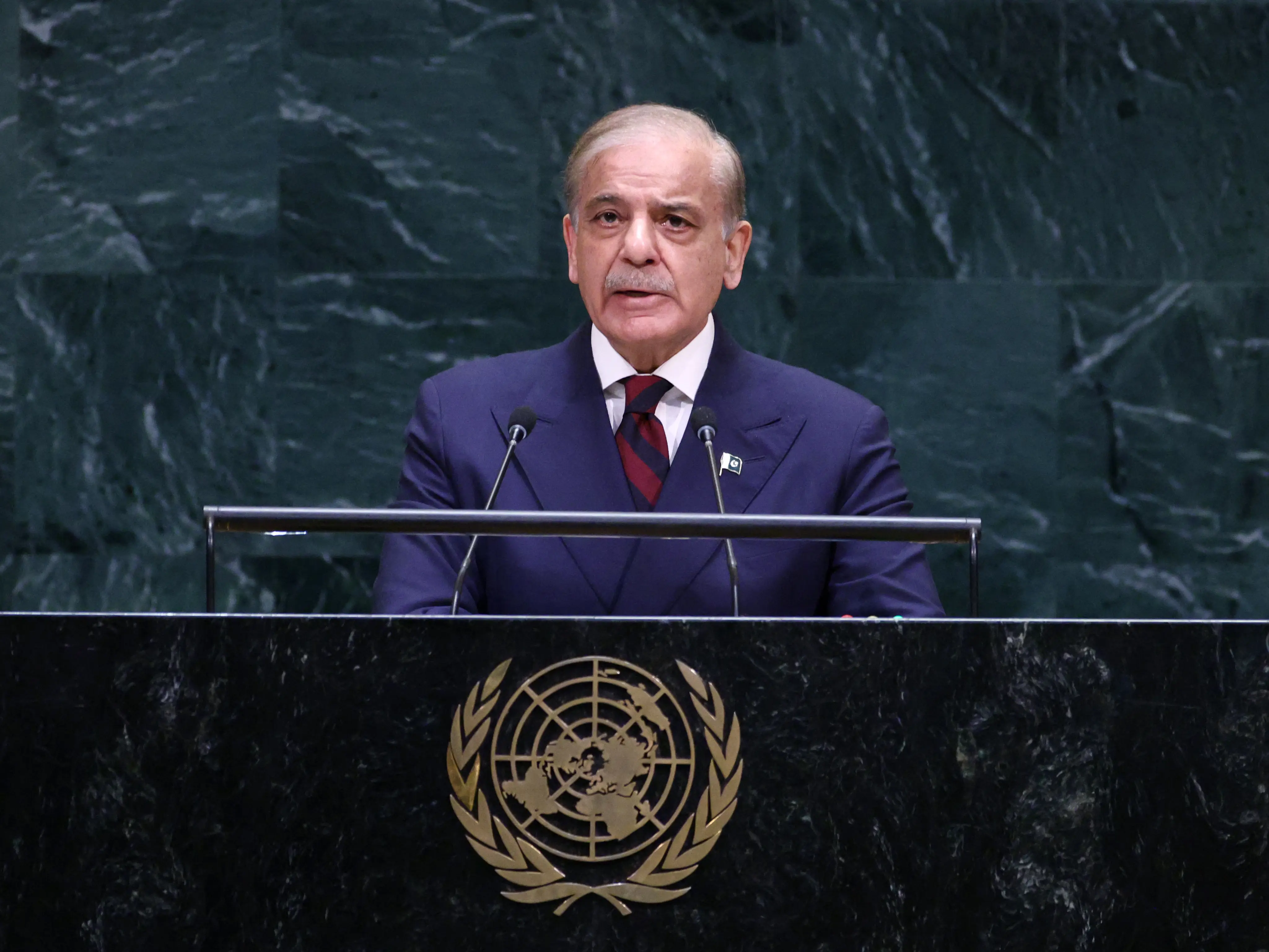)
‘Attack on Mecca a red line for Pakistan’: Shehbaz Sharif warns Houthis at UN
)
Tesla is preparing something big for Optimus: new Gen 3 models surface in app
)
Bias or safety concerns? Bengaluru CEO says firm will not hire men from UP, Bihar, Rajasthan, MP. Here's why
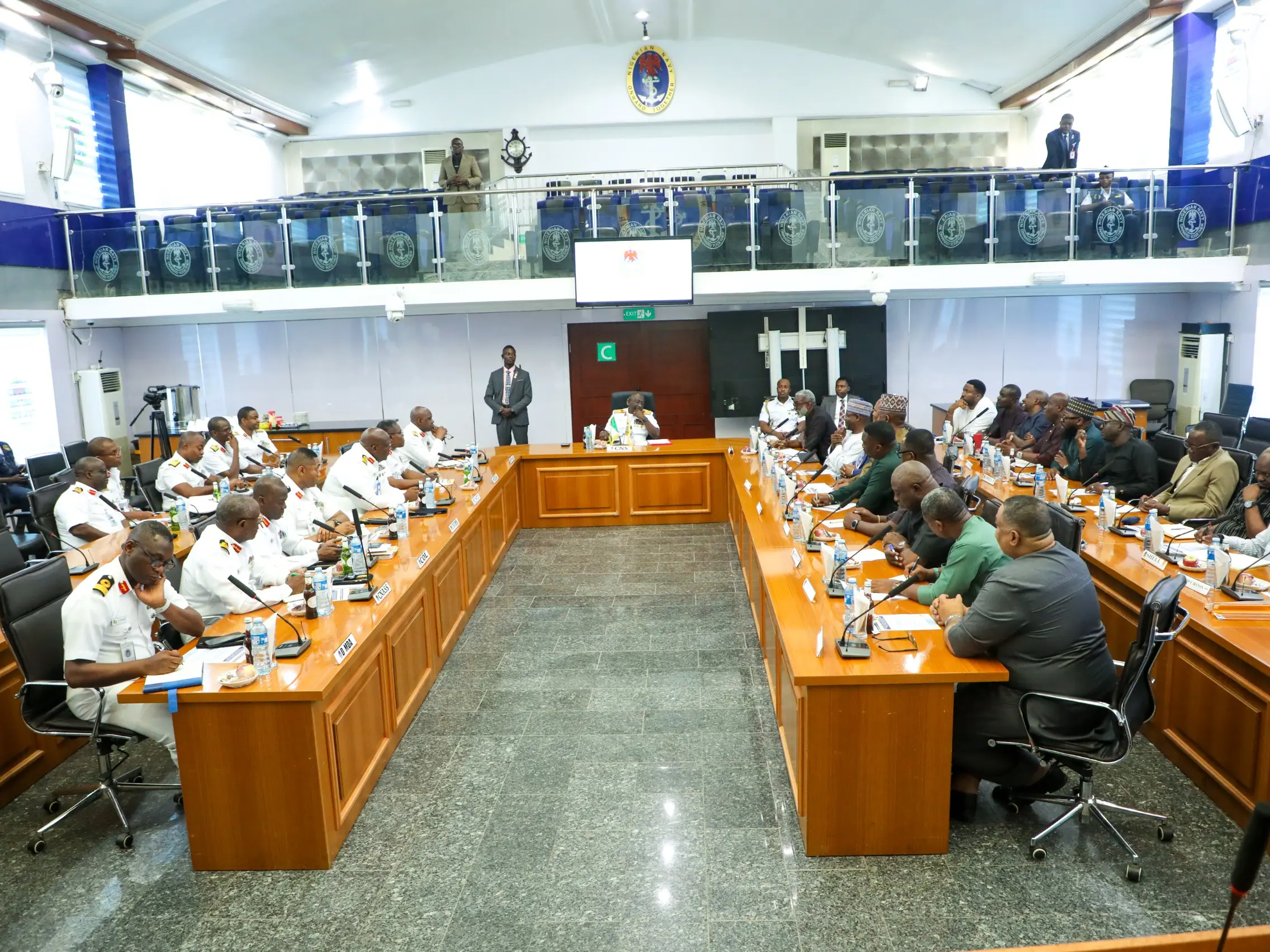)
Nigeria Navy moves to boost oil security, tackle crude theft and infrastructure threats
)
Scientists detect first radio signals directly from faraway planet
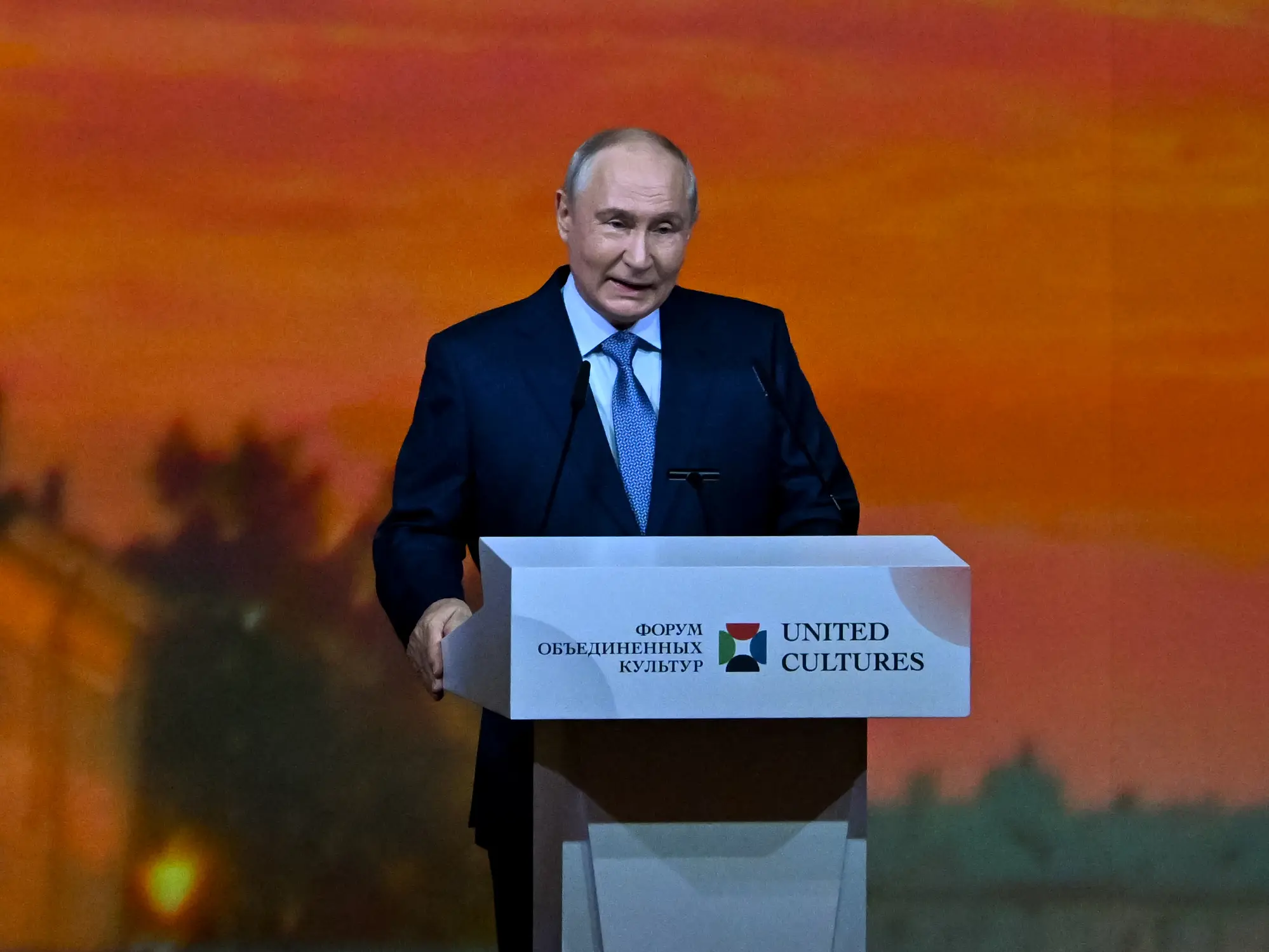)
‘It is all possible’: Putin weighs next steps on Ukraine talks, rules out Europe conflict
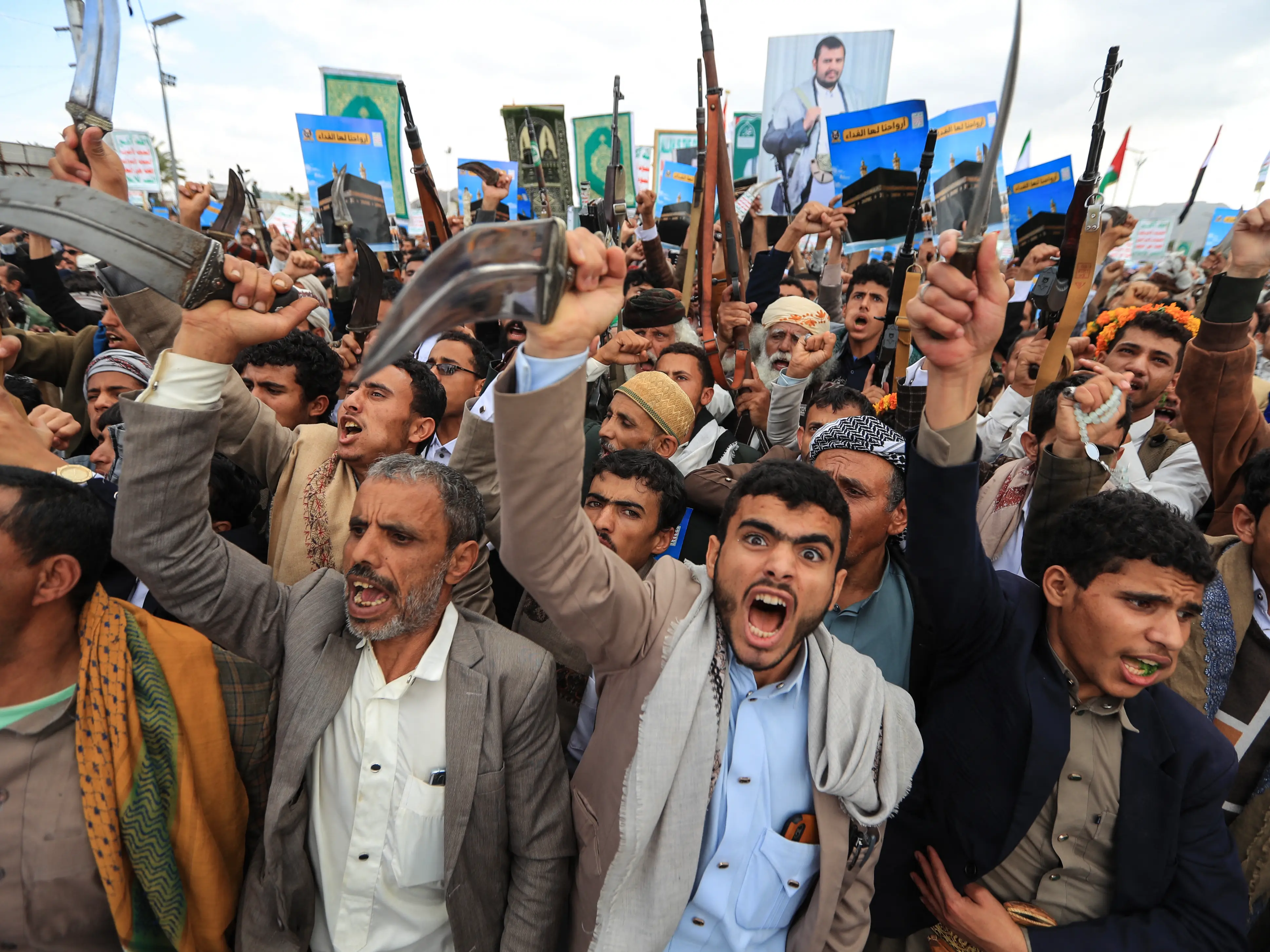)
Saudi Arabia, Turkey and Pakistan to hold urgent military talks amid intensifying Houthi attacks
)
Ex-Liverpool forward Mohamed Salah banned from driving in United Kingdom for six months
)
10,000 gather in support of 87-year-old forcefully evicted from home of 71 years
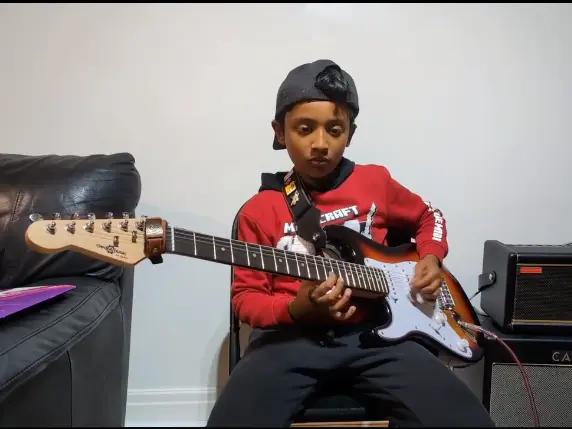)
Meet Adrian Abraham: 9-year-old Indian-origin guitar prodigy aiming for a Guinness World Record
)
Red Sea crisis: Houthis promise not to target European ships; UNSC condemns Saudi attacks
)
'Blockbuster' nor'easter develops an eye similar to hurricanes as warnings are issued
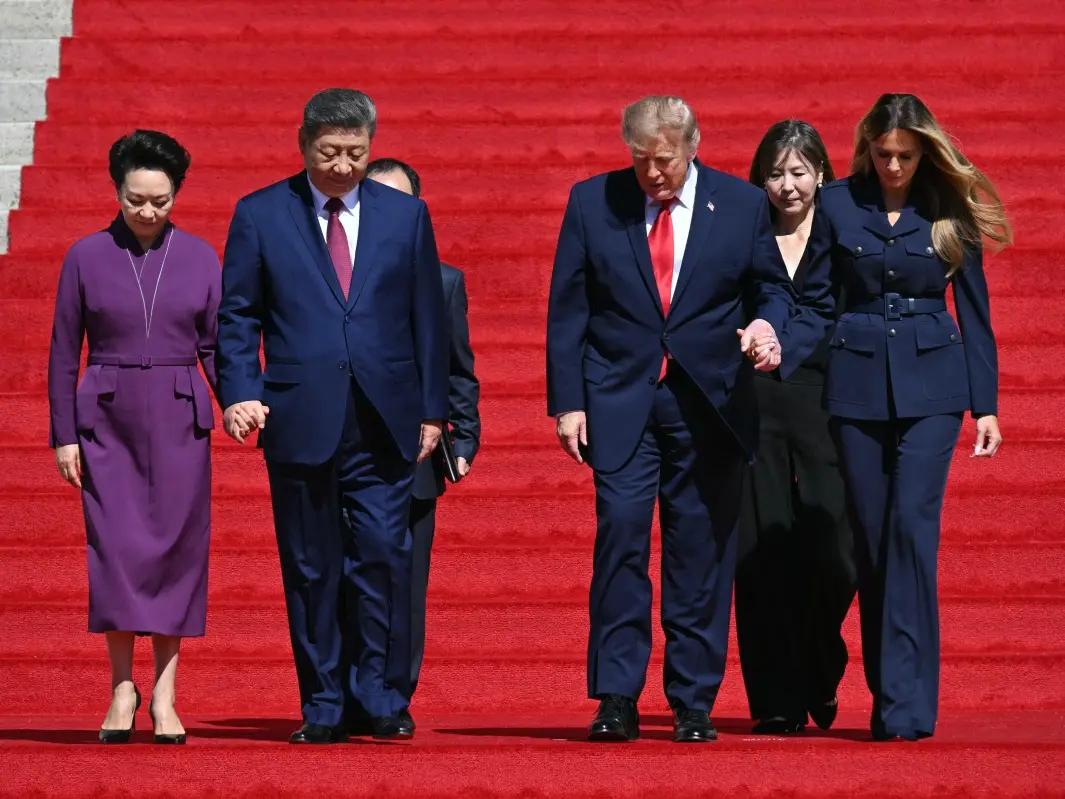)
Trump-Xi summit wrap: Big pageantry, Iran talks, few major developments and more meetings planned
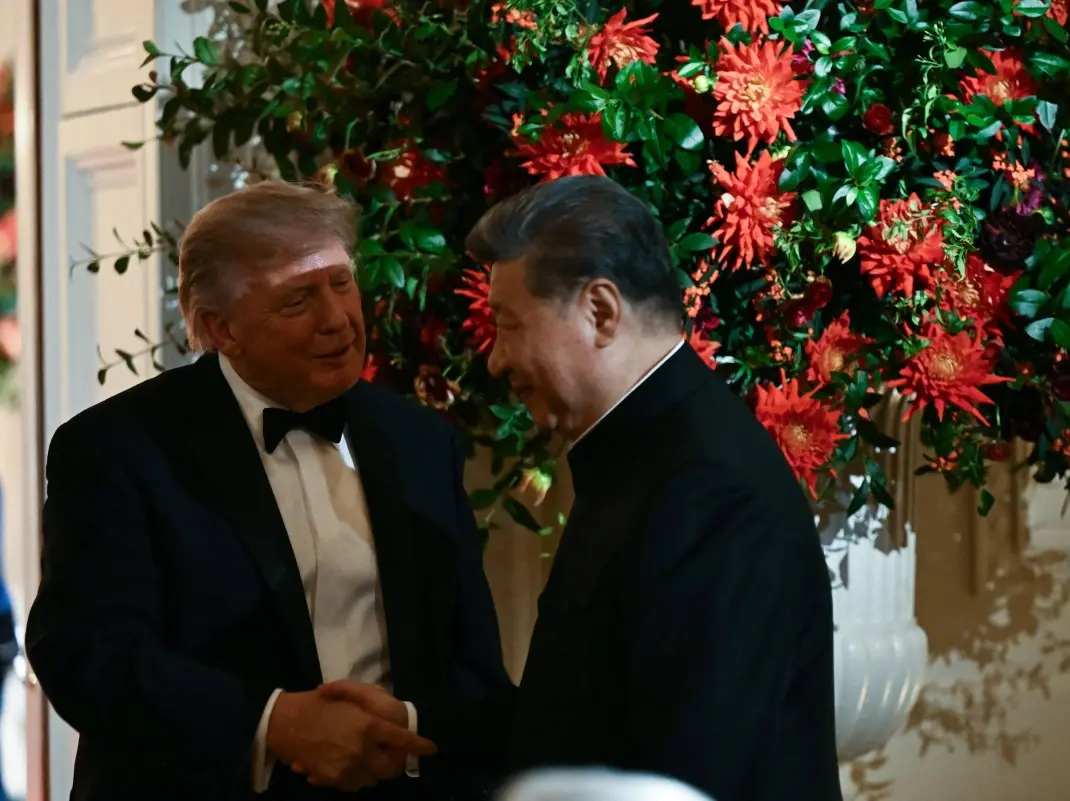)
'Making history': Xi Jinping praises Trump as US-China leaders dine at White House
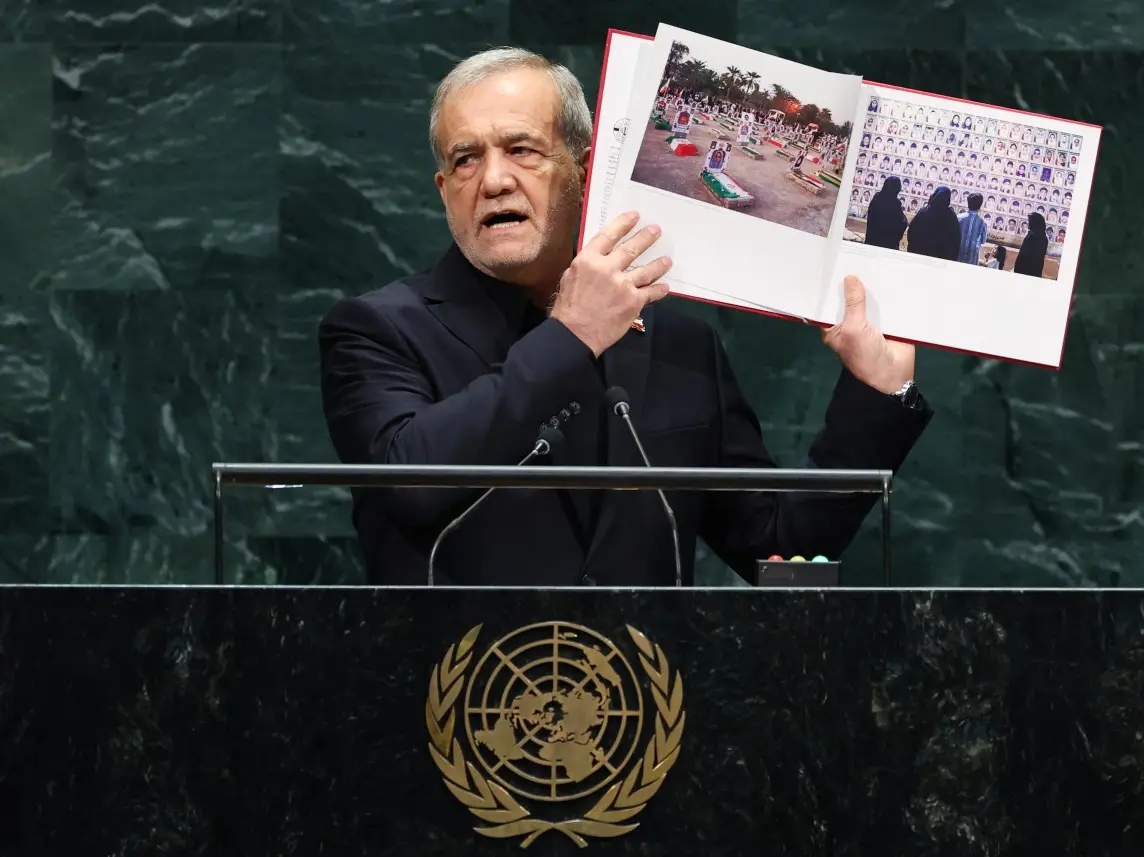)
'We do not wish to continue. It's America that must choose': Iran president Pezeshkian calls on US to end war
)
Exclusive | 'We always want to improve': Suruchi, Kamaljeet after winning Asian Games gold
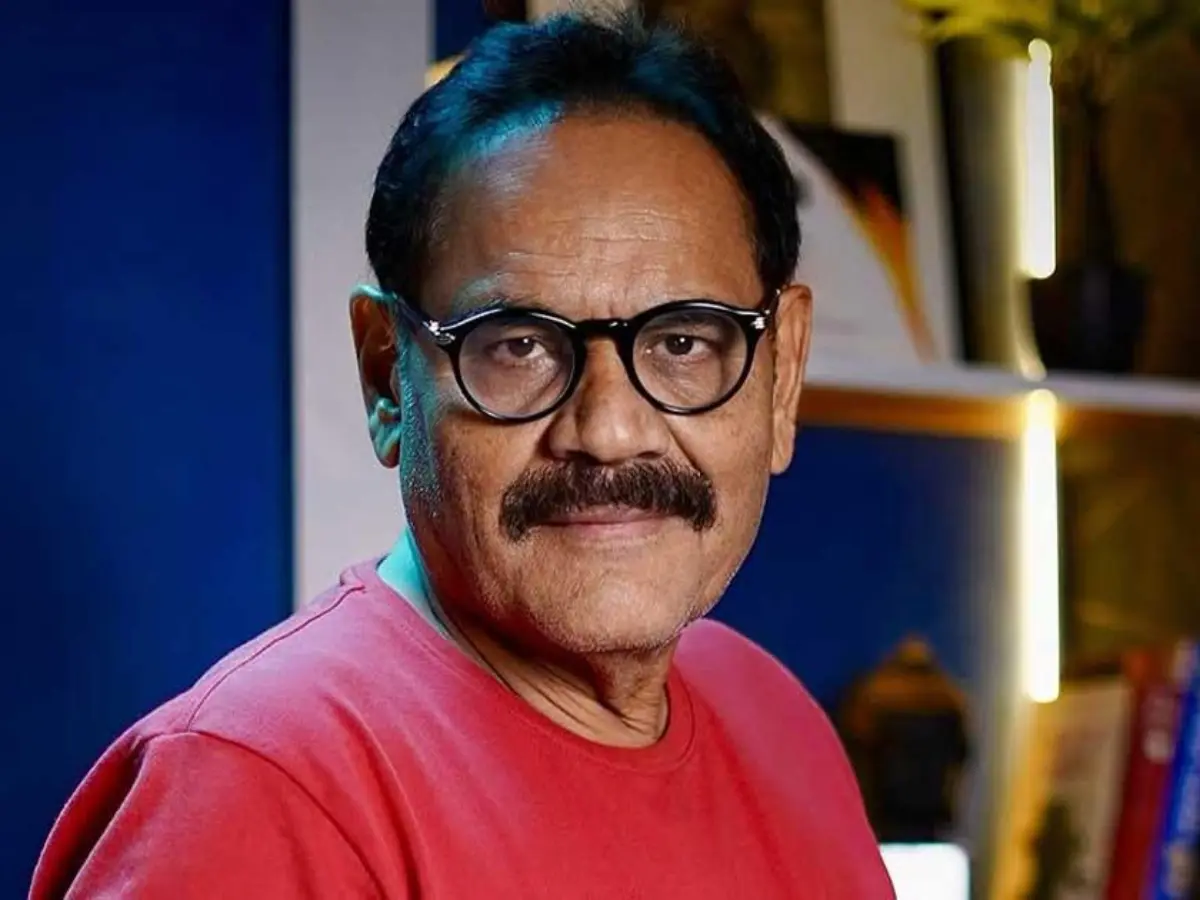)
Bollywood mourns Mushtaq Khan: Sunny Deol, Rajpal Yadav and others pay tribute
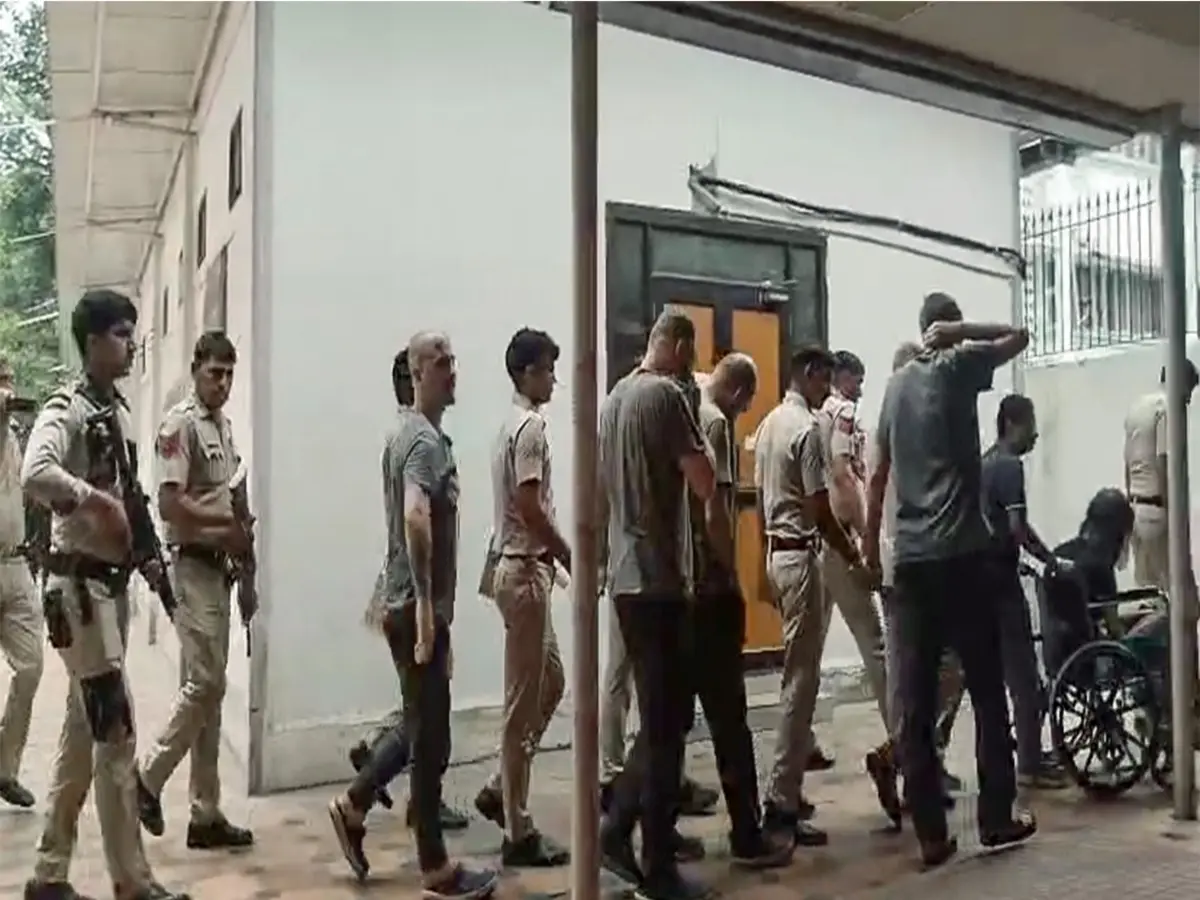)
Myanmar training camp case: US national, 6 Ukrainians allowed to meet their families abroad
)
99.9% more powerful - Scientists find boy who can recall memories from just 3 months of age
)
'FIRST LOOK from inside Noah’s Ark': Researchers share video from inside mysterious mound in Turkey
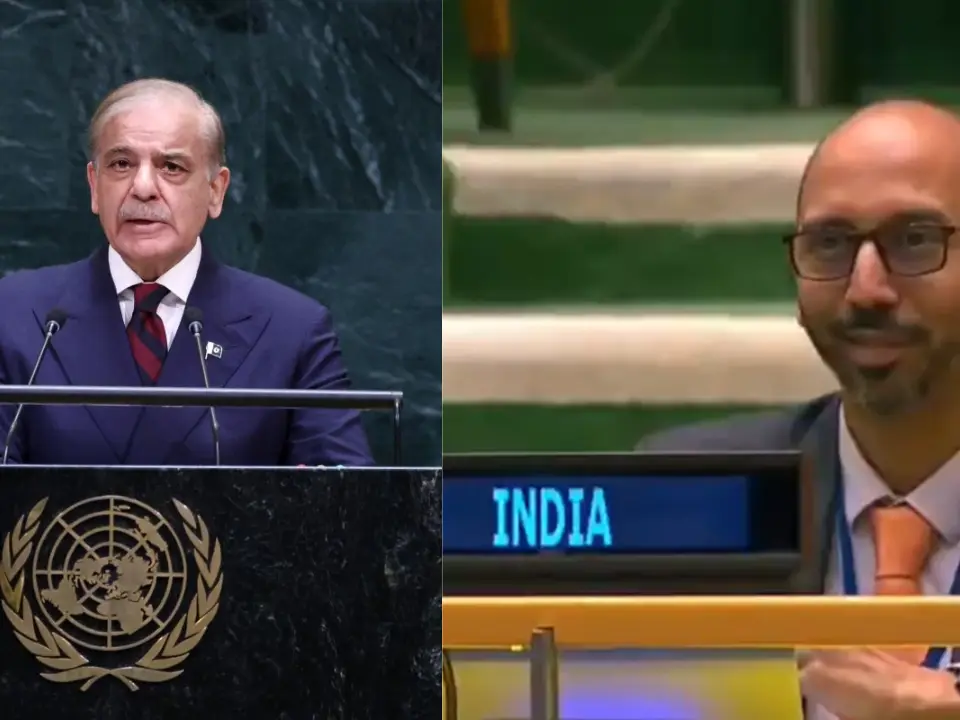)
WATCH | As Shehbaz Sharif claims Pakistan’s ‘victory’ during 2025 conflict, Indian diplomat R Srinivas laughs at UN
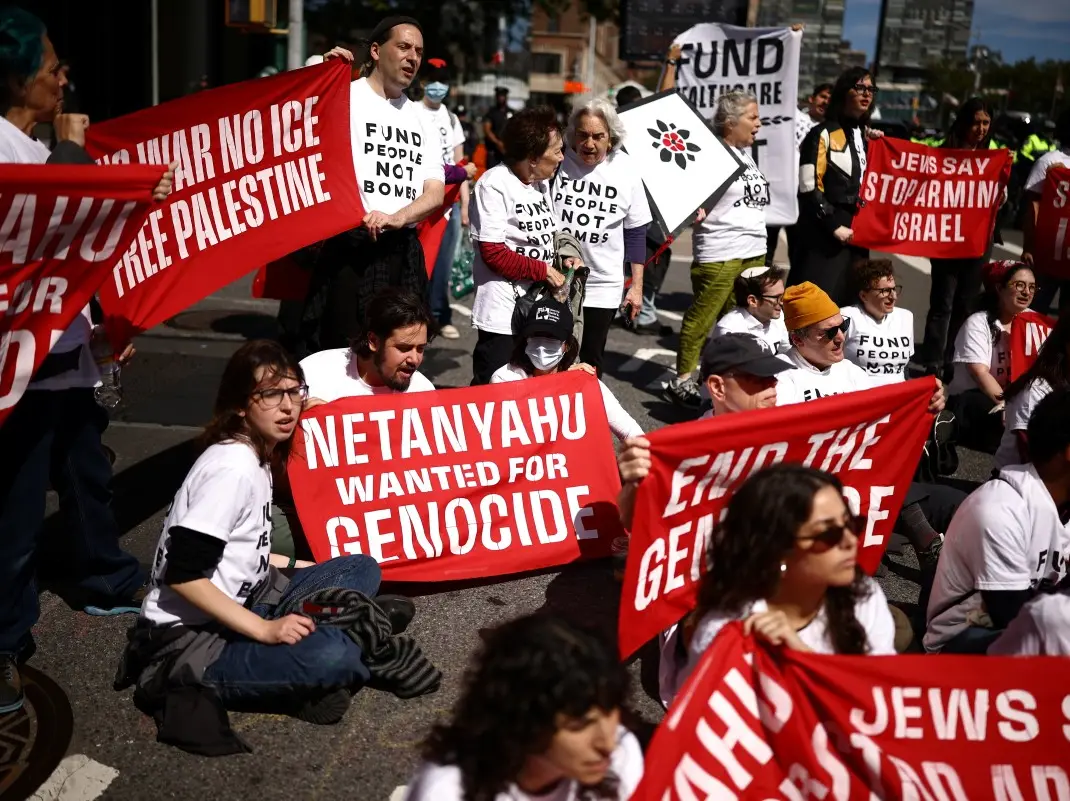)
'Fund people, not bombs': Hundreds take to New York streets as Netanyahu delivers speech at UN; dozens arrested
)
Susan Sarandon and Hannah Einbinder detained by NYPD outside UN Headquarters
)
'A terrorist country is asking me that question?': Jaishankar hits back at Pakistani journalist at UN; flags attacks on commercial shipping
)
Army chief reviews operational preparedness along LoC, visits mega eye camp in Tangdhar
&im=FitAndFill=(700,400))
‘Absolutely savage, sickening’: Zelensky slams Russia as daytime strikes kill 5 in Kyiv
)
US court backs Pentagon's decision to exclude Anthropic over Claude AI restrictions
This historic translation into Nheengatu, also known as the Amazonian general language, bridges that gap, being the only living modern version of Tupi and serving as a lingua franca among different Amazonian groups.
The translation efforts and their impact
The translation project was coordinated by Brazil's national justice council and carried out by a team of 15 bilingual Indigenous people from the Alto Río Negro and Médio Tapajós regions.
Inory Kamari, one of the translators, who spoke the Guardian,touched uponthe importance of promoting Indigenous languages, stating that, as people, they have the right to respect and recognition.
With over 305 ethnic groups speaking 274 Indigenous languages, the publication of the translated constitution is seen as a crucial step toward preserving Brazil's rich cultural and linguistic diversity.
It also helps raise awareness about Indigenous rights and ensures fairer treatment within the state's legal framework.
Advocating for implementation
While the Indigenous translation of the constitution is a major achievement, advocates emphasise that its true impact will depend on the application of the principles laid out within it.
Despite constitutional protections, Indigenous rights in Brazil have been under constant threat, particularly during the tenure of former president Jair Bolsonaro.
Also watch |BRICS Summit 2023: FM Lavrov to represent Russia at the Summit
The current administration, led by Luiz Inácio Lula da Silva, faces the challenge of reversing this situation, but opposition from a conservative congress makes the task difficult.
Indigenous leaders and advocates express hope that this translation marks the beginning of further progress in recognising and respecting all Indigenous languages in Brazil.
WATCH WION LIVE HERE: