Humans will be anxious upon returning to normal social lives after lockdown: Researchers

Isolation
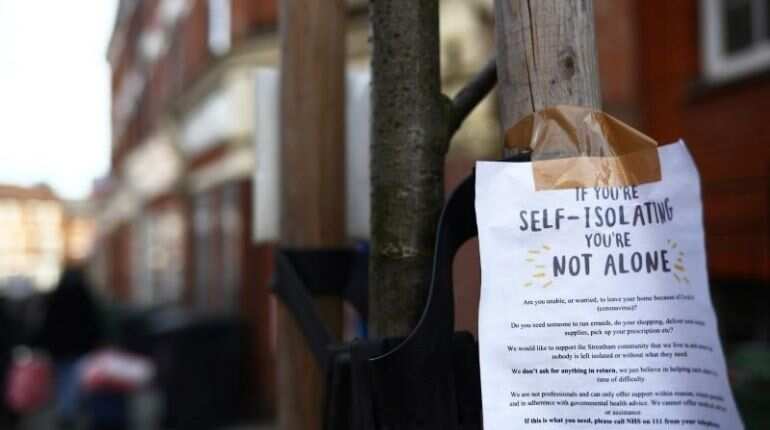
The world has been under a lockdown, partial or complete, since few months now. As the pandemic took over the world, majority countries closed their economies and people quarantined themselves in their homes.
While some countries are now re-opening economies, citizens of some countries are still in self-isolation.
Some researchers studied this situation and conducted a research on the effect that this self-isolation can have on people.

UCL researchers based at the Wolfson Institute and the Sainsbury Wellcome Centre researched on how while the isolation period can bring up loneliness, it can alsoresult in a decreased desire for social interaction.
Also watch|Study: Virus may get inactive, if exposed to direct sunlight
To understand the paradox, the researchersinvestigated social behaviour in Zebrafish, a freshwater fish. The researchers chose Zebrafish as mostof them demonstrate pro-social behaviour, but approximately 10 per cent are `loner` fish. These loner fishes show different brain activity than the pro-social Zebrafish.
&im=FitAndFill=(700,400))
National Handloom Day 2026: From Alia Bhatt to Samantha Ruth Prabhu; Actresses who celebrated India's textile heritage as brides
)
The Royals enter the Doctor Who universe: King Charles and Queen Camilla beam into Commonwealth Games in TARDIS
)
Unitree Robotics targets $9 billion valuation in landmark IPO backed by DeepSeek and Tencent
)
India names 27 sites in Arunachal Pradesh
)
Bharat Bhhagya Viddhaata OTT: When will Kangana Ranaut's film stream online?
&im=FitAndFill=(700,400))
How many soldiers operate one S-400 battery?
)
Shakib Al Hasan ready to return to Bangladesh—under one condition
)
‘Fake news’: MEA rejects report claiming India sought defence pact with Israel after Pakistan, Saudi Arabia, Turkey deal
)
Rockstar to unveil GTA 6 extended look ahead of November launch
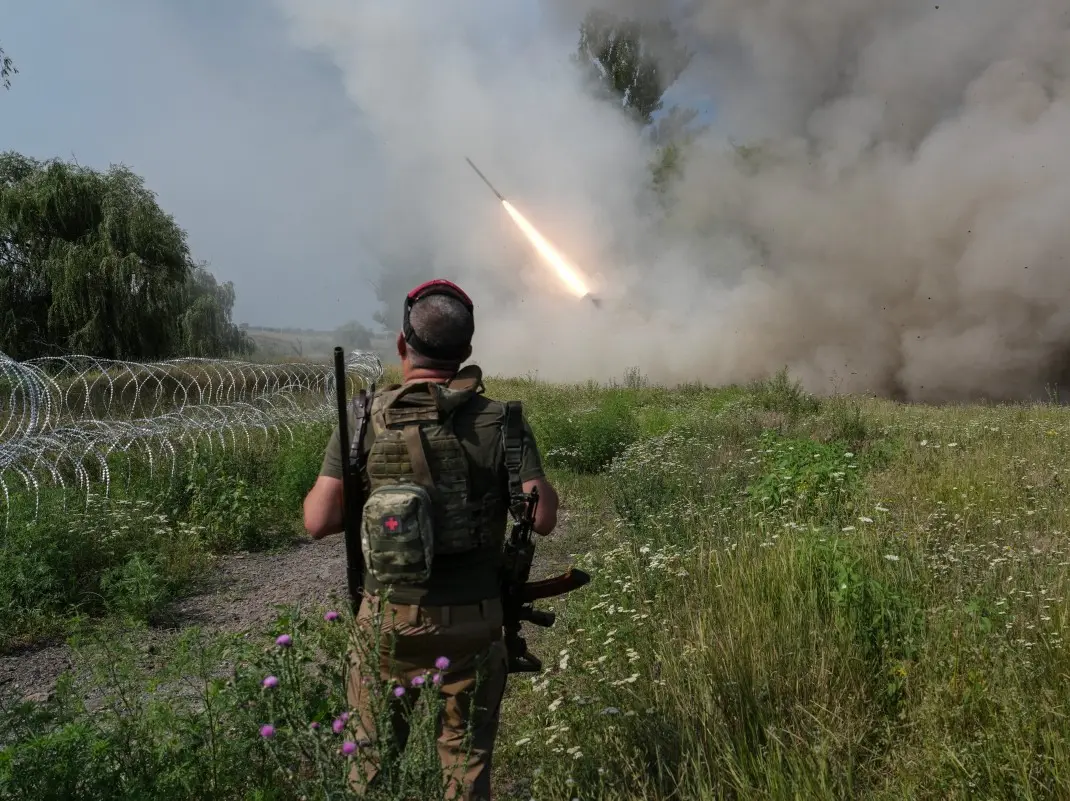)
Russia forms Ukrainian Volunteer Spetsnaz Brigade to fight Ukraine
)
Drug-resistant fungus that hides in hair and enters bloodstream reported in 23 US states
)
Technology transfer deal boosts India's defence manufacturing ambitions
)
Border row erupts in Europe after Ceuta crossings, Spain imposes border controls on Italy
)
Morale plummets on USS Abraham Lincoln: Are US sailors reaching a breaking point? | GRAVITAS
)
'Security can't be bought with Pakistan, Turkey deal': Iran tells Saudi Arabia
)
Baba Vanga's 2026 prophecy: 2 predictions 'already came true', 3 terrifying ones remain. Details inside
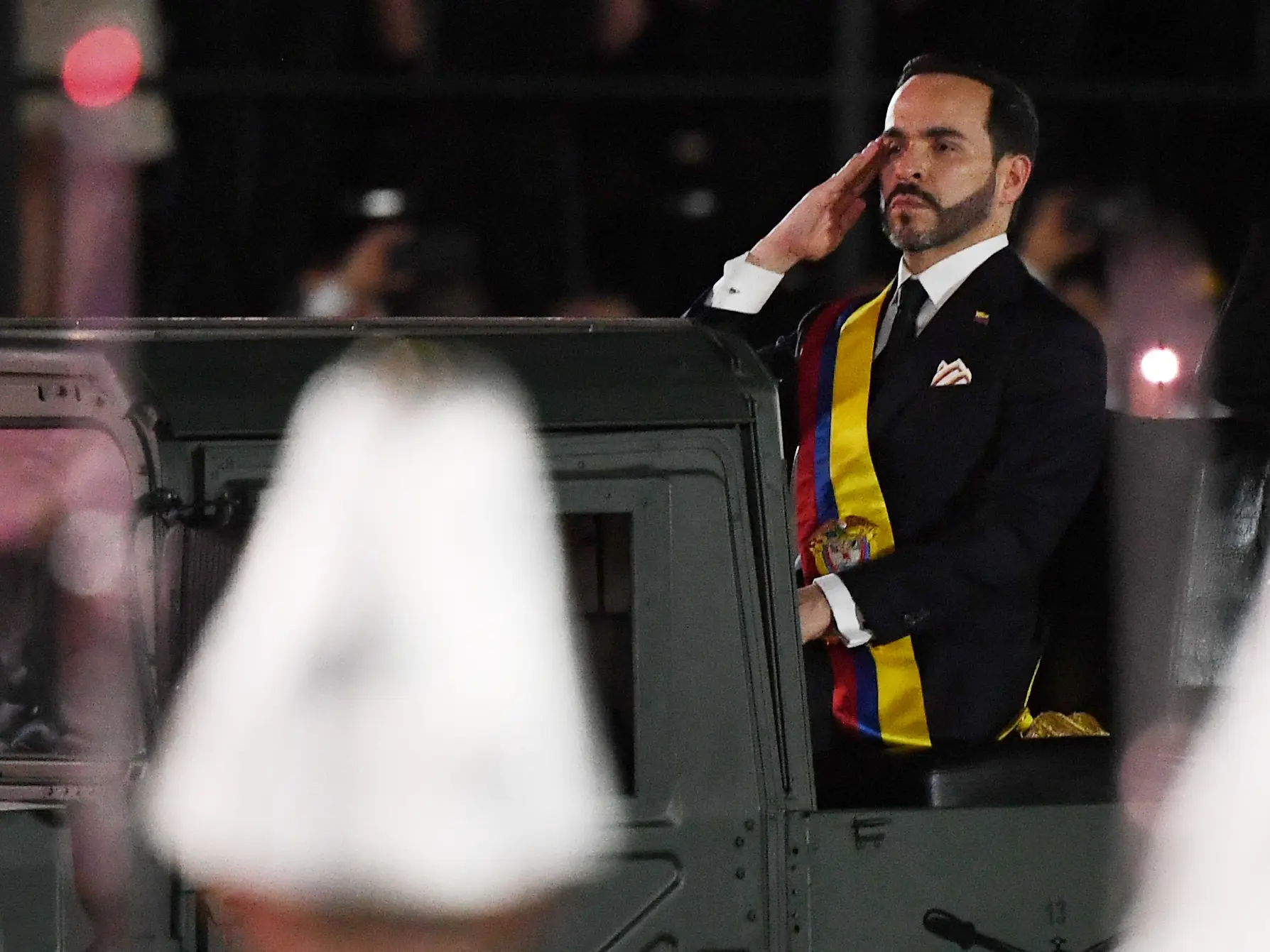)
Colombia’s new president Abelardo de la Espriella vows to ‘defeat narco-terrorists’, signals hardline shift
&im=FitAndFill=(700,400))
New Friday OTT releases (August 7, 2026): Operation Safed Sagar, Vadhandhi, Main Vaapis Aaunga- 6 movies and TV shows on Netflix, Prime Video and more
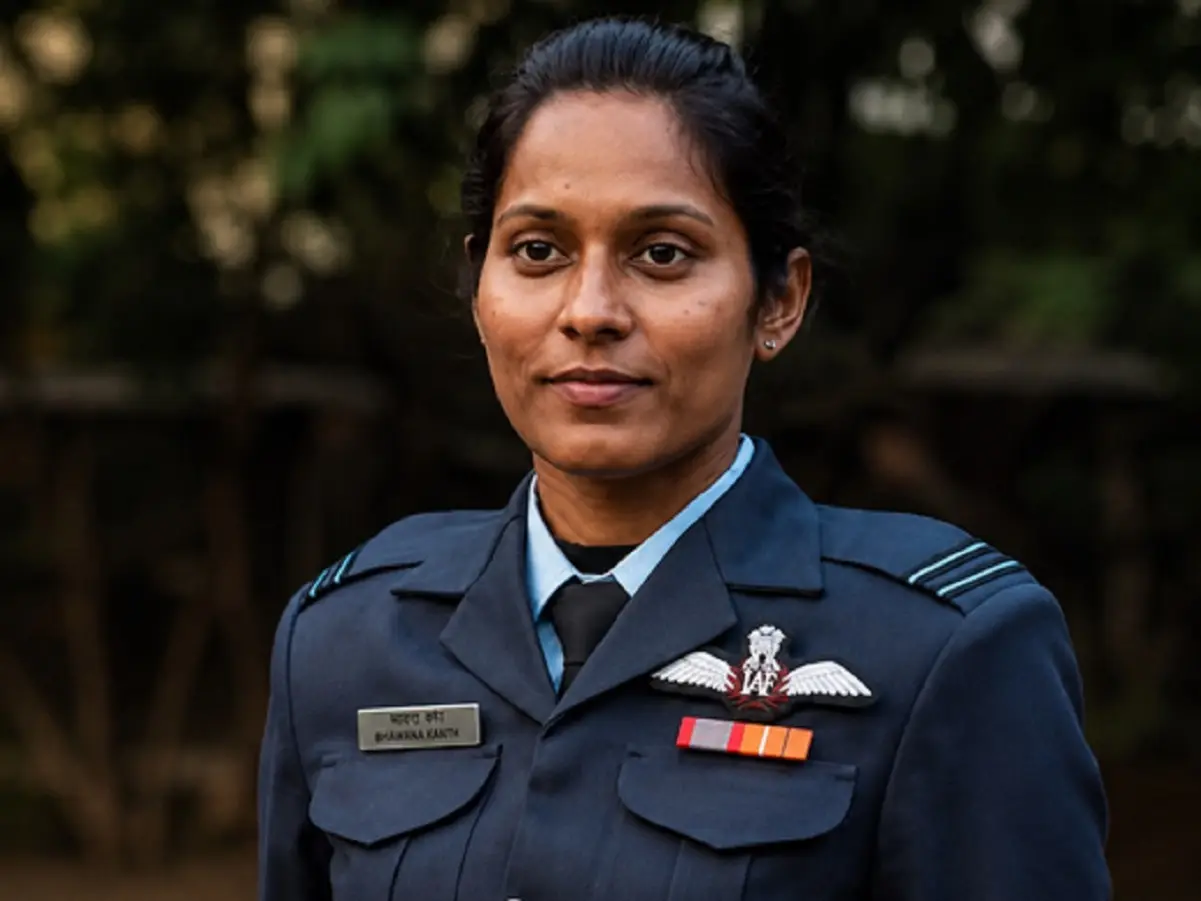)
Squadron Leader Bhawana Kanth scripts history as Indian Air Force gets its first woman ‘Top Gun’ pilot
)
RSS says Gen Z protests reflect genuine distress
)
Trump says Iranian school bombing photos could be AI-generated - 'I don’t think...'
)
IAF officer held for sharing sensitive information in 'honey trap' case, booked under Official Secrets Act
)
Stray Kids under scrutiny? Fans react to Grammy submission silence after BTS boycott
&im=FitAndFill=(700,400))
Why the Su-30MKI doesn't need external fuel tanks to fly vast distances
)
Jugal Hansraj reunites with Shekhar Kapur after 40 years for Masoom: The Next Generation
)
New speed limits, automatic challans: Big traffic change coming to Delhi-Meerut Expressway. All you need to know
)
India officially names 27 places in Arunachal to counter China's renaming claims
)
Trump calls White House ballroom ruling a 'national disgrace' as court says Congress approval needed
)
US sanctions Iran’s crypto network after Strait of Hormuz attacks, offers $15m bounty for intel on IRGC finance
&im=FitAndFill=(700,400))
Why the Su-30MKI is one of the heaviest fighters ever built
)
Uttarakhand young innovator builds India's own flying vehicle, conducts first test flight: WATCH
)
Chilling video shows students take cover as teen opens fire at Thai school
)
Reese Witherspoon's father hospitalised after poolside incident in Nashville: Report
It has also been observed that on a usual basis too, Zebrafishavoid social interaction after a period of isolation.
The researchers tried to test, through this research, if the pro-social behaviour Zebrafish mimic the behaviour of the loner fish, or does it depend on the circumstances.
To test the theory,the researchers isolated typically social zebrafish from other fish for a period of two days and then compared their brain activity to zebrafish, who demonstrated aversion to social interaction without having been isolated.
The isolated fish demonstrated sensitivity to stimuli. It showed increased activity in the areas of brain related to anxiety and stress. However, the activity settled quickly after a dose of an anti-anxiety drug.
The difference between the social and the loner Zebrafish was observed in thehypothalamus, the region of the brain responsible for social rewards.
The loner fish did not showthe same pattern of activation during social exposure as the pro-social behaviour one. This proved that the loner fish didnot experience rewards in the same way as typical fish during social interactions.
"A detailed view of the zebrafish brain can provide important clues for all of us currently experiencing the effects of social isolation," said Dr Elena Dreosti.
"Our understanding of the neural mechanisms of social behaviour are limited, but we do know that zebrafish and humans share a fundamental drive for social interaction that is controlled by similar brain structures," Dreosti added.
Although the researchers admit that the human brain and behaviour is much more complex, this study does provide an insight that thehumans won't be loners after the lockdown, but will be anxious upon returning to normal social lives.
The research has been conducted byPhD students Hande Tunbak and Mireya Vazquez-Prada, Postdoctoral Research Fellow Thomas Ryan, Dr Adam Kampff and Sir Henry Dale Wellcome Fellow Elena Dreosti, and was publishedin eLife.
(With inputs from agencies)