&imwidth=800&imheight=600&format=webp&quality=medium "Govt hikes diesel export duty by Rs 14 per litre, ATF by Rs 12.5; petrol unchanged")
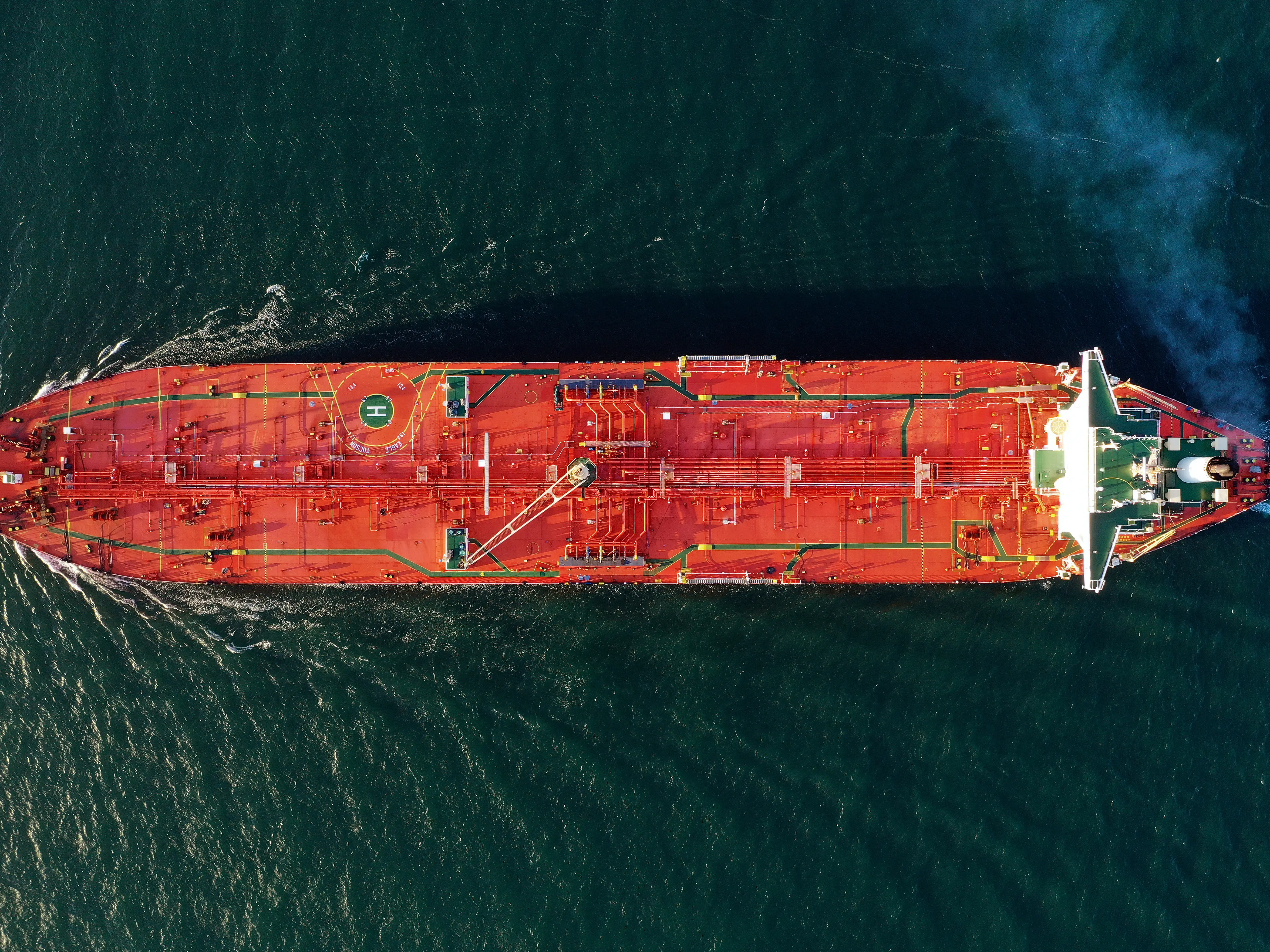
The Central government on Monday increased export duties on diesel and Aviation Turbine Fuel (ATF), while leaving the duty structure on petrol unchanged.
According to a notification issued by the Department of Revenue, export duty on diesel has been raised by Rs 14 per litre, while ATF exports will attract a duty of Rs 12.5 per litre.
No changes have been made to export duties on petrol or to the excise duties applicable to petrol and diesel meant for domestic consumption. The revised rates will take effect from Tuesday.

The export levies, comprising Special Additional Excise Duty (SAED) and Road and Infrastructure Cess (RIC), were introduced on March 27 to ensure adequate domestic availability of petroleum products. The move came amid concerns over supply disruptions linked to the West Asia crisis and was aimed at discouraging excessive exports.
The government reviews these duties every fortnight. The previous revision came into force on June 1. Duty rates are determined on the basis of average international prices of crude oil, petrol, diesel and ATF recorded since the previous review period.
Trending Stories
)
Mumbai: Gallops restaurant at Mahalaxmi Racecourse licence suspended over food safety violations
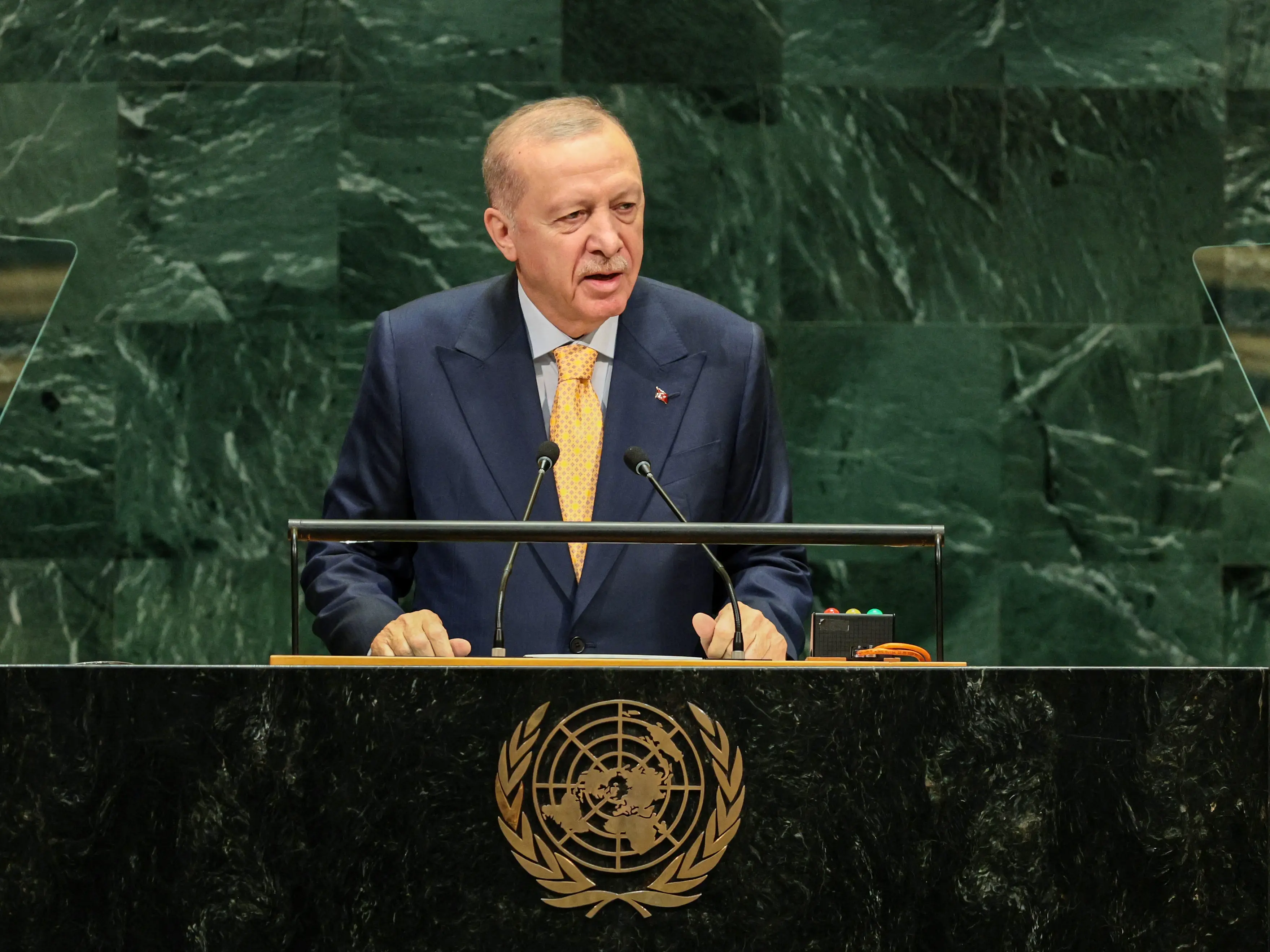)
Erdogan again raises Kashmir issue at UNGA, calls for dialogue under UN Charter
)
Ten days from Delhi to Washington: What Xi's BRICS-to-White-House sprint means for India
)
'Our team opened the gate of gold medals': Harmanpreet Kaur on India’s Asian Games final win
)
'Needs time away from the international scene': England white-ball captain Brook on pacer Brydon Carse's future
)
Four decades after leaving Kolkata, the Birlas may be coming back for more
)
The Verdict | Moral policing isn’t culture or discipline, it’s crime
)
Glitch in the matrix caught on camera: Woman vanishes after talking to reporter
)
Rani Mukerji's mother Krishna Mukerji passes away; Karan Johar, Jaideep Ahlawat visit actress
)
Asian Games 2026: India women's cricket team beats Sri Lanka by 147 runs for first gold
)
Key accused in Bihar's Jamui molestation case, arrested after police shoot him in leg
)
ICC plans T20I expansion and fewer ODIs in 2027–2031 FTP cycle: Report
)
Injured pelican knocks on NOAA facility door in Florida seeking help
)
'Mumma’s boy from Gwalior who dared to dream': Kartik Aaryan pens long note after first National Award win
)
US and China vie for AI dominance as calls grow for regulation | Gravitas
72nd National Film Awards: Kartik Aaryan receives Best Actor honour for Chandu Champion in Gujarat
)
IND vs JPN, one-off T20I: Japan captain Kendel on pushing India to the brink - ‘It was special’
)
Saudi Arabia exits China-led mBridge digital currency platform amid Saudi-Houthi conflict
)
National Film Awards 2026: Yami Gautam wins Best Actress for Article 370
)
World leaders repeatedly call Gaza crisis ‘genocide’ as Israel’s war dominates opening sessions of UNGA
)
WION Iconic Tourism Summit and Iconic Awards 2026: India's travel economy leaders gather in Delhi
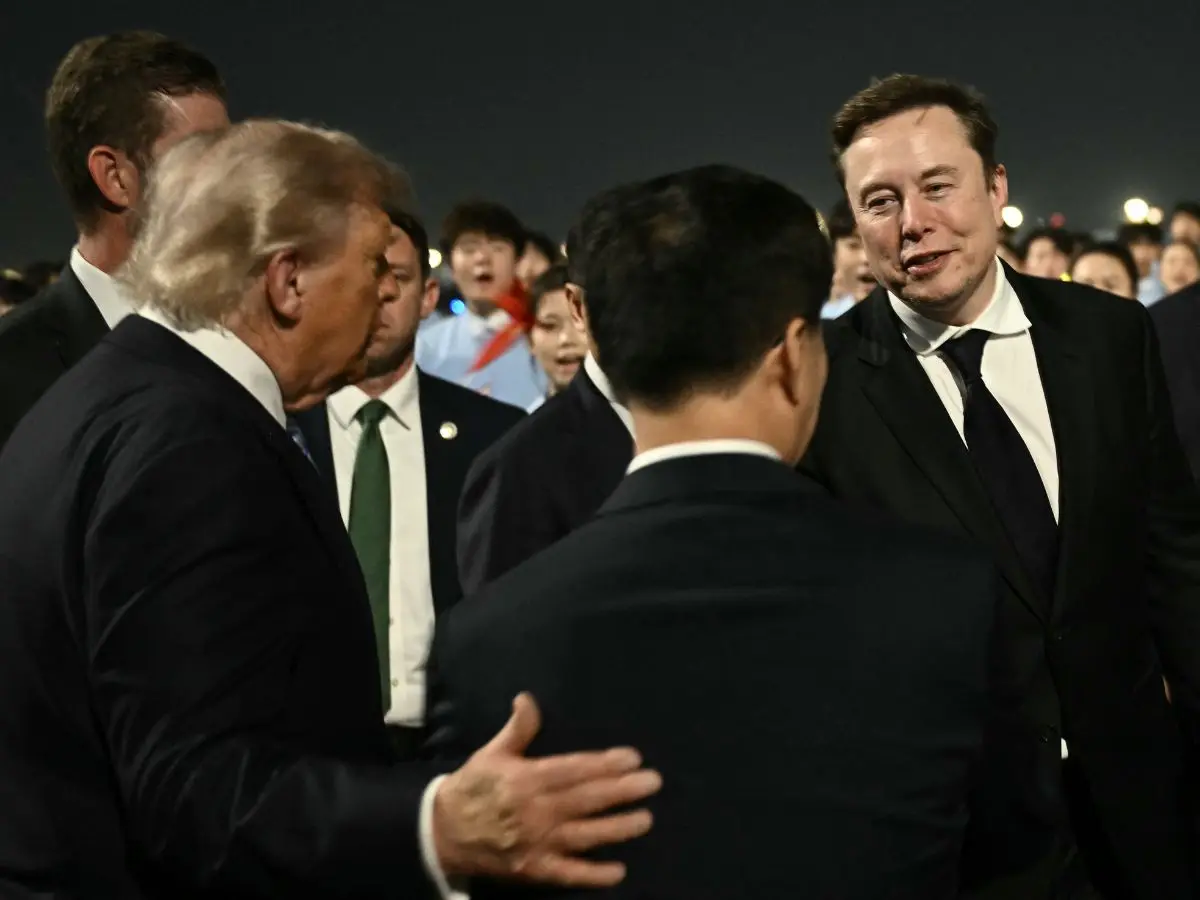)
Trump-Xi state dinner 2026: Who is invited? Full guest list of tech CEOs, business leaders and officials
)
American manufacturing is reshoring faster than its factory floors can absorb
&im=FitAndFill=(700,400))
New OTT releases this week (September 21-27, 2026): Shaque: Trust No One, Hunkkaar, Don’t Be Shy- 5 new titles coming to Netflix, Prime Video and more
)
Trump calls on nations to quit ‘rogue’ and ‘out-of-control’ International Criminal Court, rips UN
)
Who is Clavicular? The 20-year-old controversial 'Looksmaxxing' influencer charged with rape allegations
)
'This is normally what toddlers do': Why a psychiatrist is raising fresh questions about Trump’s recent behaviour
&im=FitAndFill=(700,400))
National Film Awards 2026: Kartik Aaryan, Mammootty, Yami Gautam, Randeep Hooda and other key winners
)
‘We are all held hostage’: Brazil’s Lula attacks Security Council inaction, Guterres calls for reform
)
‘Strike a deal or drive Iran into hell’: Trump issues fresh warning to Tehran at UNGA
)
Trump calls Cuba a ‘failed state’ at UN, Cuban delegation walks out
)
Trump’s China visa crackdown puts US universities, Chinese students in focus ahead of Trump- Xi summit
)
Explainer: Why rare-earth export licences and Board of Trade are US priorities ahead of Trump-Xi summit
)
BTS fans mock iHeartRadio’s day 2 turnout after short set controversy
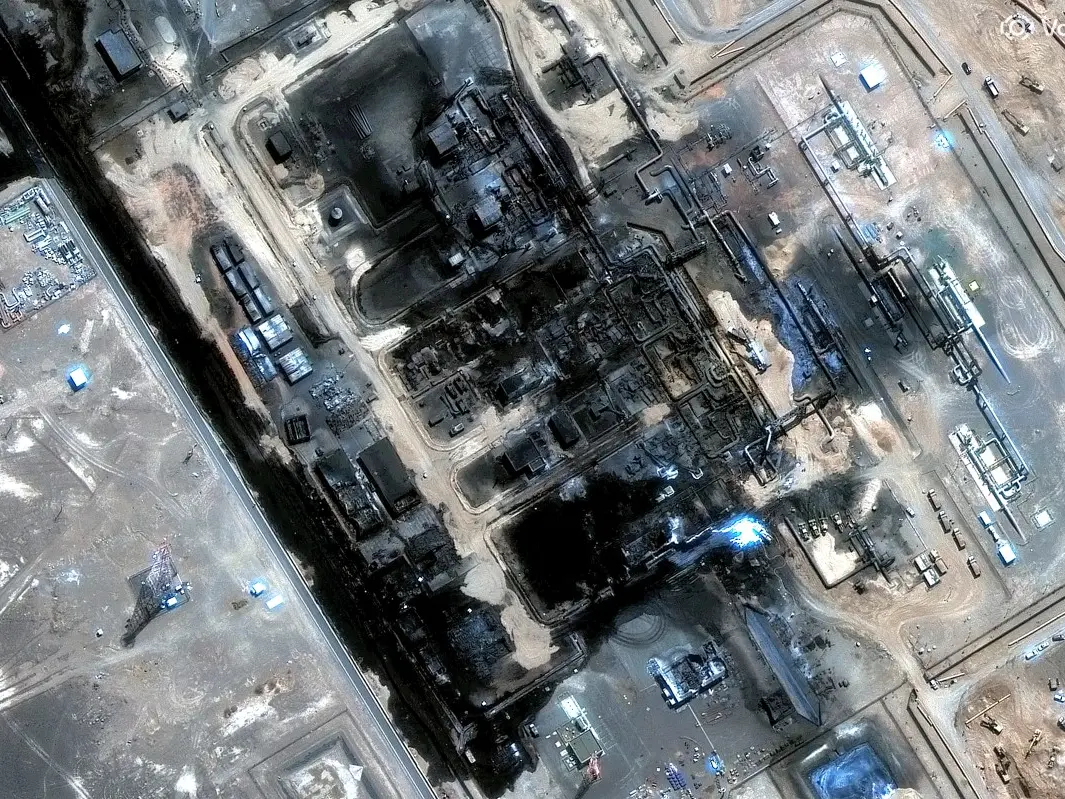)
Oil slips to $98 as Saudi Arabia restarts East-West oil pipeline
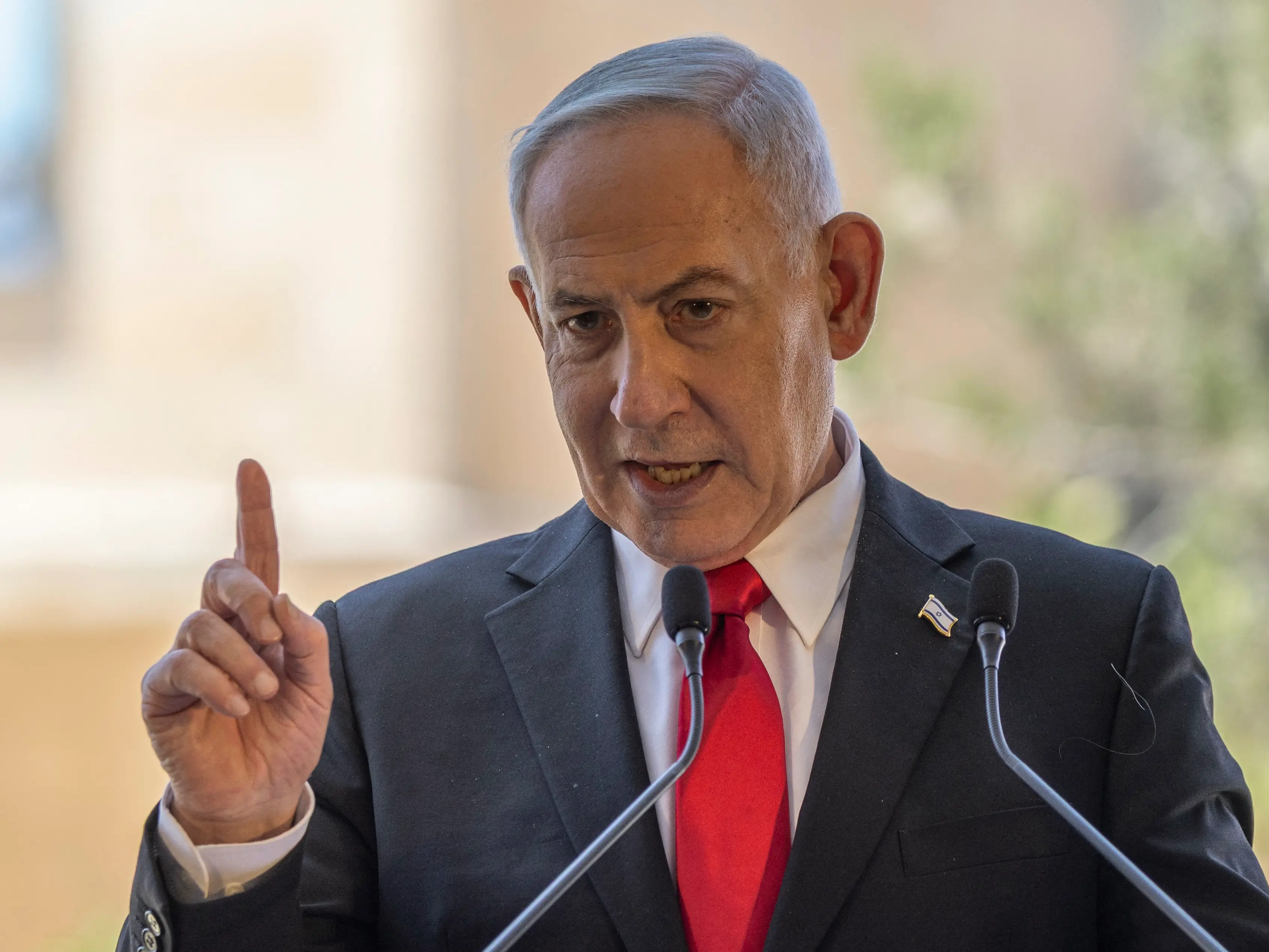)
‘Shame on you’: Netanyahu vows to ‘tell the truth’ about Mamdani at UN ahead of New York visit
)
The Scandal: Why so scandalous? Ji Chang Wook leaves you gasping for air
Amid concerns over global energy markets, the Petroleum Ministry on Monday assured that India has sufficient stocks of petrol, diesel, LPG and natural gas to meet domestic demand.
Speaking at an inter-ministerial media briefing, Joint Secretary Sujata Sharma urged consumers and industries to use energy responsibly and avoid unnecessary pressure on the fuel supply chain.
She also appealed to large industrial and commercial consumers to procure diesel through their own consumer pumps instead of relying on retail fuel stations.
The developments came after reports emerged that the United States and Iran had digitally signed an agreement on Sunday.
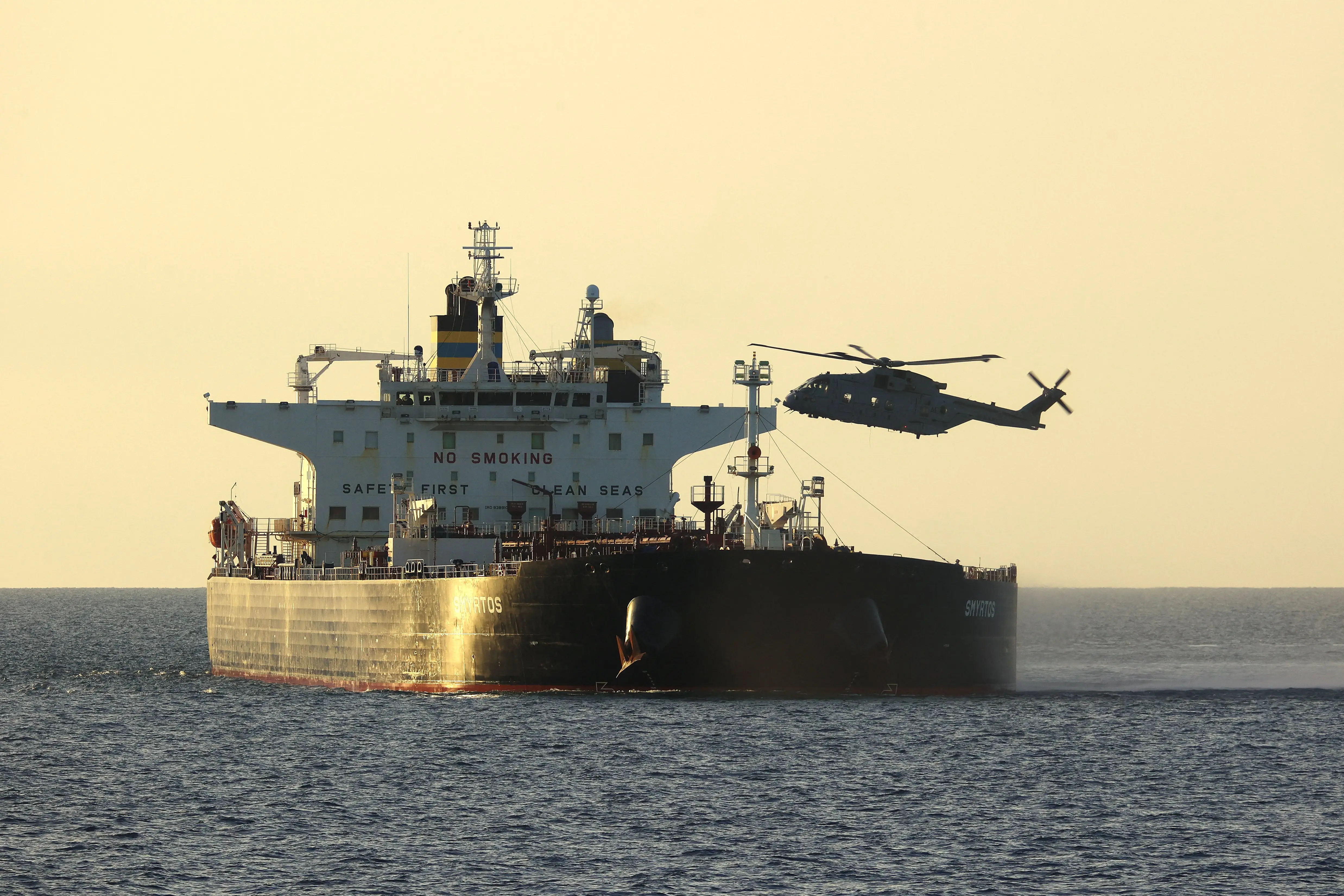
Following the agreement, US President Donald Trump claimed that vessels carrying oil had begun moving through the Strait of Hormuz.
“Ships are starting to move, many loaded up with Oil, out of the Strait of Hormuz,” Trump said in a Truth Social post on Monday.
“They are going along the Southern ‘Highway,’ which is totally safe, secure, and pristine. There are other areas of travel, also!!!” Trump added.
However, international shipping associations have cautioned that navigation through the strategic waterway remains risky. Tracking data showed that only one vessel had passed through the strait on Monday despite the agreement.