Fuel surge forces ‘lockdown’ measures: Pakistan orders early market closures to save energy

&imwidth=600&imheight=450&format=webp&quality=medium "Fuel surge forces ‘lockdown’ measures: Pakistan orders early market closures to save energy")
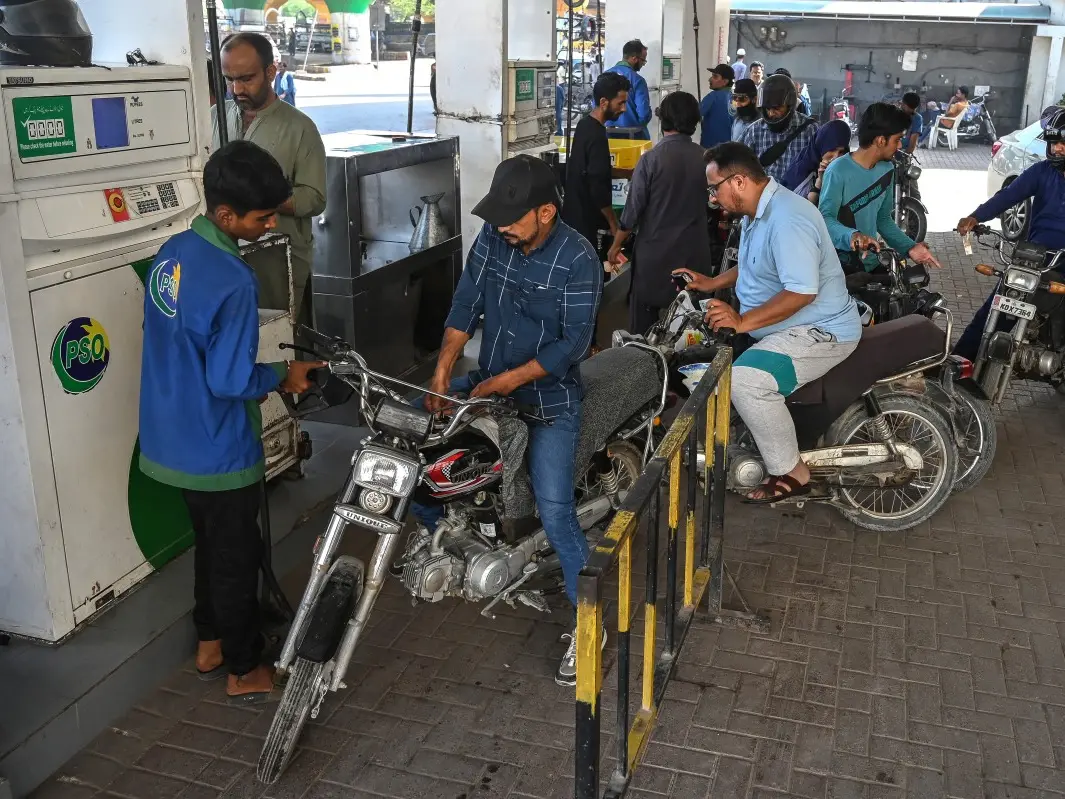
People wait in a queue to refill their motorcycles at a fuel station in Karachi on April 25, 2026 Photograph: (Credit: AFP/File photo)
Facing soaring global energy costs, Pakistan has introduced strict austerity measures, including 9 PM market curfews, foreign travel bans, and a 50% cut in official fuel allocations.
In response to surging global energy prices and worsening supply bottlenecks caused by escalating conflict in the West Asia, the Pakistani government announced a comprehensive package of austerity measures to curb state expenditure and conserve fuel. Under the directives issued by the cabinet division, state entities must reduce fuel allowances for official vehicles by 50% for three months. Operational fleet units supporting armed forces, civil security agencies, and essential municipal services remain exempt from these cuts. The state has instituted a strict ban on purchasing new government vehicles and durable goods, with exceptions granted only for ongoing development projects and information technology procurement.
To further lower administrative overhead, official foreign trips, non-essential domestic travel, and government-funded dinners have been barred. Public sector agencies are instructed to host necessary sessions virtually or utilise existing government facilities to eliminate event hosting expenses.
To reduce national power consumption, the government reintroduced commercial curfews:
- Shops, markets, and shopping centers:Must close by 9:00 PM.
- Wedding halls and event marquees:Must close by 10:00 PM, with event hosts limited to serving a single dish.
- Restaurants, cafes, and eateries:Must close by 11:00 PM, though home delivery services are exempt.
- Essential services:Pharmacies, medical facilities, bakeries, and gas stations are exempted from operating restrictions.
To ease the burden of rising fuel prices on low-income citizens, the government launched a relief scheme providing a subsidy of PKR 100 (36 US cents) per liter on a capped monthly quota for owners of motorcycles, rickshaws, and small cars under 800cc.
Trending Stories
)
)
&im=FitAndFill=(700,400))
)
)
)
&im=FitAndFill=(700,400))
)
)
)
)
)
)
)
)
)
)
)
)
)
)
)
)
)
&im=FitAndFill=(700,400))
)
)
)
)
)
)
&im=FitAndFill=(700,400))
)
)
)
This marks the second major austerity drive implemented by Pakistan this year. Similar conservation steps were rolled out in March, which included a two-week closure of educational institutions and remote work directives for public employees.
Pakistan relies heavily on imported liquid natural gas (LNG) and refined petroleum. Tensions stemming from US and Israeli strikes on Iran disrupted exports through the Strait of Hormuz, while ongoing engagements involving Saudi Arabia and Iran-backed Houthi forces continue to threaten shipping lanes across the Red Sea. These supply disruptions have driven petrol and diesel costs higher, leaving Pakistan vulnerable to power shortages as winter approaches.

