
&imwidth=800&imheight=600&format=webp&quality=medium "EXPLAINED: Why did Saudi Arabia, Pakistan and Türkiye decide to strengthen their defence partnership now?")
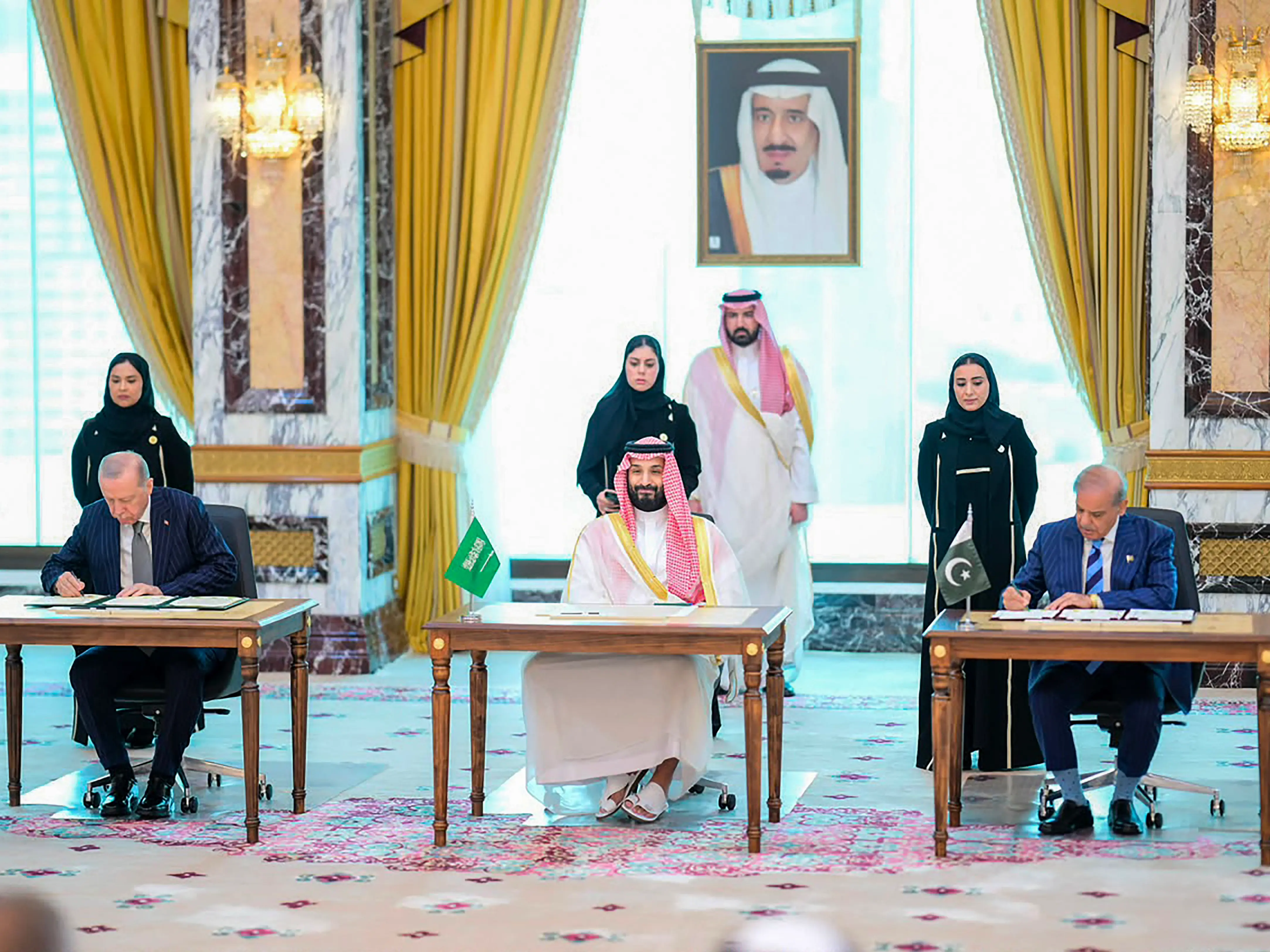
Saudi Arabia, Pakistan and Türkiye have signed a new defence pact, the “Mecca Joint Defence Agreement”, aiming to deepen security cooperation amid increasing military tensions and conflicts in the Middle East. The signed agreement means that an attack on one country would be treated as an attack on all three. The pact brings together the financial strength of Saudi Arabia, Pakistan’s nuclear and military capabilities and defence technology, as well as Türkiye's military experience. The pact has also renewed discussion about the possibility of an “Islamic NATO” and its impact on the regional balance of power.
Why defence partnership signed at this point?
The development comes amid increasing military tensions and conflicts in the Middle East threatening the sovereignty and security of these nations. It has been signed with the focus on strengthening their collective security and promoting peace and stability along with security in the region and beyond.

After the deal, Pakistan’s Foreign Ministry announced that the pact meant an attack on any member would be considered as an attack on all, and added that it was “intended to strengthen collective deterrence”.
The ongoing conflict in West Asia has imperilled the oil exports of Saudi Arabia and its ambitious development plans, raising serious questions about the reliability of its longstanding US security umbrella. Meanwhile, Turkiye and Pakistan have skipped significant direct attacks in the ongoing conflicts, but both nations are eager to calm regional conflicts that threaten their security and economies.
The development will not safeguard each other, but it will also stitch together a web of partnerships which will help shift regional threats away from relying on any single partner or bloc.
Trending Stories
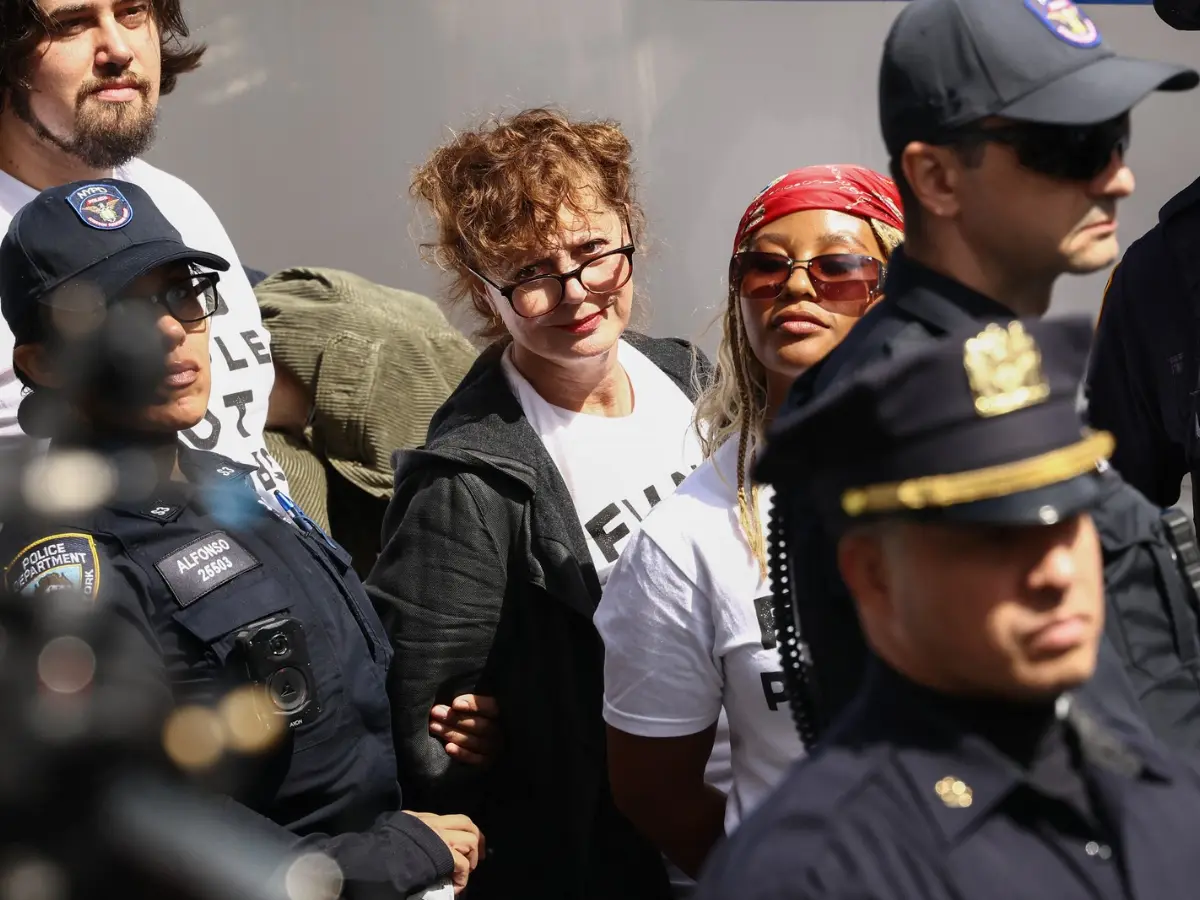)
Susan Sarandon and Hannah Einbinder detained by NYPD outside UN Headquarters
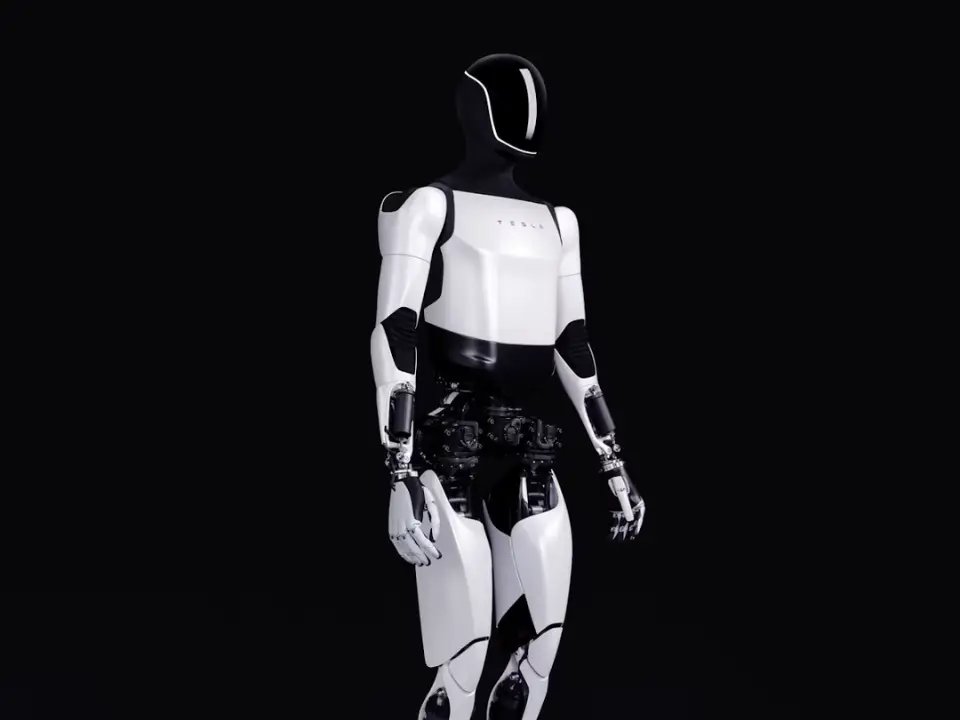)
Tesla is preparing something big for Optimus: new Gen 3 models surface in app
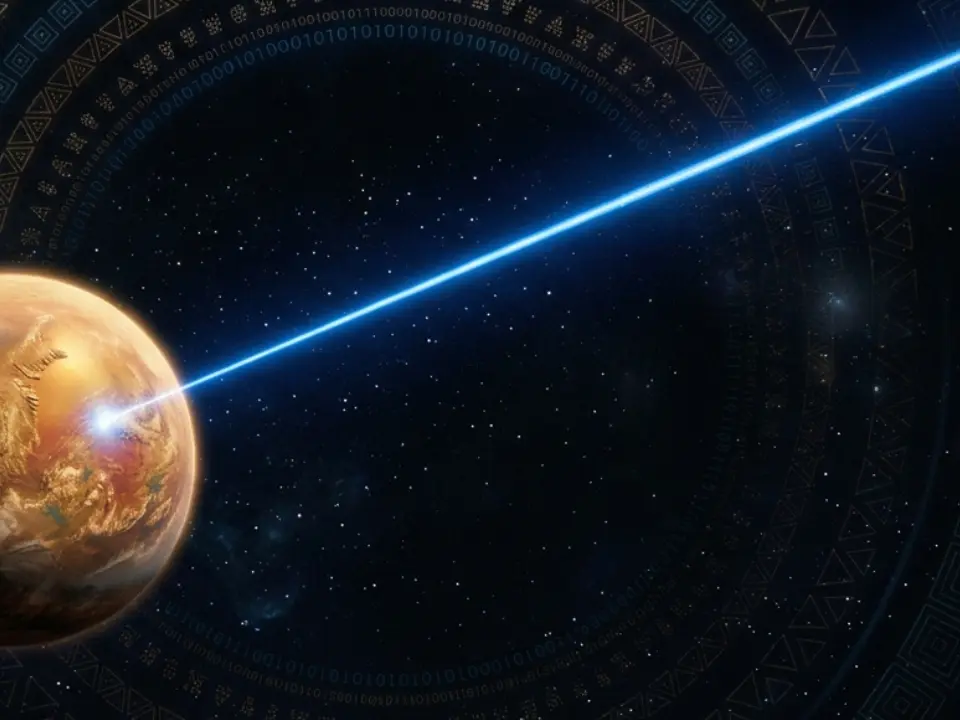)
Scientists detect first radio signals directly from faraway planet
)
‘Not just a local tragedy’: Nepal PM Shah warns UN of growing climate threat, says Nepal floods were 'a warning to the world'
)
What’s in a name? Trump’s 'Lake America' move gets a tit-for-tat response from Canada
&im=FitAndFill=(700,400))
Netanyahu at UN: Mass walkout, attack on Mamdani and Iran threats | In Pics
)
UNGA 2026: Israeli PM attacks Britain, France for past colonialism
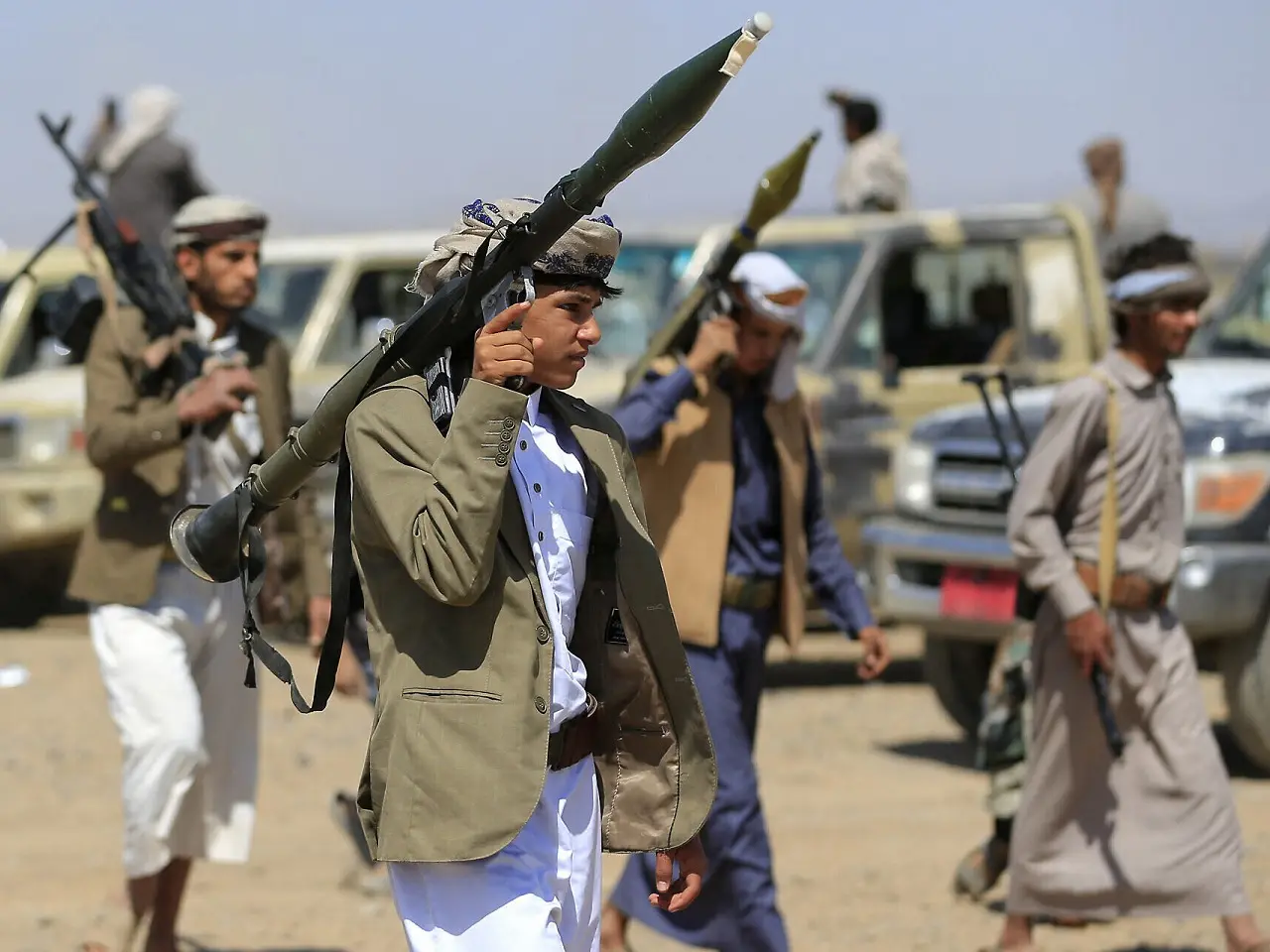)
Yemen called Trump for US military support in fight against Houthis: Official
)
'Blockbuster' nor'easter develops an eye similar to hurricanes as warnings are issued
)
Farhan, who went viral for AK47 celebration vs India in Asia Cup, hopes to lead Pakistan beyond Asian Games
)
‘We’ve never gotten along better’: Trump praises Xi, jokes about White House ballroom at high-stakes state dinner
)
Nations League: Germany draw on Klopp debut; Portugal, Norway win
)
WATCH: Pak PM Shehbaz Sharif refuses to answer on Hafeez Sayeed, walks away
)
The Vvaan Review: This Ekta Kapoor's Tulsi Virani-coded world can't be saved by Sidharth Malhotra and Tamannaah Bhatia
Don't Be Shy movie review: A frothy coming-of-age tale that is too shy to experiment
)
US faces fresh cost crunch as mortgage rates hit 7%, oil tops $107 and gas prices surge
)
Park Ji Hyun makes history as first Korean actress nominated for International Emmy
)
Trump gifts Xi a bald eagle sculpture at White House dinner: Here’s what it symbolises
)
Bollywood mourns Mushtaq Khan: Sunny Deol, Rajpal Yadav and others pay tribute
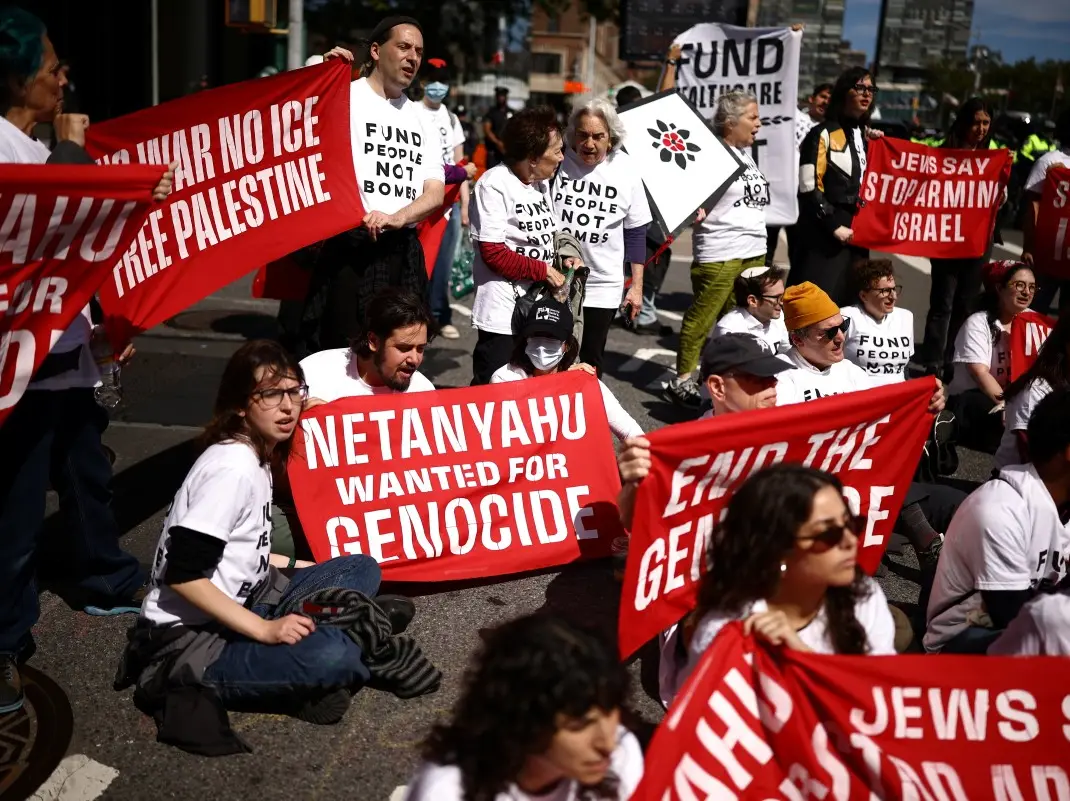)
'Fund people, not bombs': Hundreds take to New York streets as Netanyahu delivers speech at UN; dozens arrested
)
Ruckus in J&K Assembly over statehood resolution; BJP leaders enter well of house
)
'FIRST LOOK from inside Noah’s Ark': Researchers share video from inside mysterious mound in Turkey
)
China to test supersonic jet that moves at Mach 2, double the speed of sound
)
CNN, Politico and MS NOW back in White House after judge blocks Trump’s media ban
)
'We do not wish to continue. It's America that must choose': Iran president Pezeshkian calls on US to end war
)
Meet Adrian Abraham: 9-year-old Indian-origin guitar prodigy aiming for a Guinness World Record
)
Xi Jinping's 'special plane' vs Trump's Air Force One: What's the difference?
)
A seven-day roadmap? Iran proposes plan to end war, reopen Strait of Hormuz and resume nuclear talks
)
Outrage erupts after 3-year-old is married to 60-year-old man in Pakistan, link to her sister's murder being probed
)
OpenAI is building AI to fight cyber threats: What GPT-6 Cyber means for security
)
WION Iconic Tourism Summit 2026: Union Minister Shekhawat on 'experiential travel', peace diplomacy
)
Air India pilot suspended after failing pre-flight alcohol test on Zurich-Delhi route
)
'What kind of confession is this?': Pakistan PM Shehbaz Sharif’s 'terrorists would be roaming New York' remark goes viral, raises alarm online. Watch
)
India-New Zealand FTA is ‘an expression of trust’, NZ High Commissioner Patrick John Rata says
)
West Indies coach Sammy looking at India series as opportunity to finetune ahead of ODI World Cup 2027 qualifiers
)
Bias or safety concerns? Bengaluru CEO says firm will not hire men from UP, Bihar, Rajasthan, MP. Here's why
)
'Making history': Xi Jinping praises Trump as US-China leaders dine at White House
)
Trump's welcome to Xi demonstrates 'attraction' to dictators: Chuck Schumer
)
Myanmar training camp case: US national, 6 Ukrainians allowed to meet their families abroad
)
What it means for Saudi, Pak and Türkiye?
In terms of Pakistan, this agreement firmly places Islamabad within the Middle East's evolving security framework, coming soon after the new defence pact of the nation with Saudi Arabia and amid deepening ties with Egypt and Jordan. As a nuclear-armed, Muslim-majority nation, Pakistan gains added regional prestige and influence valuable for reshaping its global image away from associations with repression and terrorism. The deal could also strengthen ties with Washington, since the Trump administration favours greater burden-sharing among key allies and is likely to welcome a pact aimed at boosting collective regional deterrence, particularly against Iran, according to media reports.
For Turkey, this expands an existing network of alliances with Qatar, Syria, and Libya, reinforcing a broader Muslim collective defence framework and the principle that outside powers shouldn't unilaterally alter regional political orders. While Saudi Arabia gains leverage against Iran and Pakistan against India, Turkey benefits from added deterrence against Israel amid rising tensions. The Doha airstrike has heightened regional interest in collective air defence against both Iran and Israel. Each country stands to gain militarily and diplomatically, with Turkish defence industries poised for commercial growth, and the agreement strengthening Turkey's role in India-Europe trade networks.
Meanwhile, Saudi Arabia's new security pact with Turkey strengthens its regional leverage amid an emboldened Iran and limits on US deterrence, positioning Riyadh as a stabilising regional leader. Like its existing defence agreements with Pakistan and the GCC, this deal is unlikely to guarantee a NATO-style collective response, though it may offer diplomatic advantages, as seen when Riyadh used its Pakistan ties to shape Iran-related negotiations. The move signals Saudi Arabia stepping back from seeking a binding US security guarantee, though it doesn't reject the US partnership, potentially aligning with Washington's shift toward a regional "integrator" role.

