Explained: How Taiwan is keeping up with democracy amid Xi Jinping's 'reunification' threat


Taiwan presidential candidate Lai Ching-te's supporters during a campaign rally in Taipei on January 11, 2024
Taiwan will vote for a new president on Saturday (Jan 13) in an election watched across the world as the new leader in Taipei City will determine the course of affairs in the self-ruled island nation amid growing aggression by Communist-ruled China.
China views Taiwan as its territoryand has never renounced the use of force to take it one day.
Avibrant democracy of over 23 million, Taiwan is separated by a narrow 180-kilometer (110-mile) strait fromChina, which in recent years has become an active geo-economic spot of aggression by Chinesearmed forces.

The Democratic Progressive Party (DPP) is weighing in a third term in a row with the frontrunner and Vice President Lai Ching-te calling upon the Taiwanese voters to "choose the right path" for the island nation's democratic credentials.
This picture taken on December 7, 2023, shows a motorcyclist riding past a poster of Taiwan 2024 presidential candidate Lai Ching-te for the ruling Democratic Progressive Party (DPP) outside the DPP party branch in Kinmen | AFP
His main opponent, former police chief and mayor Hou Yu-ih has described Lai as a danger to Taipei-Beijing relations. Hou, the leader ofthe once all-powerful Kuomintang (KMT) party has attempted to put across his party as the only political force capable of maintaining peace with China.
)
Claude Opus 5.5 is here: Anthropic claims it can finish a 680,000-line code migration in less than a day
)
WION Iconic Tourism Summit: Is India's travel boom outrunning its airports, airlines and hotels?
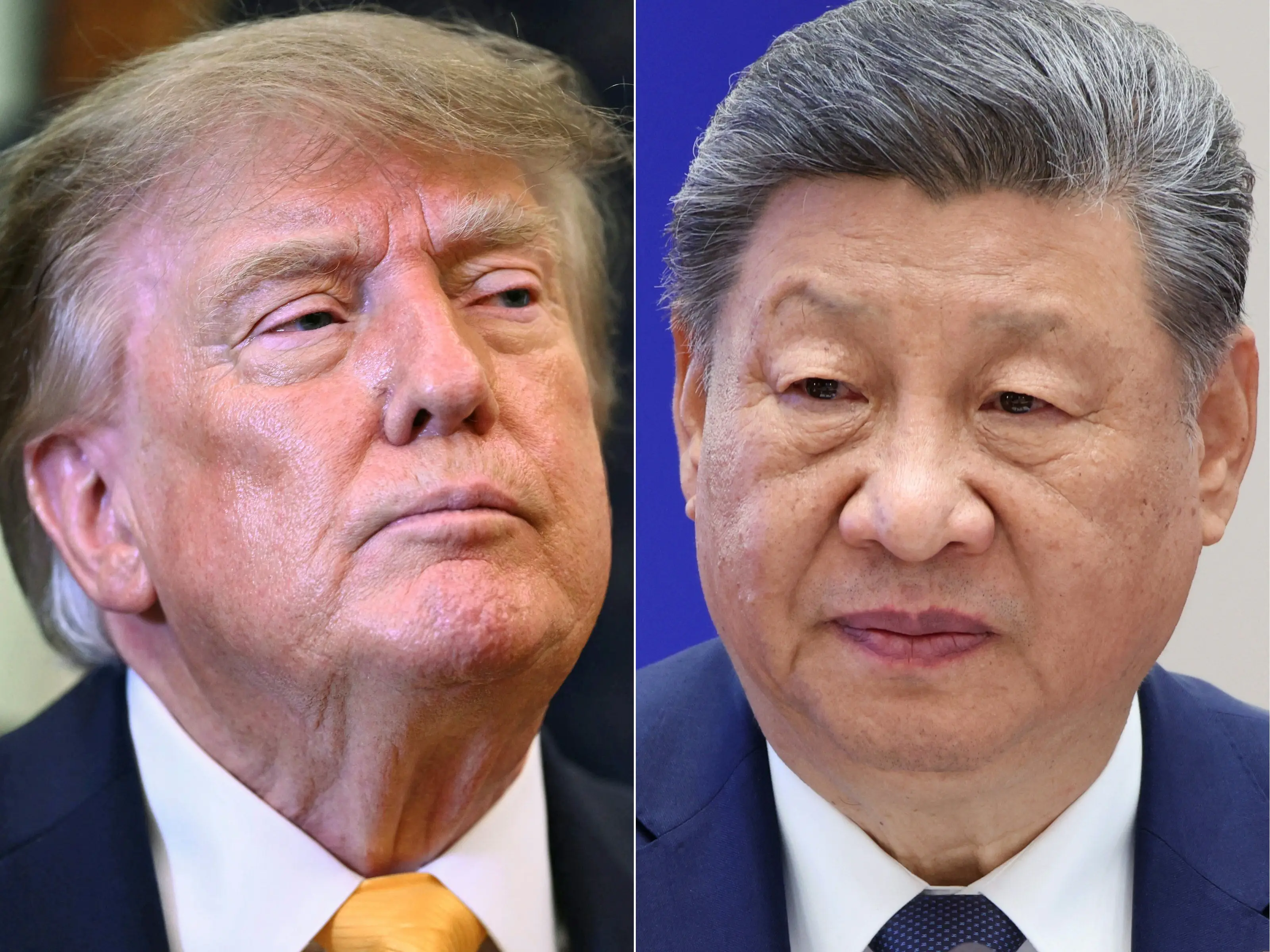)
Xi-Trump meeting: China’s human rights red line and past protests explained
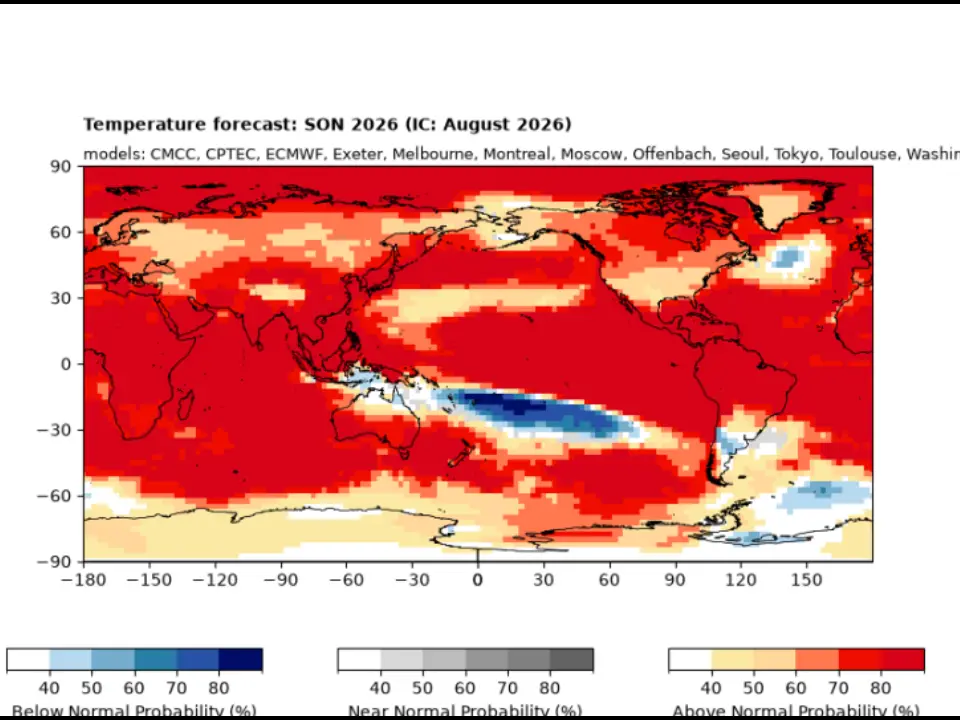)
El Niño 2026 heats up to become strongest in 1,000 years
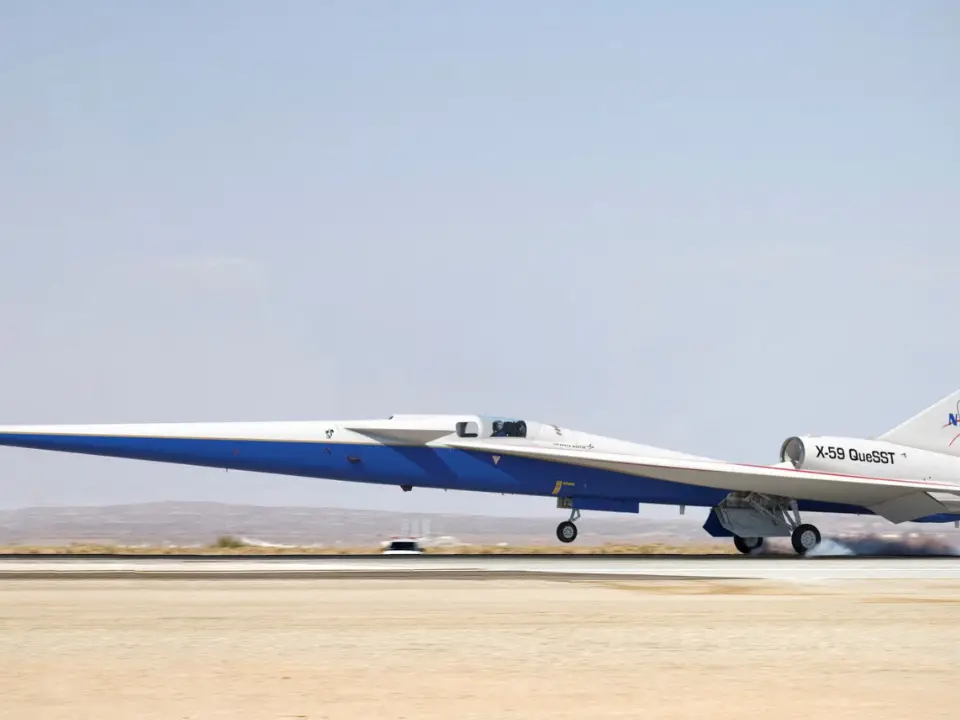)
China to test supersonic jet that moves at Mach 2, double the speed of sound
)
Australian PM Anthony Albanese calls OpenAI AI incident 'unacceptable' after restricted data access
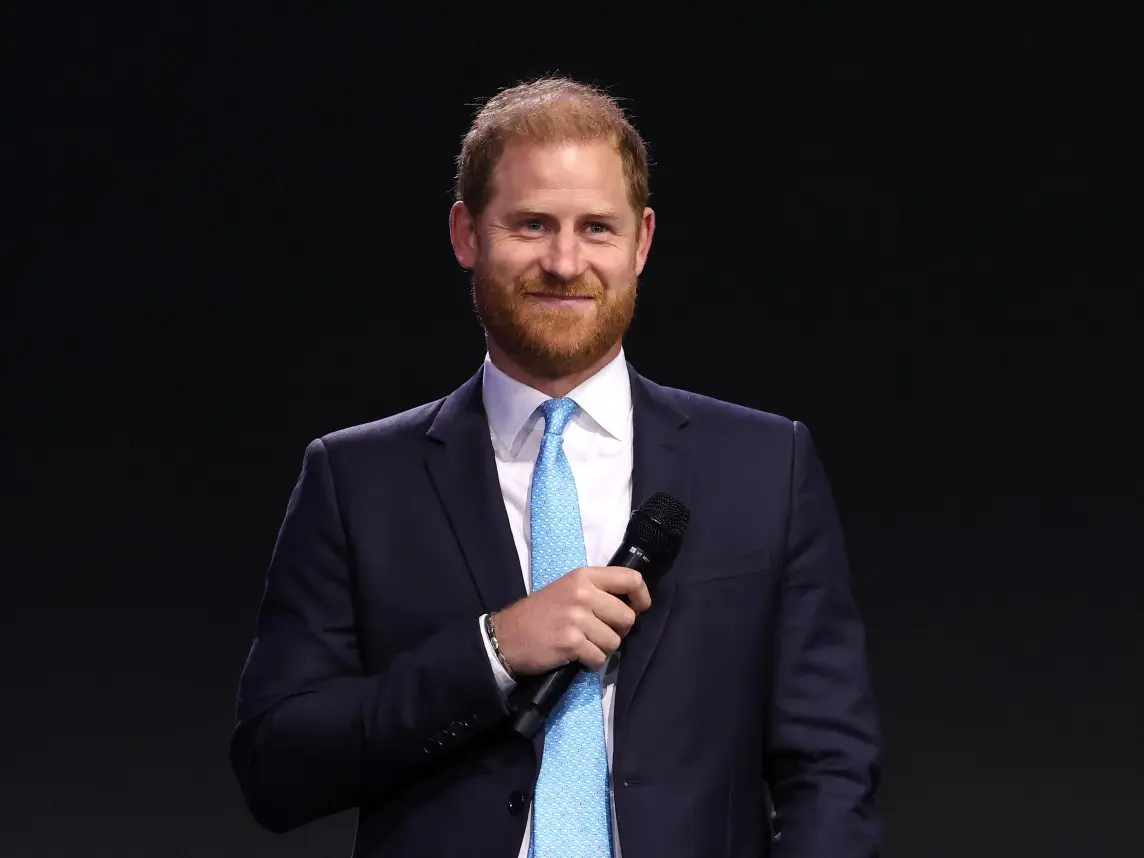)
'AI got into my speech': Prince Harry jokes after teleprompter failure at event in New York
)
Afghan woman cyclist who disguised herself as a boy to escape Taliban, wins Asian Games medal
)
'What kind of confession is this?': Pakistan PM Shehbaz Sharif’s 'terrorists would be roaming New York' remark goes viral, raises alarm online. Watch
)
French court upholds decision to send PSG and Morocco footballer Hakimi to rape trial
)
WION Iconic Tourism Summit and Awards 2026: Key voices to discuss India’s tourism future
)
Eight USS Abraham Lincoln sailors attempted suicide, Acting Navy Secretary says
)
NBA player Steven Adams shares hilarious GTA VI theory
)
Trump-Xi Summit: Trade, Taiwan and the red lines shaping US-China talks | Race To Power
)
Would you date an AI? South Korea’s My AI Partner: Strange Love sparks buzz on relationship and intimacy
)
US citizen injured in Illinois after ICE agents mistook him for fugitive, hospitalised
)
WATCH | China President Xi Jinping lands in US as Trump greets him ahead of high-stakes summit
)
EC appointment law: Why is the 2023 act controversial, and what happens next? WION explains
)
Scientists detect first radio signals directly from faraway planet
)
WION Iconic Tourism Summit: How local tourism MSMEs must upskill for AI integration
)
IIT Bombay CCTV footage emerges: Sahil Wakode seen looking at phone in examination hall
)
WION Iconic Tourism Summit: 'Hanuman Ansh' Director on blockbuster success
&im=FitAndFill=(700,400))
Trump welcomes Xi Jinping in rare airport gesture: Photos from Chinese President's arrival in US
)
2,000-foot tube, laser tests and more: China builds towns to expand nuclear arsenal, satellite images show
)
Italy hit by floods in the north, drought in the south
&im=FitAndFill=(700,400))
New OTT releases this week (September 21-27, 2026): Shaque: Trust No One, Hunkkaar, Don’t Be Shy- 5 new titles coming to Netflix, Prime Video and more
)
'There will be elections': Venezuela's interim leader Delcy Rodriguez makes big announcement at UN
)
IIT Bombay student suicide case: CCTV from the exam hall hours before suicide
)
Israeli envoy to US Yechiel Leiter’s son critically injured in West Bank ramming attack
)
US judge questions Trump’s decision to ban CNN, MS NOW and Politico from White House
)
'Putin is patient zero': Zelensky slams Russian president at UNGA, accuses him of using fighters from 47 countries
)
Trump’s Board of Peace unveils $2.45bn Gaza plan,66 projects: But where’s the money?
)
'Arrogant parasites': Milei blasts UN over Falklands dispute, warns Argentina will ‘take matters into our own hands’
)
Cyclone Arnab: Landfall expected before midnight tomorrow as IMD issues orange alerts across six states
&im=FitAndFill=(700,400))
National Film Awards 2026: Kartik Aaryan, Mammootty, Yami Gautam, Randeep Hooda and other key winners
)
9 killed, several injured as tourist bus catches fire on Yamuna Expressway
)
WION Iconic Tourism Summit 2026: Union Minister Shekhawat on 'experiential travel', peace diplomacy
)
'Partners rather than rivals': Xi Jinping's first message after landing in US for Trump summit
Taiwan elections 2024: Focus on day-to-day issues
While in the corridors of power across the worldthe concernhas been on China's assertiveness in the region, inside Taiwanthenotable focus remains on domestic concerns as well as discontent towards the ruling Democratic Progressive establishment for neglecting day-to-day issues.
Hou Yu-ih (C), presidential candidate of the main opposition Kuomintang (KMT), visits the Sanhe Market during his campaign rally with local legislative candidates in Kaohsiung on January 10, 2024 | AFP
The island nation's dealings with China, however, remain one of the major issues for the Taiwanese voters. But the wide-ranging discussions among voters point towards concerns that affect their day-to-daylife more, experts based out of Taipei City told WION.
"Although China holds a central position in Taiwanese elections, there is a notable focus on domestic concerns and discontent towards the establishment for neglecting day-to-day issues.Some Taiwanese feel that an excessive emphasis on China has diverted attention from crucial aspects that directly shape their lives," Sana Hashmi, Postdoctoral Fellow at Taiwan-Asia Exchange Foundation in Taipei City, told WION.
The sustenance of democracy in thepast many decades remains a defining distinction that sets Taiwan apart from Communist-ruled China.
"The diverse and spirited discussions around multifaceted issues influencing voting patterns signify Taiwan's cherished democracy, especially among the younger voters. This appreciation for democratic values sets Taiwan apart from China and serves as a distinctive element defining its identity," Hashmi added.
But it's the demographic pattern of falling birth rates that has emerged as a matter of similarity between democratically-ruled Taiwan and Communist-ruledChina in recent years.The current fertility rate for Taiwan is1.250 births per woman, with only immigration preventing a real decline in the island nation's population.
The fertility rate is one of many things that all three presidential candidates— Vice President Lai Ching-te of DPP,Hou Yu-ih ofKMT; and Ko Wen-je of Taiwan People’s Party (TPP)— have emphasised upon during the past manyweeks of the election campaign.
TPP's Ko is creditedto have politicised the issue of the fertility rate after he called a press conference on November 7, 2023, specifically to discuss responses to the declining birth rate in Taiwan. Ko then promised a novel pregnancy bonus if elected to power.
Ko Wen-je, Taiwan presidential candidate from the Taiwan People's Party (TPP), is greeted by supporters during a campaign rally in Kaohsiung on January 7, 2024 | AFP
In response, Vice President Lai's team broughtattention to Ko's misogynistic comments from the past such as "unmarried women are like disabled parking spaces" and that they cause "instability and a national security crisis".
"Besides China, there are multiple domestic issues like Covid mismanagement and falling birth rate, which are equally important for the 2024 Taiwan elections," Suyash Desai, a Taiwan-based research scholartold WION.
Taiwan's indispensable place in global economy
Meanwhile, Taiwan's indispensable economic significance in the world is underlined by the fact that the36,193 sq km territoryproduces around 90 per cent of the world's leading-edge semiconductorsthat are used for artificial intelligence (AI) and quantum computing applications.
The semiconductor chips are increasingly emerging as pivots of the global economy, and are described as the 'new oil' of the technology age. The computing power accessed through microchips, from data centres to smartphones, is required for all parts of the globaleconomy.
Also watch |Gravitas Plus: Who's winning the Chip War?
The tensions with China over its sovereignty and Washington's role in ensuring Taiwan's self-defence in the face of Chinese aggression are all linked with chip wars, the fight for the world's most crucial technologies, as well.
"The election outcomes hold profound significance beyond the semiconductor industry in Taiwan. They wield influence over the strategic and economic landscape, extending to cross-strait relations and the dynamics between the US and China," Hashmi told WION.
The China factor
The 2024 Taiwan elections are unique primarily because of the change in the Chinese approach and coercion tactics that it applies while dealing with the cross-strait dispute.
Beijing's aggression against Taiwan escalated in 2019 when itcrossed the median line for the first time in 20 years, a recurrence whose frequency in recent years has becomesymbolic of thesecurity threat posed by China to the sovereignty of Taiwan.
Since September 2020, China has also begun regular incursions into Taiwan's Air Defence Identification Zone (ADIZ).
On December 31, 2023,Chinese President Xi Jinping said that the countrywould "surely be reunified", in hismost direct threat so far to annex Taiwan.
As the voting day of Jan 13, 2024 closes in, Beijing has called thepresidential frontrunnerLai Ching-tea "severe danger" and said he would threaten peace by following the "evil path" of independence.Lai, who had once called himself a "pragmatic worker forTaiwan's independence", has taken a softer line on the issue on the campaign trail.
Also watch |Taiwan's elections marked by testy exchange on autonomy, independence
One-time opponents of the Chinese Communist Party, Taiwan's oldest political party Kuomintang (KMT) has evolved into a political force that sees Taiwan's economic fortunes closelylinked to better ties with Beijing.
The previous election in 2020 saw a historic landslide for the Democratic Progressive Party's Tsai Ing-wen, who boldly asserted that Taiwan is "already independent".
Over Tsai's eight-year tenure, Beijing refused to engage with her government, as tensions ramped up across the Taiwan Strait. After hosting the US House Speaker Nancy Pelosi in August 2022, the Tsai administration also extended mandatory military service from four months to one year.
TheUS House Speaker Nancy Pelosi (2nd L) with Taiwan's President Tsai Ing-wen (2nd R), Vice President William Lai (R) and Director of American Institute in Taiwan (AIT) Sandra Oudkirk listen, in the Presidential Office in Taipeion August 3, 2022 | AFP
Tsai has been emphatic that'peace with China will not fall from the sky' and that Taiwan canavoid a war with China "by being capable of fighting a war".
With Vice President Lai Ching-te a frontrunner for president, experts say that the outcome of Saturday'selection will have serious implications for the security of the broader Indo-Pacific region.
Sana Hashmi told WION: "The results of these electionswill chart trajectories that could reverberate across the Indo-Pacific, influencing regional stability and shaping the US' and other countries' approaches to China and the region."