Explained: Everything about Brazil's heated presidential election

Brazil presidential elections
On Sunday, Brazilians will cast their ballots in one of the year's most carefully watched elections.
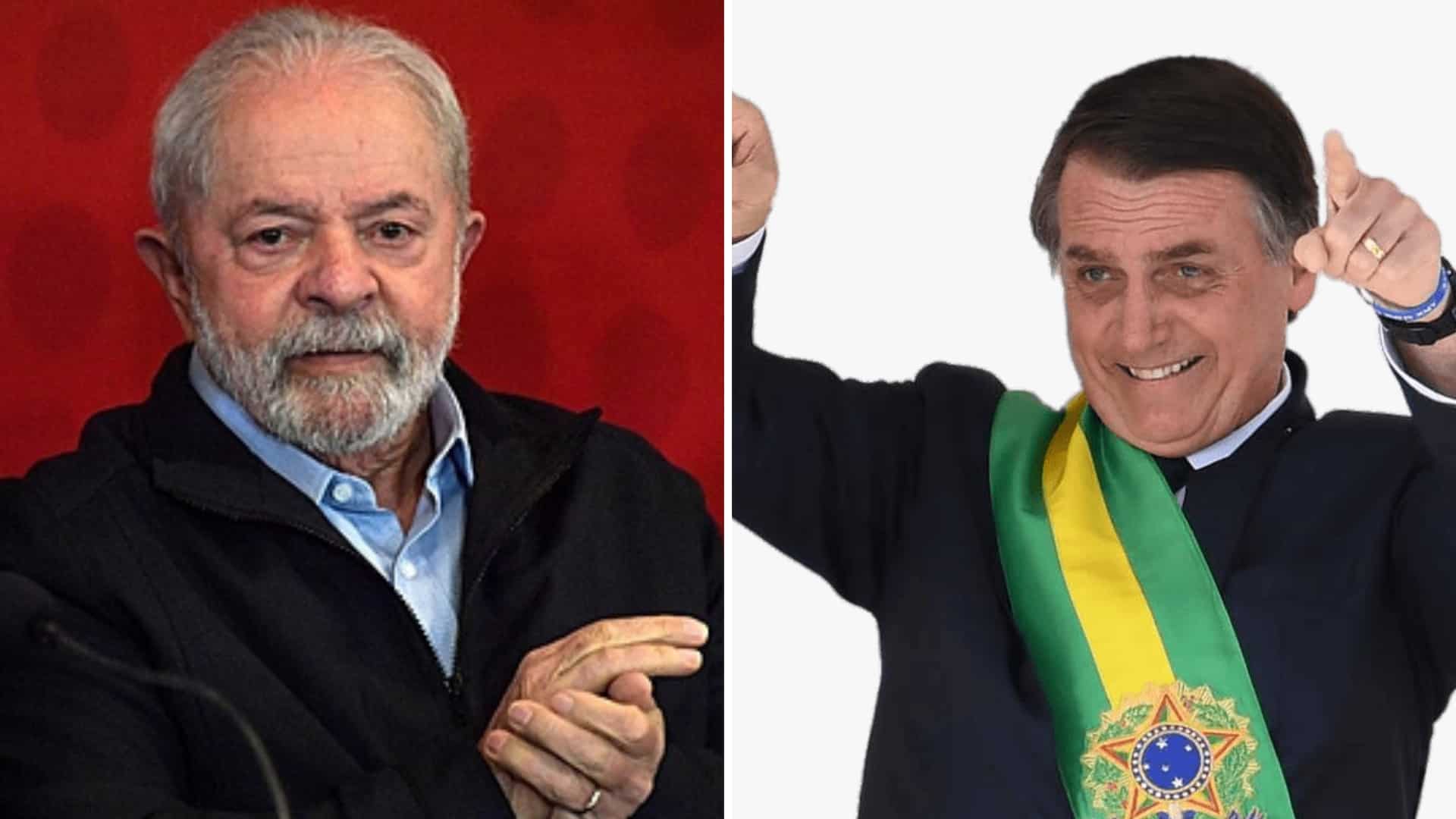
Former president Luiz Inacio Lula da Silva and right-wing incumbent Jair Bolsonaro will square off. All of the governorships, 27 state and district legislature seats, all of the lower house seats, and a third of the Senate seats in Brazil will also be up for election.
WHO ARE THE CANDIDATES?

Despite there being 11 potential candidates, polls indicate that only Bolsonaro and Lula stand a chance of winning.

Bolsonaro (left) and Lula (right). Photo credits: AFP
)
US vs China over South China Sea: Washington backs Philippines, Beijing hits back
)
Election Commission on 'damage control' : What do nine new decisions mean?
)
UK police arrest several under explosives act near air base used by US forces
)
LPU students go on rampage, vandalise campus amid widespread protest: What's happening
)
OpenAI AI Agents hacked 4 websites before Hugging Face, researchers reveal
)
US Treasury Secretary Scott Bessent hails global crackdown on Iranian banks and airlines
&im=FitAndFill=(700,400))
New Friday OTT releases (September 25, 2026): Don’t Be Shy, Hunkkaar: The Roar, Mango Pachcha- 6 movies and TV shows on Netflix, Prime Video and more
)
Asian Games 2026: India face Afghanistan in quarterfinal on Sep 28; Pakistan clash with Hong Kong
)
‘Attack on Mecca a red line for Pakistan’: Shehbaz Sharif warns Houthis at UN
)
WATCH | Delhi minister Parvesh Verma slaps man during road inspection – Here’s what happened
)
'Countries far from conflict are penalised': Jaishankar calls for Gulf peace, seafarer safety at UN
)
Beyond metros: How Tier-2 and Tier-3 cities could drive India’s next AI wave
)
Bigg Boss 20: Salman Khan schools Rhiti Tiwari over Qazi Touqeer clash, compares her to Dolly Bindra
)
Gunmen kill 27 in two separate mass shootings in South Africa
&im=FitAndFill=(700,400))
Humanoid robots to virtual worlds! Korean sci-fi dramas to watch: Are You Human Too?, Memories of the Alhambra and more
)
IND vs WI 1st ODI: Naman Dhir debuts as India bowl first in Trivandrum; check playing XIs
)
‘Olympic inclusion is our major target’: WPA President Ishaun Singh on pool’s global ambitions
)
Nations League: Spain sink England at Wembley; Modric shines for Croatia
)
Two men die of suspected chemical exposure inside public toilet in Mumbai
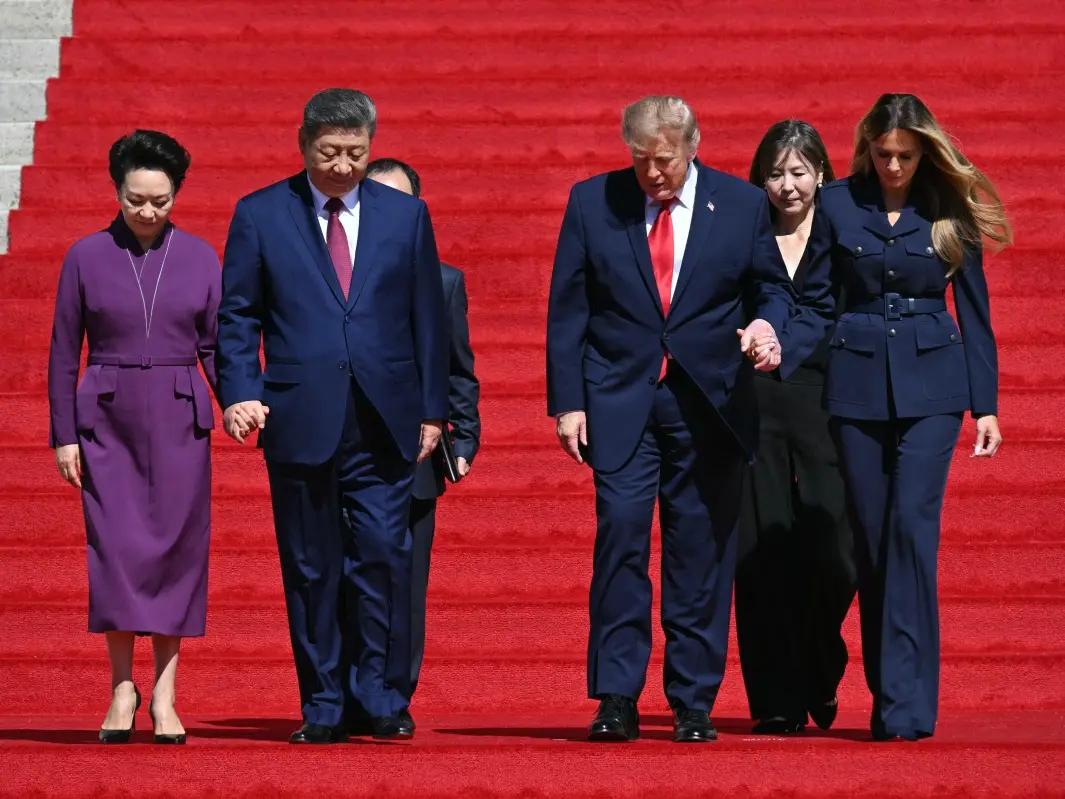)
Trump-Xi summit wrap: Big pageantry, Iran talks, few major developments and more meetings planned
)
‘Could kill billions...’: Bill Gates backs calls to slow AI development amid fears of catastrophe
)
Bollywood x K-pop crossover! LE SSERAFIM’s Kazuha charms fans with Shah Rukh Khan’s ‘Chammak Challo’ steps
)
US-Iran war: Trump rejects Iran's Hormuz proposal, reports suggest talks expected next week
)
Sri Lankan Tamil migrant worker gets death sentence in Saudi Arabia, help sought from India
)
'FIRST LOOK from inside Noah’s Ark': Researchers share video from inside mysterious mound in Turkey
)
UNSC reform momentum grows: Russia, Portugal, Mauritius push for India's permanent seat bid
)
Man arrested after his 22-year-old girlfriend dies at homestay in Guwahati; police suspect murder over suicide claim
)
SIR row: RTI response raises questions over EC’s claim of unanimous approval
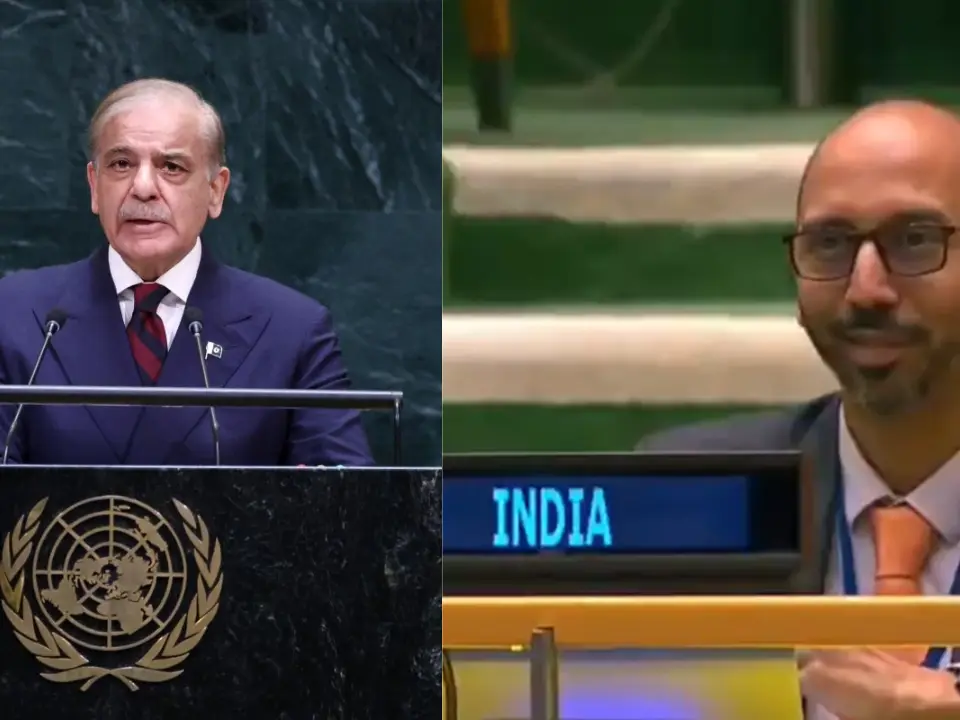)
WATCH | As Shehbaz Sharif claims Pakistan’s ‘victory’ during 2025 conflict, Indian diplomat R Srinivas laughs at UN
)
Afghanistan says 28 fighters killed in clash near Pakistan border, Islamabad denies
)
Ramayana: Yash’s Ravana gets first official poster from Nitesh Tiwari’s epic
)
'A terrorist country is asking me that question?': Jaishankar hits back at Pakistani journalist at UN; flags attacks on commercial shipping
)
Russia will achieve Ukraine war aims; Europe doing everything to block peace talks: Lavrov at UN
Bolsonaro, a former army captain who was elected in 2018, has pushed to enforce his conservative agenda in the biggest nation in Latin America, but he has come under fire for failing to raise living standards and for making remarks that were widely perceived as misogynistic and racist.
He rejects what he refers to as "gender ideology" and called the coronavirus "a little fever." Federal safeguards for the Amazon rainforest have been systematically undermined by the administration. In addition, he made unfounded attacks on the validity of Brazil's computerised voting system and cast doubt on his ability to gracefully concede loss.
Lula's popularity increased while he was in office as he used a strong economy to significantly widen Brazil's social safety net. However, the economy deteriorated, his hand-picked successor was deposed, and numerous of his allies were sent to prison in the years after his resignation. Due to corruption accusations, Lula himself spent 19 months in prison before they were dropped for procedural reasons.
HOW DOES EVERYTHING WORK?
The voting booths are open from 8 a.m., Brasilia time (1100 GMT), to 5 p.m. The voting is all electronic, so results will come in quickly—probably within a few hours of the polls shutting.
If no candidate wins with more than 50% of the vote, a runoff election will be held on October 30 between the top two contenders, most likely Bolsonaro and Lula.
WHO IS WINNING?
Although some polls suggest the former president's margin is significantly greater, all major surveys show him leading by at least 8 percentage points. He was ahead by about 17 points, according to a Monday poll by pollster IPEC.
Major surveys, however, are divided on whether Lula has the support necessary to win in the first round with a majority of the vote.
The turnout is another problem. Although Bolsonaro has a larger base of supporters than Lula does, there are signs that Bolsonaro's constituency is more fervent.
WILL IT BE PEACEFUL?
The biggest question regarding the vote is possibly that one.
In Brazil, political violence is increasing. Recent months have seen a number of Lula supporters—and at least one Bolsonaro supporter—murdered because of their political beliefs.
Bolsonaro has stated numerous times that he might not accept defeat in an election while asserting that the army is on his side. Most observers believe that a military takeover in the event of a Bolsonaro defeat is unlikely, but many worry about an extended period of political unrest and economic hardship.
Under Bolsonaro, there has been a sharp increase in gun ownership, and the president is generally supported politically by the rank-and-file police personnel, making for a potentially explosive combination.
(With inputs from agencies)
WATCH WION LIVE HERE: