EU space envoy praises India’s space achievements, seeks deeper collaboration

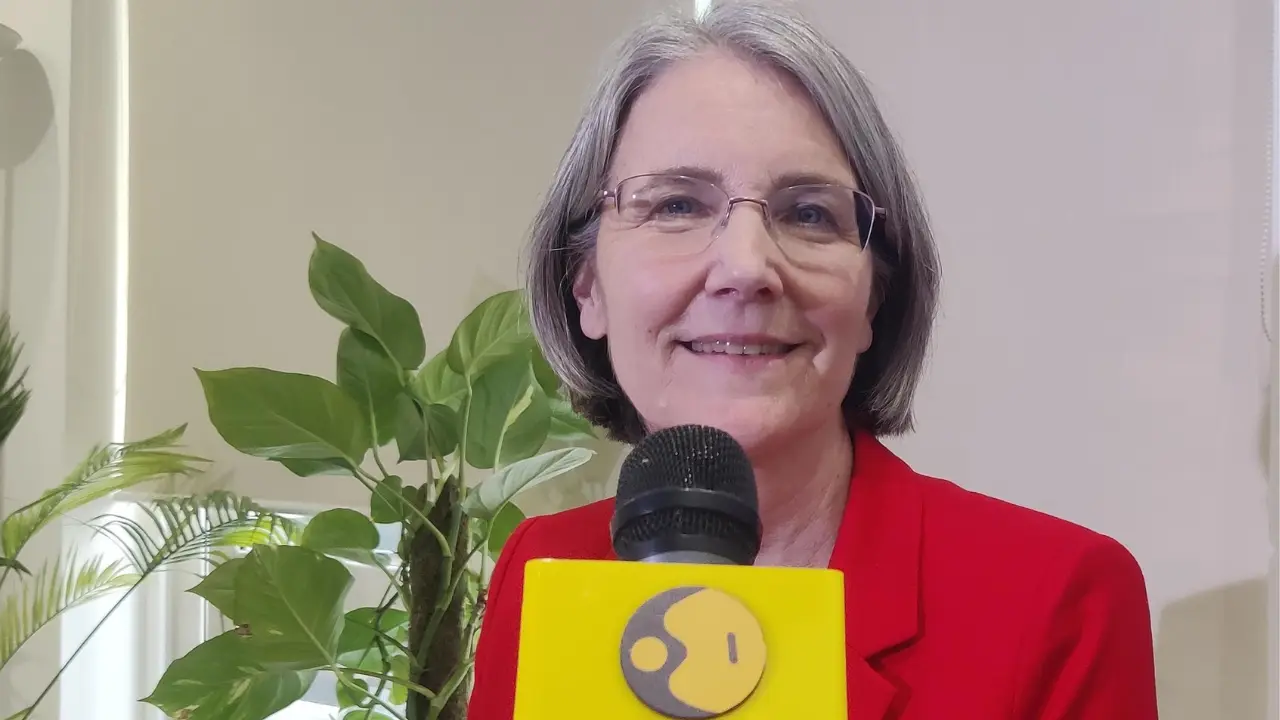
The European Union's space envoy Marjolijn van Deelen has commended India's space program and initiatives and hopes to work much more with Delhi in the domain. World
The European Union's space envoy Marjolijn van Deelen has commended India's space program and initiatives and hopes to work much more with Delhi in the domain. Speaking to WION's Sidhant Sibal, she said, "What India did with the landing on the moon, on the South Pole two years ago was just fabulous". She pointed to India's space agency ISRO helping EU member states in space launches. India's Polar Satellite Launch Vehicle (PSLV) and Geosynchronous Satellite Launch Vehicle (GSLV) have been used to launch European Space Agency (ESA) satellites, with cost effectiveness and reliability being the main advantages.
The EU envoy also hopes for more cooperation with India in keeping space demilitarised. She said both sides have "mutual interest" on the issue because "we are both top-tier space-faring nations or regions". The EU aims to collaborate closely with India to develop these “rules of the road,” balancing legally binding treaties with urgent, practical measures to safeguard space for future generations. India has in the past emphasised that outer space should be used for peaceful purposes, in line with the 1967 Outer Space Treaty (OST), to which it is a party.
Marjolijn van Deelen: In the EU, we have realised that space is a strategic domain, and we've come to rely on it a lot. I think everybody who uses a mobile phone uses space, and we're not necessarily always aware. So, we really believe it is important for our societies, for our people, and for future generations. We make sure that space is safe and secure. How do we do that? It doesn't make sense to do that alone. Space is for everyone, and all nations have access to space if they have the capability. And if they don't have it now, they might have it in the future. So, we are working in the context of the United Nations, where all countries are at the table to look together on how we can make a better framework on how states behave in space. There is only one treaty that exists, the Outer Space Treaty, but it's from the 1960s and you see how much we have evolved since then, especially in space with so many different actors, so many more high tech companies involved. We really need to make a new framework. So, we do that in the context of the United Nations. We work closely with the Indian counterparts in that context. But we'd like to do that even more.

Marjolijn van Deelen: So, there are two approaches to this. One is…I want more treaties and that is what many countries focus on. The focus of the EU is more on, how do we make sure that everybody that acts in space does so in a responsible way, that is in a way that doesn't give me or doesn't provide a threat to me, and that doesn't create any escalation. So, that will be a framework of norms and rules and principles of responsible behaviour. And those two approaches, they're not mutually exclusive. As the EU, we really think we can also come to legally binding instruments, but that will take too long, and we really need to act now. And also in space, it's really hard to define what the weapon is. Well, you recognise one if you see one, but there are also many assets in space or even on the ground, the ground stations, that can be used as a weapon. But these are not in practice. So, there are many dual-use items, and with a dual-use asset, it depends on what you do with it. It could be for entirely peaceful purposes, and that's we're all for it. But if it's used by a malicious actor to hurt ours or India's satellites, then that's another thing. So we want to have a set of rules of the road. Is it okay if your satellite comes very close to my satellite without saying anything, or without notification, snooping around. Is it okay to create debris? This type of rules of the road we hope to develop in the international framework.
Marjolijn van Deelen: Yes, we have, and we are very worried, exactly, because we see a number of actors being either developing aggressive technologies or being very opaque about them, so we don't really know what they're up to, and that poses a potential threat to us. So this is something that we talk with, with a lot of other countries around the world, with a few, we have a more intensive dialog to also see whether other countries perceive these threats in a similar way, because very recent, different areas of the globe, you might look at things in a different way. So it's good to be aware of threat perceptions. If you ask about weaponisation in space, well, there have been weapons in space for a long time. The question is more that we need to make sure that all of us can continue to operate our assets in space, our satellites, for our navigation, for our Earth observation, for environmental use, all these civilian uses that we have, and also the same uses for our defence organisations. We need to be able to continue to have access to those.
Marjolijn van Deelen: India and the EU have a lot to discuss on this, because we are both top tier space-faring nations or regions. As you know, the EU has its own space program. You might have heard of Galileo for navigation, Copernicus for Earth observation, and that is on top of what individual member states of the EU have. And India, of course, has seen a fantastic rise of this as a space power in the last maybe decade, or even less. So there, I think we very much have a mutual interest that we need to talk about in more depth.
&imwidth=180&imheight=135&format=webp&quality=medium)
Pakistan to head IMF, World Bank boards after 74 years amid persistent economic crisis
&imwidth=180&imheight=135&format=webp&quality=medium)
Russian woman and Bihar boy's love story goes viral after she reaches India to marry him
&imwidth=180&imheight=135&format=webp&quality=medium)
'We are not sitting in ivory towers, we are aware': SC issues notice to Rahul Gandhi, Akhilesh Yadav
&imwidth=180&imheight=135&format=webp&quality=medium)
Group's fibre-optic drones pose new challenge for Israel
&imwidth=180&imheight=135&format=webp&quality=medium)
CJP's Tiranga march: People hit streets of Delhi again, reiterate call for Gyanesh Kumar's resignation
&imwidth=180&imheight=135&format=webp&quality=medium)
US midterms 2026: Ken Paxton may have Elon Musk to thank if he wins the Texas Senate race. Here's why
&imwidth=180&imheight=135&format=webp&quality=medium)
Ankita Bhandari murder case: Parents meet CBI, seek impartial investigation
&imwidth=180&imheight=135&format=webp&quality=medium)
US budget deficit nears $2 trn as tariff refunds rise; debt crosses $40 trn
&imwidth=180&imheight=135&format=webp&quality=medium)
Gravitas | Iran threatens to hit key bridges in 7 countries if US resumes strikes
&imwidth=180&imheight=135&format=webp&quality=medium)
Ukraine drone strike disrupts 22 Russian airports, over 200 flights

Not Khan but Pal: Why did Imran Khan choose his mother's surname over his father's? Family tree explained
&imwidth=180&imheight=135&format=webp&quality=medium)
A secret code, a midnight escape and 300 deaths: The Russian officer who turned on Putin
&imwidth=180&imheight=135&format=webp&quality=medium)
Oregon school shooting: 16-year-old shooter identified, used shotgun bought by mother; Trump praises bystander who shot gunman as 'great hero'
&imwidth=180&imheight=135&format=webp&quality=medium)
After ODIs, T20Is and Tests, cricket set to introduce a new format: All you need to know
&imwidth=180&imheight=135&format=webp&quality=medium)
China tells Israel to stop West Bank settlements, calls Palestine issue ‘historic injustice’
&imwidth=180&imheight=135&format=webp&quality=medium)
‘My president, I mean my husband’: Trump's new press secretary Katie Zacharia's first briefing goes off the rails in 14 minutes
&imwidth=180&imheight=135&format=webp&quality=medium)
China responds to Trump's Press Secretary Katie Zacharia after toilet remark: 'Visit China more often'
&im=FitAndFill=(700,400)&imwidth=180&imheight=135&format=webp&quality=medium)
Who left the White House podium the fastest? Press secretaries with the shortest stints
&imwidth=180&imheight=135&format=webp&quality=medium)
Vijay Deverakonda and Rashmika Mandanna's Ranabaali X Review: Netizens call it history-rich but overstuffed
&imwidth=180&imheight=135&format=webp&quality=medium)
Israel examines Russia's Shahed-type drones sent by Ukraine to combat Iran | Gravitas
&imwidth=180&imheight=135&format=webp&quality=medium)
US midterms 2026: Alexandria Ocasio-Cortez donates $1 million to Abdul El-Sayed’s as Michigan race heats up
&imwidth=180&imheight=135&format=webp&quality=medium)
Here’s who is eyeing the White House press secretary role after Katie Zacharia’s exit
&imwidth=180&imheight=135&format=webp&quality=medium)
BCCI names India’s ODI squad for New Zealand tour, Gill and Iyer to share captaincy
&imwidth=180&imheight=135&format=webp&quality=medium)
Abhishek Sharma sets all-time record for most T20I sixes in a year
&imwidth=180&imheight=135&format=webp&quality=medium)
'I don’t trust anybody', says Trump when asked about Netanyahu
&imwidth=180&imheight=135&format=webp&quality=medium)
US midterms 2026: Dan Sullivan’s ‘gotcha’ attempt backfires against Mary Peltola in fiery Alaska Senate debate
&im=FitAndFill=(700,400)&imwidth=180&imheight=135&format=webp&quality=medium)
Inside Tesla's Roadster: 10 features of Elon Musk's 'flying car' that push the limits of electric vehicles | In Pics
&imwidth=180&imheight=135&format=webp&quality=medium)
India’s naval priorities: Ex-Navy Chief calls for third aircraft carrier, more warships and submarines
&im=FitAndFill=(700,400)&imwidth=180&imheight=135&format=webp&quality=medium)
New Friday OTT releases (October 16, 2026): DC, Sacrifice, Aasha- 6 new movies and TV shows coming on Netflix, Zee 5, Prime Video and more
&imwidth=180&imheight=135&format=webp&quality=medium)
India's Gen Z rebellion: Can the 'Lehra Do Tiranga' movement reshape the political order? | The Verdict

US ends automatic work permit extensions; Indian workers lose 540-day safety net: What it means
&im=FitAndFill=(700,400)&imwidth=180&imheight=135&format=webp&quality=medium)
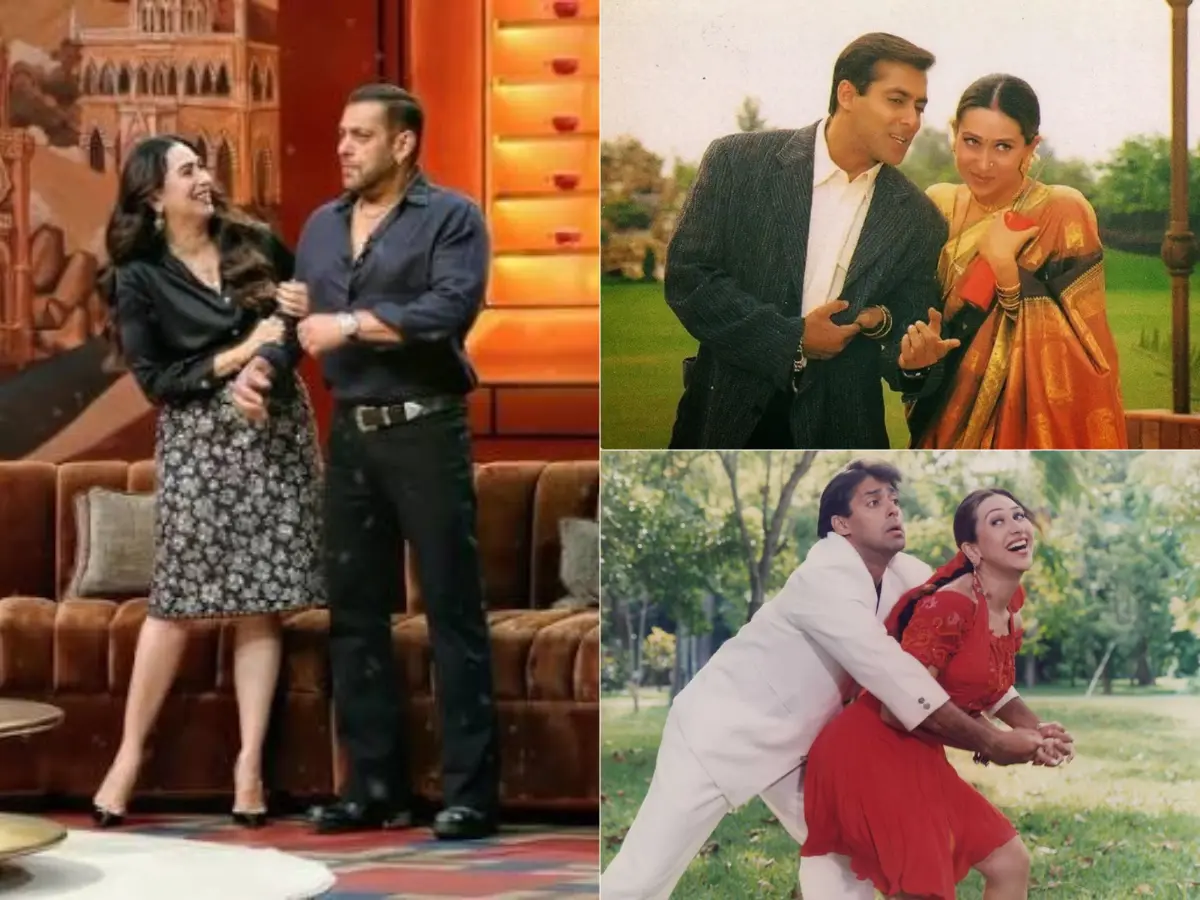
Salman Khan-Karisma Kapoor reunion at Koffee with Karan season 9 sparks nostalgia: A look at their most loved films
&imwidth=180&imheight=135&format=webp&quality=medium)
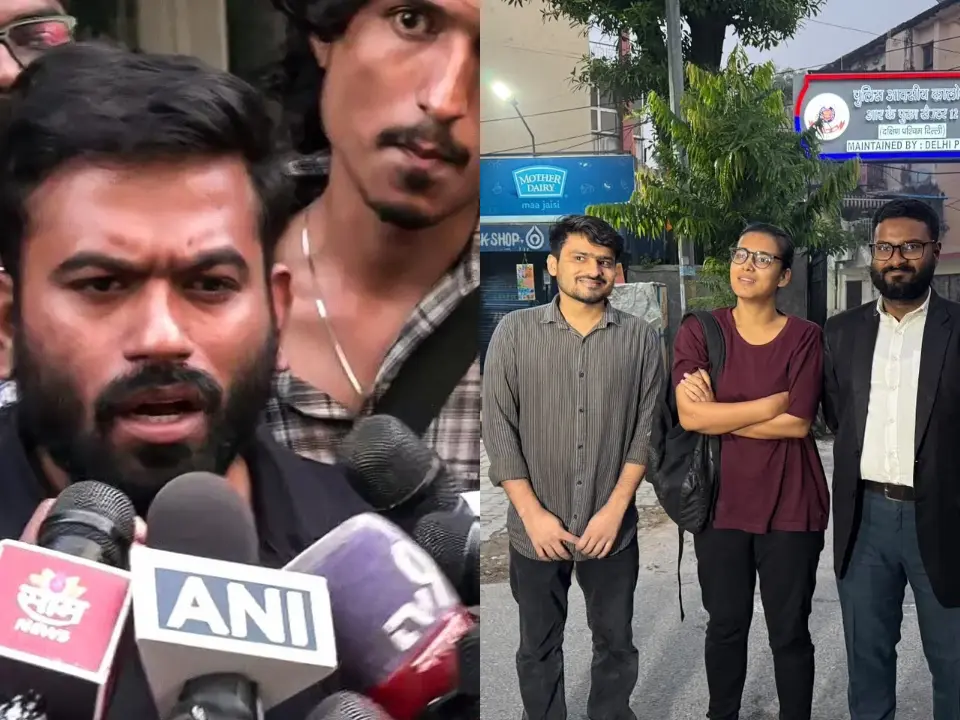
Delhi police places CJP's Abhijeet Dipke under preventive arrest over breach of peace, AISA Chief Neha Bora released
&imwidth=180&imheight=135&format=webp&quality=medium)
Did Trump just fire Katie Zacharia as his new press secretary? Here’s what he said
&imwidth=180&imheight=135&format=webp&quality=medium)
Iran rejects Saudi allegations of backing Houthi attacks, renews mediation offer
Marjolijn van Deelen: India has seen fantastic growth and is very high tech indeed. The space launch capacity is fabulous, and member states of the EU have used that capacity, and that provides a very good basis for a corporation. But what India did with the landing on the moon, on the South Pole two years ago was just fabulous.
Marjolijn van Deelen: Our Copernicus program is an Earth observation program that was designed, really, for these environmental observations and for emergency management, and we already have a framework to cooperate with India. What we really would like is to make that even more operational and to cooperate much more closely on that, to bring it to life, really, because it's something that is key for our societies, especially environmental monitoring, has repercussions worldwide, and we, I think we have something we can bring to the table, and so does India. So this will be, indeed, a key area that we could maybe jump start.
Marjolijn van Deelen: I think the big opportunity is to really set out space as a global commons, because that's what it is in theory. But if we see now how many countries are becoming space faring nations, how all countries in the world rely on it, we need to get this straight in our generation. So I think that's the opportunity that we have to contribute to that. Few 100 years they set this out for the high seas, this, this is our moment. The one key challenge is to increase the transparency in space. What are, what are countries doing, and how do other countries feel about that, so that we can avoid escalation. So maybe avoiding escalation is the big challenge.