
&imwidth=800&imheight=600&format=webp&quality=medium "Energy as national security: Why the Philippines just declared an emergency over a distant war")
The Philippines has declared a state of national energy emergency, warning of an “imminent danger” to fuel supplies as tensions escalate in the Middle East. President Ferdinand Marcos Jr announced on Tuesday that he had signed an executive order aimed at safeguarding the country’s energy security, as global supply chains face severe disruptions.
The move comes in response to the ongoing conflict involving Iran, which, along with tensions linked to the United States and Israel, has effectively choked traffic through the Strait of Hormuz - a critical artery for global oil shipments. The disruption has triggered sharp spikes in energy prices and heightened fears of shortages worldwide.

In the executive order, Marcos said the emergency declaration would enable the government to implement “co-ordinated measures” to cushion the economic impact and ensure stability in energy supply. He also announced the formation of a special committee tasked with overseeing the movement, distribution and availability of fuel, along with essential goods such as food and medicines.
The Philippines, heavily reliant on imported fuel, is particularly vulnerable to global supply shocks. The emergency status will remain in effect for one year. The decision follows mounting pressure from lawmakers, who have warned of “emergency-level” hardship for households grappling with rising fuel costs.
Trending Stories
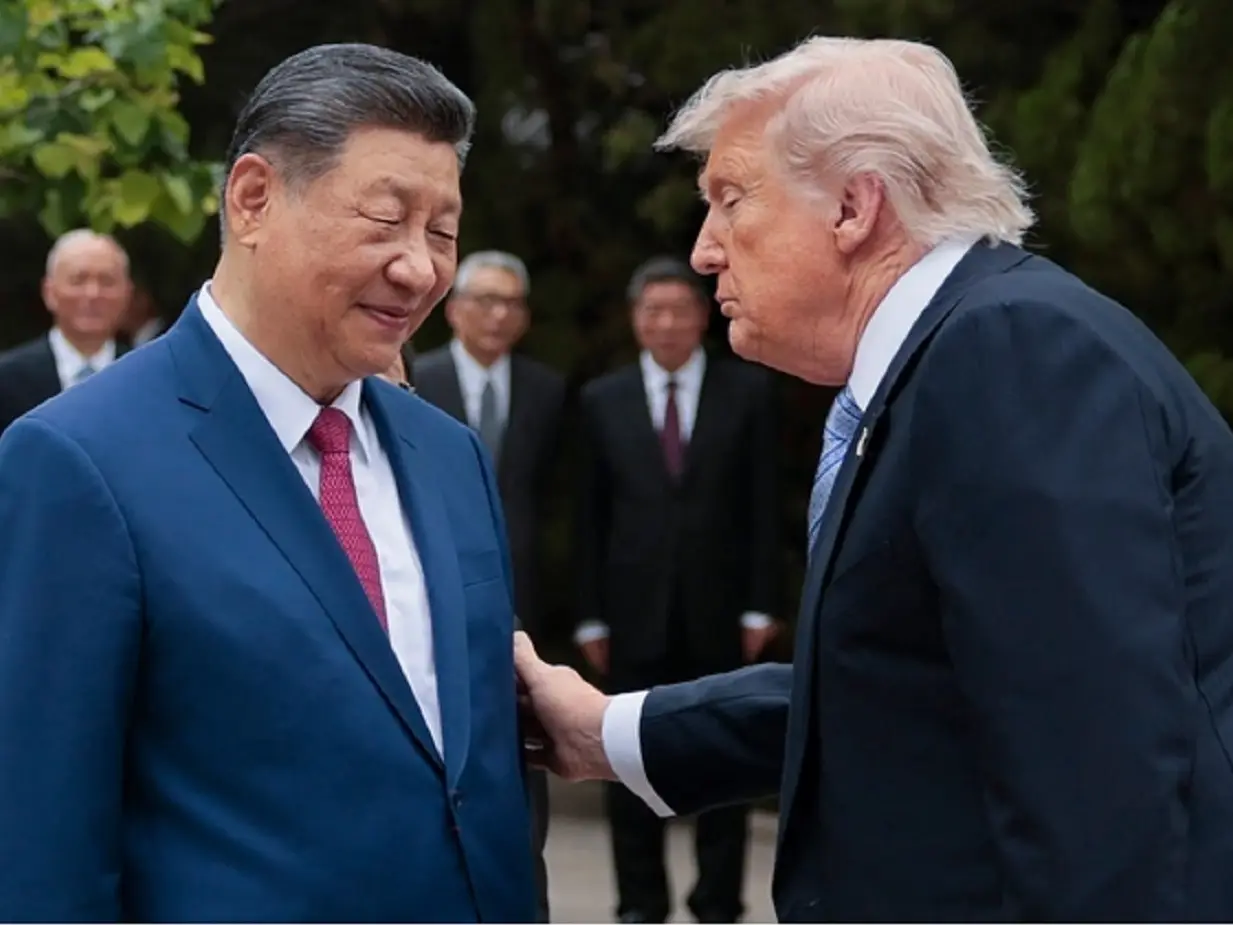)
Trump-Xi Summit: Trade, Taiwan and the red lines shaping US-China talks | Race To Power
)
US citizen injured in Illinois after ICE agents mistook him for fugitive, hospitalised
)
US judge questions Trump’s decision to ban CNN, MS NOW and Politico from White House
)
Afghan woman cyclist who disguised herself as a boy to escape Taliban, wins Asian Games medal
)
Italy hit by floods in the north, drought in the south
)
'There will be elections': Venezuela's interim leader Delcy Rodriguez makes big announcement at UN
)
Would you date an AI? South Korea’s My AI Partner: Strange Love sparks buzz on relationship and intimacy
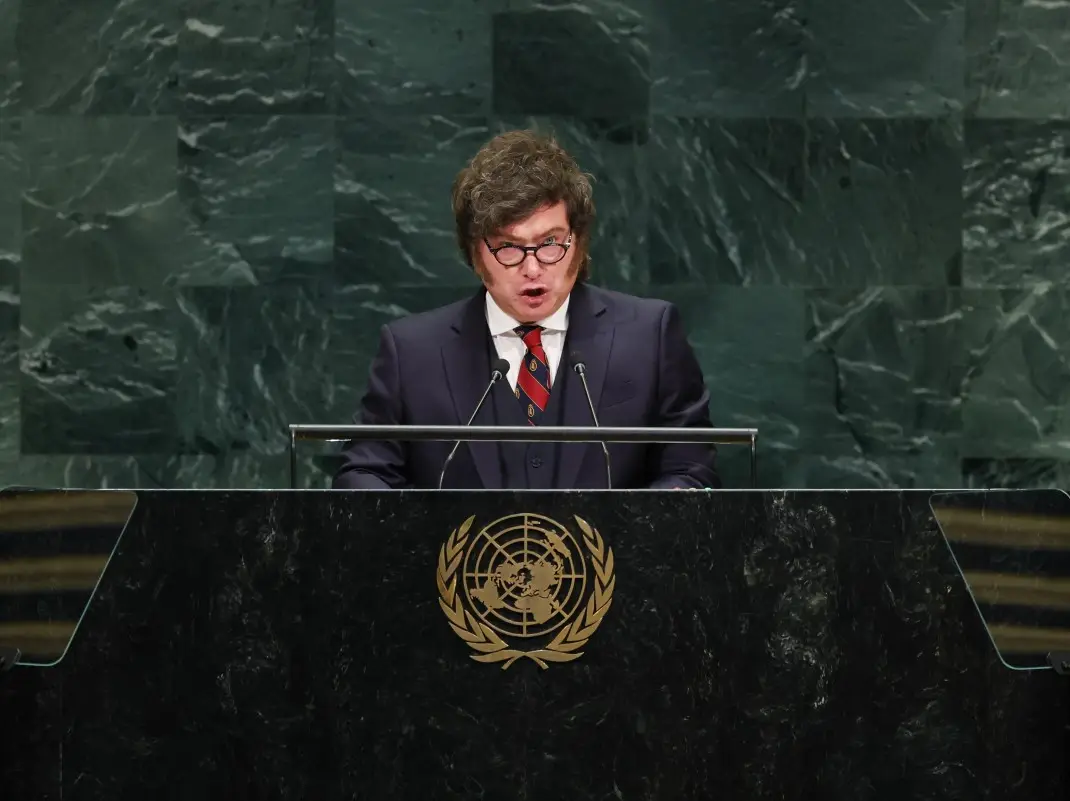)
'Arrogant parasites': Milei blasts UN over Falklands dispute, warns Argentina will ‘take matters into our own hands’
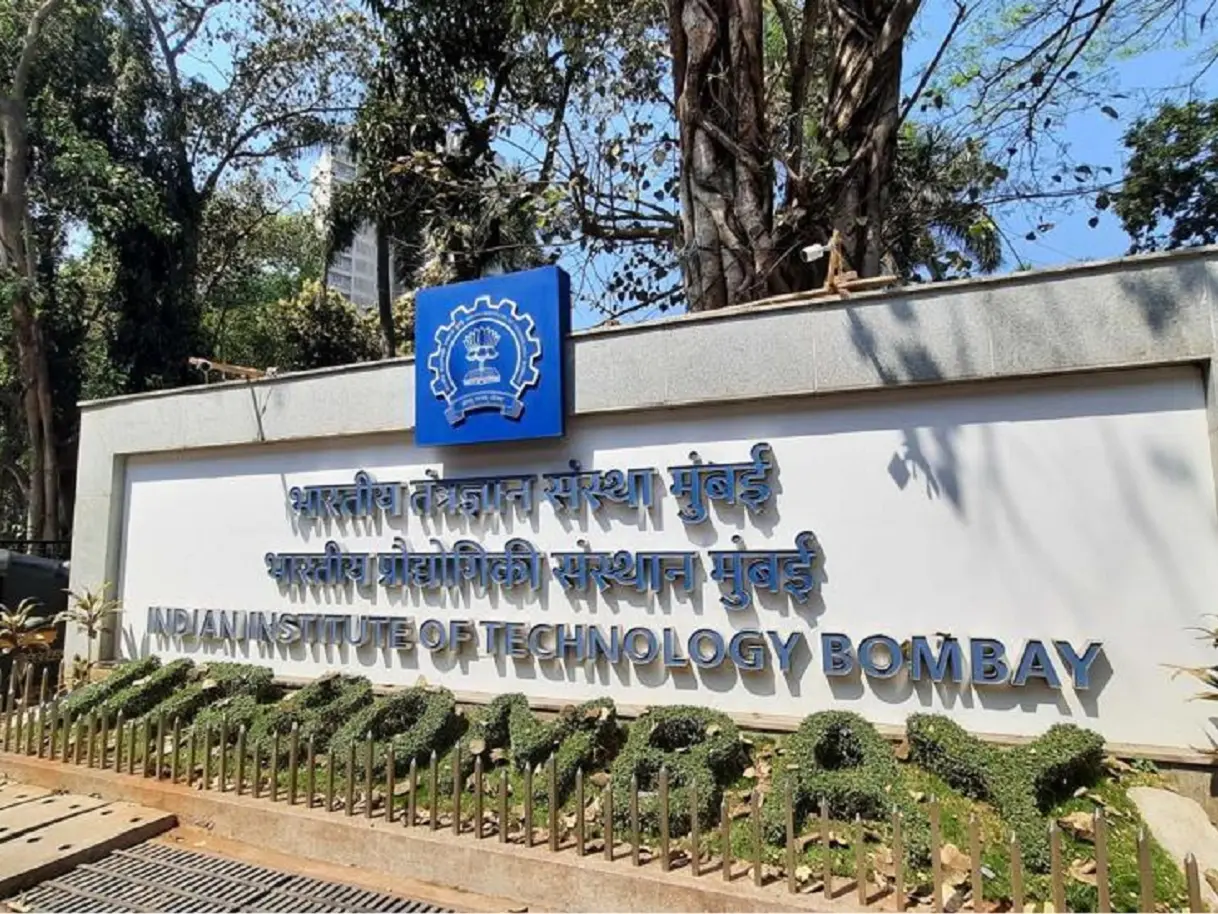)
IIT Bombay CCTV footage emerges: Sahil Wakode seen looking at phone in examination hall
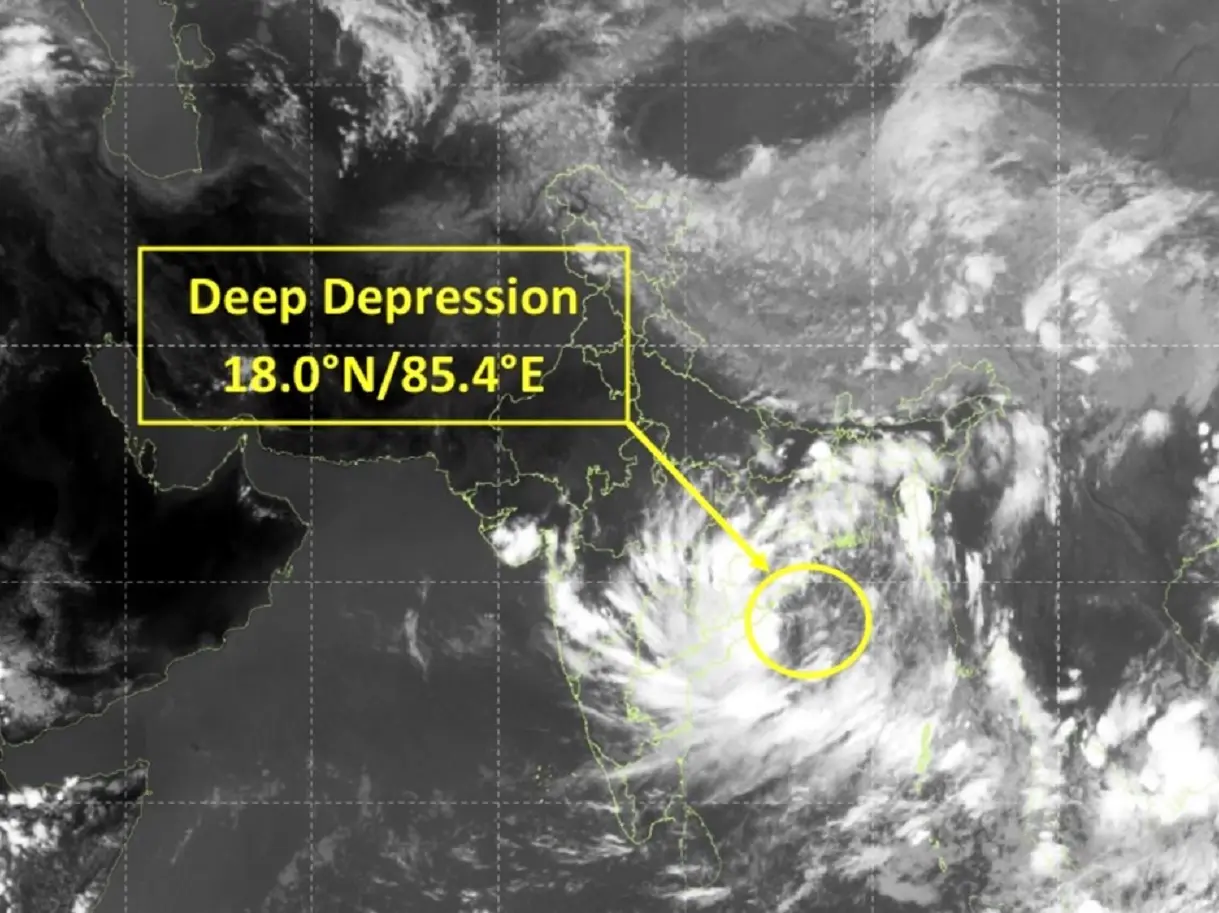)
Cyclone Arnab: Landfall expected before midnight tomorrow as IMD issues orange alerts across six states
)
9 killed, several injured as tourist bus catches fire on Yamuna Expressway
)
NBA player Steven Adams shares hilarious GTA VI theory
)
WION Iconic Tourism Summit 2026: Union Minister Shekhawat on 'experiential travel', peace diplomacy
)
'AI got into my speech': Prince Harry jokes after teleprompter failure at event in New York
)
Scientists detect first radio signals directly from faraway planet
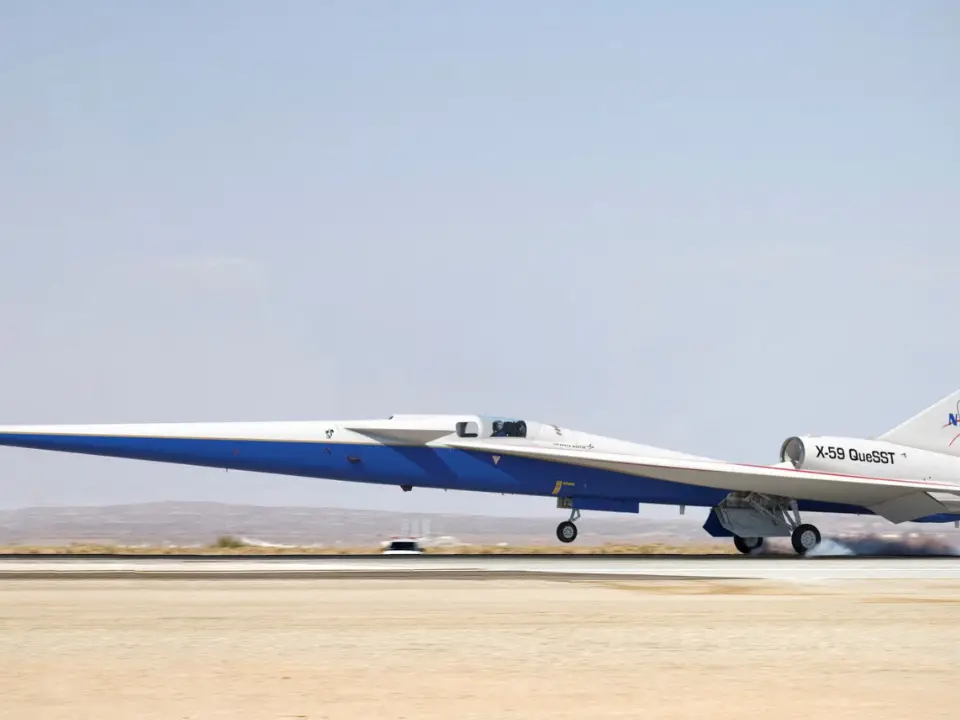)
China to test supersonic jet that moves at Mach 2, double the speed of sound
)
WION Iconic Tourism Summit: 'Hanuman Ansh' Director on blockbuster success
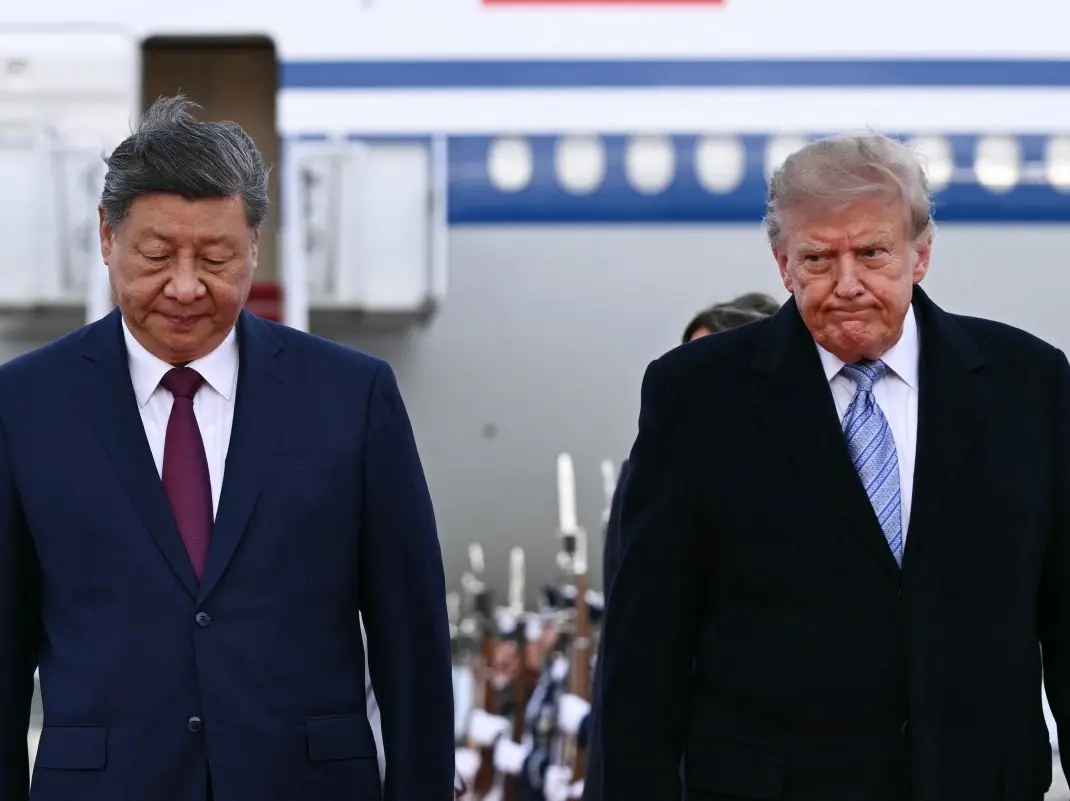)
'Partners rather than rivals': Xi Jinping's first message after landing in US for Trump summit
)
WION Iconic Tourism Summit: Is India's travel boom outrunning its airports, airlines and hotels?
)
IIT Bombay student suicide case: CCTV from the exam hall hours before suicide
)
2,000-foot tube, laser tests and more: China builds towns to expand nuclear arsenal, satellite images show
)
WION Iconic Tourism Summit and Awards 2026: Key voices to discuss India’s tourism future
)
French court upholds decision to send PSG and Morocco footballer Hakimi to rape trial
&im=FitAndFill=(700,400))
New OTT releases this week (September 21-27, 2026): Shaque: Trust No One, Hunkkaar, Don’t Be Shy- 5 new titles coming to Netflix, Prime Video and more
)
WATCH | China President Xi Jinping lands in US as Trump greets him ahead of high-stakes summit
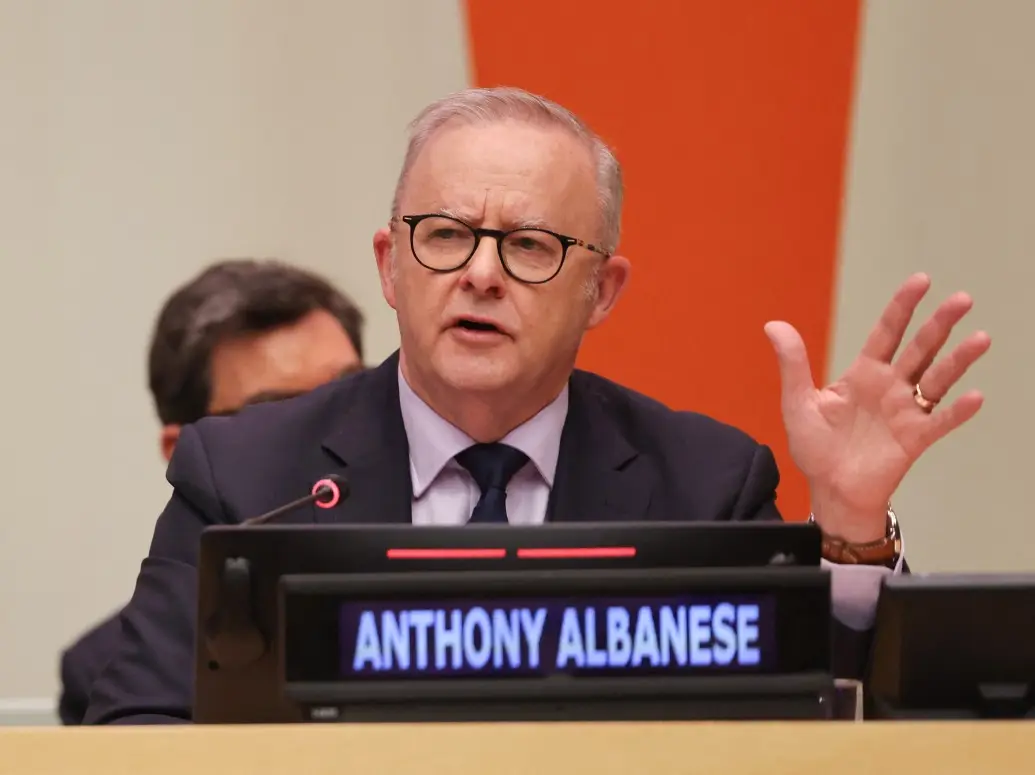)
Australian PM Anthony Albanese calls OpenAI AI incident 'unacceptable' after restricted data access
)
Claude Opus 5.5 is here: Anthropic claims it can finish a 680,000-line code migration in less than a day
)
'What kind of confession is this?': Pakistan PM Shehbaz Sharif’s 'terrorists would be roaming New York' remark goes viral, raises alarm online. Watch
)
WION Iconic Tourism Summit: How local tourism MSMEs must upskill for AI integration
)
Eight USS Abraham Lincoln sailors attempted suicide, Acting Navy Secretary says
)
Trump’s Board of Peace unveils $2.45bn Gaza plan,66 projects: But where’s the money?
)
EC appointment law: Why is the 2023 act controversial, and what happens next? WION explains
)
'Putin is patient zero': Zelensky slams Russian president at UNGA, accuses him of using fighters from 47 countries
&im=FitAndFill=(700,400))
National Film Awards 2026: Kartik Aaryan, Mammootty, Yami Gautam, Randeep Hooda and other key winners
)
El Niño 2026 heats up to become strongest in 1,000 years
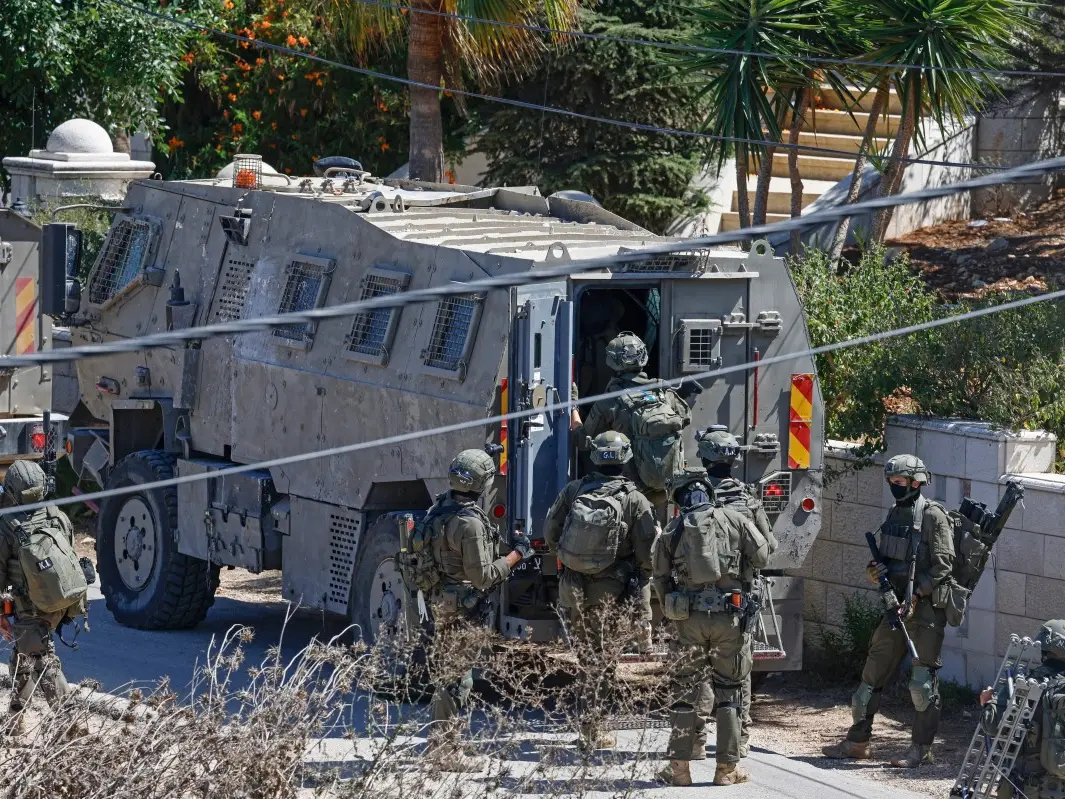)
Israeli envoy to US Yechiel Leiter’s son critically injured in West Bank ramming attack
&im=FitAndFill=(700,400))
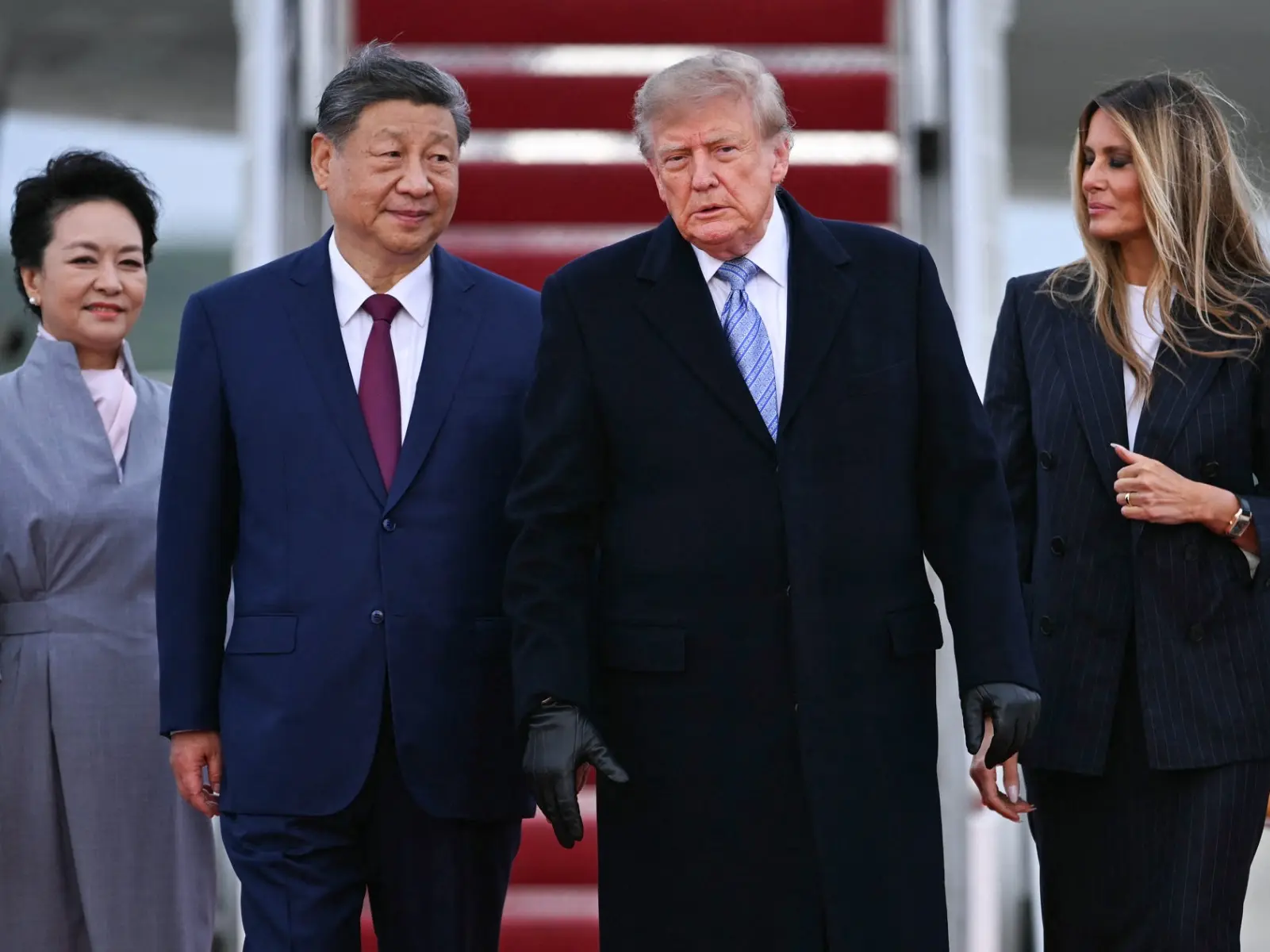
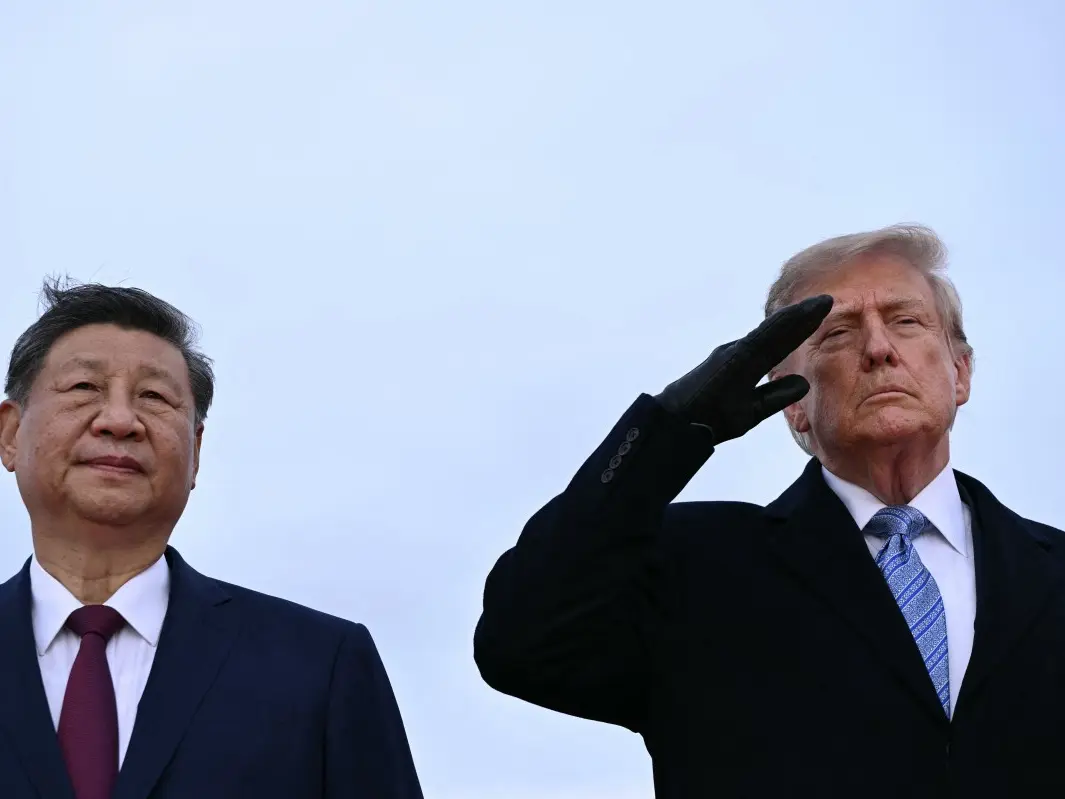
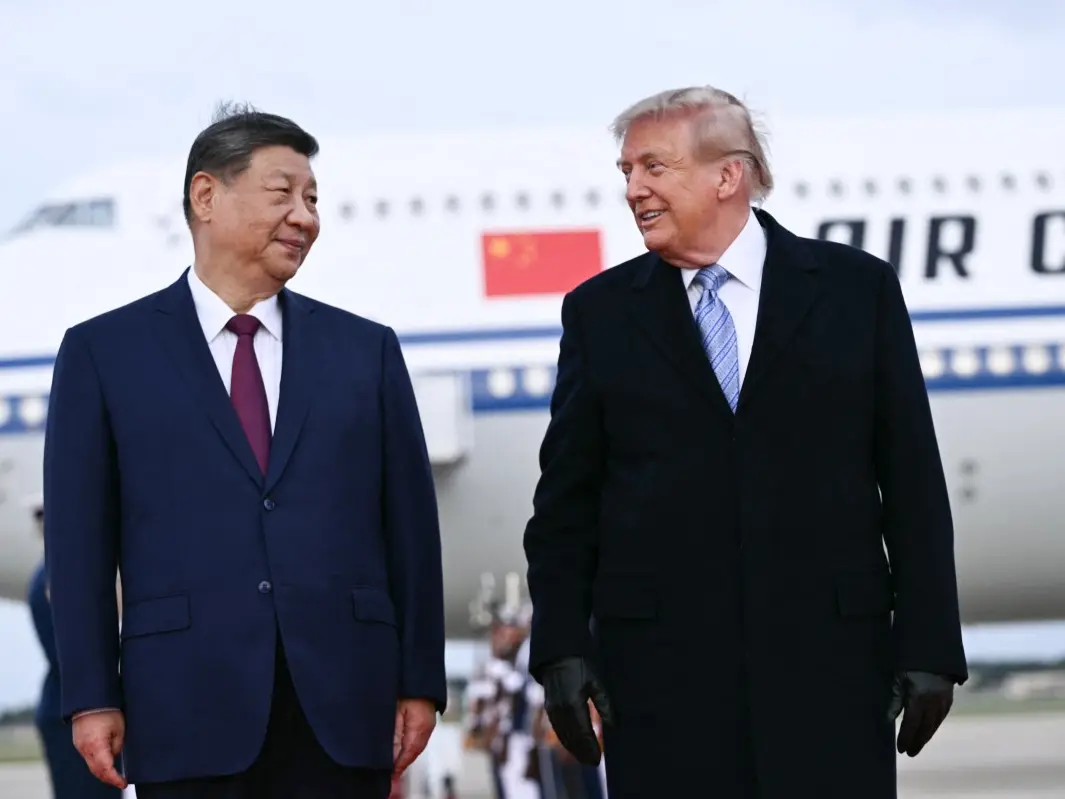
Trump welcomes Xi Jinping in rare airport gesture: Photos from Chinese President's arrival in US
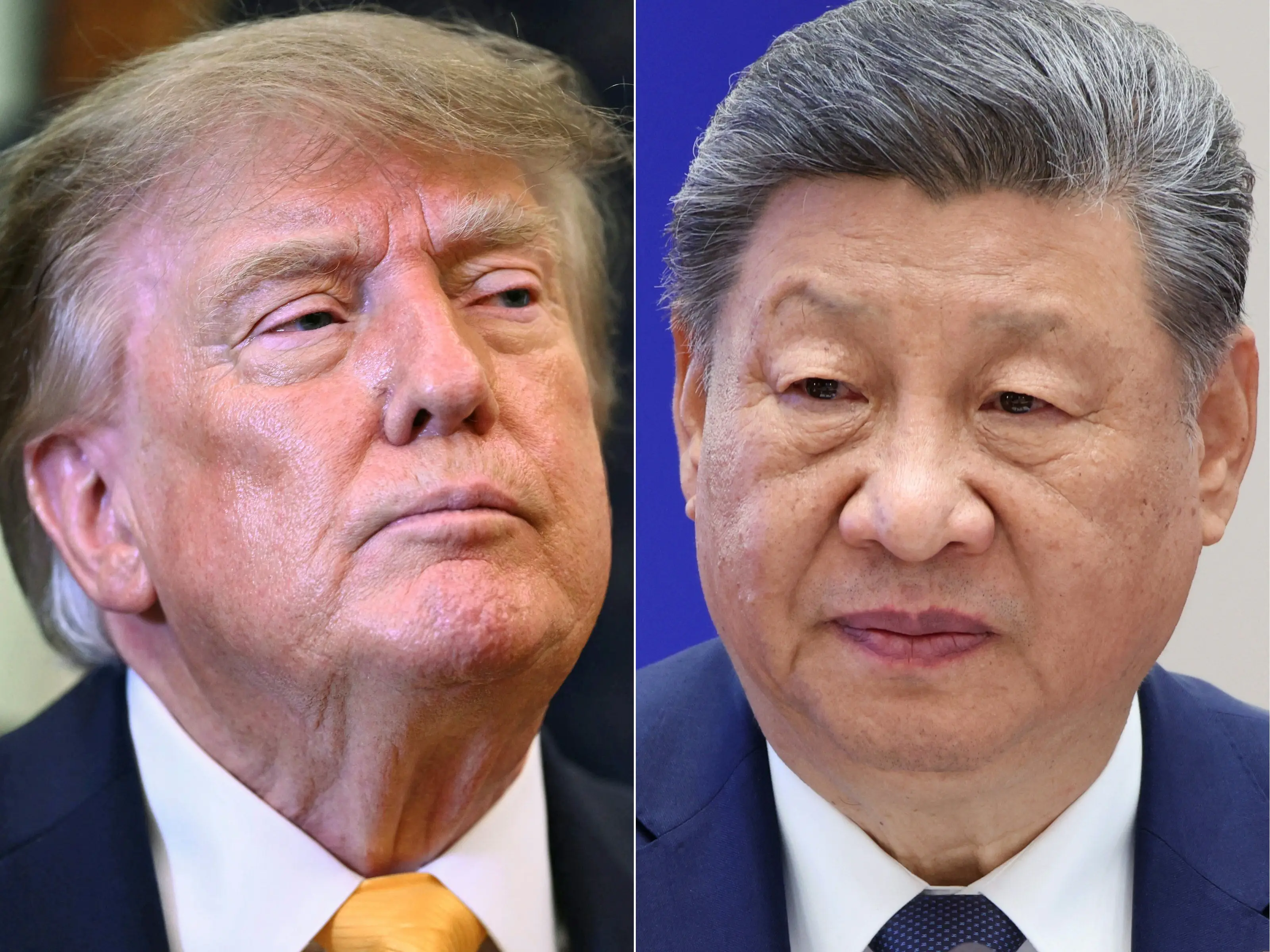)
Xi-Trump meeting: China’s human rights red line and past protests explained
Energy Secretary Sharon Garin said the country currently has around 45 days’ worth of fuel reserves. She added that authorities may temporarily increase reliance on coal-fired power plants to offset the rising cost of liquefied natural gas.
Asia remains especially exposed to disruptions in the Strait of Hormuz, with nearly 90 per cent of the oil and gas passing through the route last year destined for the region, underscoring the broader risks posed by the escalating conflict.
Disclaimer: WION takes utmost care to accurately and responsibly report ongoing conflicts in West Asia involving Israel, Iran, US, Gulf nations and non-state actors like Hezbollah, Hamas, Houthis, Islamic State, and others. Claims and counterclaims, disinformation and misinformation are being made online and offline. Given this context, WION cannot independently verify the authenticity of all statements, social media posts, photos and videos.

