Elon Musk's xAI sues Minnesota over a law banning AI nude images of children, claims it violates free speech

&imwidth=600&imheight=450&format=webp&quality=medium "Elon Musk's xAI sues Minnesota over a law banning AI nude images of children, claims it violates free speech")
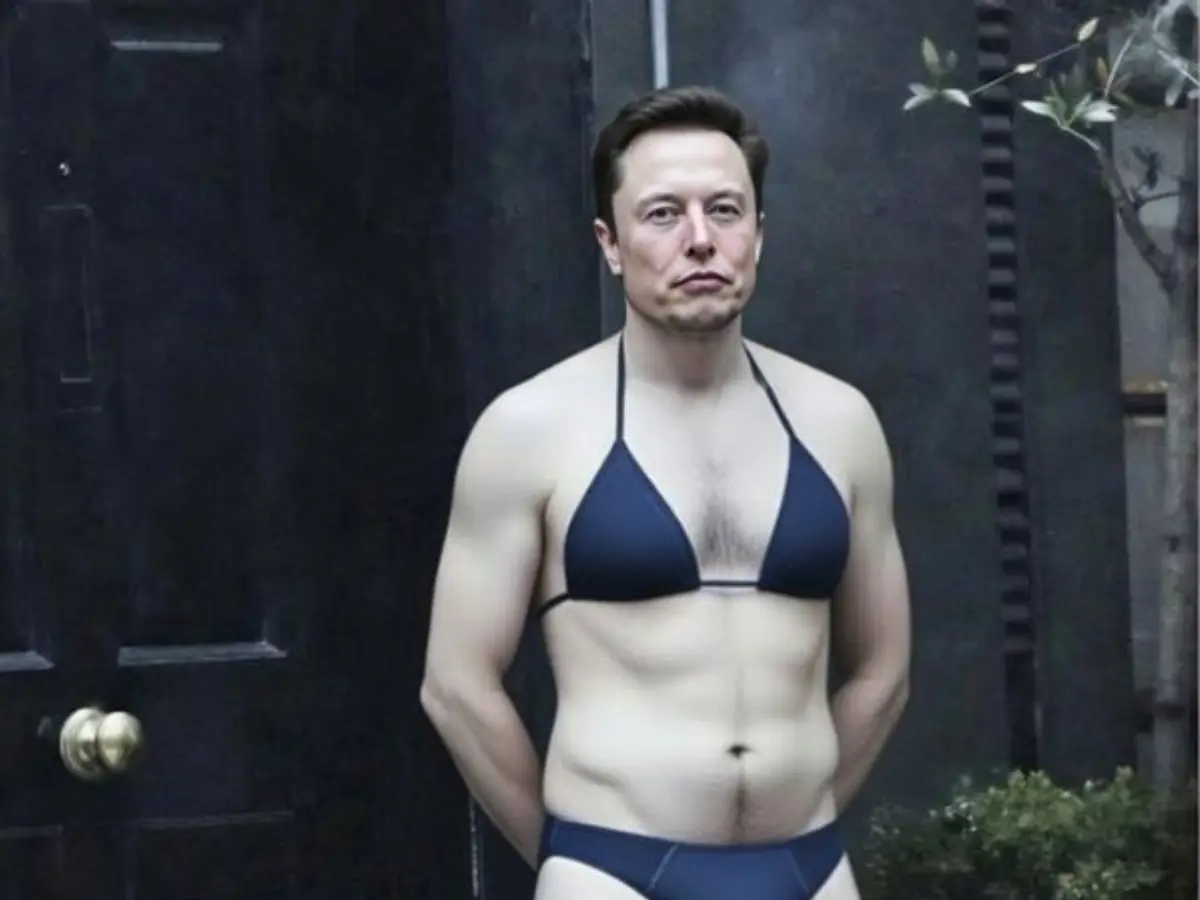
AI-generated image depicting Elon Musk in a bikini. Image created by Grok on Musk's command on Jan 1, 2026. Photograph: (Grok image)
Elon Musk's xAI has sued Minnesota over a first-in-the-nation law targeting AI nudification tools, arguing the legislation is overly broad, threatens constitutionally protected content and unfairly holds AI developers liable. All you need to know.
Elon Musk's artificial intelligence company xAI has filed a lawsuit against the US state of Minnesota over a first-in-the-nation law that bans AI "nudification" technology on websites and apps. The lawsuit, filed in federal court on Monday, comes just days before the Minnesota law is scheduled to take effect on August 1. The legislation, signed into law in May, makes Minnesota the first US state to directly target AI tools capable of generating fake nude images of real people.
What does xAI have against the law preventing non-consensual 'nudification' of young girls?
In its 38-page complaint, xAI argued that while it supports efforts to curb the non-consensual distribution of AI-generated nude images, Minnesota's law goes much further than necessary.
The company contends the law could ban constitutionally protected images and videos and expose AI developers to penalties of up to $500,000 per violation. According to the lawsuit, the legislation lacks a "safe harbour" provision that would protect companies making good-faith efforts to prevent misuse of their AI tools.
It also argues the law could apply to images created with the consent of the person depicted, or even images generated by the individual themselves. xAI further claims the law's definition of "intimate part" is overly broad, potentially covering body parts commonly visible in public.
Trending Stories
)
)
)
)
)
&im=FitAndFill=(700,400))
)
)
&im=FitAndFill=(700,400))
)
)
)
)
&im=FitAndFill=(700,400))
)
)
)
)
)
)
)
)
)
&im=FitAndFill=(700,400))
)
)
)
)
)
&im=FitAndFill=(700,400))
)
)
)
Minnesota slams ‘appalling’ use of tech
Minnesota Attorney General Keith Ellison said his office had not yet been served with the lawsuit but defended the legislation. "Using AI to generate nude images of people against their will is appalling," Ellison said in a statement.
“There are plenty of worthy debates to have about AI policy. This is not one of them. AI nudification robs the target of their dignity and can cause immense harm on an emotional, personal and professional level.”
Unlike most state and federal deepfake laws, which punish people who create or distribute non-consensual explicit images, Minnesota's law places legal responsibility on companies that provide the AI tools themselves.
xAI points to existing safeguards
The company said its AI chatbot and image generator Grok, available through X and other platforms, already prohibits users from creating non-consensual nude or sexually explicit images. According to xAI, users who violate those rules can face account suspension or termination, while suspected child sexual abuse material is reported to authorities.
Notably, in December 2025, Grok apologised for “depicting minors in minimal clothing” after uproar over an “AI image of two young girls (estimated ages 12-16) in sexualized attire based on a user’s prompt”.
Earlier this year, the company also announced a "zero tolerance" policy toward child sexual exploitation, non-consensual nudity and unwanted sexual content. Following global criticism over sexually explicit AI-generated images, xAI said in January it introduced geo-blocking measures to prevent users in jurisdictions where such content is illegal from editing images of real people wearing revealing clothing.

