El Nino predicted to cause unprecedented heat across Amazon to Alaska in 2024

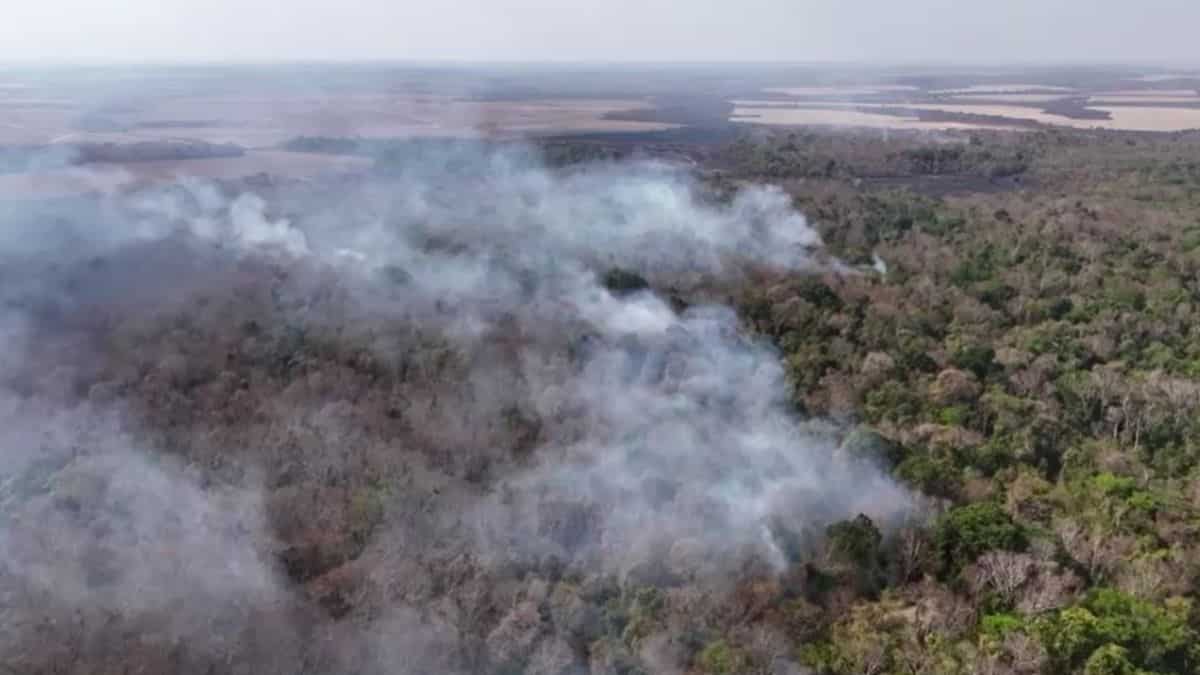
Nearly 3,000 fires in Brazilian Amazon in February, new record
The forthcoming El Nino climate event is anticipated to intensify global warming, leading to record-breaking temperatures spanning from the Amazon to Alaska in 2024, according to recent analysis.
Scientists also project that coastal regions near the Bay of Bengal, the South China Sea, India, the Philippines and the Caribbean will experience exceptional heat until June, with the potential for El Nino's influence to diminish thereafter.
El Nino, characterised by the release of heat from the western Pacific Ocean, has historically elevated global surface temperatures and played a significant role in making 2023 the hottest year on record by a substantial margin.

The heightened temperatures during the latter part of 2023, driven by El Nino, had severe repercussions in North America, Europe, China, South America, and Madagascar, intensifying the impact of the ongoing climate crisis.
Utilising computer models, the new analysis identifies probable regional hotspots during the first half of 2024, indicating a 90 per cent likelihood of setting a new global temperature record during this period.
Dr. Ning Jiang from the Chinese Academy of Meteorological Sciences emphasised the urgency of addressing the impending climate crisis, citing the heightened risk of year-round marine heatwaves, wildfires, and other adverse consequences in vulnerable areas such as Alaska and the Amazon basin.
Given the Earth's natural cycling between El Nino and La Nina, the study models the effects of El Nino on regional surface air temperatures from July 2023 to June 2024.
The findings suggest that the Amazon is likely to experience record temperatures in 2024, increasing the risk of wildfires. Additionally, Alaska faces the potential melting of glaciers and permafrost, along with coastal erosion, due to the projected record heat.
Watch:El nino strikes northeast, as sun scorches Southern Africa
Prof. Adam Scaife from the Met Office and the University of Exeter emphasised the study's use of observed temperature records and knowledge of El Nino's effects to offer a preliminary forecast for 2024.
While acknowledging the limitations in assessing certain regions with poor historical data coverage, the study underscores the prominence of excess heat in regions like Africa and Greenland, as indicated by climate model forecasts for the year.
(With inputs from agencies)