&imwidth=800&imheight=600&format=webp&quality=medium "Cuba REGIME CHANGE by end of 2026? Trump wants it to 'cement his legacy', claims report")
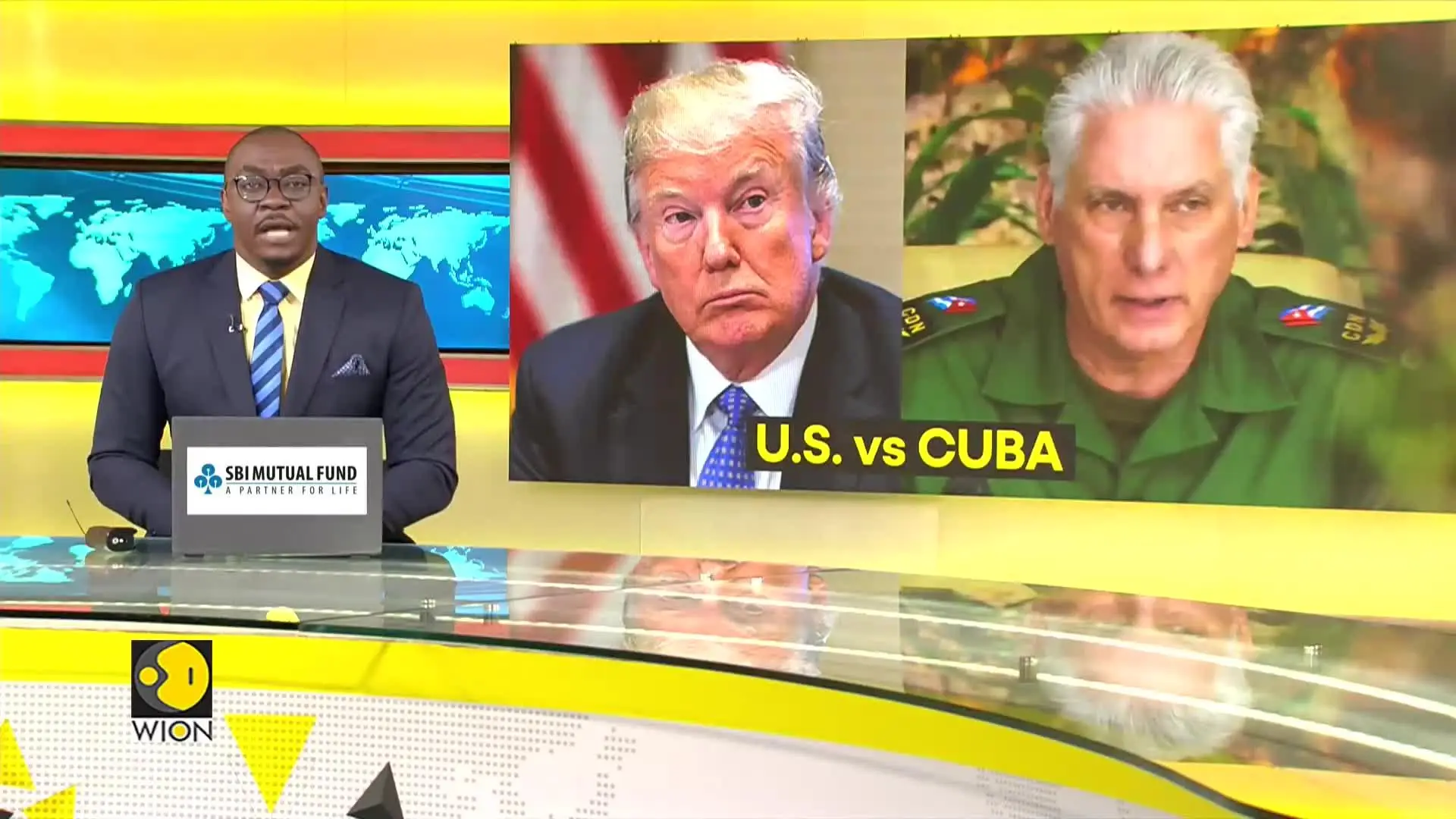
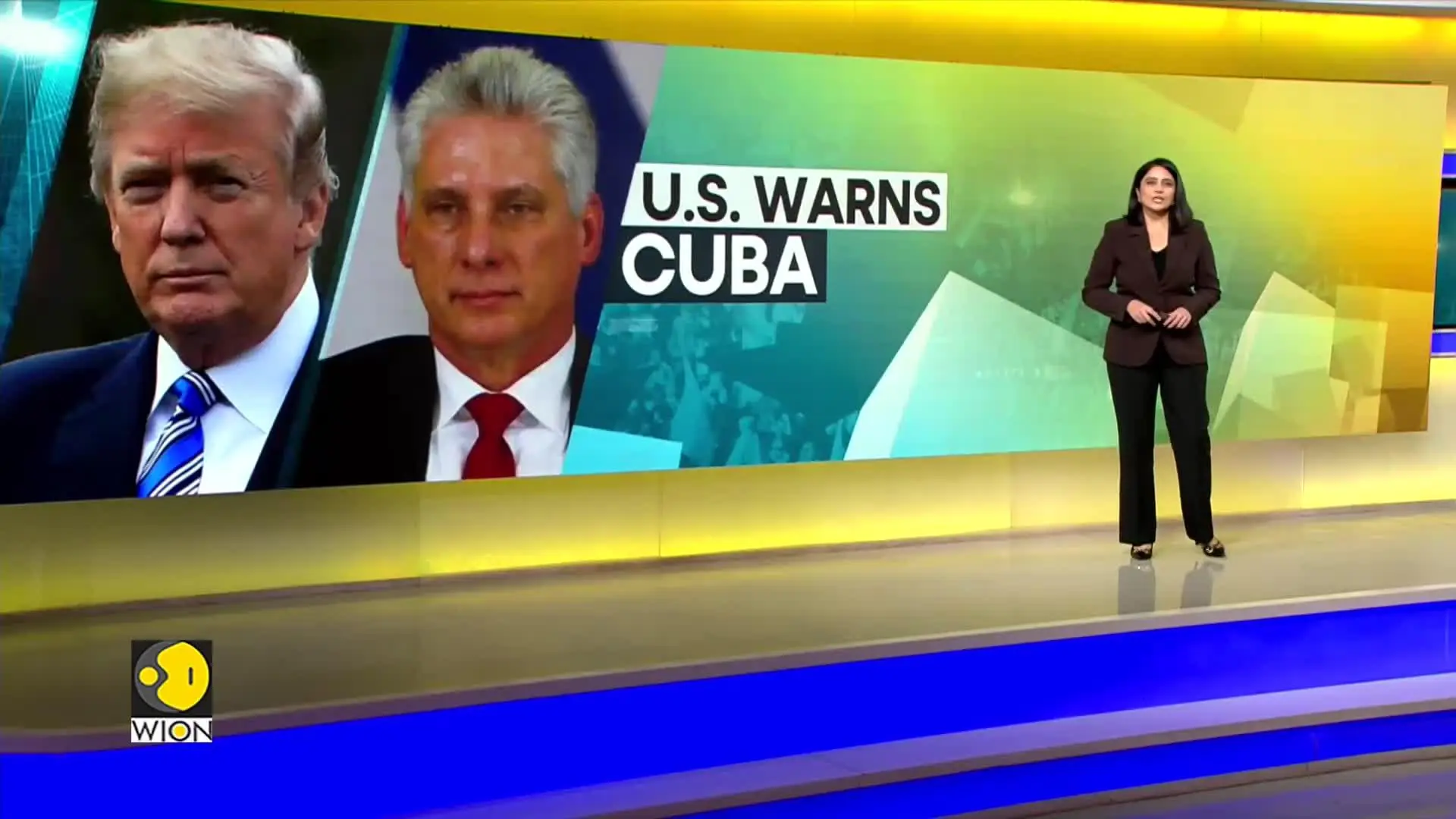
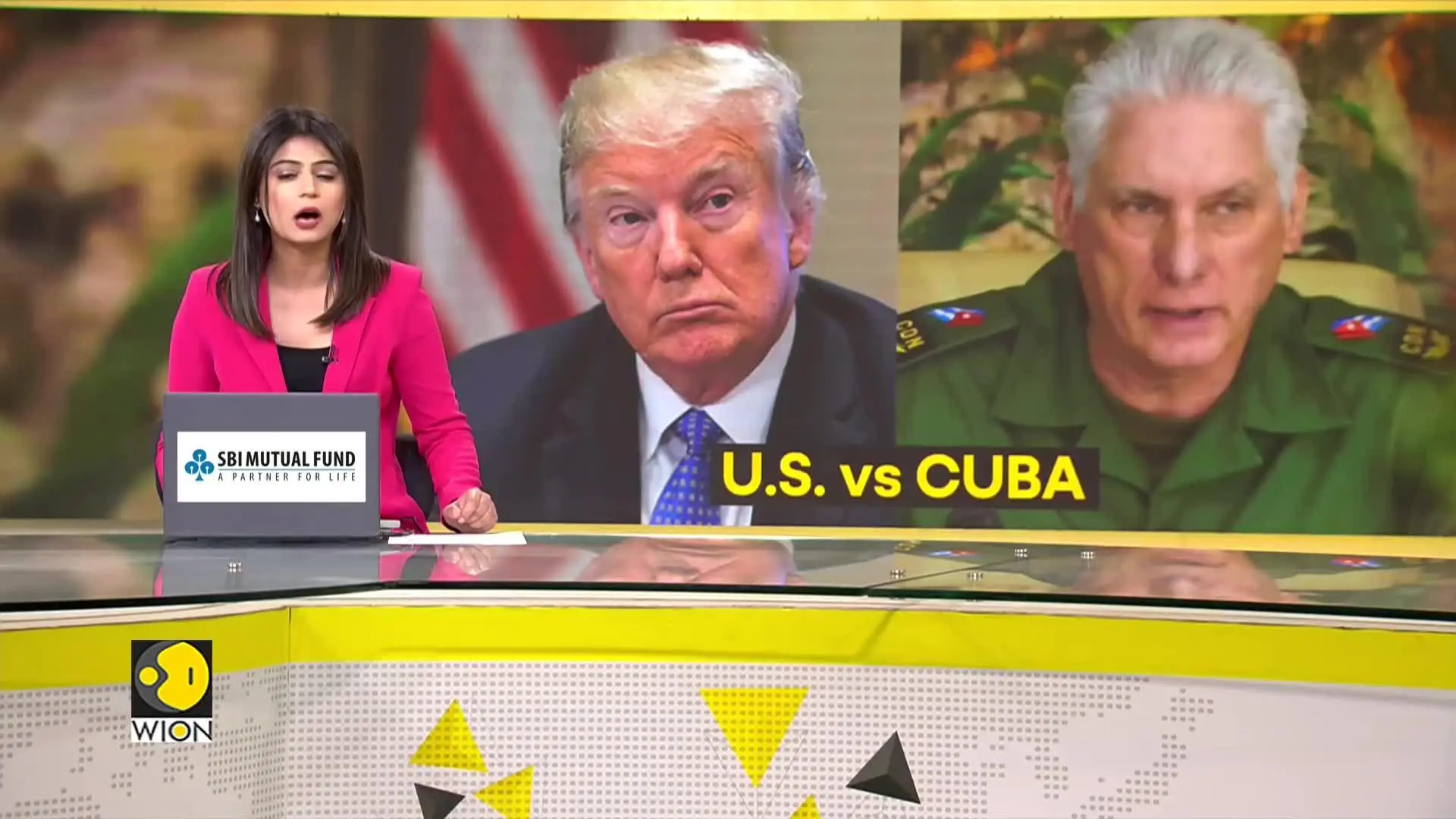
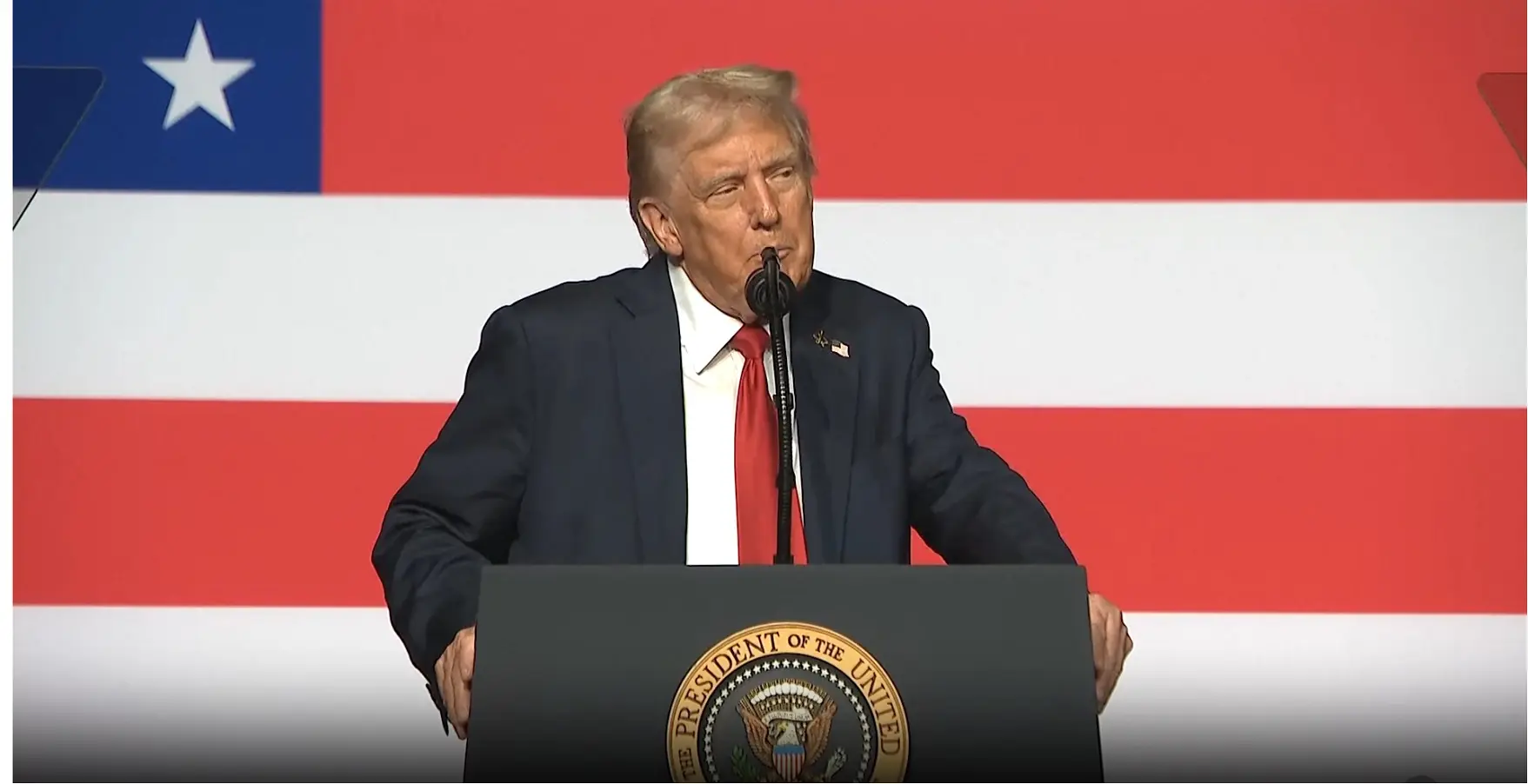
Donald Trump’s administration is actively seeking regime change in Cuba by the end of 2026, something the US president thinks would ‘cement his legacy’, the Wall Street Journal reported on Wednesday (Jan 21), citing officials in the know. The push follows the forced ouster of Venezuelan leader Nicolás Maduro in a US special forces operation earlier this month. US officials cited in the report said Trump believes that ending the Castro era would “cement his legacy and do what President John F Kennedy failed to do in the 1960s.” Here is what the WSJ report says and what it means.
But why Cuba?
One of the last-standing Communist regimes in the world, Cuba has defied US disruption efforts for decades since the beginning of the Cold War.

What is the US planning to do with Cuba?
The strategy appears to be multi-pronged, including a search for government insiders in Cuba for a deal that would end the Communist rule. Economic pressure is another aspect, according to the article titled The US Is Actively Seeking Regime Change in Cuba by the End of the Year.
The US assessment is that the Cuban economy is on the brink of collapse, weakened by the loss of support from Venezuela that had provided much of Cuba’s oil and energy needs as a satellite state.
Trending Stories
)
The Early Spring is proof not everyone can talk about their real feelings, and it is perfectly OK
)
UN votes to ‘correct the map’ as India backs fairer world view
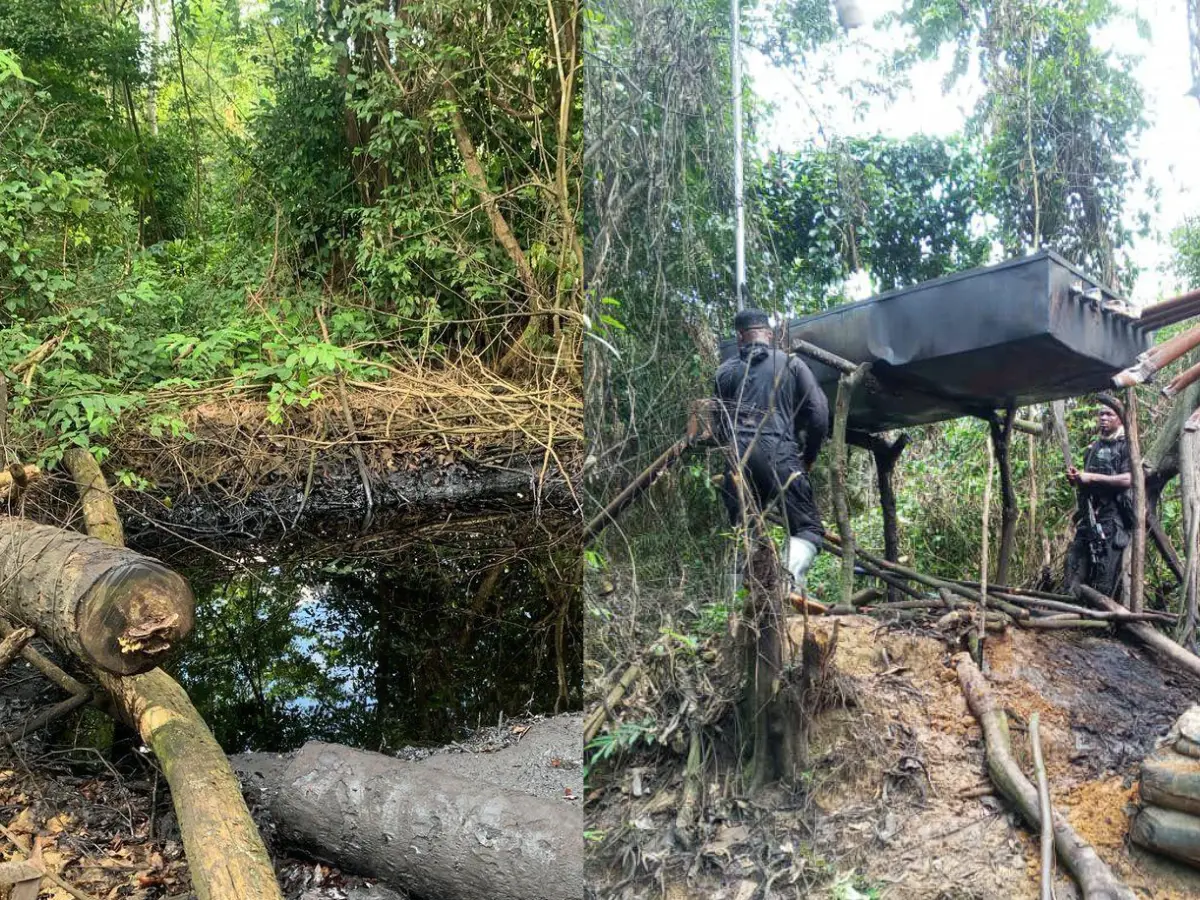)
Nigerian Navy discovers 99,000 litres of suspected stolen, illegally refined products as it intensifies anti-crude oil theft operations
)
Who is Aditi Paudel? 17-year-old becomes Japan's first literacy ambassador
)
Bengaluru: Officials find 40 kg expired chilli at chairman's club
)
Jaishankar rejects trade link to ending Ukraine war
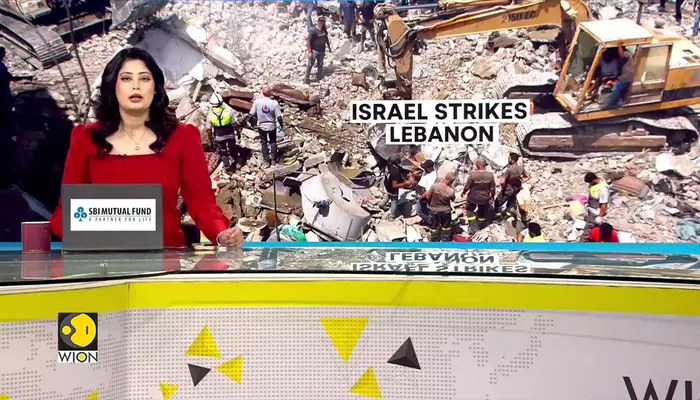)
Israeli strikes on Lebanon kill three, injure 23 despite truce
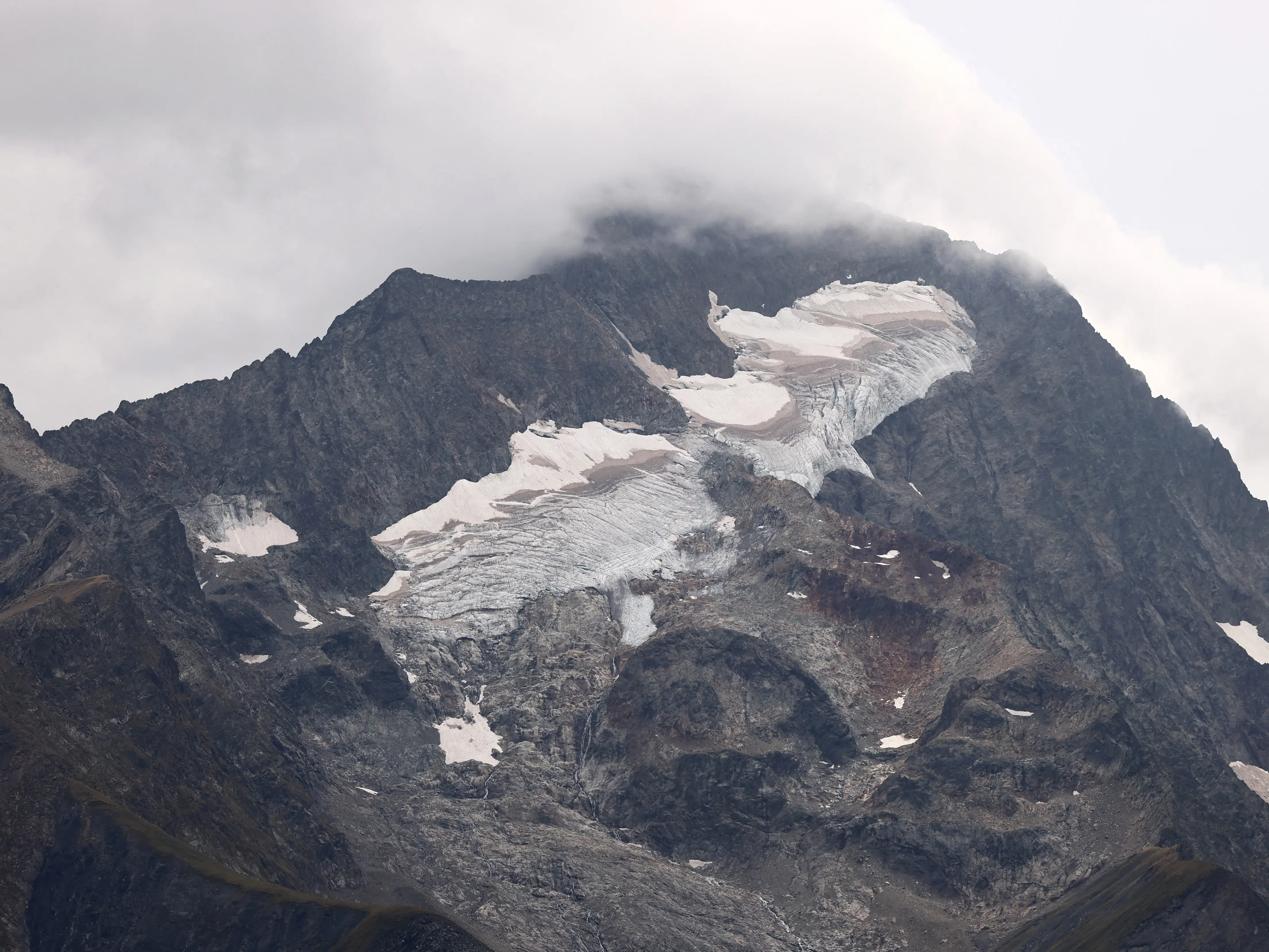)
Alpine glacier was covered with sheep wool sheets to prevent melting. It worked
)
South Korea mulls deploying military assets to Strait of Hormuz
)
World's fifth-largest economy, British army can't afford to train
)
Breaking | Vance takes the podium: First White House briefing since Leavitt's exit
)
Taiwan raises 'concerns' over China's missile test
)
BRICS 2026: $1 trillion sovereign capital set to converge in Delhi for first iBRICS Summit
)
What is Iran's Pickaxe Mountain that Trump has again threatened to bomb?
)
UN votes to correct world map that visually shrank Africa for 450 years
)
Former NewJeans member Danielle launches YouTube channel, hints at new solo journey
)
Bangladesh batter Towhid Hridoy creates history with 350 not out in South Africa
)
Brendan Fraser’s transformation fuels The Mummy 4 excitement as fans welcome back Rick O’Connell
&im=FitAndFill=(700,400))
Krishna Janmashtami 2026: From Dhaniya Panjiri to Makhana Kheer- 5 best sweet dishes perfect for celebrating Lord Krishna’s birth
)
Donald Trump plans to travel to Ireland on Qatari-donated jet amid security concerns
)
Nazi-looted art to return to Jewish heirs
)
Eight killed in Kerala’s Thrissur after car rams into lorry parked on highway
&im=FitAndFill=(700,400))
Why Russian fighter jets use bulky, low-pressure tyres compared to US jets
)
FBI-wanted fraud accused arrested in Jalandhar over $600,000 scam
&im=FitAndFill=(700,400))
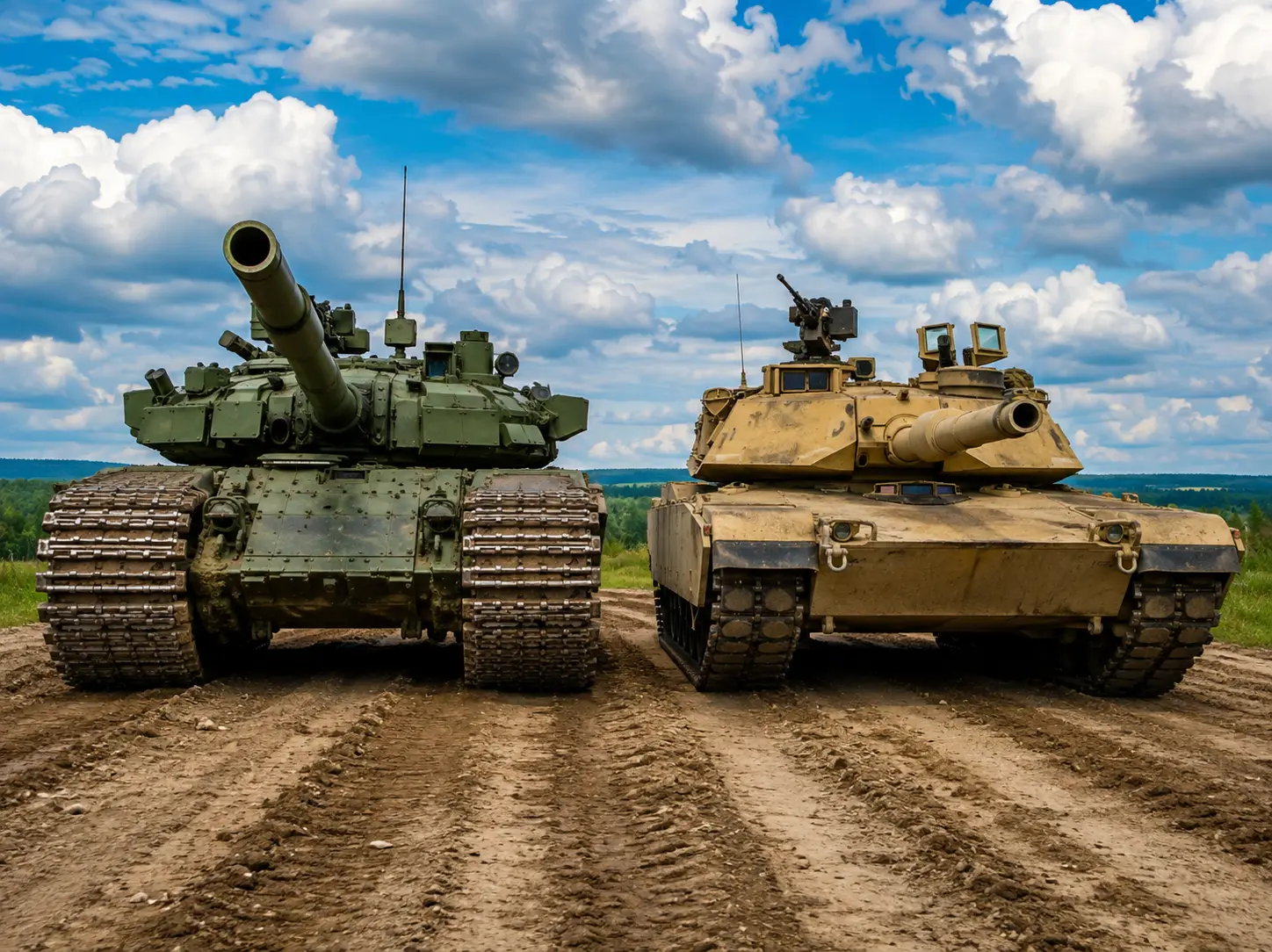
Why US tanks weigh over 20 tons more than Russian tanks
&im=FitAndFill=(700,400))
New Friday OTT releases (September 4, 2026): GDN, Dhamaal 4, Jagamae Sangeetham- Watch 6 new movies and TV shows on Netflix, Prime Video and more
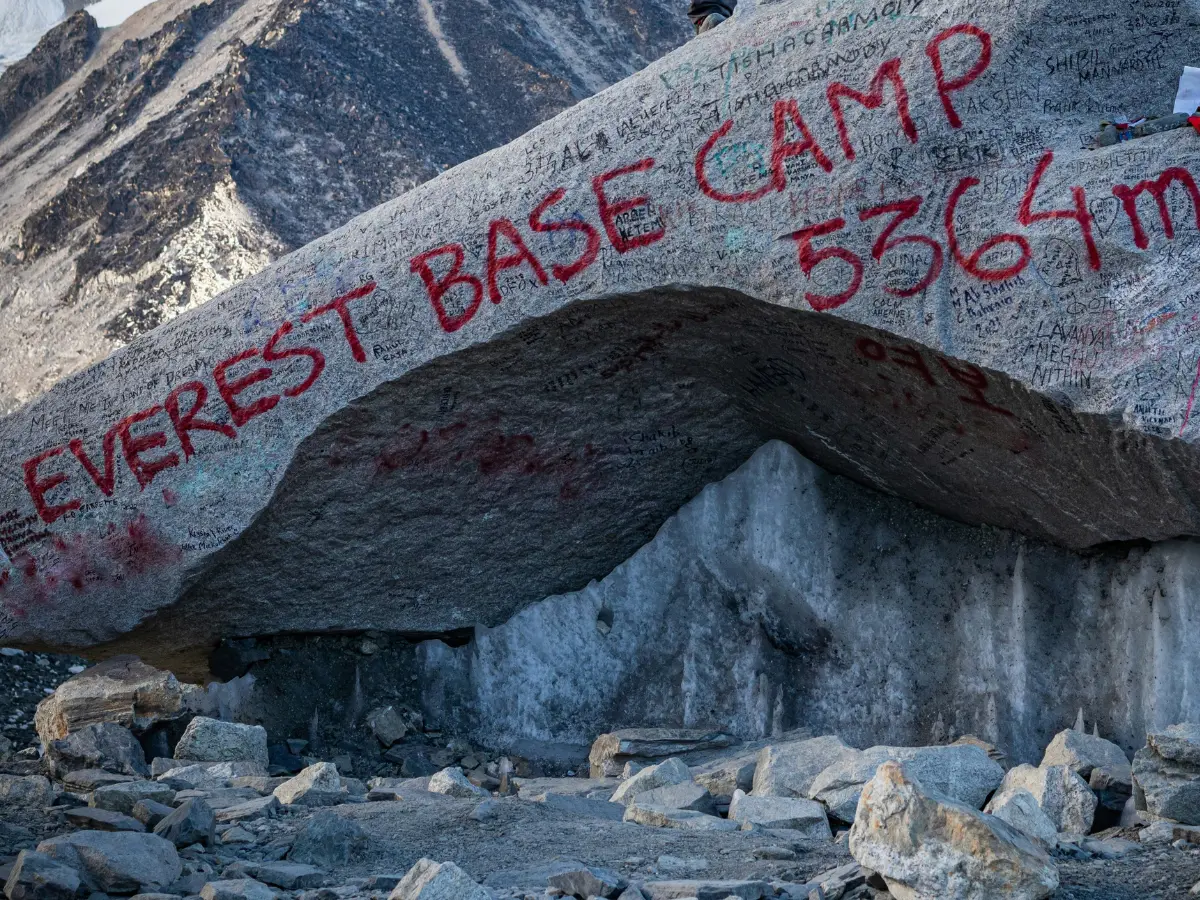)
Killing the Himalayas slowly: Human urine is melting a glacier on Mount Everest
US officials see the Maduro operation as a blueprint for Venezuela
Much of what the US did in Venezuela could be repeated for Cuba: escalating sanctions, cutting off oil subsidies and supplies. The tactics could even involve targeting Cuba’s famed overseas medical missions.
“Incompetent Marxists who destroyed their country”
A White House official cited in the report described Cuba’s rulers as “incompetent Marxists who destroyed their country.”
The State Department has long held that it is in US national security interests for Cuba to be ‘competently run by a democratic government’ and to refuse to host adversaries’ military and intelligence services.
Deal or disruption? The Trump plan for Cuba
Trump’s approach seems to be one of deal-making rather than explicit regime change through military intervention. Trump has already made several indicative public statements.
“I strongly suggest they make a deal, BEFORE IT IS TOO LATE,” he posted on social media on January 11. In the same post, he warned that “NO MORE OIL OR MONEY” would go to Cuba.
Echoing Trump, the White House official cited in the WSJ said Cuba should “make a deal before it’s too late.”
Trump is looking to make deals where possible, and to take advantage of opportunities as they come up, even as pressure is escalated and negotiation is offered as an ‘off-ramp’, said the report.
“The regime has to make a choice to step down or to better provide for its people,” the report cited Jeremy Lewin, the State Department’s acting under-secretary for foreign assistance, as saying.
Also read: 'Got free oil from Venezuela': Why Cuba's collapse looks inevitable after capture of Nicholas Maduro
Is it easy to remove the Cuban regime?
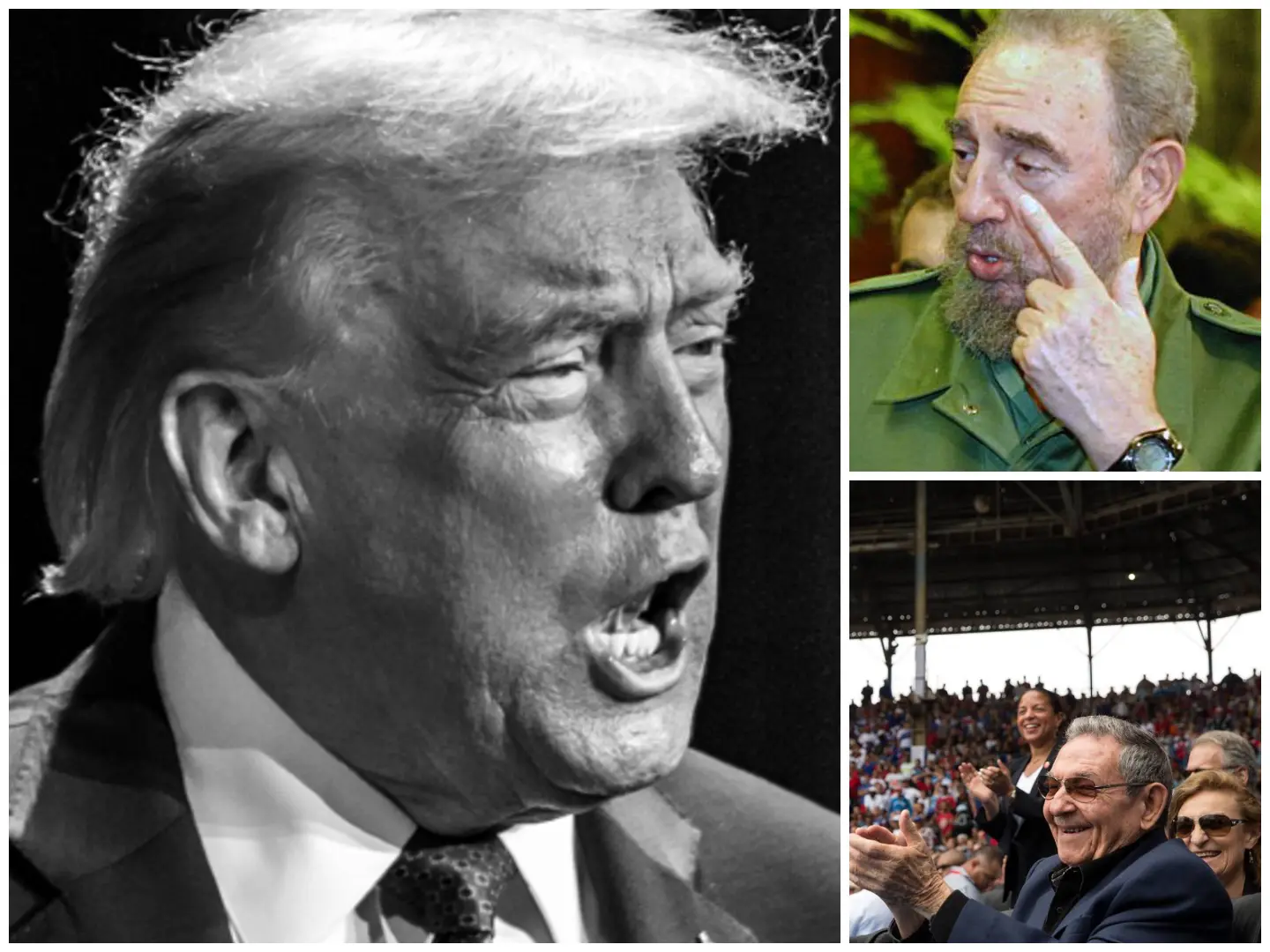
While it started as a communist regime under Fidel Castro, Cuba has essentially been ruled directly or indirectly by the late leader’s family, including his brother Raúl Castro. Cuba’s single-party system has been resilient in spite of conspiracies and efforts to weaken it. There is a lack of significant internal opposition. Cuban President Miguel Díaz-Canel has rejected any surrender or capitulation based on coercion.
Cuba and the US have long had tense ties, marked by decades of embargoes and political hostility. Some of it was eased during Democrat President Barack Obama's term, but Trump further tightened US Cuba policy.