US vs Cuba: How Fidel Castro turned a US ally into a Cold War enemy

Fidel Castro’s 1959 revolution transformed Cuba from a close American partner into a Soviet ally, triggering a decades-long Cold War standoff.
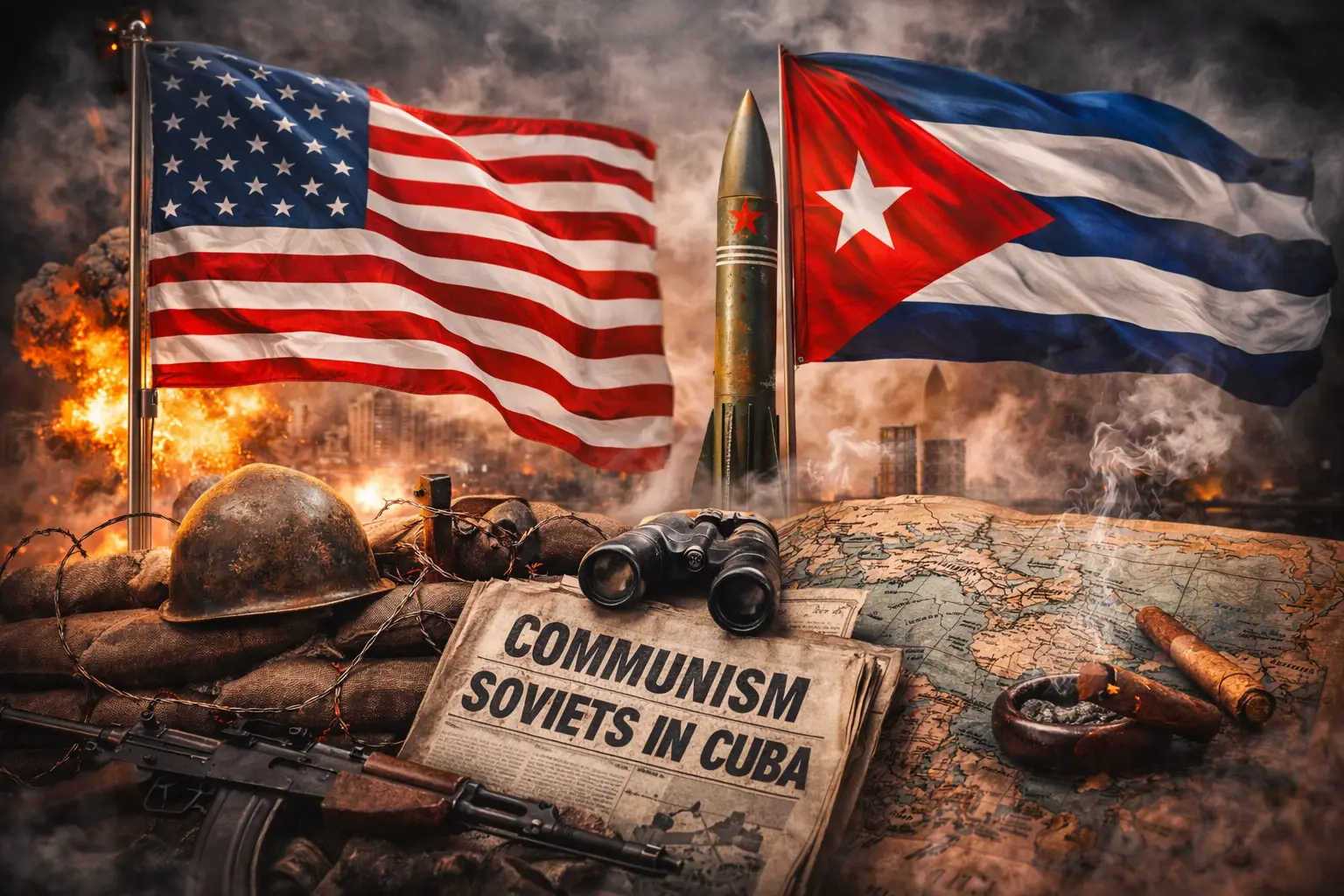
The fall of Batista
Fidel Castro’s 1959 revolution ended the rule of Fulgencio Batista, a leader who maintained deep ties with the United States. The takeover initially left Washington uncertain about the future of the Caribbean island.
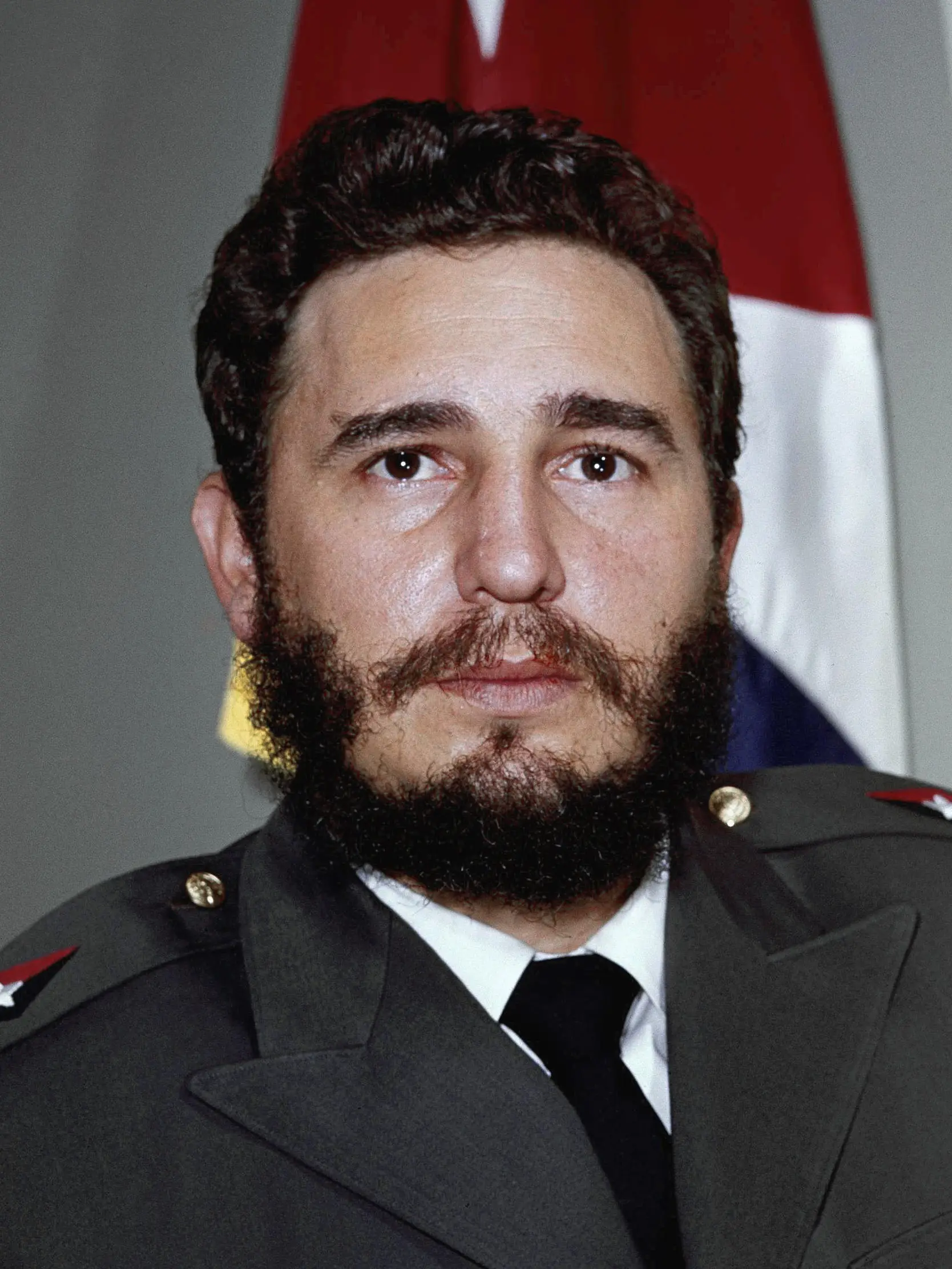
Seizing American assets
Tensions rose sharply when Castro began the nationalisation of US-owned sugar plantations and oil refineries. The US responded by cutting Cuban sugar imports, ending a long-standing trade partnership.
The Soviet trade pact
In 1960, Castro signed a landmark trade deal with the Soviet Union to sell sugar in exchange for oil and machinery. This move officially brought the Cold War to the doorstep of the United States.
The Bay of Pigs failure
In April 1961, a group of US-backed Cuban exiles attempted to invade the island to overthrow Castro. The operation failed miserably, pushing Castro to formally declare Cuba a socialist state.
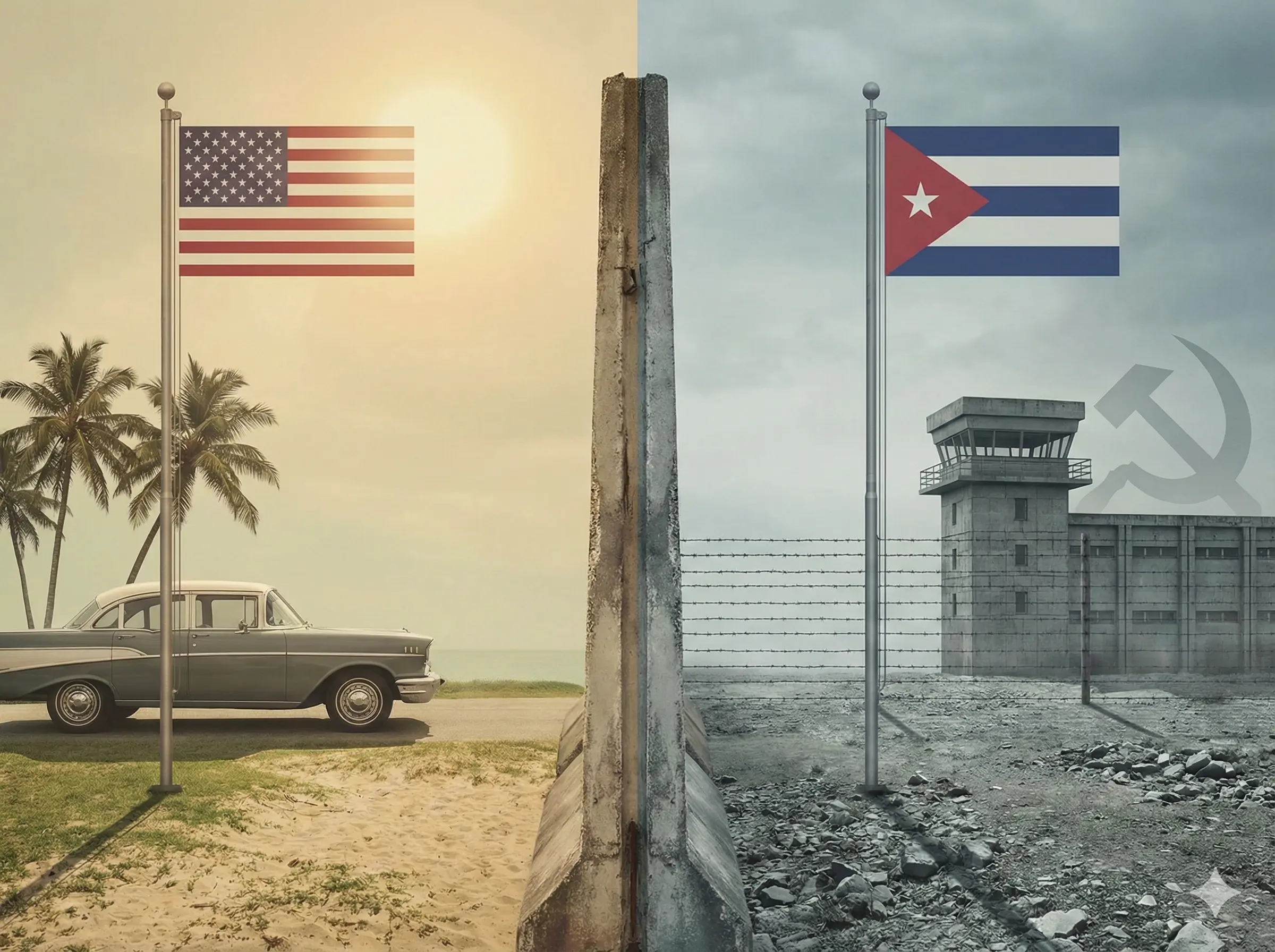
The Cuban Missile Crisis
The alliance with Moscow peaked in 1962 when the Soviet Union placed nuclear missiles on Cuban soil. This sparked a 13-day standoff that brought the world to the brink of nuclear war.
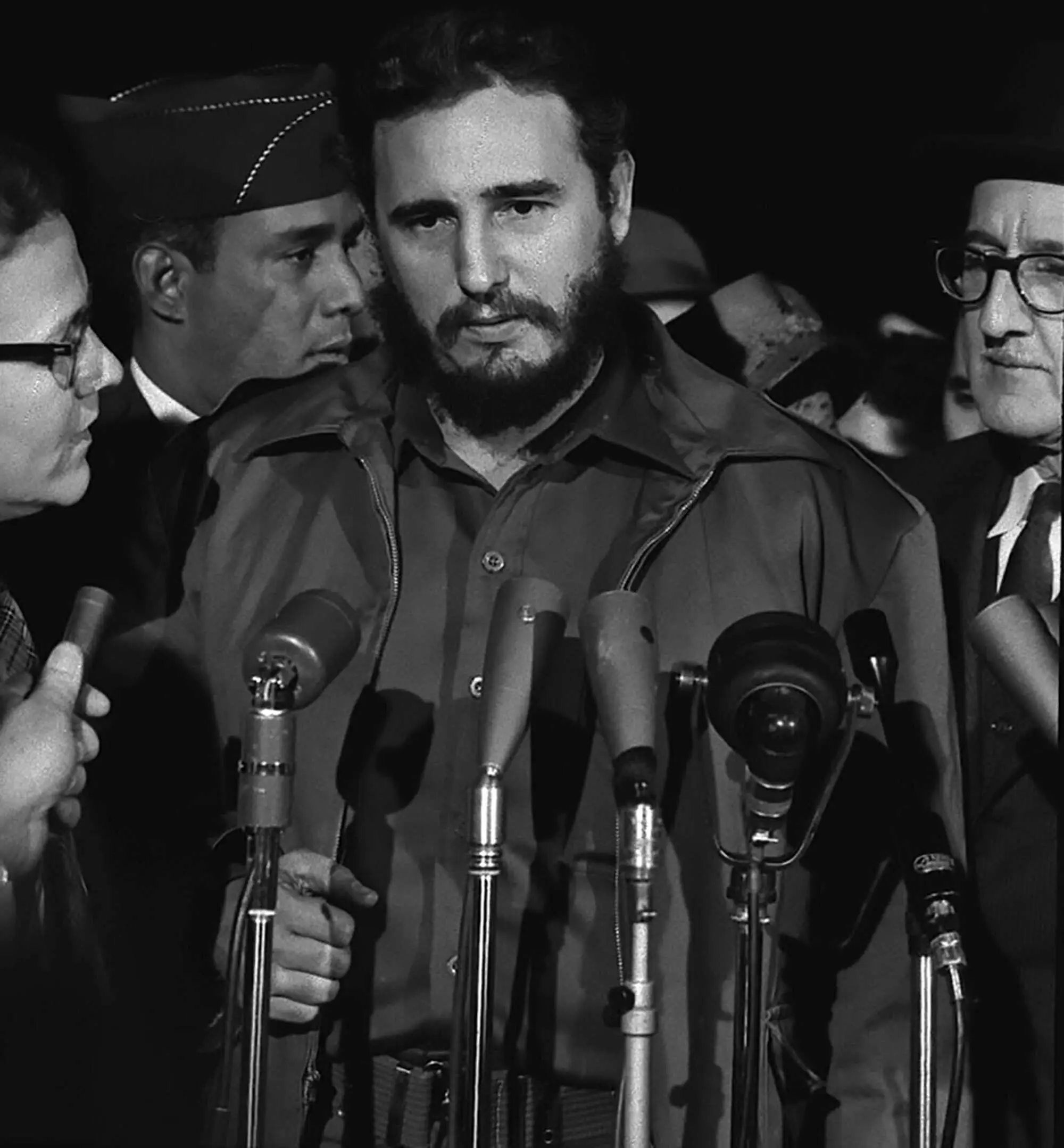
Decades of sanctions
Following the breakdown of ties, the US imposed a comprehensive trade embargo on Havana. This blockade was designed to isolate the Castro government and remains a point of contention today.
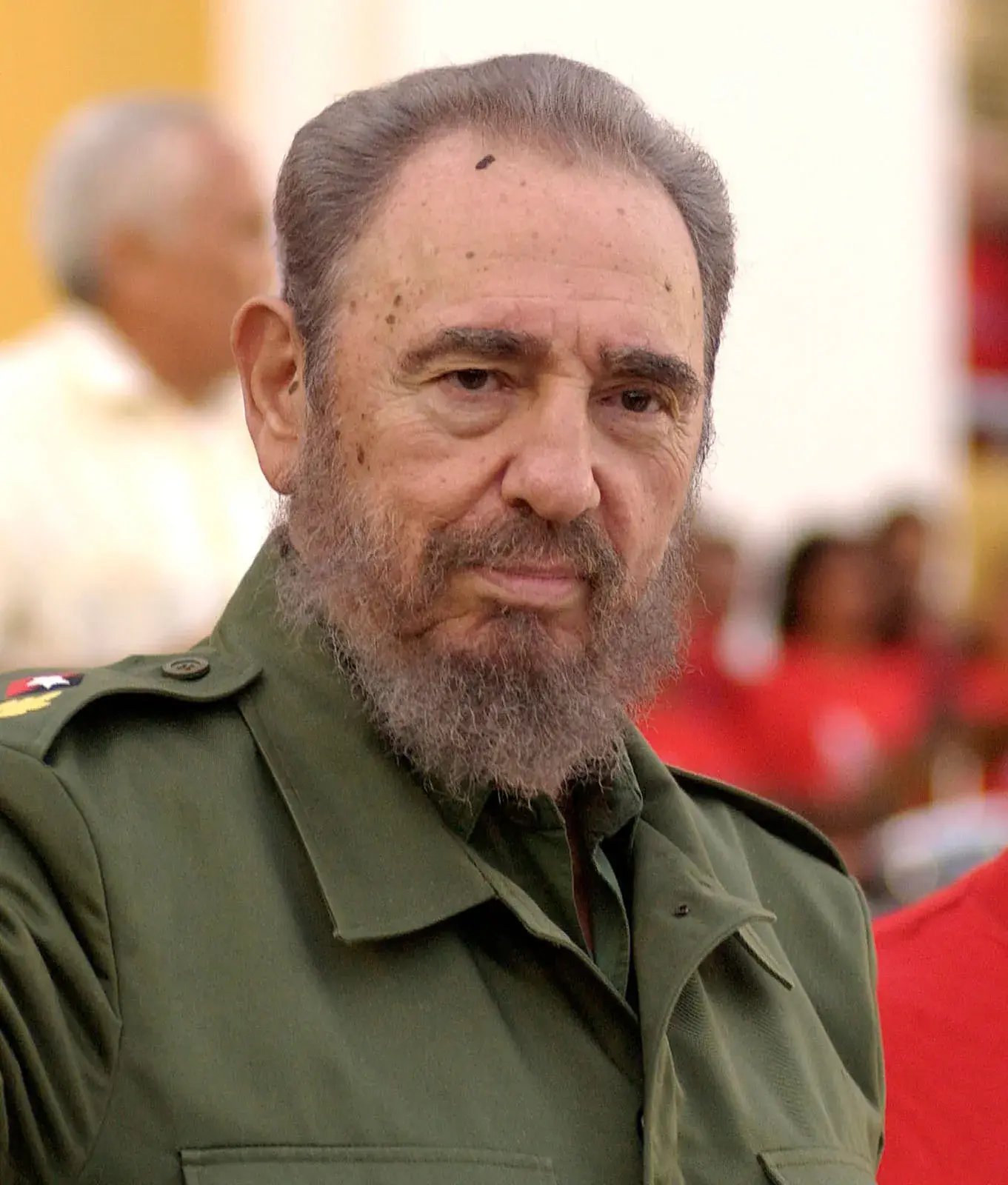
A lasting Cold War legacy
Fidel Castro’s defiance turned a former tourism and trade hub into a permanent geopolitical rival. The shift redefined American foreign policy and security across the Western Hemisphere for over 50 years.
)
)
)
)
)