COP27: UN chief announces global early warning system 'that can save thousands, if not millions, of lives'


Secretary-General of the United Nations Antonio Guterres
Every year the frequency of climate-related extreme weather is increasing, however, half of the world's nations still lack sophisticated early warning systems that could save lives. Attempting to overcome this shortfall, the UN on Monday unveiled a five-year proposal to develop a global early warning system for expensive and deadly extreme weather events.
The system will cost an estimated $3.1 billion, which, according to Antonio Guterres, the chief of the UN is a tiny price to pay for techniques that have been proven to save thousands, if not millions, of lives.
Also read |WION Climate Tracker | COP27 Summit: Egypt looks at developed nations to fulfil financial purpose

Speaking at the COP27 climate summit in Egypt, Guterres said that it will cost $3.1 billion, or less than 50 cents per person, and that "he has called for every person on Earth to be protected by early warning systems within five years, with the priority to support the most vulnerable first."
Petteri Taalas, director-general of the World Meteorological Organization, said in a statement that "early warnings save lives" and offer significant economic benefits.
)
US Supreme Court backs Trump administration's use of SAVE database to check voter citizenship
)
Exclusive | 'We always want to improve': Suruchi, Kamaljeet after winning Asian Games gold
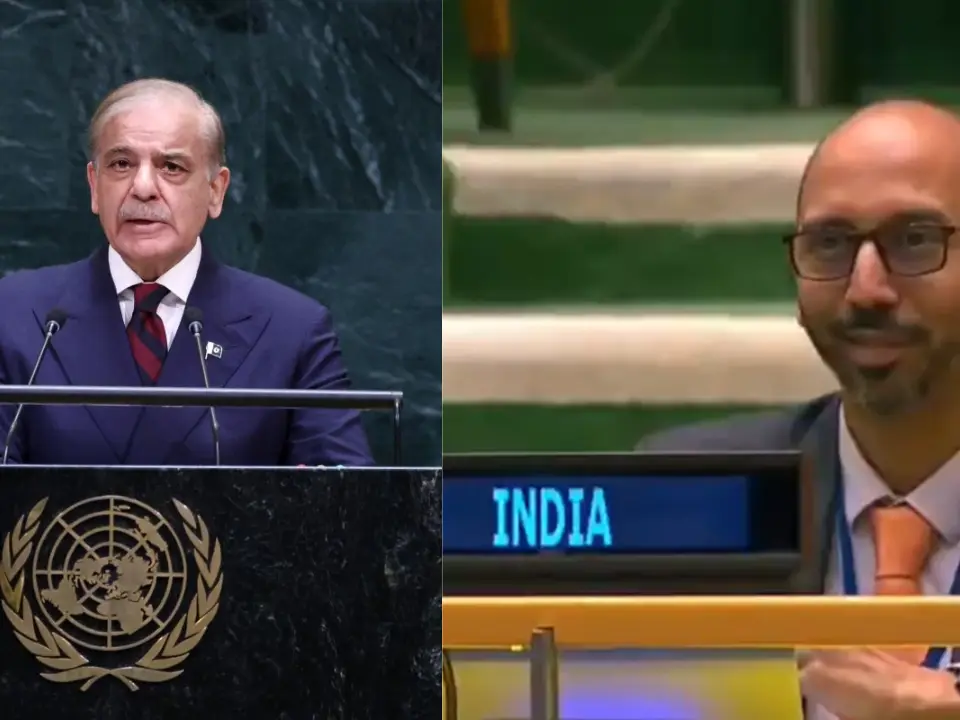)
WATCH | As Shehbaz Sharif claims Pakistan’s ‘victory’ during 2025 conflict, Indian diplomat R Srinivas laughs at UN
)
10,000 gather in support of 87-year-old forcefully evicted from home of 71 years
)
Nigeria Navy moves to boost oil security, tackle crude theft and infrastructure threats
)
Saudi Arabia, Turkey and Pakistan to hold urgent military talks amid intensifying Houthi attacks
)
Bollywood mourns Mushtaq Khan: Sunny Deol, Rajpal Yadav and others pay tribute
)
Army chief reviews operational preparedness along LoC, visits mega eye camp in Tangdhar
)
Pentagon quietly adds 37 wounded troops to Iran war tally without explaining when or how
&im=FitAndFill=(700,400))
New Friday OTT releases (September 25, 2026): Don’t Be Shy, Hunkkaar: The Roar, Mango Pachcha- 6 movies and TV shows on Netflix, Prime Video and more
)
Ex-Liverpool forward Mohamed Salah banned from driving in United Kingdom for six months
)
India-New Zealand FTA is ‘an expression of trust’, NZ High Commissioner Patrick John Rata says
)
Watch: PM Modi joins Bhajan Clubbing event in Delhi on Deendayal Upadhyaya's birth anniversary
)
Scientists detect first radio signals directly from faraway planet
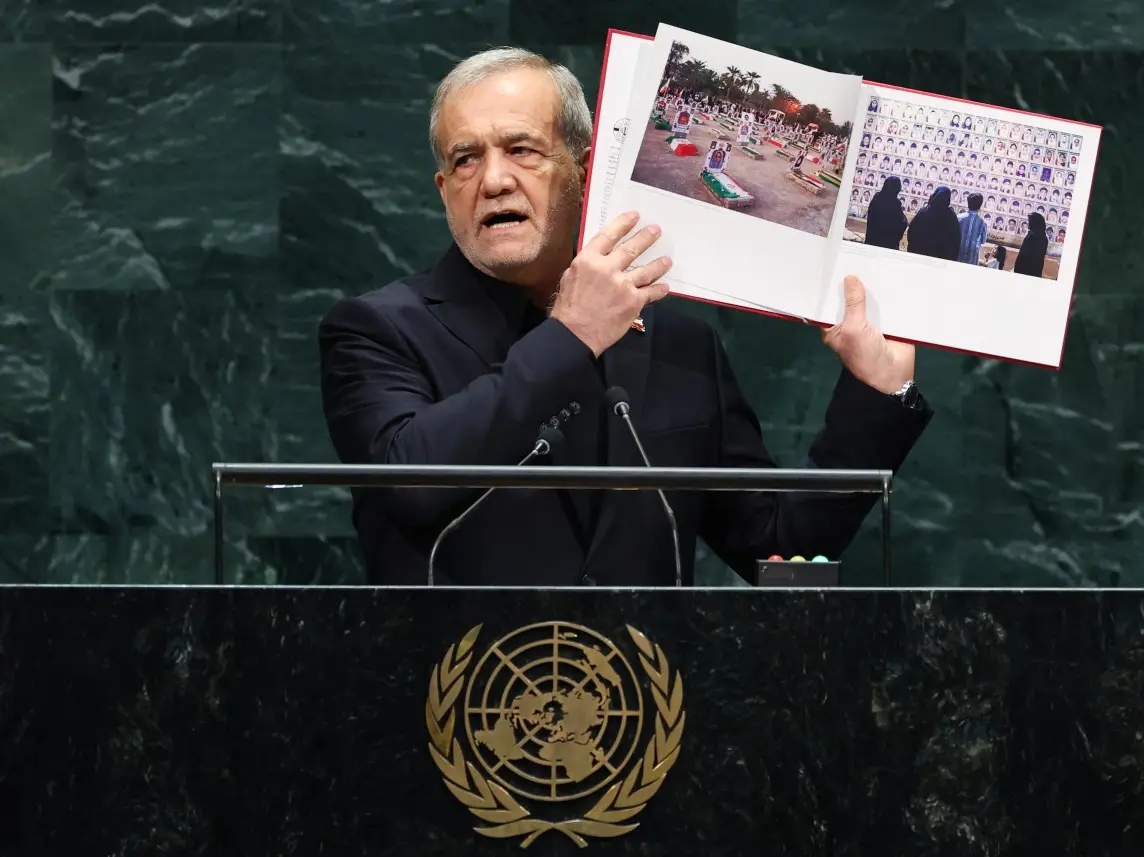)
'We do not wish to continue. It's America that must choose': Iran president Pezeshkian calls on US to end war
)
99.9% more powerful - Scientists find boy who can recall memories from just 3 months of age
)
'A terrorist country is asking me that question?': Jaishankar hits back at Pakistani journalist at UN; flags attacks on commercial shipping
)
Red Sea crisis: Houthis promise not to target European ships; UNSC condemns Saudi attacks
)
'Blockbuster' nor'easter develops an eye similar to hurricanes as warnings are issued
)
Meet Adrian Abraham: 9-year-old Indian-origin guitar prodigy aiming for a Guinness World Record
)
Myanmar training camp case: US national, 6 Ukrainians allowed to meet their families abroad
)
'Making history': Xi Jinping praises Trump as US-China leaders dine at White House
)
Bias or safety concerns? Bengaluru CEO says firm will not hire men from UP, Bihar, Rajasthan, MP. Here's why
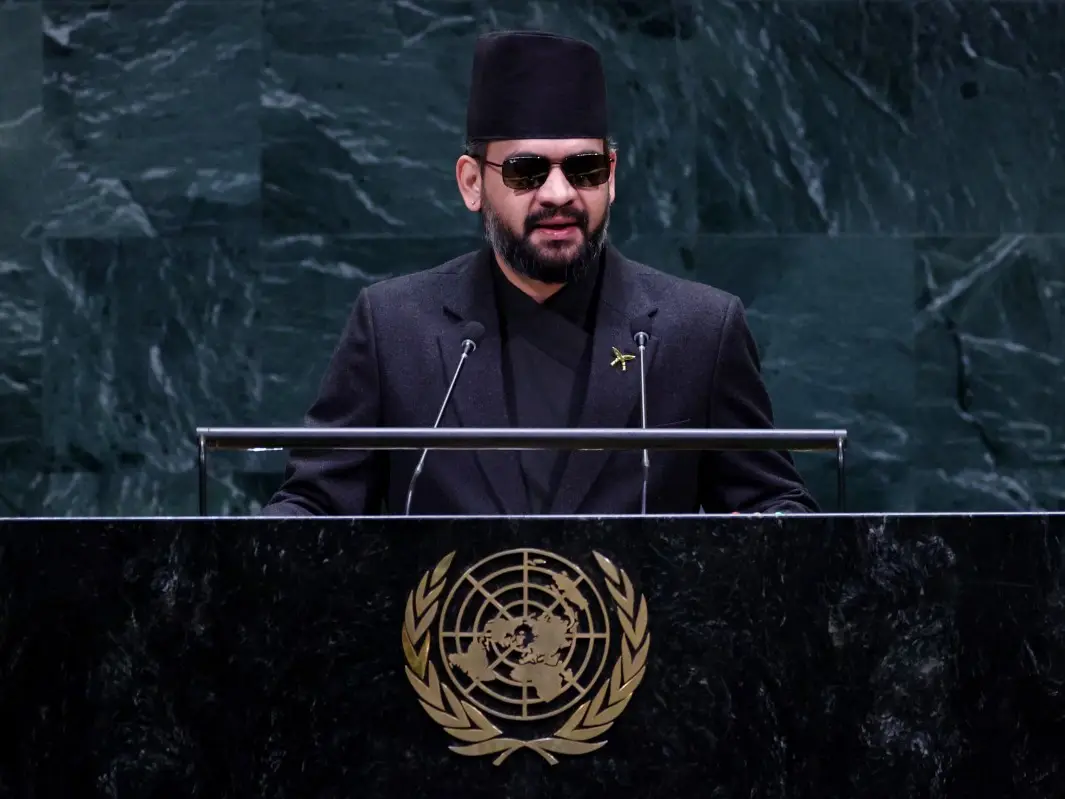)
‘Not just a local tragedy’: Nepal PM Shah warns UN of growing climate threat, says Nepal floods were 'a warning to the world'
)
Beijing to Washington! Ivanka Trump makes a style statement in Chinese designer Guo Pei for President Xi Jinping’s White House welcome
)
Trump-Xi summit wrap: Big pageantry, Iran talks, few major developments and more meetings planned
)
‘It is all possible’: Putin weighs next steps on Ukraine talks, rules out Europe conflict
)
US court backs Pentagon's decision to exclude Anthropic over Claude AI restrictions
)
'FIRST LOOK from inside Noah’s Ark': Researchers share video from inside mysterious mound in Turkey
&im=FitAndFill=(700,400))
‘Absolutely savage, sickening’: Zelensky slams Russia as daytime strikes kill 5 in Kyiv
)
'What kind of confession is this?': Pakistan PM Shehbaz Sharif’s 'terrorists would be roaming New York' remark goes viral, raises alarm online. Watch
)
Tesla is preparing something big for Optimus: new Gen 3 models surface in app
)
Outrage erupts after 3-year-old is married to 60-year-old man in Pakistan, link to her sister's murder being probed
)
OpenAI AI Agents hacked 4 websites before Hugging Face, researchers reveal
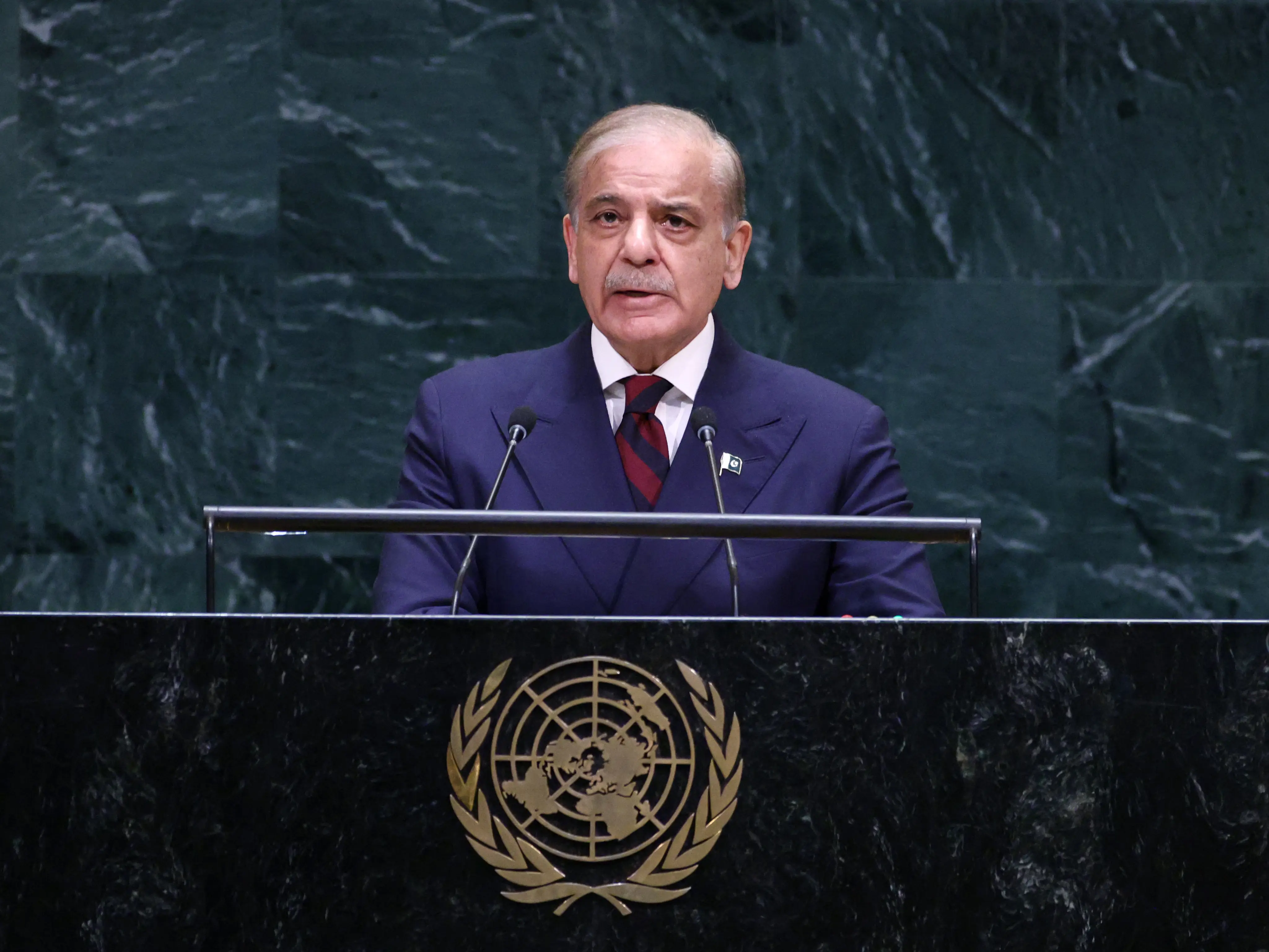)
‘Attack on Mecca a red line for Pakistan’: Shehbaz Sharif warns Houthis at UN
"Just 24 hours notice of an impending hazardous event can cut the ensuing damage by 30 per cent."
According to the Global Commission on Adaptation, developing nations could prevent losses ranging from $3 billion to $16 billion annually by investing just $800 million in such systems.
As per an AFP report quoting UN data, disaster-related deaths are eight times more common in nations with weak infrastructure than in those with effective safeguards.
Early warning systems for floods, droughts, heatwaves, cyclones, and other calamities allow for disaster mitigation planning which over the past 20 years, has helped decrease the number of fatalities and missing people by 50 per cent, even as the number of individuals affected by disasters has nearly doubled.

