Chinese clinic to provide treatment and medication to math-struggling students

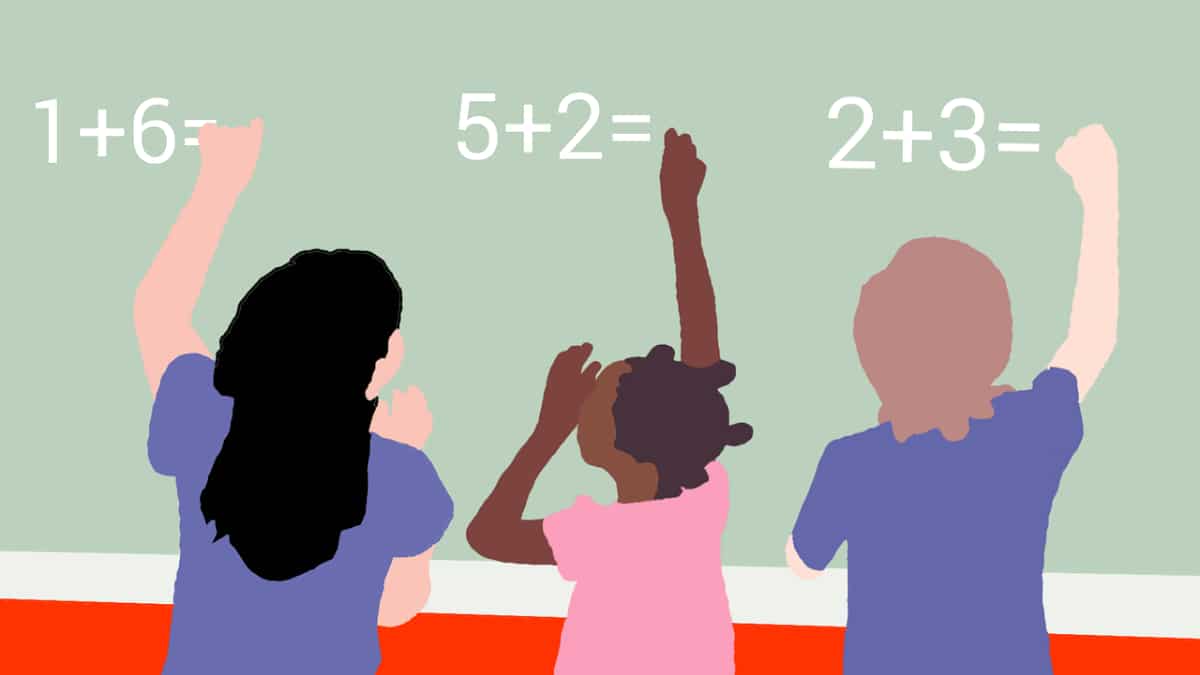
Representational image of students studing maths.
A new clinic is being launched in a hospital in Shanghai and it will be treating children who face difficulty in mathematics, in an innovative move.
In this clinic, the children will be provided a holistic treatment which will include administration of medication and a lively discussion on social media.
The Spatial and Mathematical Learning Difficulties Clinic will open at the Shanghai Children’s Medical Centre on October 8, as per the media reports.

How will this clinic operate and cure math-struggling students?
As per the introductory materials of the clinic, spatial cognitive ability is to be blamed for the struggle students are facing in tackling mathematics problems, especially geometry.
As per the neuroimaging studies, the students who struggle with geometry have decreased activity in the parietal area of the brain which is related to spatial reasoning.
)
Justice eludes Air India 1985 bombing victims as Canada probe goes 'inactive' | Gravitas
)
Trump revives India-Middle East-Europe economic corridor as India emerges central to West Asia’s future: What is it?
)
Erdogan again raises Kashmir issue at UNGA, calls for dialogue under UN Charter
)
Major League Soccer referee sacked for sexist comment about female match referee
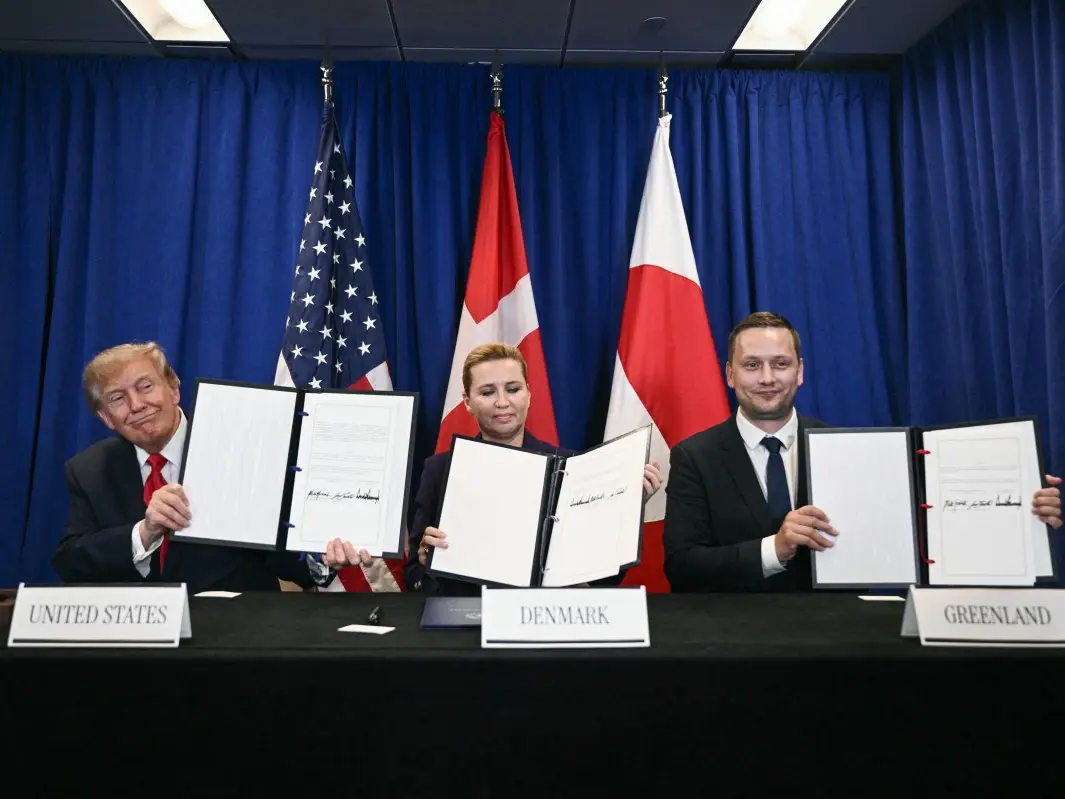)
Trump signs Greenland security deal with Denmark, paving way for two new US military bases
)
IND vs JPN T20I: How an overturned wide became point of difference between India's win and a tie
)
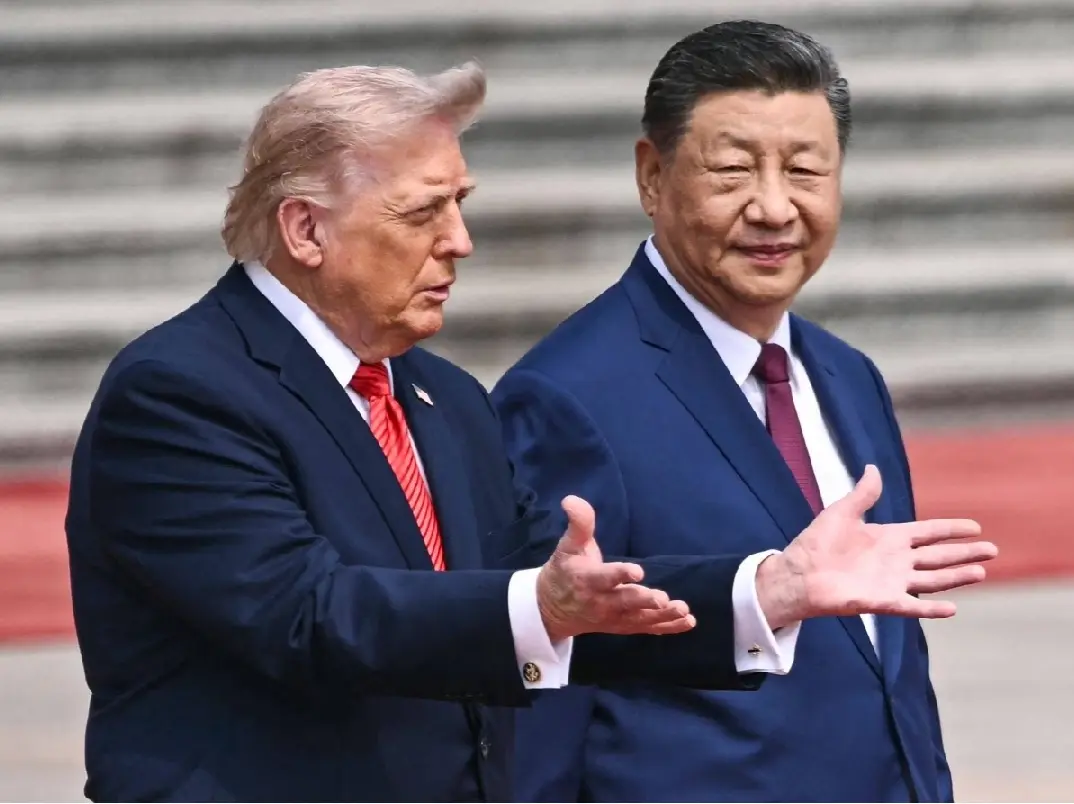
Trump-Xi summit: From trade to Taiwan, what will the US and Chinese presidents discuss in Washington?
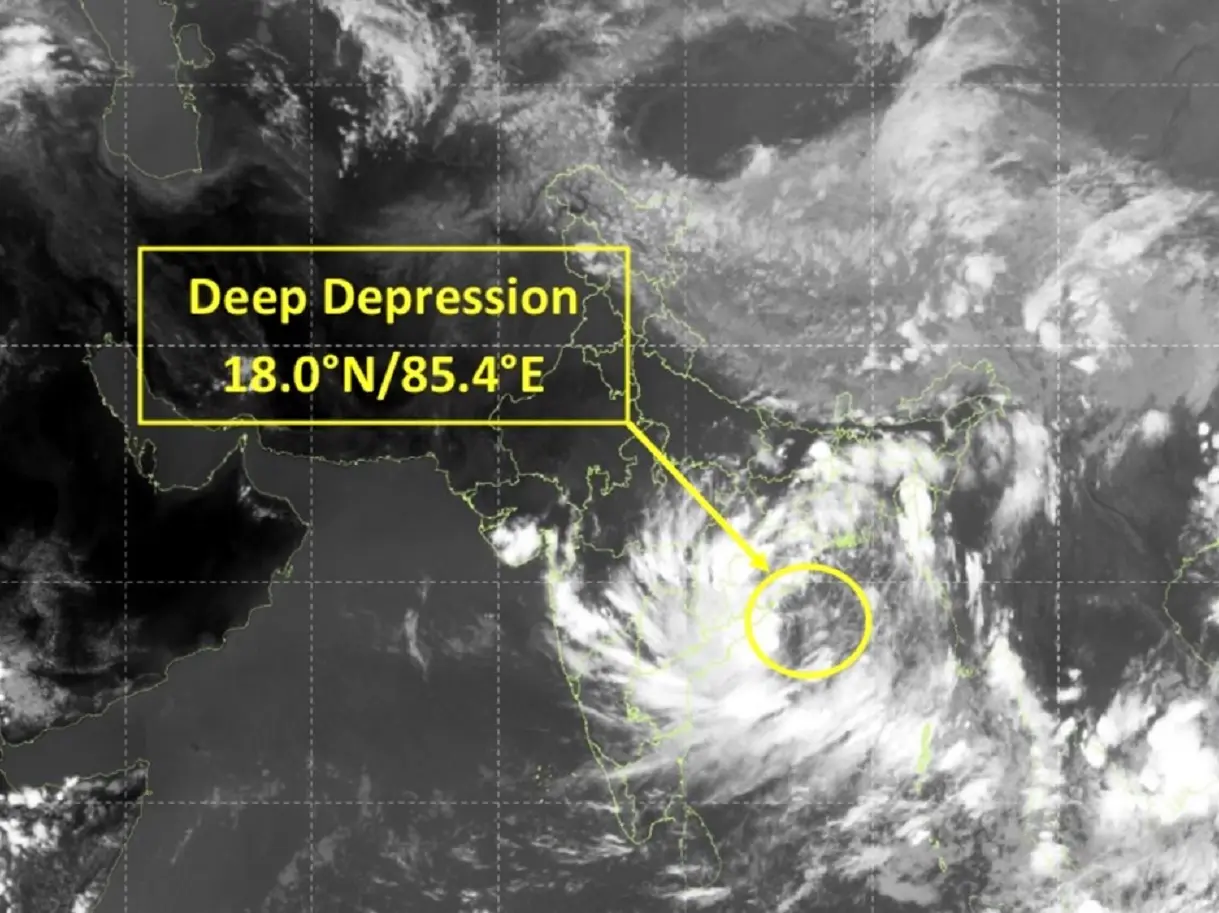)
Cyclone Arnab: Landfall expected before midnight tomorrow as IMD issues orange alerts across six states
)
ICC plans T20I expansion and fewer ODIs in 2027–2031 FTP cycle: Report
)
US-China tech war: Businesses in the front line
)
Gravitas | Boosting NHS productivity could save 20,600 lives in UK annually: Report
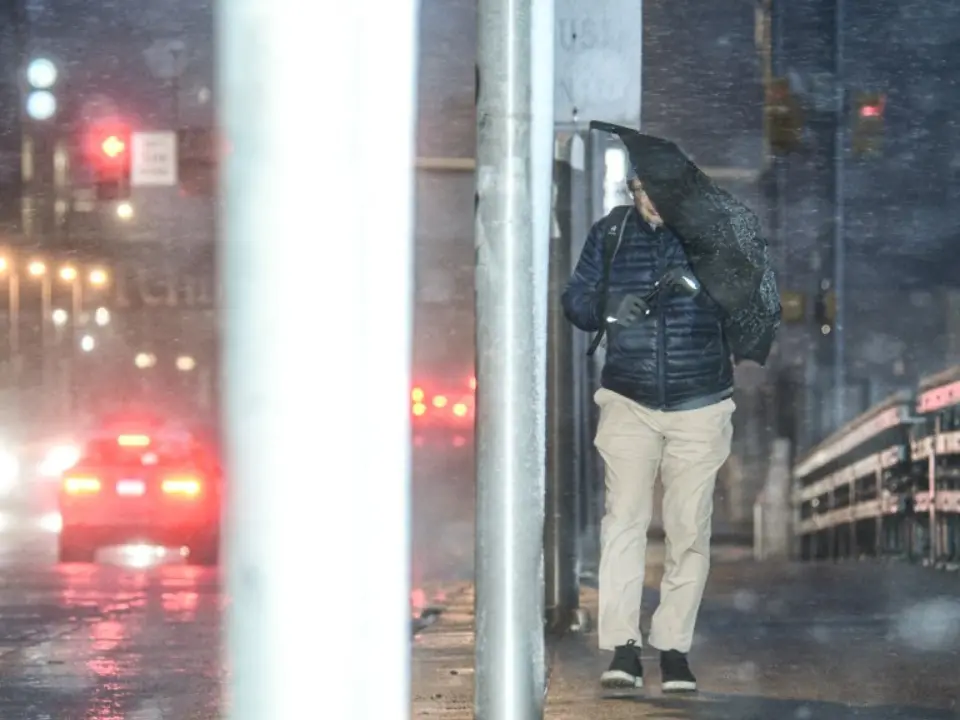)
Nor'easter could batter 13 US states this week. What you should know
)
WION Iconic Tourism Summit: Seychelles envoy says India partnership is important for Seychelles
)
US and China vie for AI dominance as calls grow for regulation | Gravitas
)
Yemen clashes kill 154 people in two days as cornered Saudi battles Houthi offensive | Gravitas
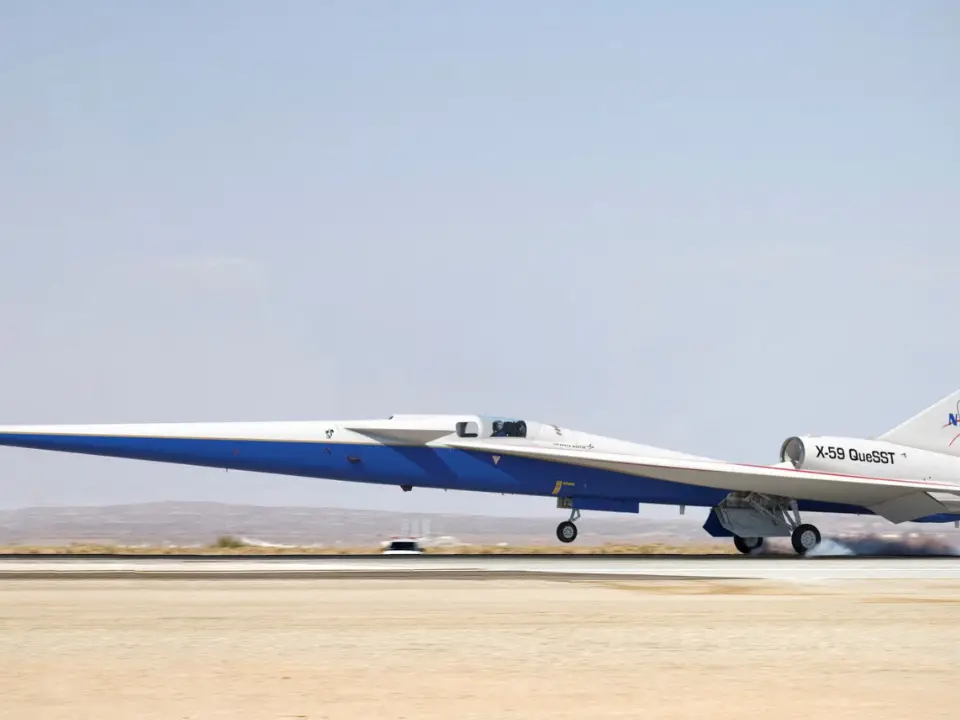)
China to test supersonic jet that moves at Mach 2, double the speed of sound
)
Bomb scare in New York amid UNGA: Suspicious suitcase found near UN headquarters
)
IND vs JPN, one-off T20I: Japan captain Kendel on pushing India to the brink - ‘It was special’
)
Mikel Arteta verbally agrees to three-year extension with Arsenal after title-winning Premier League season
)
WION Iconic Tourism Summit and Awards 2026: Key voices to discuss India’s tourism future
)
WION Iconic Tourism Summit and Iconic Awards 2026: India's travel economy leaders gather in Delhi
&im=FitAndFill=(700,400))
New OTT releases this week (September 21-27, 2026): Shaque: Trust No One, Hunkkaar, Don’t Be Shy- 5 new titles coming to Netflix, Prime Video and more
)
81st UN General Assembly: Burnham announces UK-US AI defence tie-up
)
Trump calls on nations to quit ‘rogue’ and ‘out-of-control’ International Criminal Court, rips UN
)
Infections transmitted from pregnant woman linked to autism risk
)
'What kind of confession is this?': Pakistan PM Shehbaz Sharif’s 'terrorists would be roaming New York' remark goes viral, raises alarm online. Watch
)
Elephants hide behind trees, stage surprise attack on poachers targeting rhinos in South Africa
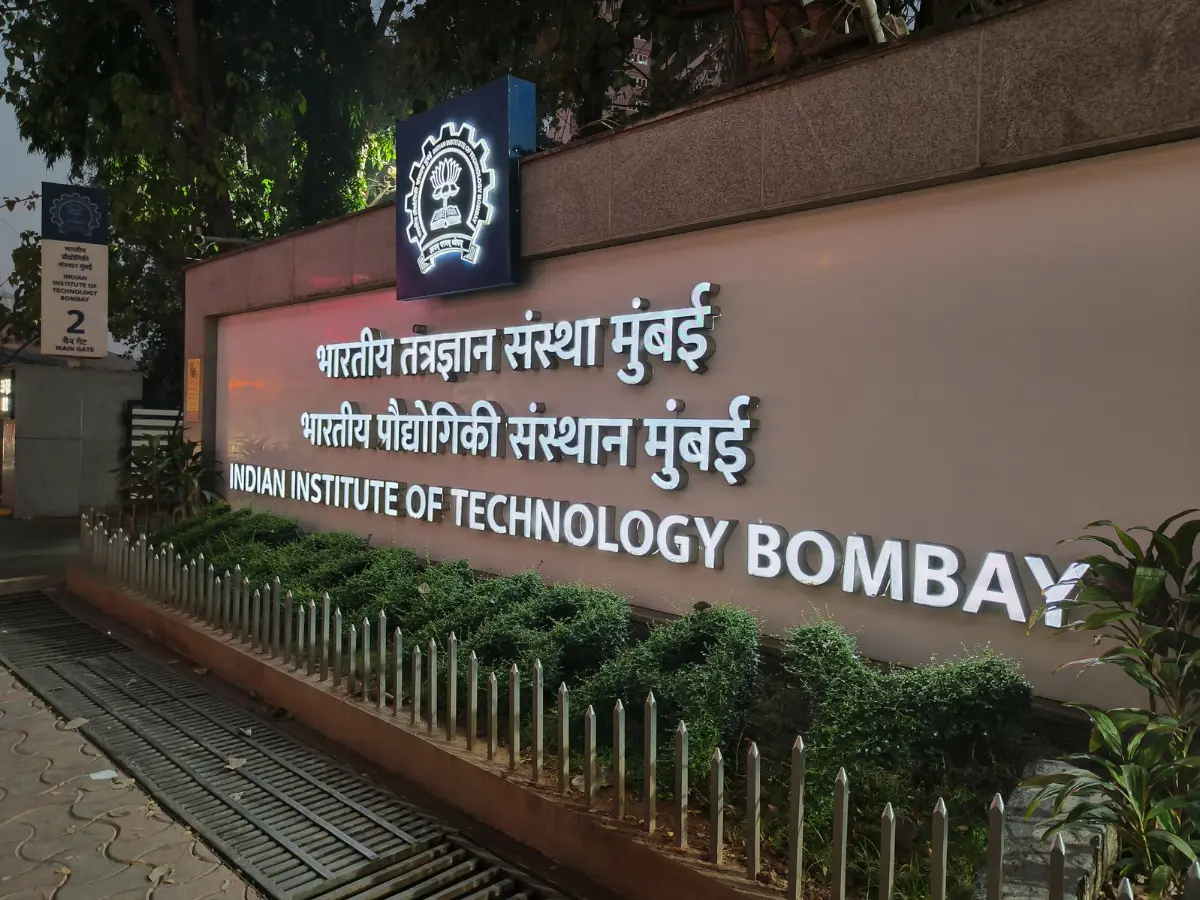)
IIT Bombay professor Suryanarayana Doolla sent on leave amid Sahil Wakode death probe
&im=FitAndFill=(700,400))
National Film Awards 2026: Kartik Aaryan, Mammootty, Yami Gautam, Randeep Hooda and other key winners
)
El Niño 2026 heats up to become strongest in 1,000 years
)
Anne Hathaway to run in supporting race for Nolan's epic
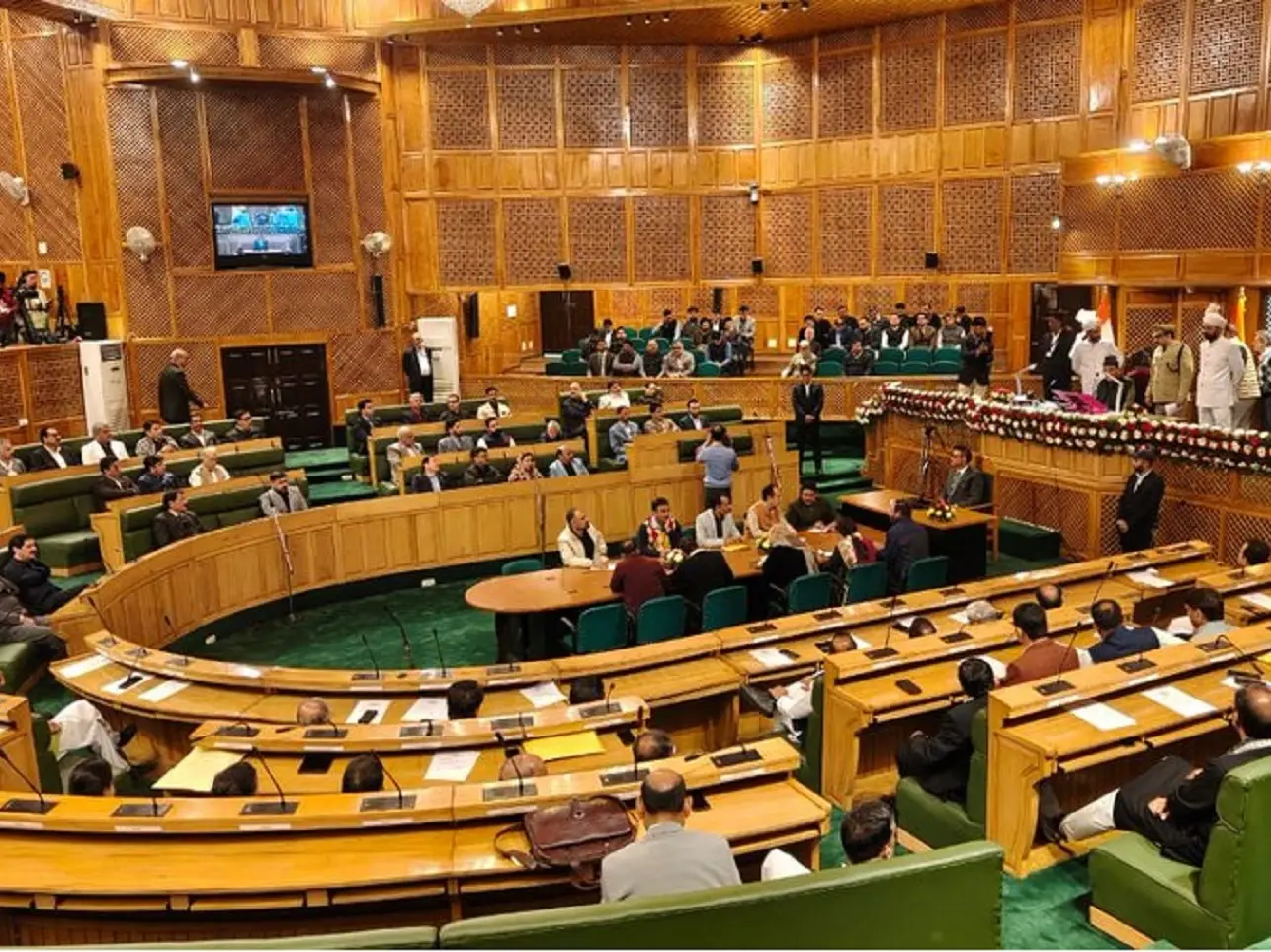)
Over 4,200 books withdrawn from circulation in J&K colleges, 94% from Kashmir
)
From Gaddafi tearing up UN Charter to Trump’s ‘escalatorgate’: Most unforgettable UNGA moments
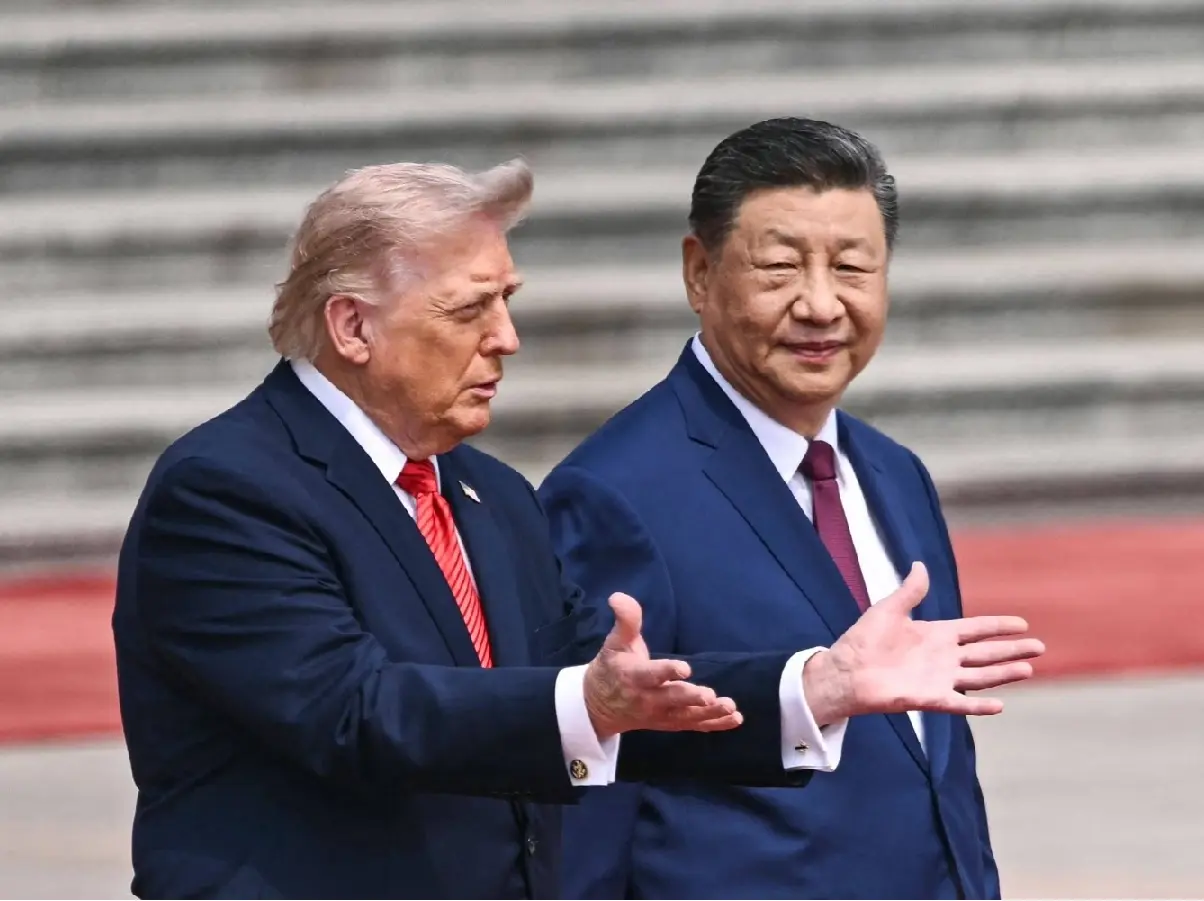)
Explainer: Why rare-earth export licences and Board of Trade are US priorities ahead of Trump-Xi summit
)
Asia prepares for record El Nino, food shock
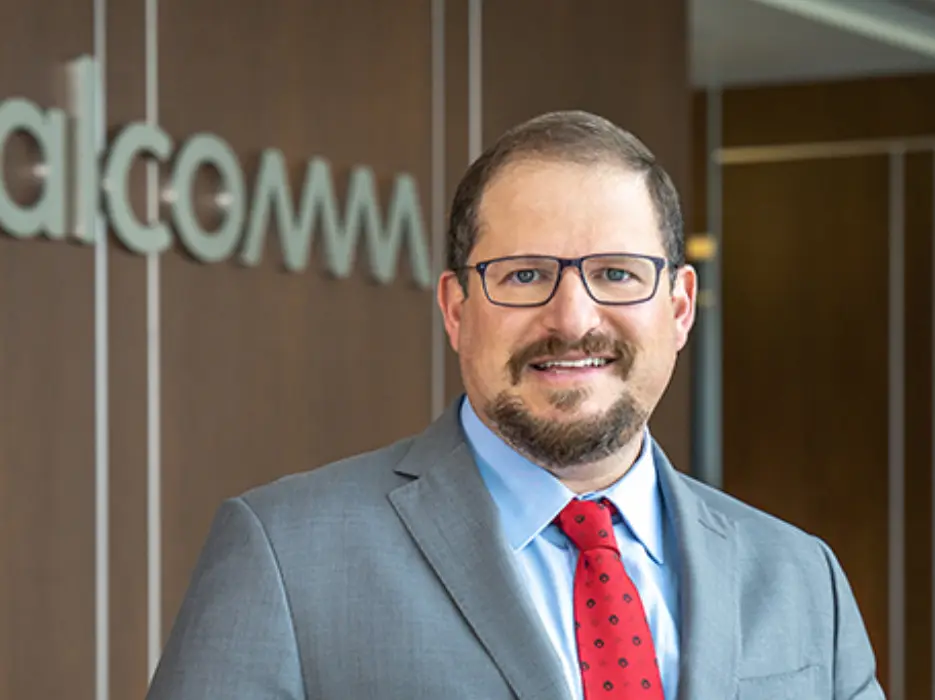)
Forget apps: Qualcomm CEO says AI agents will change how we use smartphones
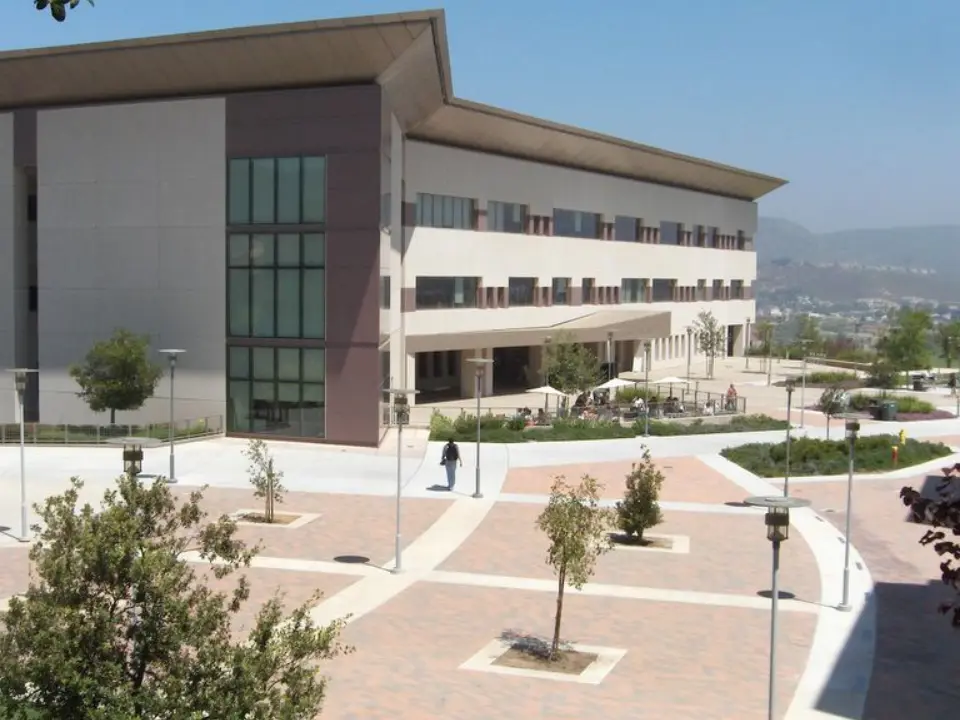)
Four female students raped during 'Red Zone' at California university. What we know
Also Read:Thousands of Indian students line up for waiter jobs amid unemployment crisis in ‘Trudeau’s Canada’
The clinic further noted that deficits in imagination and spatial perception can affect the performance of students adversely in subjects like algebra, physics, and chemistry.
The mission of the clinic is to provide support for students who face problems in geometry and spatial problems in mathematics and also those who fail to understand complex topics such as magnetic and electric fields in physics and molecular structures and chemical reactions in chemistry.
The clinic charges a fee of 316 yuan (US$45) per patient and does not have any age restriction.
Every Tuesday morning, the clinic operates and it is fully booked for the month of October, as reported by the South China Morning Post.
Teachers react to the innovative clinic
Speaking about the clinic, senior math teacher Zhang Zeng supported the medical intervention.
“If we can accurately identify the reasons behind students’ weak spatial reasoning through precise medical analysis and make necessary adjustments, it will benefit their studies in mathematics,” Zhang said.
Meanwhile, another math teacher said, “There is a fundamental distinction between a math learning difficulty and an illness. Various factors contribute to poor performance in math, including ineffective methods, lack of interest, and low-quality teaching, but there are no physiological factors involved."
(With inputs from agencies)