China's ex-Covid patients live under 'dark shadow' of stigma

covid in china
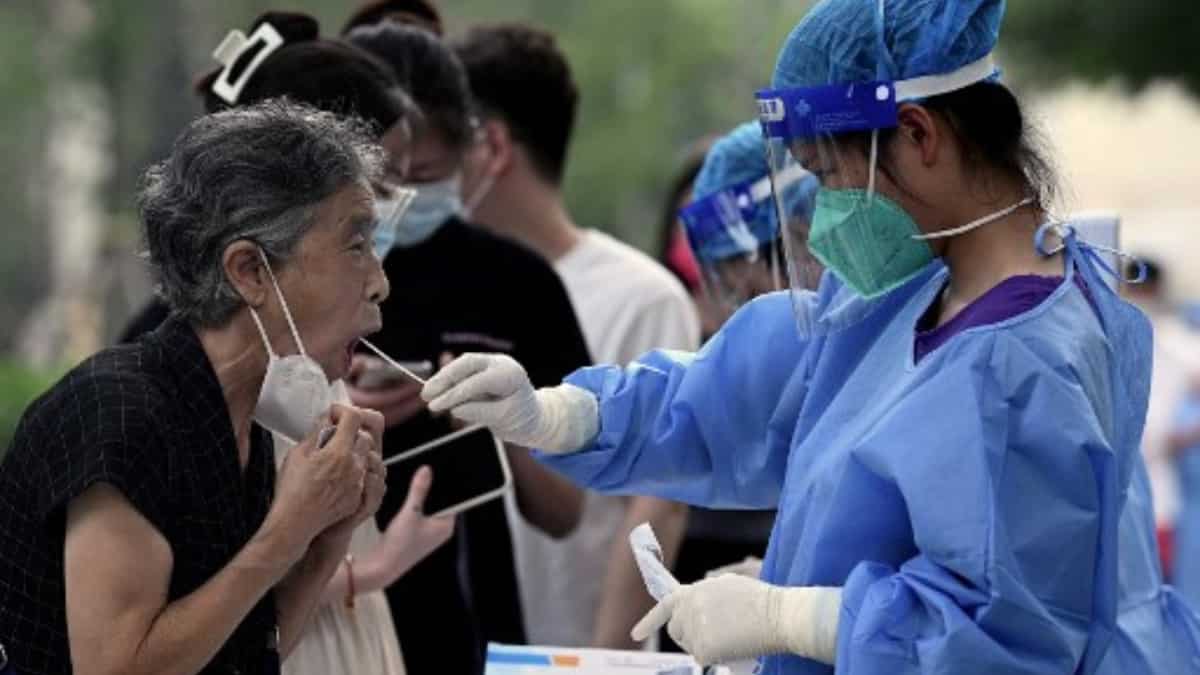
When Zuo tested positive for Covid-19 while working as a cleaner in one of Shanghai's largest quarantine centres, she hoped it wouldn't be long before she could pick up the mop and start earning again.
But four months on, she is still fighting to get her job back -- one of scores of recovering Covidpatientsfacing what labour rights activists and health experts say is a widespread form of discrimination in zero-CovidChina.
Using snap lockdowns and mass testing,Chinais the last major economy still pursuing the goal of stamping out the virus completely.

Those who test positive, as well as their contacts, are all sent to central quarantine facilities, while a flare-up in a factory can grind production to a halt.
Rights groups say the strict rules are feeding Covid-related discrimination and shutting out thousands of people fromChina's already bleak job market -- with migrant workers and young people hit hardest.
)
Trump-Xi Summit: Trade, Taiwan and the red lines shaping US-China talks | Race To Power
)
US citizen injured in Illinois after ICE agents mistook him for fugitive, hospitalised
)
US judge questions Trump’s decision to ban CNN, MS NOW and Politico from White House
)
Afghan woman cyclist who disguised herself as a boy to escape Taliban, wins Asian Games medal
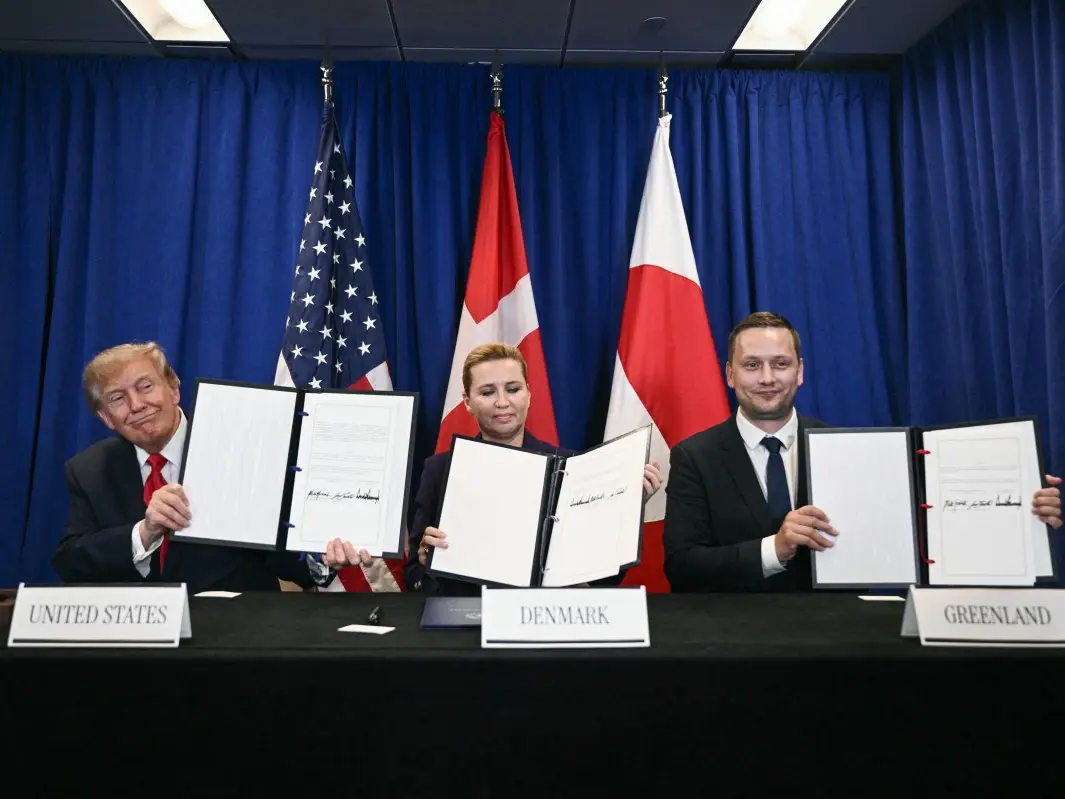)
Trump signs Greenland security deal with Denmark, paving way for two new US military bases
)
IND vs JPN T20I: How an overturned wide became point of difference between India's win and a tie
)
IIT Bombay CCTV footage emerges: Sahil Wakode seen looking at phone in examination hall
)
Cyclone Arnab: Landfall expected before midnight tomorrow as IMD issues orange alerts across six states
)
NBA player Steven Adams shares hilarious GTA VI theory
)
TMC revives impeachment push against CEC Gyanesh Kumar after report of internal dissent
)
WION Iconic Tourism Summit 2026: Union Minister Shekhawat on 'experiential travel', peace diplomacy
)
ICC plans T20I expansion and fewer ODIs in 2027–2031 FTP cycle: Report
)
'AI got into my speech': Prince Harry jokes after teleprompter failure at event in New York
)
WION Iconic Tourism Summit: Seychelles envoy says India partnership is important for Seychelles
)
Scientists detect first radio signals directly from faraway planet
)
China to test supersonic jet that moves at Mach 2, double the speed of sound
)
WION Iconic Tourism Summit: 'Hanuman Ansh' Director on blockbuster success
)
Open AI, Anthropic CEO urges caution over rapid AI development at UN Security Council, call for 'extreme care'
)
Bomb scare in New York amid UNGA: Suspicious suitcase found near UN headquarters
)
Hours before Xi-Trump meeting, US announces visa curbs targeting birth tourism: What is it?
)
WION Iconic Tourism Summit: Is India's travel boom outrunning its airports, airlines and hotels?
)
WION Iconic Tourism Summit and Awards 2026: Key voices to discuss India’s tourism future
)
Trump-Xi state dinner 2026: Who is invited? Full guest list of tech CEOs, business leaders and officials
)
American manufacturing is reshoring faster than its factory floors can absorb
&im=FitAndFill=(700,400))
New OTT releases this week (September 21-27, 2026): Shaque: Trust No One, Hunkkaar, Don’t Be Shy- 5 new titles coming to Netflix, Prime Video and more
)
WATCH | China President Xi Jinping lands in US as Trump greets him ahead of high-stakes summit
)
Australian PM Anthony Albanese calls OpenAI AI incident 'unacceptable' after restricted data access
)
'What kind of confession is this?': Pakistan PM Shehbaz Sharif’s 'terrorists would be roaming New York' remark goes viral, raises alarm online. Watch
)
WION Iconic Tourism Summit: How local tourism MSMEs must upskill for AI integration
)
Elephants hide behind trees, stage surprise attack on poachers targeting rhinos in South Africa
)
'Putin is patient zero': Zelensky slams Russian president at UNGA, accuses him of using fighters from 47 countries
&im=FitAndFill=(700,400))
National Film Awards 2026: Kartik Aaryan, Mammootty, Yami Gautam, Randeep Hooda and other key winners
)
El Niño 2026 heats up to become strongest in 1,000 years
)
Israeli envoy to US Yechiel Leiter’s son critically injured in West Bank ramming attack
&im=FitAndFill=(700,400))
Trump welcomes Xi Jinping in rare airport gesture: Photos from Chinese President's arrival in US
)
Anne Hathaway to run in supporting race for Nolan's epic
)
Xi-Trump meeting: China’s human rights red line and past protests explained
"People are afraid they might contract the virus from us, so they shun us," said Zuo, who only gave her last name for fear of retribution for speaking to AFP.
"Recruiters check Covid testing history going back several months during an interview."
China's strict control measures have led tostigmaagainst not just recoveredpatients, but also their families, neighbours, friends and even frontline healthcare workers, said Jin Dongyan from the School of Biomedical Sciences at Hong Kong University.
"It is unscientific to think that people who were infected once will continue to carry the virus and be infectious long after recovering," Jin told AFP.
"Due to the lack of awareness, some fear that those who have been infected are more susceptible to being reinfected, but in reality, it's the opposite."
Zuo is now fighting a court battle with her employer, who has refused to pay her wages since she got sick, and who cites her disease history as a reason to bar her from returning to work.
Her employer, a service company named Shanghai Yuanmao BPO, declined to comment citing the pending court case.
Treated like a virus
He Yuxiu is a Chinese social media influencer who goes by a pseudonym and was living in Ukraine until Russia invaded.
She fled the war and returned home, then found a job as a Russian-language teacher in northChina's Hebei province, relieved to have left her troubles behind.
Watch |China battles Covid outbreaks in tourism hubs
But when her school learned that she had been infected with Covid-19 while in Ukraine, she was fired.
"I never imagined I'd lose my first job for this reason," she said in a video posted onChina's Twitter-like Weibo.
"Why should we be treated like a virus when we have defeated it?"
Thestigmais widespread -- job ads for factory workers in Shanghai posted last month said applicants with a history of Covid-19 infection would be refused work.
The story of a young woman who lived in a toilet for weeks in Shanghai's Hongqiao railway station since she was unable to find work or return to her village due to thestigmaof having been infected went viral last month.
And a theatre in the southern Chinese city of Foshan was forced to apologise after a notice banning recoveredpatientsfrom entering sparked a public backlash.
Little sheep people
Beijing's National Health Commission and human resources ministry last month banned employers from discriminating against recovered Covidpatients, while Premier Li Keqiang has called for heavy punishments for those breaking the rules.
But job seekers and activists are sceptical.
Factories in Shanghai continued to refuse to hire recovered workers even after the city announced strict anti-discrimination rules, employment agent Wang Tao said, because they fear a mass outbreak or health inspections.
"Some factories give different excuses despite being short of workers," Wang added.
"But all those who are turned down have tested positive in the past."
AFP contacted eight manufacturers named by Chinese state media as having engaged in discriminatory practicesincluding iPhone manufacturer Foxconn -- but they declined to comment.
"It's very difficult for workers to protect their rights since most employers offer different excuses and it is hard to prove that a labour law has been violated in these cases," said Aidan Chau, a researcher for the rights groupChinaLabour Bulletin.
Also read |After China releases coronavirus report, Twitter co-founder Jack Dorsey says 'end the CCP'
"It is important for labour unions to step up. But many small and medium factories don't have one."
Those who have tested positive are often referred to as "little sheep people" on Chinese social media. In Mandarin, the word for "positive" and "sheep" are pronounced the same way.
"It is very difficult for recoveredpatientsto go back to our normal lives," said Zuo, the cleaner from Shanghai.
"No matter where we go, our infection history will follow us like adarkshadow."
WATCH WION LIVE HERE
You can now write for wionews.com and be a part of the community. Share your stories and opinions with us here.