Career bureaucrat, Xi Jinping's ally and now China's second most powerful man: Who is Li Qiang?

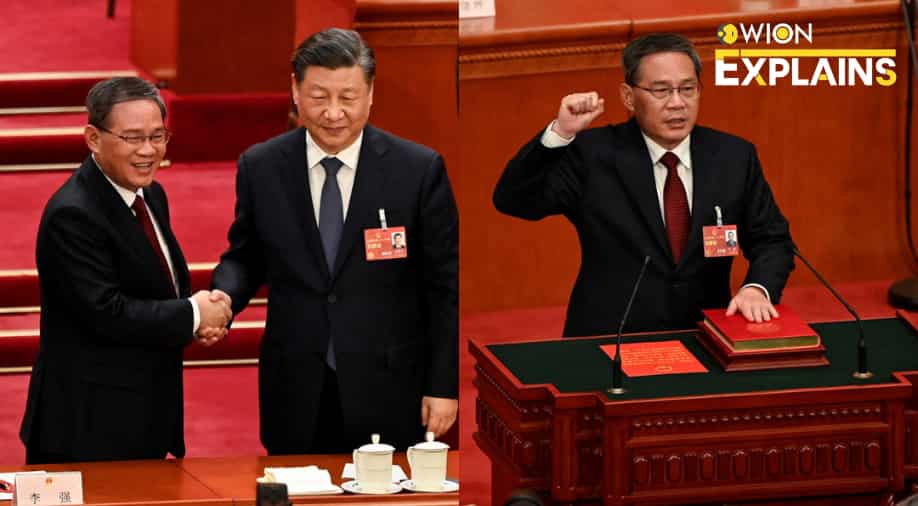
Li Qiang
Li Qiang, the former Shanghai Communist Party chief on Saturday, took overthe nation’s number two post and assumed office as the country's premier. The 63-old-year-old Li faces the daunting task of reviving China’s economy, which has over the past three years been battered by COVID-19 curbs. He was appointed to the seven-member CCP Politburo Standing Committee — China’s highest echelon of power — at the Communist Party's 20th Congress last October. With his latest appointment, China Premier Li Qiang now ranks second in leadership after President Xi Jinping.
Watch |Xi Jinping handed unprecedented third term as China’s president

Here’s all you need to know about China’s second most powerful man:
Who is Li Qiang?
Qiang, as per Reuters, is a career bureaucrat who from 2017 to 2022 served as the Chinese Communist Party’s (CCP) secretary of the nation’s most populous city, Shanghai.
)
2,000-foot tube, laser tests and more: China builds towns to expand nuclear arsenal, satellite images show
)
Xi Jinping's 'special plane' vs Trump's Air Force One: What's the difference?
)
US judge questions Trump’s decision to ban CNN, MS NOW and Politico from White House
)
Scientists detect first radio signals directly from faraway planet
)
Meet Adrian Abraham: 9-year-old Indian-origin guitar prodigy aiming for a Guinness World Record
)
WION Iconic Tourism Summit: How local tourism MSMEs must upskill for AI integration
)
Forget the smartphone: This tiny gadget could be Meta’s answer to the post-smartphone era
)
'What kind of confession is this?': Pakistan PM Shehbaz Sharif’s 'terrorists would be roaming New York' remark goes viral, raises alarm online. Watch
)
IIT Bombay CCTV footage emerges: Sahil Wakode seen looking at phone in examination hall
)
Shah Rukh Khan is India's richest actor, Amitabh Bachchan is second: Hurun List 2026
)
Report: UK using ground-based system to jam hostile satellites
)
Russia likely to target Spain, France and Italy in drone attacks, warns CIA: Report
)
For the first time, the UN Security Council sat US and Chinese AI makers at the same table
)
Welcome actor Mushtaq Khan dies at 56 after battling cancer
)
Trump-Xi state dinner 2026: Who is invited? Full guest list of tech CEOs, business leaders and officials
)
Hours before Xi-Trump meeting, US announces visa curbs targeting birth tourism: What is it?
)
What’s on the menu? Inside Trump’s lavish White House state dinner for Xi
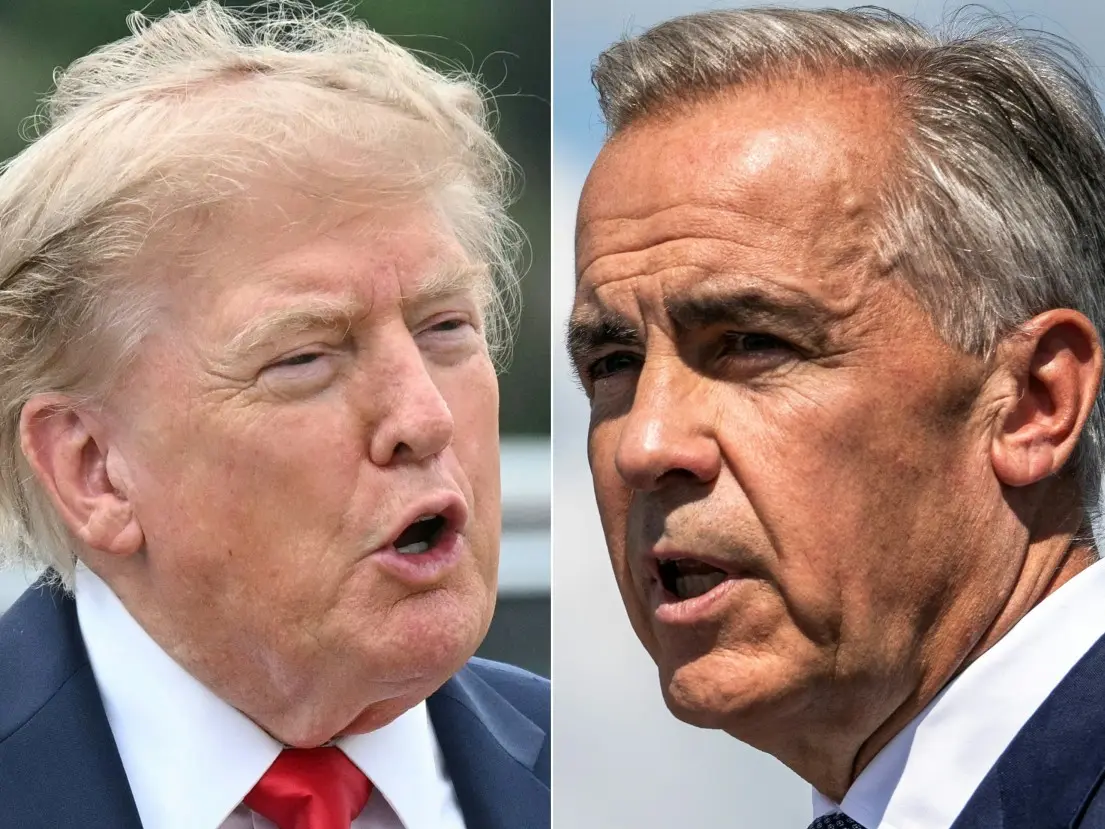)
What’s in a name? Trump’s 'Lake America' move gets a tit-for-tat response from Canada
)
Property registration becomes faster, convenient as model sub-registrar offices open in Maharashtra
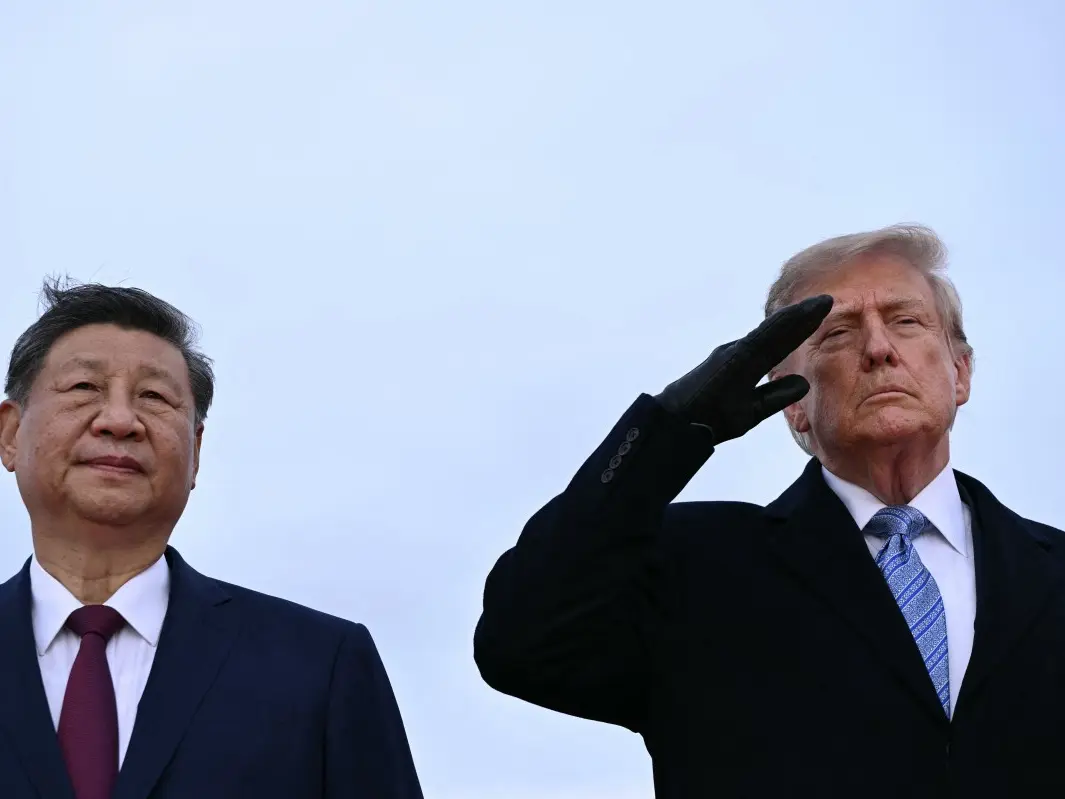)
WATCH | China President Xi Jinping lands in US as Trump greets him ahead of high-stakes summit
)
Mumbai Indians appoint Luke Williams as head coach for Women’s Premier League
)
China to test supersonic jet that moves at Mach 2, double the speed of sound
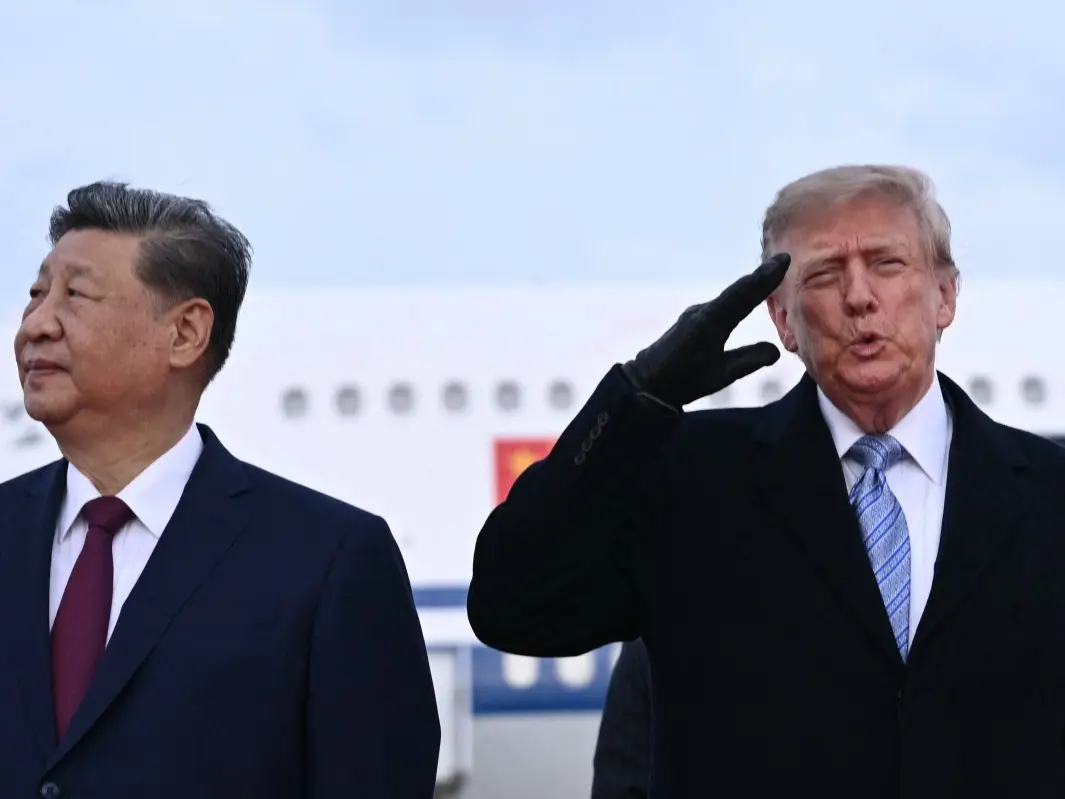)
Winter coat, gloves in September? Trump’s Xi welcome sparks social media buzz
)
Australian PM Anthony Albanese calls OpenAI AI incident 'unacceptable' after restricted data access
&im=FitAndFill=(700,400))
Netanyahu at UN: Mass walkout, attack on Mamdani and Iran threats | In Pics
)
Israeli envoy to US Yechiel Leiter’s son critically injured in West Bank ramming attack
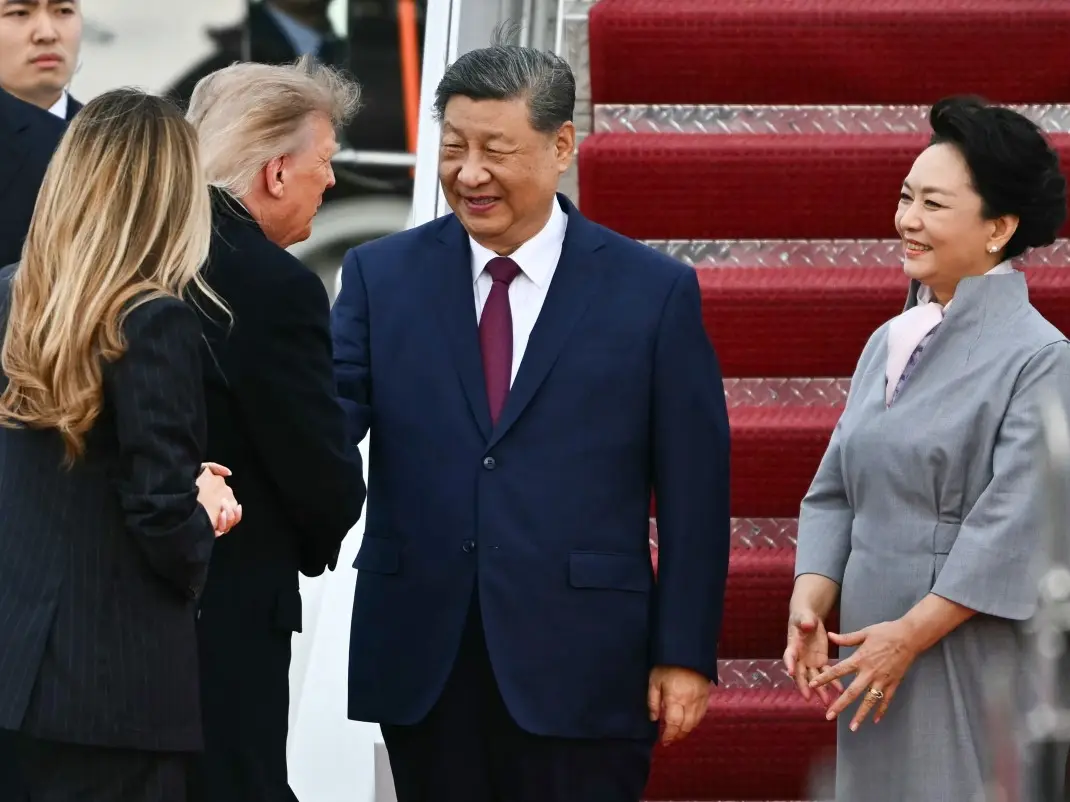)
Who is Peng Liyuan? Xi Jinping's singer wife and China's most visible First Lady
)
Trump’s Board of Peace unveils $2.45bn Gaza plan,66 projects: But where’s the money?
)
'There will be elections': Venezuela's interim leader Delcy Rodriguez makes big announcement at UN
)
EC appointment law: Why is the 2023 act controversial, and what happens next? WION explains
)
WION Iconic Tourism Summit: Is India's travel boom outrunning its airports, airlines and hotels?
&im=FitAndFill=(700,400))
Trump welcomes Xi Jinping in rare airport gesture: Photos from Chinese President's arrival in US
)
WION Iconic Tourism Summit 2026: Union Minister Shekhawat on 'experiential travel', peace diplomacy
)
'AI got into my speech': Prince Harry jokes after teleprompter failure at event in New York
)
250-pound WWII bomb found in Falmouth harbour in England
)
'Partners rather than rivals': Xi Jinping's first message after landing in US for Trump summit
)
'We would all be dead': Netanyahu defends decision to strike Iran's nuclear facilities in his UN speech
)
‘Both will lose in confrontation’: Xi says US and China should ‘coexist in peace’
)
Italy hit by floods in the north, drought in the south
He joined the CCP in 1983 and since then has served in many capacities.
Qiang started his career as the secretary of the Communist Youth League of Rui'an, Zhejiang. He then went on to serve in the provincial department of civil affairs, following which he became the party secretary of Yong Kang, Wenzhou, the Political Legal Affairs Secretary of Zhejiang and later the deputy party secretary of the province.
In 2012, he became the governor of Zhejiang. He then became the party secretary of Jiangsu province and was then finally transferred to the position of party secretary of Shanghai in 2017. The same year, he was elevated and was made a member of the CCP Politburo.
Why was he appointed as China’s premier?
Chinese President Xi Jinping, following his groundbreaking appointment as the third time head of China, is appointing a slate of his loyalists in key governmental posts. This has been termed China’s biggest government reshuffle in a decade. As a generation of more reform-minded officials retire, Xi as per Reuters, is further consolidating power after being unanimously elected president.
Li Qiang is a close ally of Xi, and he even served as Xi’s chief of staff between 2004 and 2007; back when the current President was the provincial party secretary of Zhejiang province.
What do experts say about Li Qiang’s rise to power?
Due to Qiang’s handling of Shanghai’s two-month lockdown last spring, in which residents struggled to access food and medical care, his ascension had as per AFP earlier seemed in doubt.
Richard McGregor, a senior fellow at the Lowy Institute in Sydney, says, "if proof were needed that loyalty trumps meritocracy in Xi's China, Li Qiang's elevation provides it."
"Li might be quite capable, and may make a good premier, but it is hard to see how he got there other than through Xi's personal favour," he added.
Neil Thomas, senior China analyst at Eurasia Group says that while "(Li) was seen as a business-friendly local leader but it's questionable whether these skills will translate well to overseeing macroeconomic coordination and regulatory agendas as premier.”
Some even see Li’s loyalty to Xi as an impediment to making his mark in solving the problems China faces. They say that his appointment may serve as a way for President Xi to assert his own economic agenda.
According to Steve Tsang, director of the SOAS China Institute, despite being the president's "trusted lieutenant", the new premier's ability to push through policies is still limited.
"Xi will give Li Qiang more scope to run the State Council, but on the basis that Li Qiang will do what Xi wants and not go beyond the perimeter set by Xi," he remarked.
What is expected of Li Qiang's premiership?
In his current capacity as premier and the head of China’s cabinet, the State Council, in his capacity as premier and head of China's cabinet Li Qiang will be responsible for the day-to-day running of the country, as well as its macroeconomic policy.
His ascension comes at a time when China’s economy is in serious trouble. Last year it grew by just three per cent. Owing to this, the ongoing annual session of the Chinese parliament has set a modest growth target of five per cent for 2023. This is the lowest goal set by China in nearly three decades.
As per Christopher Beddor, the deputy China research director at Gavekal Dragonomics, for Li, the top task this year will be beating the five per cent target without triggering serious inflation or piling on debt.
"The leadership has already accepted two years of exceptionally weak economic growth in the name of COVID containment. Now that containment is gone, they won’t accept another," added Beddor.
What is the current state of China’s economy?
For the first time in 25 years of its survey, the American Chamber of Commerce in China found that China is no longer seen as a "top three investment priority". The results were based on a survey of companies,the majority of which said this.
In recent years, some of Beijing’s most successful private firms like Alibaba have been battered by abrupt crackdowns and regulatory hurdles.
Even as China tries to present a business-friendly face, in the face of global headwinds and weak confidence among consumers and the private sector, Li will have to work hard to restore confidence.
(With inputs from agencies)
WATCH WION LIVE HERE
You can now write for wionews.com and be a part of the community. Share your stories and opinions with us here.

