Canada announces two-year cap on international students. How will it affect Indians?

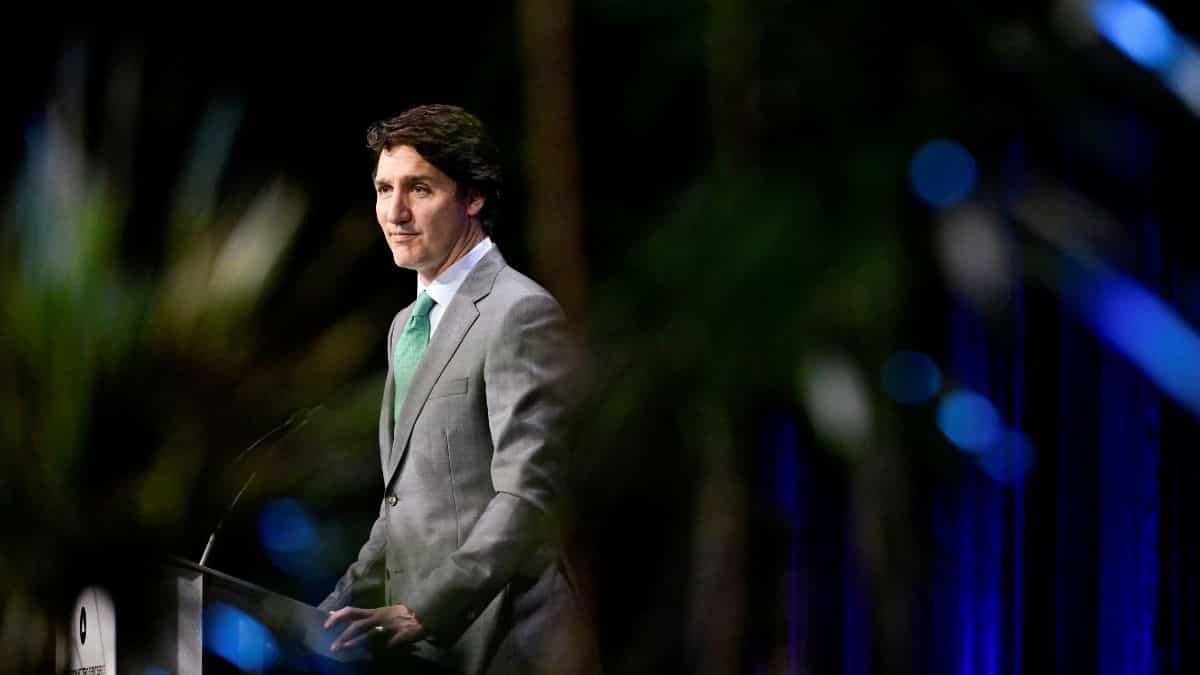
Canada's Prime Minister Justin Trudeau
Canada is set to slash the number of international student permits by 35 per cent in 2025 as a part of its two-year limit on international student admissions, Immigration Minister Marc Miller announced on Monday morning (Jan 22).
While addressing a press conference earlier today, Miller claimed that the move would provide the government with an opportunity to manage the exploitative system of high tuition fees being charged by the institutions.
"These measures are to ensure that as future students arrive in Canada, they receive the quality of education that they signed up for and the hope that they were provided in their home countries. It would be a disservice to welcome international students to Canada knowing that now all of them are getting the resources they need to succeed in Canada. Allowing bad actors to continue their operations would be a disservice to all of the good institutions who pride themselves on providing a top-tier academic experience," Miller said.

“It is unacceptable that some private institutions have taken advantage of international students by operating under-resourced campuses, lacking support for students, and charging high tuition fees – all the while significantly increasing their intake of international students," he added.
The cap will slash the number of approved study permits this year to 364,000. The limit of 2025 will reassessed at the end of 2024, reported CTV news.
"For 2024, the cap is expected to result in approximately 364,000 approved study permits, a decrease of 35% from 2023," the immigration minister said.
&imwidth=180&imheight=135&format=webp&quality=medium)
Thai Actors Fourth Nattawat, Gemini Norawit face racism accusations from Indian fans over viral Bollywood act
&imwidth=180&imheight=135&format=webp&quality=medium)
France protests: How a Gen Z school movement turned into a political war | The Verdict
&imwidth=180&imheight=135&format=webp&quality=medium)
‘You earned that love’: Messi’s wife shares heartfelt message as football icon bids farewell to international stage
&imwidth=180&imheight=135&format=webp&quality=medium)
Ronaldo sends 'a hug' after Messi says he misses 'wearing the blue and white'
&imwidth=180&imheight=135&format=webp&quality=medium)
IndiGo flight struck by lightning at 17,000 feet, nose of Patna-Lucknow flight damaged
&imwidth=180&imheight=135&format=webp&quality=medium)
Trump's naked 23-karat gold statue unveiled near European Parliament
&imwidth=180&imheight=135&format=webp&quality=medium)
Trump to honour Elon Musk, Sergey Brin and Jensen Huang with top science honour at White House. Check the full list here
&imwidth=180&imheight=135&format=webp&quality=medium)
Nigerian President Bola Ahmed Tinubu hails Modi’s 25-year leadership milestone, calls for deeper Nigeria-India strategic ties
&im=FitAndFill=(700,400)&imwidth=180&imheight=135&format=webp&quality=medium)
US midterms 2026: 10 leaders and candidates to watch in the battle for Congress
&imwidth=180&imheight=135&format=webp&quality=medium)
‘Team first and team ahead’: India coach Gambhir pens heartfelt wish for chief selector Ajit Agarkar
&imwidth=180&imheight=135&format=webp&quality=medium)
'Baseless and misconceived': India issues statement after Elon Musk's 'oligarchs' claim over Starlink delay
&imwidth=180&imheight=135&format=webp&quality=medium)
Atlantic hurricane Isaias could make landfall as a strong Category 2 storm, tornado warnings issued
&imwidth=180&imheight=135&format=webp&quality=medium)
BTS agency HYBE announces first-ever Weverse Con Festival in India
&imwidth=180&imheight=135&format=webp&quality=medium)
Texas man executed by lethal injection; first US execution since botched Christa Pike execution
&imwidth=180&imheight=135&format=webp&quality=medium)
Veteran actor Nana Patekar dies at 75 after suffering cardiac arrest
&imwidth=180&imheight=135&format=webp&quality=medium)
Shia LaBeouf and Mia Goth head for divorce after nearly 10 years
&imwidth=180&imheight=135&format=webp&quality=medium)
Lightning strikes IndiGo Patna-Lucknow flight at 17,000 feet, damages nose; all 110 safe
&imwidth=180&imheight=135&format=webp&quality=medium)
Christa Pike wakes after failed execution, asks 'Where am I and who are you?'
&imwidth=180&imheight=135&format=webp&quality=medium)
Captain Smit Machchhar on feet again, walks 10 steps as recovery continues after Flydubai flight attack
&imwidth=180&imheight=135&format=webp&quality=medium)
Trump distances himself from senior political advisers over work for pro-Russian government
&im=FitAndFill=(700,400)&imwidth=180&imheight=135&format=webp&quality=medium)
World’s top vehicle producers: Top 10 countries making the most cars. Check where India stands
&imwidth=180&imheight=135&format=webp&quality=medium)
Sri Lankan Tamil worker gets death sentence in Saudi Arabia over blasphemy, calls for pardon intensify
&imwidth=180&imheight=135&format=webp&quality=medium)
Mall of America attack: FBI arrests man over alleged ISIS-inspired mass shooting plot with AK-47 and 200 rounds
&imwidth=180&imheight=135&format=webp&quality=medium)
BJP chief Nitin Nabin calls Rahul Gandhi ‘anarchist’, says Oppn ‘spreading poison’ in society
&imwidth=180&imheight=135&format=webp&quality=medium)
US midterms 2026: Why the Latino vote could shape control of Congress
&imwidth=180&imheight=135&format=webp&quality=medium)
Nana Patekar's #MeToo controversy: From Tanushree Dutta’s allegations to court ruling
&imwidth=180&imheight=135&format=webp&quality=medium)
Nicolas Maduro, wife likely to face new charges over alleged torture of US citizens: Report
&imwidth=180&imheight=135&format=webp&quality=medium)
Nana Patekar: Remembering a legend of the Indian cinema
&imwidth=180&imheight=135&format=webp&quality=medium)
US Midterms 2026: Barack Obama hits campaign trail to boost Democratic candidates
&imwidth=180&imheight=135&format=webp&quality=medium)
A Love Other Than Yours: The temptation to cheat and what pushes people over the edge
&imwidth=180&imheight=135&format=webp&quality=medium)
Narendra Modi Stadium bomb threat declared hoax; India & Australia U19 squads safe
&imwidth=180&imheight=135&format=webp&quality=medium)
Musk alleges ‘oligarchs’ blocking Starlink in India, here is what we know so far
&imwidth=180&imheight=135&format=webp&quality=medium)
US readying to strike Iran? Report suggests Trump preparing to put on show of strength ahead of US midterms
&imwidth=180&imheight=135&format=webp&quality=medium)
Christa Pike 'angry' and 'confused' after failed execution; judge orders to preserve evidence
&imwidth=180&imheight=135&format=webp&quality=medium)
France holds talks with Taliban government amid diplomatic outreach
&imwidth=180&imheight=135&format=webp&quality=medium)
'We don't think so': Trump says Russian plague lab worker's death not linked to bio-weapon
However, the students applying for master's and PhD programmes will be exempted from the cap.
“Those are the bright people we need to retain,” he added.
He then said that the government would allocate the cap space by province based on population, which means that some provinces will witness much more significant reductions in the number of students permitted.
"In the spirit of fairness, we are also allocating the cap space by province based on population…some provinces will see much more significant reductions. Some provinces will actually have room to [grow] if they so choose but the provinces that have been most heavily affected will have to decrease by about 50% or perhaps even a bit more than 50%, when it comes to new incoming [students]," he said.
How the cap would affect Indians?
Canada in recent years, has received an influx of Indians who form one of the largest groups of international students in the country.
Over 41% - or 225,835 - of all permits were handed over to Indians in the year 2022.
Watch |Canada: No funding for research linked to foreign institutes
As per Canadian government statistics, in September 2023, Indians comprised nearly 40 per cent of the international students that were permitted inside the country.
Miller's announcement also comes amid Canada's ongoing housing crisis.
"Right now we have a challenge with the sheer volume" of students coming in, Reuters quoted Miller as saying. "It's just gotten out of control and needs to be reduced - I would say - significantly over a short period of time."
It is pertinent to note that the cap will not apply to the applicants within Canada looking to extend their studies nor to the ones having study permits.
It would only apply to the ones applying for study visas for bachelor programmes or diplomas and students applying for master's and PhD programs will be exempted.
"To be clear, the cap will not apply to applicants within Canada looking to extend their studies as it wouldn't be fair to prevent someone from finishing their programme. Nor will the cap have an effect on study permit holders currently in Canada," Miller said.
(With inputs from agencies)