
&imwidth=800&imheight=600&format=webp&quality=medium "Is BRICS’ importance waning? Why Xi and Putin are skipping the Brazil summit")
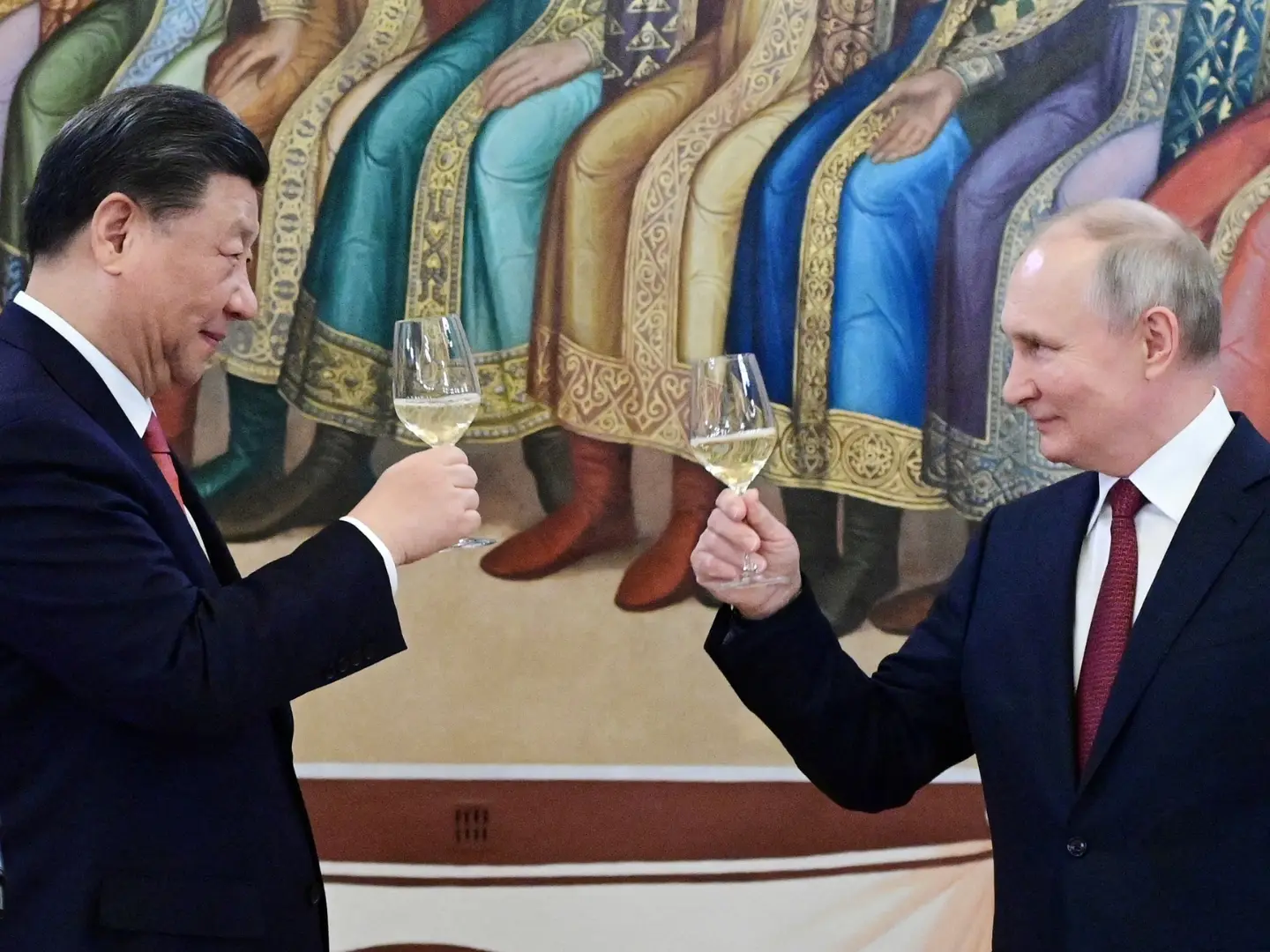
The leaders of Russia and China, two of BRICS’ most influential founding members, have decided not to attend the upcoming summit in Brazil. For the first time in over a decade, Chinese President Xi Jinping will not attend a BRICS summit. Instead, Premier Li Qiang will represent Beijing in Brazil. The official explanation mentions “scheduling conflicts”, but the lack of clarity has prompted speculation that China may be reconsidering the group’s strategic value, especially after its rapid expansion.
Also read: Trump wants Putin back in G7 and make it G8 as earlier. Why was Russia kicked out?Can itreturn?
Russian President Vladimir Putin is also skipping the summit, a move widely linked to the International Criminal Court’s arrest warrant against him. Brazil, the host nation, is a signatory to the ICC statute, and though it hasn’t indicated it would act on the warrant, Putin is avoiding any potential embarrassment for his hosts. He had similarly withdrawn from last year’s summit in South Africa over the same legal concerns.

Putin stands accused by the ICC of playing a key role in the forced deportation of Ukrainian children, a charge that has further isolated him from international platforms.
Expansion may have diluted the bloc’s core vision
BRICS was originally formed as a unified voice of emerging economies, Brazil, Russia, India, China and South Africa, positioning itself as a counterweight to the G7 and Western dominance.
Trending Stories
)
'Worst quality AI in market': Meta AI's moderation fail hits PM Modi and Indian Democracy
)
'He wants me to stay involved': Trump says Netanyahu publicised Iran intel to keep US engaged
)
NEET Protests riddled with misinformation? Delhi Police blocks 480 Pakistan-based handles spreading 'fake news' since Operation Sindoor
'Pickaxe Mountain did not come up': Israel denies nuclear site was discussed in Trump-Netanyahu meeting
)
PoK protesters 'enemies like India', says Pakistan defence minister Khawaja Asif amid widespread violence
)
CJP claims SC's 'uninformed' interim order contradicts government assurances
)
Iran says it is functioning as a non-NPT state, keeps door open on treaty exit
)
He predicted COVID-19 and 2008 economic crisis, was labeled fearmonger. Now he has another dire warning
)
You are a 'Naked Official' in China if you hold high posts and have children or spouse abroad. What about India?
)
Russia-Ukraine War: Putin's big warning amid Ukraine war escalation
)
Flesh Impact: Dakota Johnson transforms as Marilyn Monroe for Maggie Gyllenhaal's short film | See pics
)
67 dead in Munir's deadly PoK crackdown, India slams 'cosmetic' elections
)
See You at Work Tomorrow finale: Seo In Guk-Park Ji Hyun's office romance delivers sweetest farewell
)
Trump says Iranian school bombing photos could be AI-generated - 'I don’t think...'
)
Iran launches first attack on US forces since Trump halted strikes, missiles intercepted
)
Netanyahu tells Trump Israel may have 'no choice' but to strike Iran again: Report
)
CJP's Saurav Das says no one takes Kangana Ranaut seriously; actress calls him 'totally useless and unemployed'
)
PoK violence escalates: 67 dead as India rejects Pakistan's polls as a 'cosmetic exercise' | Gravitas
)
5 Overs, 5 Wickets and ZERO Runs: Justin Greaves bowls world record spell against Pakistan| WATCH
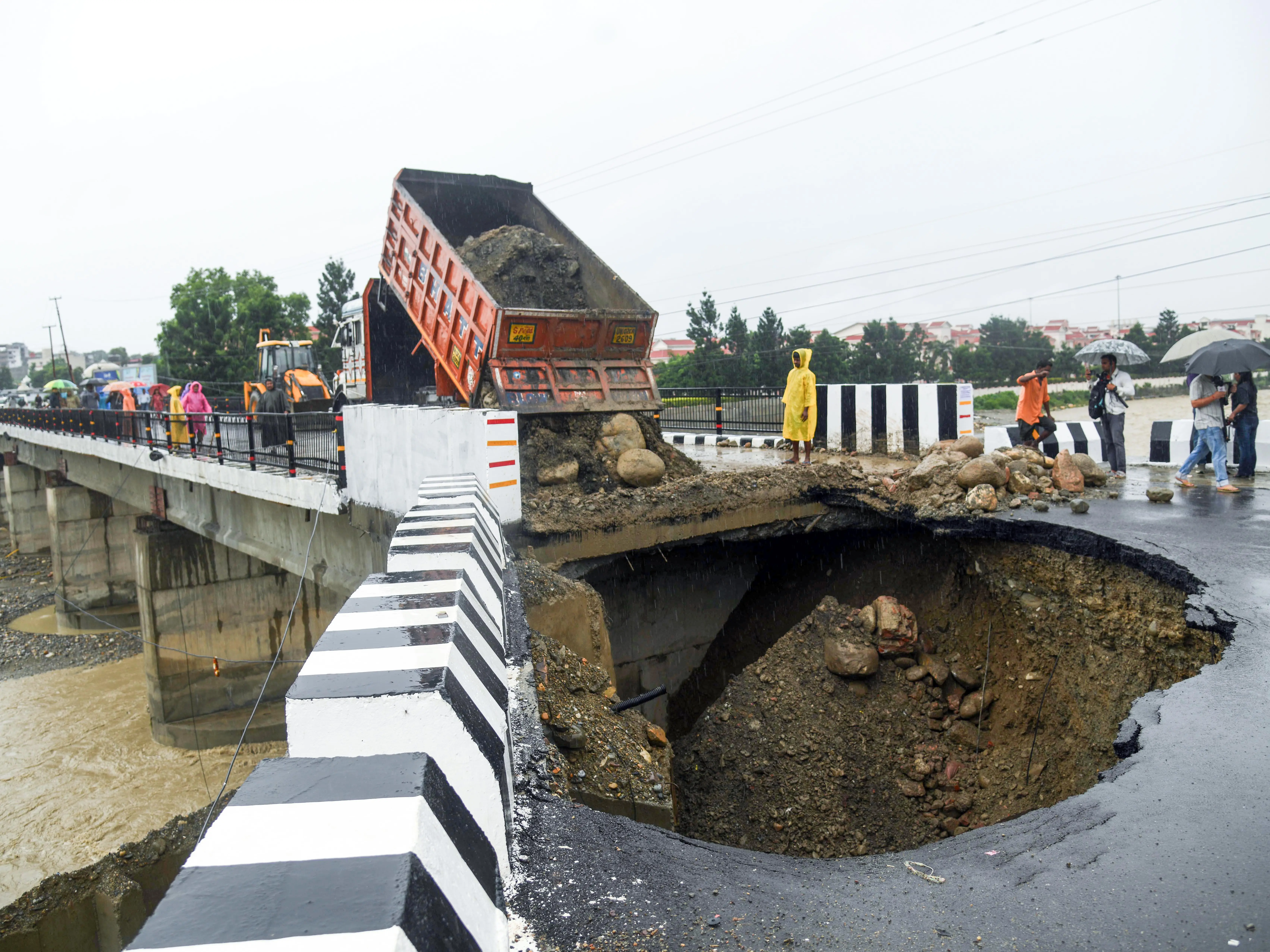)
₹16 crore Dehradun bridge approach road collapses just 17 days after inauguration, repaired within 12 hours
)
'First dumb AI': Meta AI blocks Indian PM Modi's video in his own country, allows abuse ads and deletes livelihoods without explanation
)
Watch a SpaceX rocket crash into the moon at 8,750 km/hr on THIS day
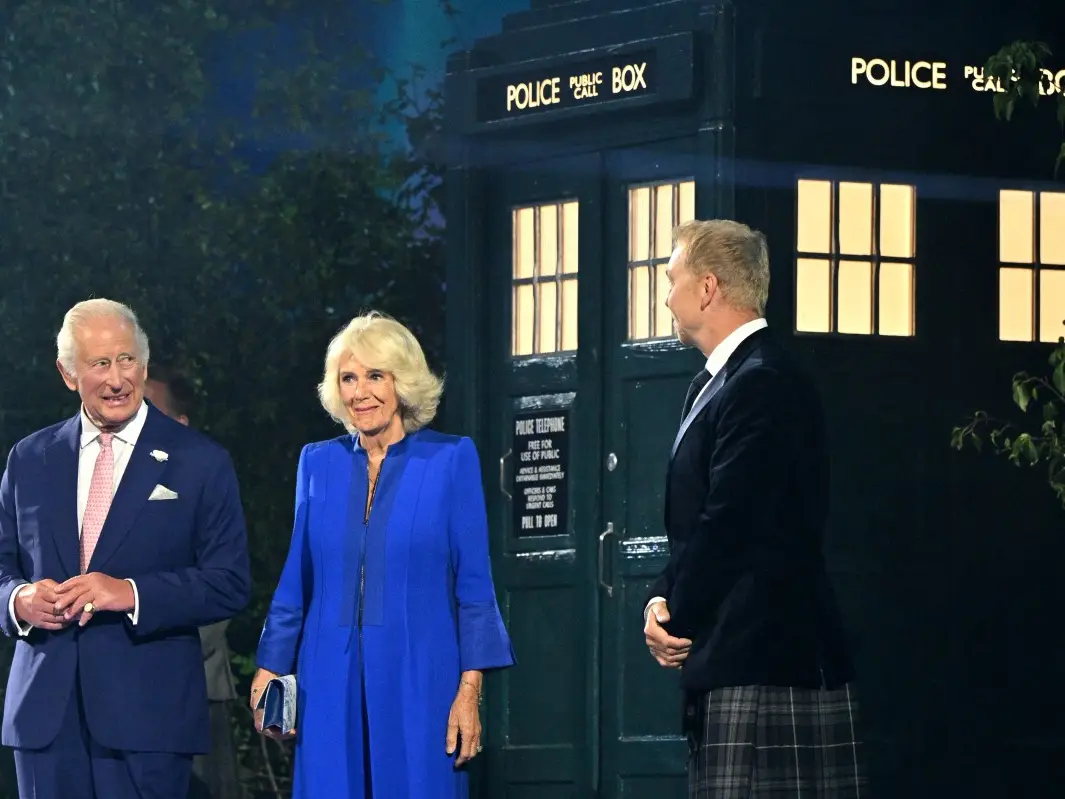)
The Royals enter the Doctor Who universe: King Charles and Queen Camilla beam into Commonwealth Games in TARDIS
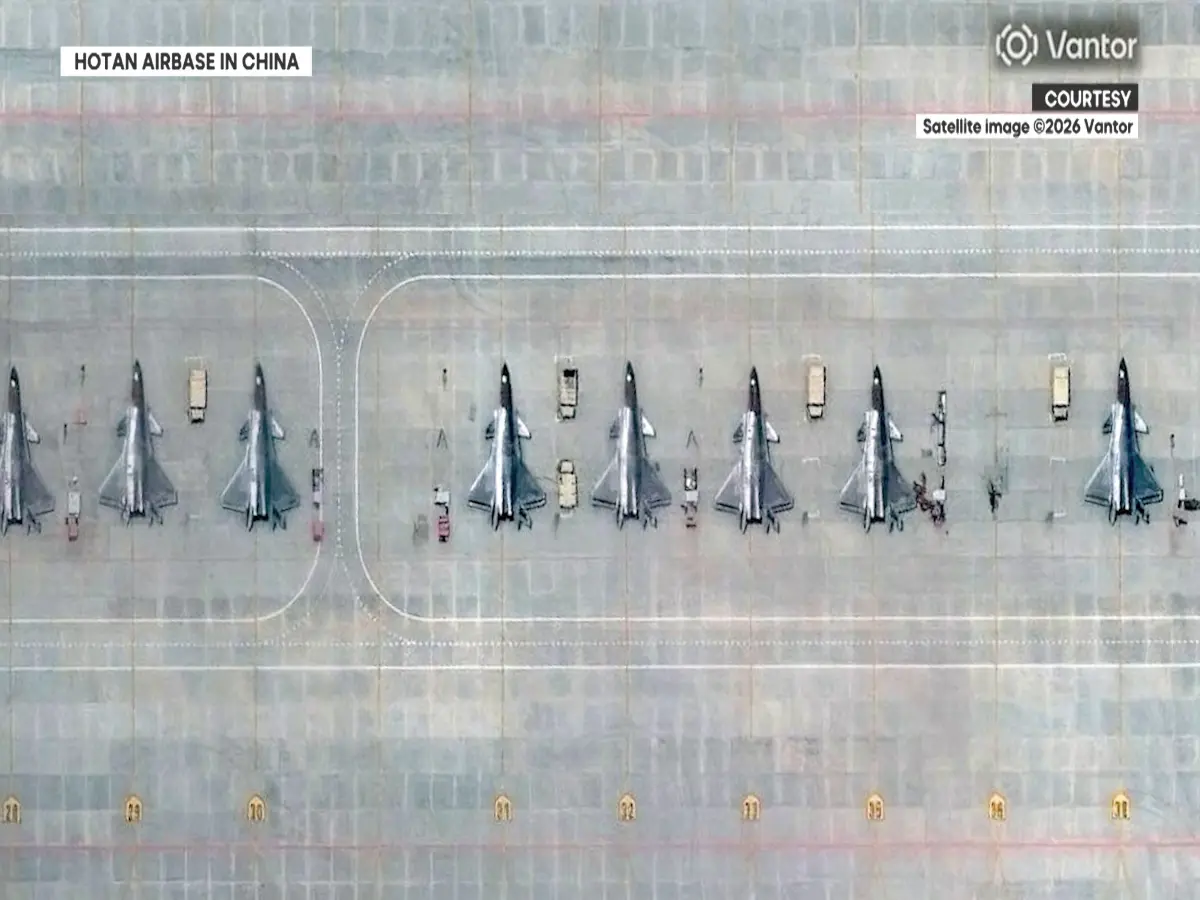)
China deploying advanced fighter jets closer to India's northern frontier
)
ChatGPT invoked God, told pastor not to worry about his symptoms. Then pulmonary embolism hit
)
India avoids higher US tariff, secures lower 10% rate. Here's how
)
Parliamentary panel summons social media giants after PM Modi video removal row
)
'Broader struggle for democracy...': Greta Thunberg joins Indian students protest in London - What she said
)
Giant iceberg flips violently near Greenland exposing its underside - 'I didn't know they could do that'
)
'Asian Bradman' Zaheer Abbas backs Rohit, Virat for 2027 ODI World Cup
)
Ramayana trailer release time revealed: Namit Malhotra sets specific early morning date after delay
)
Jennifer Lopez's ex-husband Ojani Noa claims he confronted Sean 'Diddy' Combs over alleged affair
)
Ukraine, Iran signal de-escalation after deadly strike on vessel in Caspian Sea
But the group’s recent expansion to include Iran, Egypt, Ethiopia, Indonesia, Saudi Arabia, and the UAE has made it less ideologically cohesive. Many of the new members are authoritarian regimes, and not all share the original BRICS focus on reforming global governance or promoting multilateralism. This ideological drift could be part of why China and Russia are choosing to step back from active participation.
Brazil, the summit host, sees BRICS as a platform to champion inclusive global governance, rather than an arena to vent frustration at the West. According to Antonio Patriota, Brazil’s ambassador to the UK and former foreign minister, a shift towards a multipolar world is already underway, thanks in part to past US policies under Donald Trump.
Speaking recently in London, Patriota said, “The US, through its policies, including on tariffs and sovereignty, is accelerating the transition to multipolarity in different ways.”
Brazil’s proposals for this year’s summit include:
• Green energy cooperation
• Vaccine collaboration
• Expanding Most-Favoured Nation status within the WTO
The absence of Putin and Xi, both known for focusing heavily on anti-West narratives, may help Brazil steer the summit toward more constructive discussions on reform and global cooperation.
A sign of internal strain, or strategy?
While BRICS still presents itself as a powerful bloc, internal contradictions are becoming more visible. India remains wary of China. Brazil is trying to avoid being seen as anti-West. And some of the new members have divergent economic goals or existing partnerships with Western institutions.
Xi’s absence, in particular, comes at a time when the US is retreating from global leadership, offering China a rare opportunity to take centre stage. Why Beijing would choose to pass on this chance remains unclear, and could signal a recalibration of its global alliances.
Patriota dismissed the idea that a multipolar world would be chaotic. “There is strong support for preserving multilateralism, but that does not mean that we need to preserve it as it stands,” he said.
But he also warned that waiting too long to reform existing systems could be dangerous, “Unless there is a strong movement towards reform now, we run the risk of reaching a tipping point.”
