Breakthrough: Chinese scientists invent new porous ceramic that can be used in making hypersonic aircraft

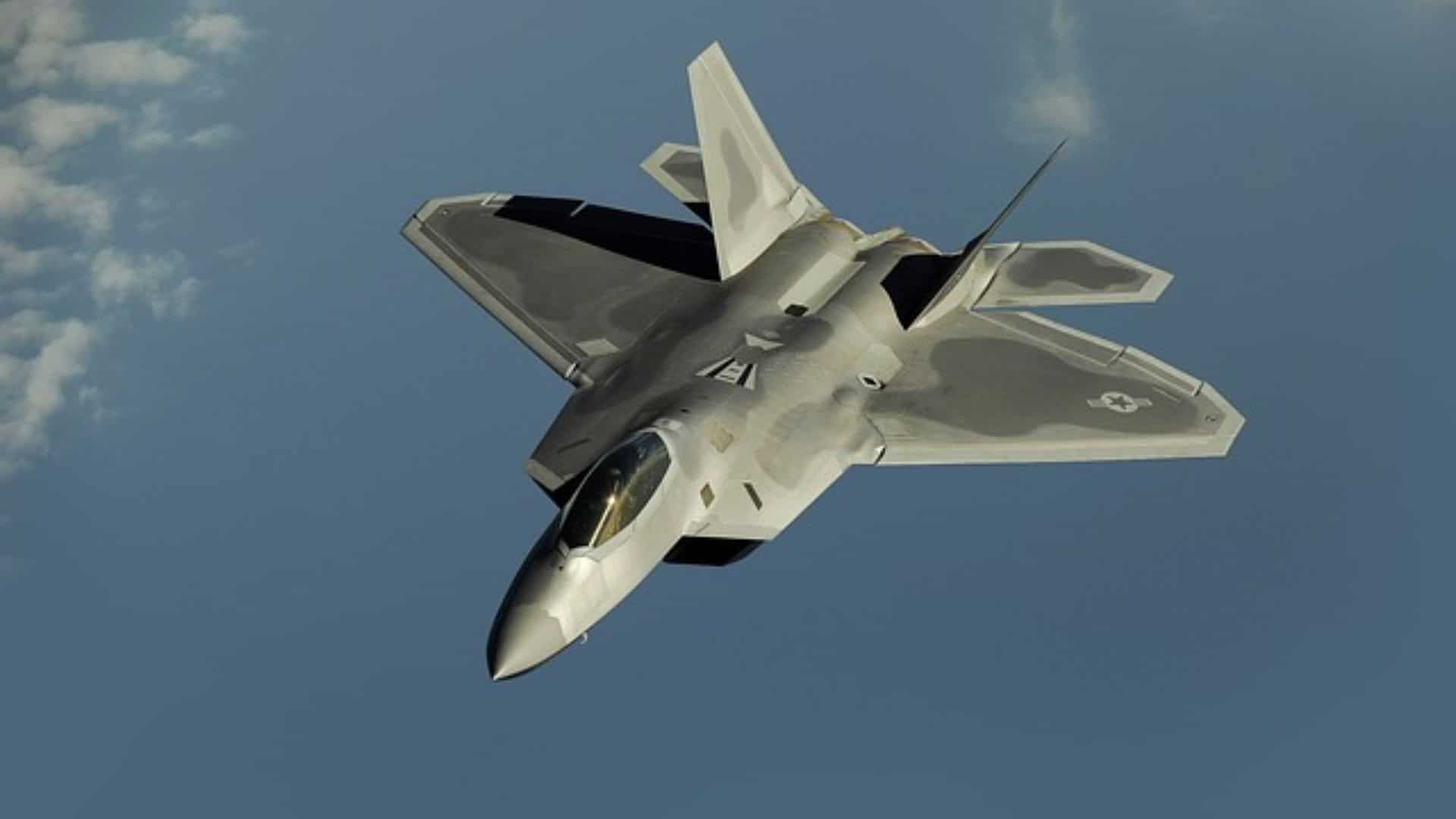
Representational image of a hypersonic aircraft
Chinese scientists have unveiled a groundbreaking achievement in materials science with the development of a porous ceramic material that possesses both high mechanical strength and exceptional thermal insulation. This innovation has the potential to revolutionise aerospace applications, particularly in the construction of the next generation of hypersonic aircraft, reported the South China Morning Post.
Porous ceramic materials are increasingly favoured for thermal insulation due to their lightweight nature, chemical inertness, and low thermal conductivity.
However, the quest for materials with both high mechanical strength and thermal insulation has proven challenging.

The introduction of more pores to enhance thermal insulation often results in a significant reduction in mechanical strength. Moreover, conventional porous materials may experience shrinkage and strength degradation at high temperatures, rendering them unsuitable for aerospace applications.
Multiscale structural design
The research team from the Guangzhou University's School of Materials Science and Engineering overcame these limitations by developing a porous ceramic with a unique multiscale structural design.
This design, named 9PHEB (9-cation porous high-entropy diboride), incorporates a high-entropy concept, involving the mixing of nine positively charged ions.
The ceramic, 9PHEB, exhibits outstanding dimension and strength retention up to 2,000 degrees Celsius, making it suitable for extreme conditions. With approximately 50% porosity, the material's compressive strength at room temperature is an ultra-high 337 million pascals (MPa), surpassing previous reports on porous ceramics.
Based on the high-entropy concept, 9PHEB showcases a unique microstructure, featuring ultrafine pores at the microscale (0.8 to 1.2 micrometres), defect-free connections at the nanoscale, and lattice distortion at the atomic scale. These characteristics contribute to its mechanical strength and thermal insulation.
Also watch |Taiwan-China tensions: Taiwan reports spotting 7 Chinese fighter jets
In thermal stability tests, 9PHEB retained 98.5 per centof its room temperature strength even at 1,500 degrees, showcasing remarkable insulation properties. At 2,000 degrees, the material exhibited plastic deformation, with a strain of 49 per cent, resulting in a strength increase to 690 MPa.
The researchers assert that the ceramic's unique properties, stemming from its multiscale design, make it suitable for diverse applications.
(With inputs from agencies)