US Supreme Court rejects Trump's bid to delay sentencing in hush money case; sentencing set for Friday

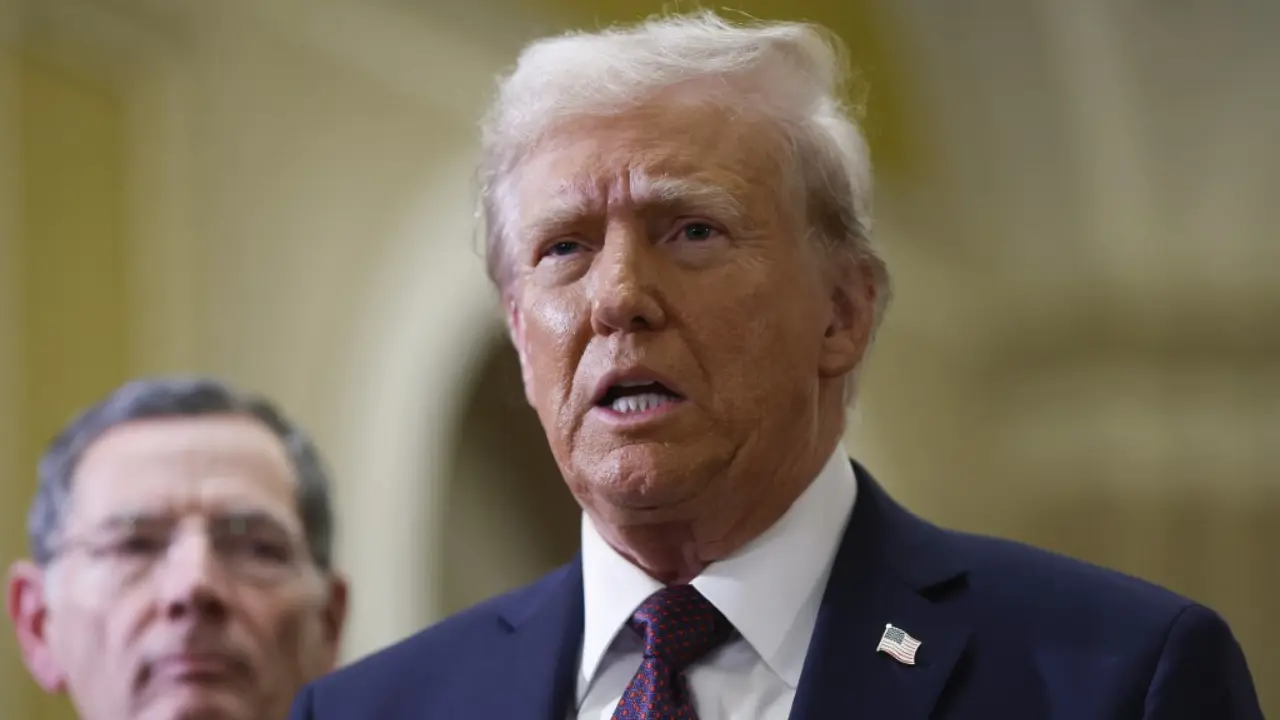
World | Trendiing: Find out how the US Supreme Court rejected Donald Trump's emergency bid to delay sentencing in his hush-money case, setting the stage for a pivotal Friday court decision.
The US Supreme Court on Thursday (Jan 9) rejected President-elect Donald Trump's emergency request to delay his sentencing in the hush money case involving porn star Stormy Daniels.
The narrow 5-4 ruling means that Trump's sentencing would continue as scheduled — 9:30 am (1430 GMT) — on Friday in Manhattan.
What the court said
Donald Trump, convicted in May 2024 on 34 counts of falsifying business records linked to hush money payments to the adult film actress Stormy Daniels, sought to halt the sentencing, claiming it would disrupt presidential duties and harm the office's integrity.
However, the top court in a brief unsigned order stated that the “burden that sentencing will impose on the President-Elect's responsibilities is relatively insubstantial”.
Trending Stories
)
)
)
)
)
)
)
)
)
&im=FitAndFill=(700,400))
)
)
)
)
)
)
)
)
)
)
)
)
)
)
)
)
)
&im=FitAndFill=(700,400))
)
)
&im=FitAndFill=(700,400))
)
)
)
)
&im=FitAndFill=(700,400))
)
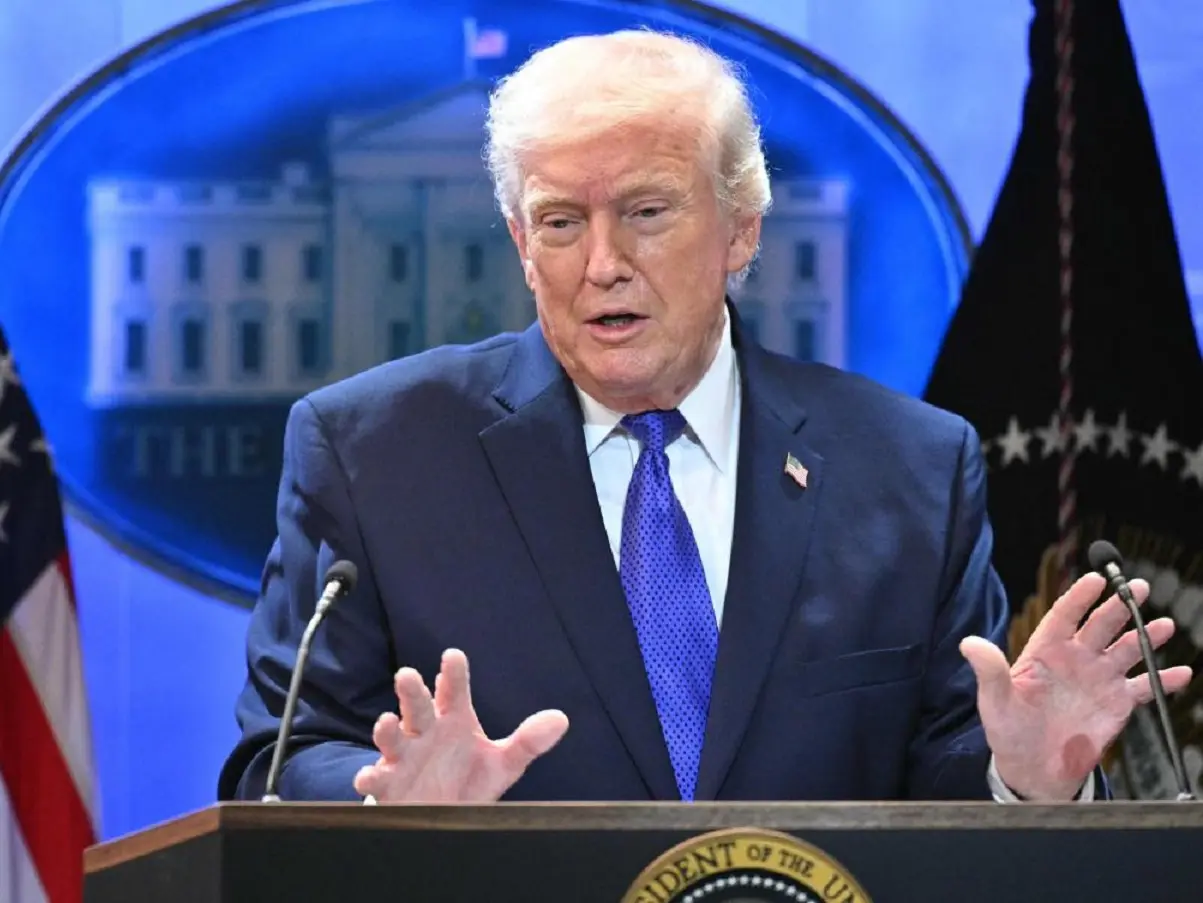)
It also noted that the Republican leader will be allowed to attend the sentencing hearing virtually. The court also pointed out that the judge who presided over the hush money case has already announced plans to impose a sentence of “unconditional discharge,” which does not carry any jail time, fine, or probation.
However, the US Supreme Court said that Trump can appeal his conviction through the New York State courts.
As per AFP, the four justices in favour of granting Trump's request to halt his sentencing are Clarence Thomas, Samuel Alito, Neil Gorsuch and Brett Kavanaugh — all conservatives.
Meanwhile, the three liberal judges — Ketanji Brown Jackson, Sonia Sotomayor, Elena Kagan — were joined by Chief Justice John Roberts and Justice Amy Coney Barrett, both conservatives, in rejecting his delay bid.
Of these, Barrett, Gorsuch, and Kavanaugh were appointed by Trump himself.
Presidential immunity
Trump's legal team argues that presidential immunity should extend to a president-elect. They argue that the sentencing would be a “grave injustice” and harm “the institution of the presidency and the operations of the federal government.”
However, on Thursday, Manhattan District Attorney Alvin Bragg countered that Trump was a private citizen when he was “charged, tried, and convicted”.
Bragg also said that the American top court “lacks jurisdiction over a state court's management of an ongoing criminal trial” and that preventing sentencing would be an “extraordinary step” by the top court.
At 78, Trump is poised to become the first convicted felon to assume the presidency when inaugurated on January 20.
Despite facing a possible four-year prison term, legal experts have long doubted he would face incarceration, even before securing his 2024 election victory.
(With inputs from agencies)

