Argentina: President Alberto Fernandez's government loses Congress majority, seeks opposition dialogue


Argentina's President Alberto Fernandez
Argentine President Alberto Fernandez has called for dialogue with the opposition following Sunday's midterm elections, with projections showing his coalition has lost control of Congress.
In the run-up to the election, there was widespread discontent over the state of the economy, which has been in recession since 2018 and was hit hard by the COVID-19 pandemic.
Based on projections of over 90 per cent of votes counting, Fernandez's Frente de Todos (Everyone's Front) coalition, which already held the majority in the lower house of Congress, looks set to drop from 41 to 35 seats in the 72-member Senate.

For the first time since Argentina's return to democracy in 1983, Peronism - a left-leaning movement based on former president Juan Peron that now covers a broad spectrum of political perspectives - would not hold a majority in the Senate.
In order to pass laws or make key appointments, including to the judiciary, Garcia is likely to have to make concessions to the opposition during the last two years of his tenure.
)
Nigeria: Protesters take to the streets, police fire shots
)
US-Iran war: Tehran draws red lines — seven demands before any peace talks
)
Russia-Europe tensions: Polish PM warns Russian attacks could test NATO's unity
&im=FitAndFill=(700,400))
‘Not the US or China’: These are the countries leading the world in arable land
)
EXCLUSIVE | Singer Hanita Bhambri on her Toxic debut, working with Vishal Mishra and more
)
Mark Carney mimics Trump in hilarious moment over C$70 billion clean-energy investment; room erupts in laughter
)
Delhi voter roll shake-up: 3.31 million electors flagged in SIR review
)
Aravana prasadam shortage at Sabarimala temple in Kerala triggers protests, TDB questioned
)
‘End of my career...’: NSA Doval recalls tense Sikkim mission when China captured Indian intelligence team
)
Report: Iran rebuilding Taleghan 2, nuclear site tied to past weapons research, hit twice by Israel
)
Trump defends AI amid growing alarm, announces new 'AI force' and promises an 'AI czar'
)
Iran sets 7 conditions to end war with US: What are Tehran’s demands?
)
Trump announces ‘AI Force’ as debate grows over AI risks and regulation
)
China may have gained access to US's classified F-35 jets; parts meant for repairs diverted to Hong Kong, sparking Pentagon inquiry
)
Gaza under attack: Health chief's son killed in IDF strikes
)
Arvind Kejriwal, family members, Delhi CM Rekha Gupta get SIR notices
)
Cochin shipyard starts building Indian Navy's next-gen missile vessels
)
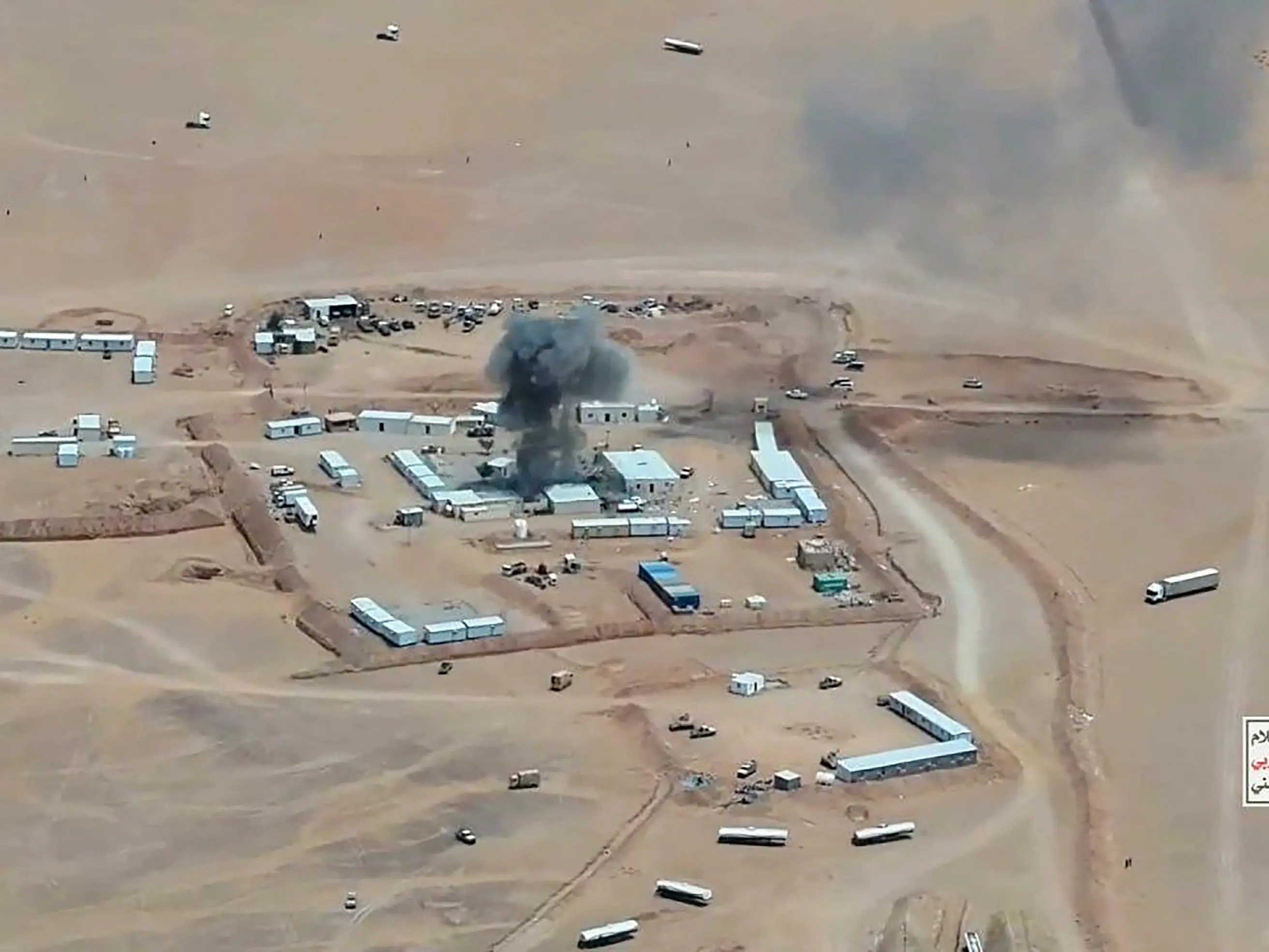
Saudi vs Houthis: Houthis claim missiles & drones used in attack on key Saudi sites
)
Ed Sheeran addresses Macklemore's removal, Gaza conflict during Philadelphia concert: 'I cannot hide how I feel'
)
Nepal forms 7-member panel to probe August 26 Bhotekoshi flood from source to downstream
)
‘Will go to any extent’: Pakistan vows to defend Saudi Arabia amid Houthi attacks
66 years of the Indus Waters Treaty: How India and Pakistan settled a bitter river dispute
)
The Verdict | When precision fails: US commits war crime in Minab school strike, UN finds
Russia attacks Ukraine with 174 drones, kills 8; 2 vessels hit in Black Sea
)
9 women found dead near Johannesburg: South Africans rally, demand 'enough' to femicide
)
Kampala-Ankara rift deepens: Uganda suspends military ties, seeks Fred Lumbuye's extradition
)
US-Iran war: Tehran sets seven conditions to re-engage in talks with US
)
Reacher star Alan Ritchson opens up about alleged blackmail, suicide attempt during difficult period
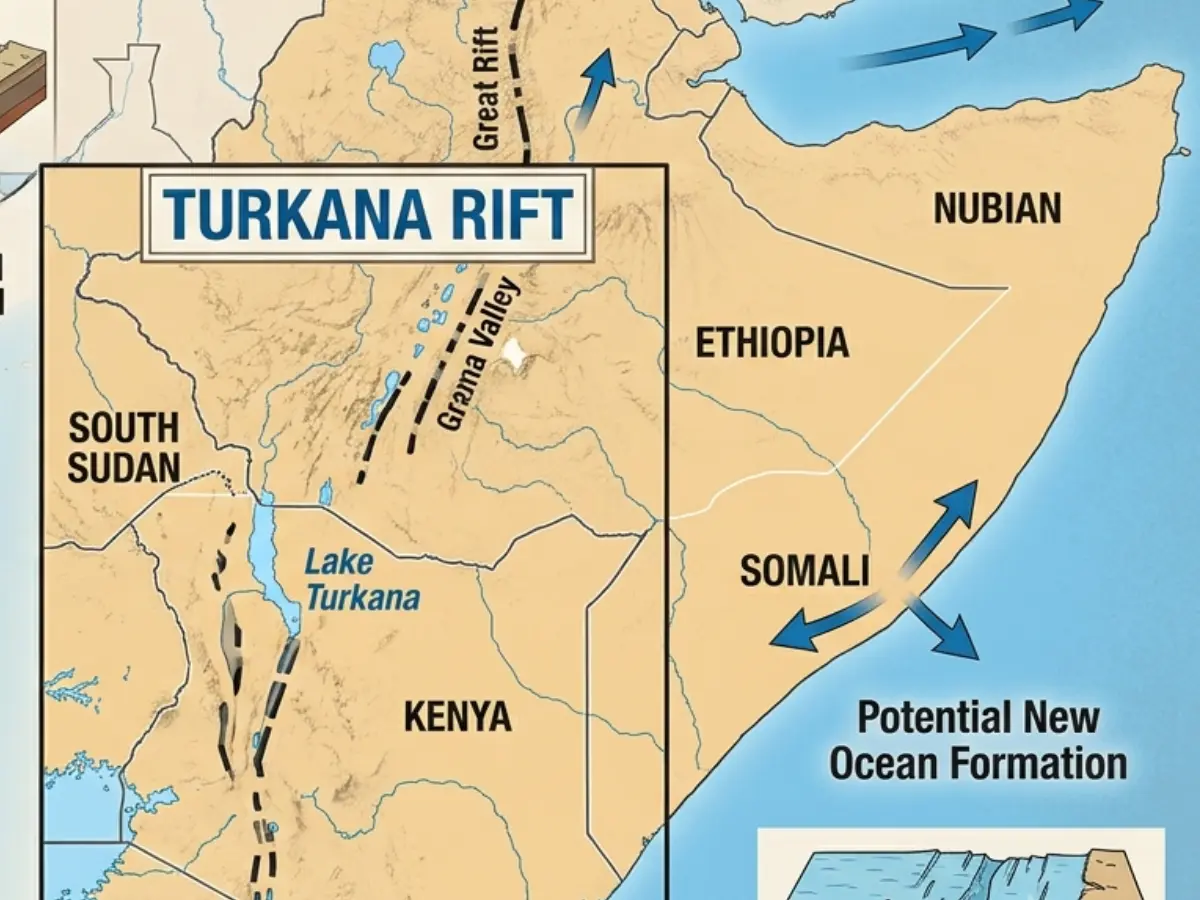)
Africa is splitting, and a lot sooner than estimated, giving way to a new ocean
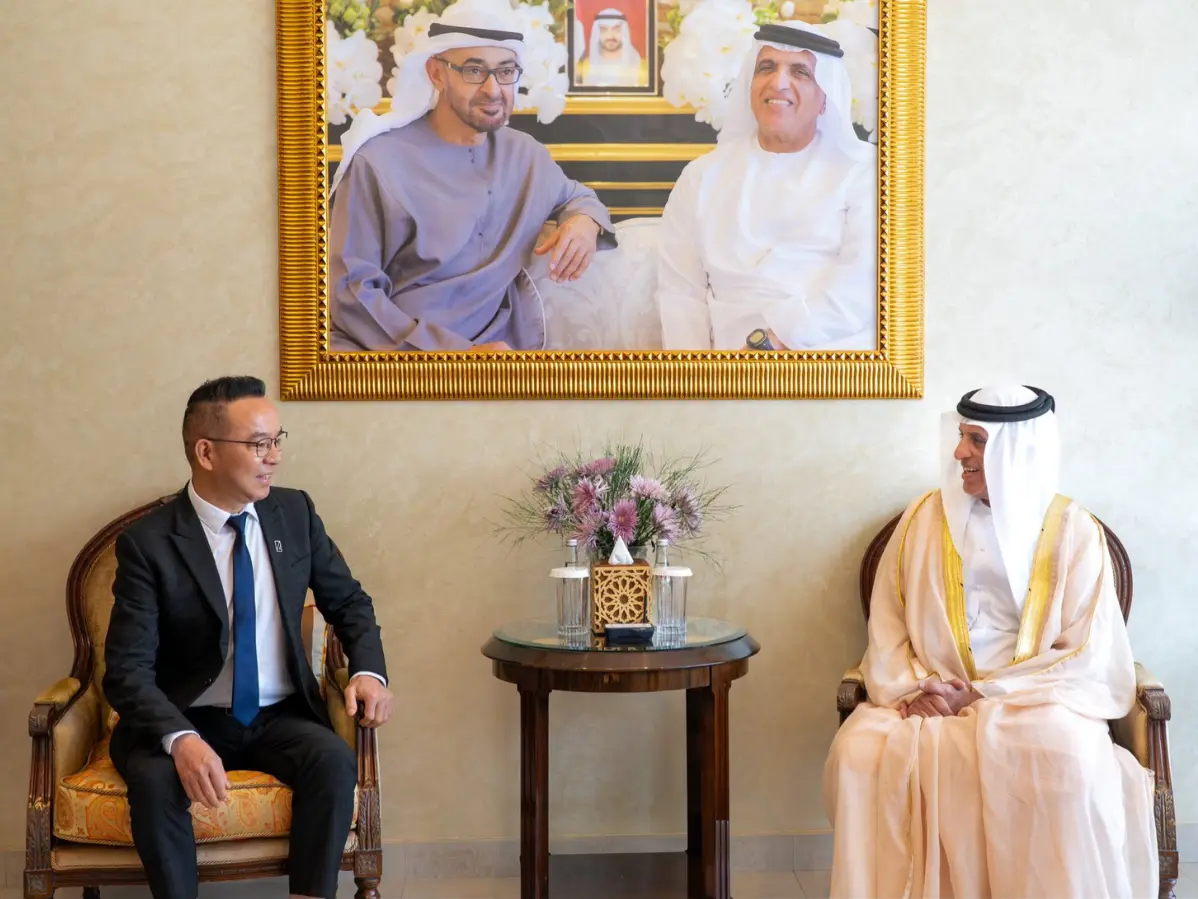)
Flying cars in UAE: Ras Al Khaimah signs deal with Chinese company to test new transport
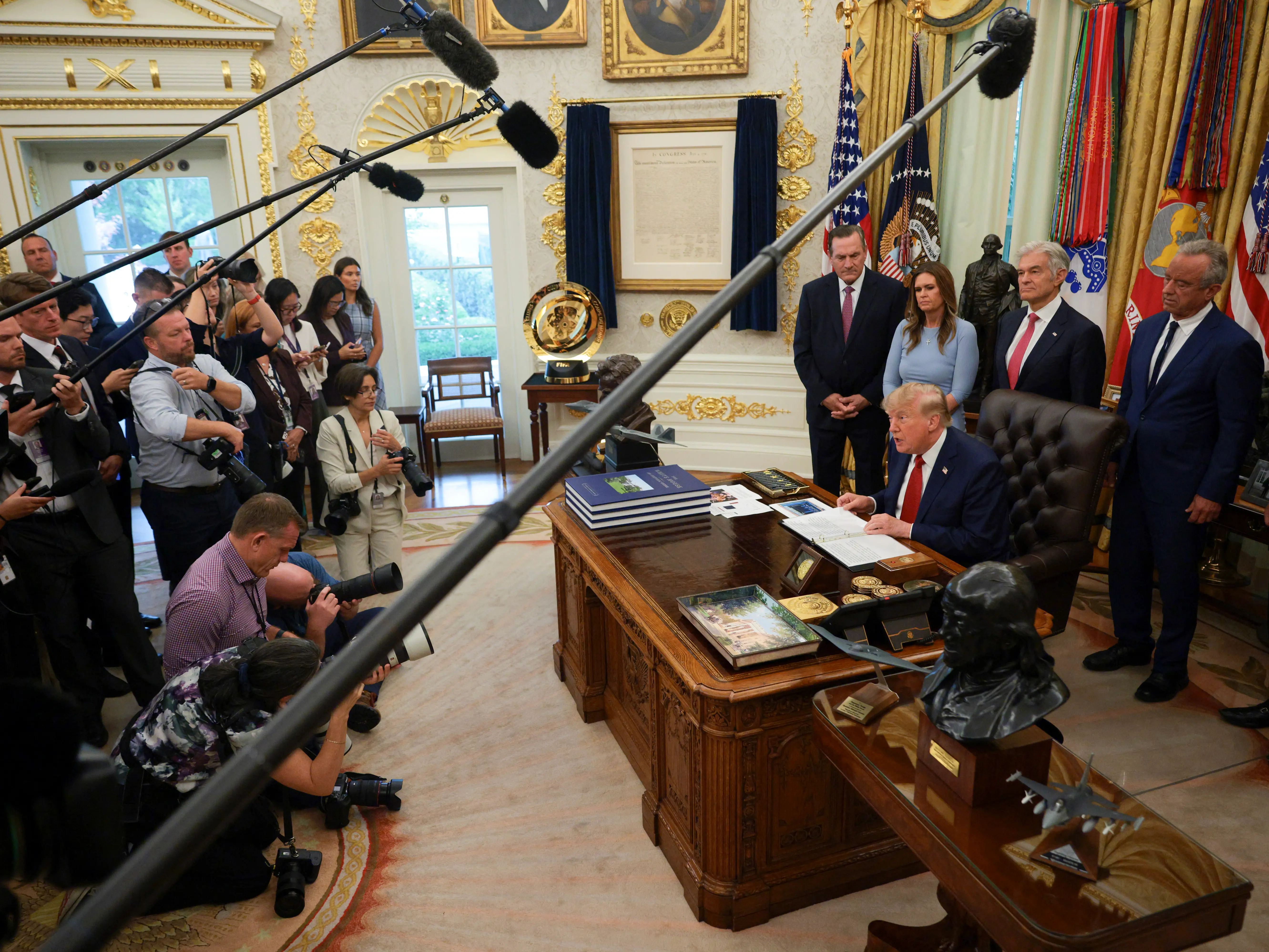)
Trump bans CNN, MS NOW and Politico from White House over ‘FAKE NEWS’
)
Trump 2.0: Dark days ahead for America’s ‘imperial presidency’
&im=FitAndFill=(700,400))
How many F-35s does Britain, Japan and Israel have?
)
Harry Brook targets long reign at top of T20I rankings after Sri Lanka sweep
)
Russia's deadly Ukraine strikes kill 2 in Sumy, hit Dnipro mall
)
Russia holds first parliamentary elections since the beginning of the Ukraine war
&im=FitAndFill=(700,400))
Meet top 5 Indian batters with fastest T20I centuries
)
Raphinha hat-trick powers Barcelona to 3-1 win over Sevilla in La Liga
)
)
"We need to prioritise national agreements if we want to resolve the challenges we face," said Fernandez, adding that he would approach opposition groups to try to find common ground.
"An opposition that is responsible and open to dialogue is a patriotic opposition."
In Sunday's elections, half of the seats in the Chamber of Deputies and a third of Senate seats were up for grabs.
According to Interior Minister Wado de Pedro, the turnout in the compulsory elections was between 71 and 72 per cent.
In his recent primaries, Fernandez suffered a bruising defeat, picking up just 33 per cent of the vote, compared with 37 per cent for the main opposition group, Juntos por el Cambio (Together for Change), led by Macri.
"These next two years are going to be difficult," Macri said Sunday while assuring voters that his coalition would "act with great responsibility."
Fernandez "will have to negotiate law by law," said Raul Aragon, a political scientist at the National University of La Matanza.
The opposition, however, is expected to be open to talks.
"It won't serve them to not engage in dialogue, and appear anti-democratic" before the presidential elections in 2023, Aragon said.
Watch |Argentina: Rift brewing between moderate Peronists and Hardliners
The government had been in damage-limitation mode since the primaries, announcing last month a deal with the private sector to freeze prices on more than 1,500 basic goods following street protests calling for increased food subsidies.The minimum wage and family allowances have also been raised.
(With inputs from agencies)

