Argentina ends income tax, offers relief worth $5.7 billion before presidential elections


Argentina’s Economy Minister and presidential hopeful Sergio Massa.
Argentina is eliminating income tax for most of its formal workers ahead of the election season. The move has been taken to offer relief to people hit by rising inflation; however, experts fear it will end up further ballooning the fiscal deficit.
The Latin American country is reeling under a massive 124 per cent inflation before October’s presidential elections, pushing the ruling party to roll out generous schemes.
Legislation eliminating income tax was approved by the country’s Senate on Thursday (Sep 28) by a 38-27 vote, which was backed by Argentina’s Economy Minister and presidential hopeful Sergio Massa.

The bill is expected to be signed into law by President Alberto Fernandez. Presidential elections will be held in Argentina on October 22.
A political move
It is to be noted that the economy ministry has already exempted around 99 per cent of the formal workforce from paying taxes through a decree. However, the new legislation eliminates the income taxes altogether.
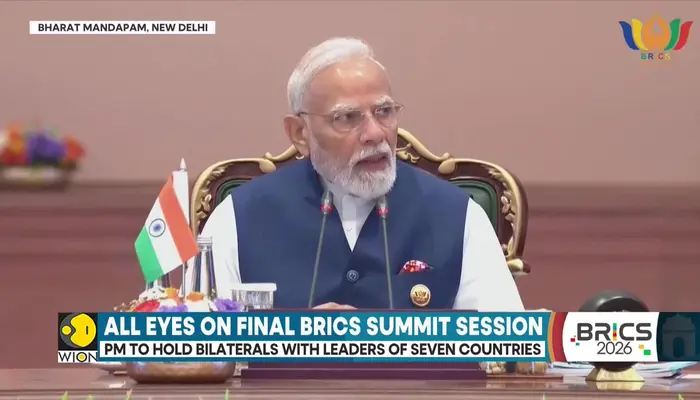)
BRICS Summit 2026: Global leaders of BRICS nations attend main open session
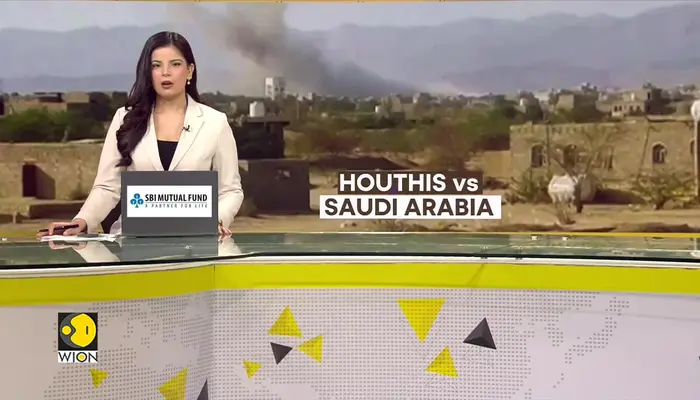)
Houthis launch cross-border strike on Saudi Arabia as Yemen war escalates
)
Why asking questions could be more important than memorising answers
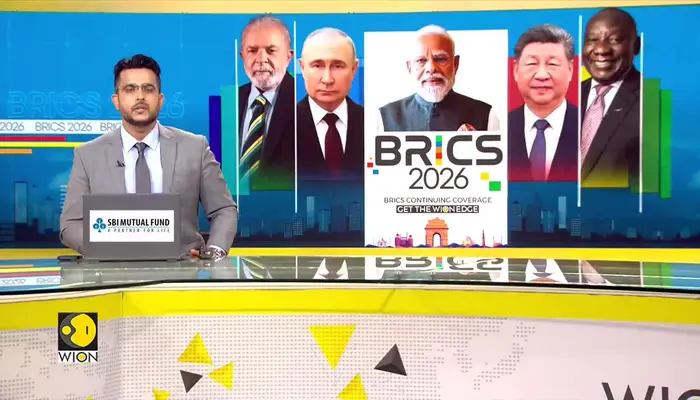)
BRICS Summit 2026: PM Modi addresses Day 2 of 18th BRICS summit
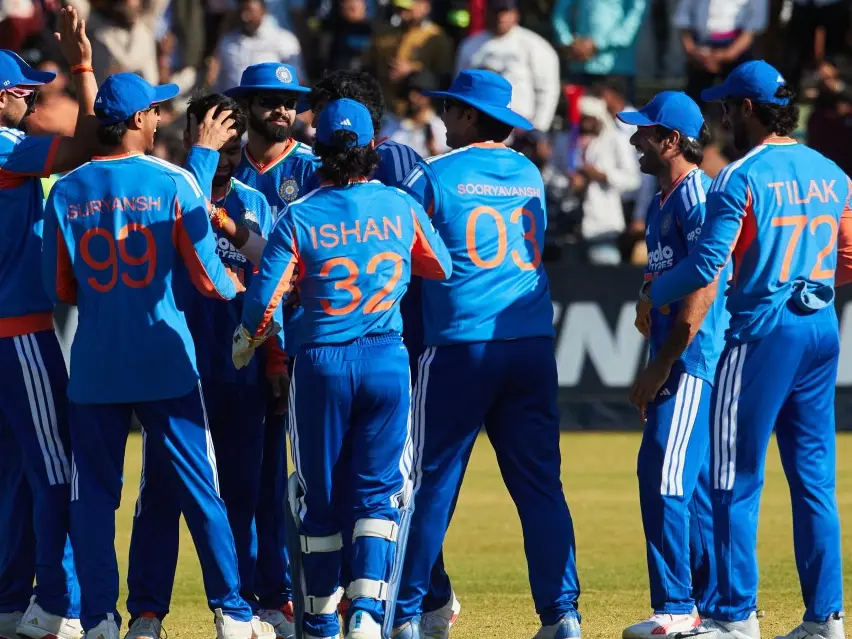)
IND vs AFG, 1st T20I: When and where to watch live streaming in India?
)
Why going digital does not always mean becoming more efficient
)
Migration protests return to Portsmouth as rival demonstrations face off
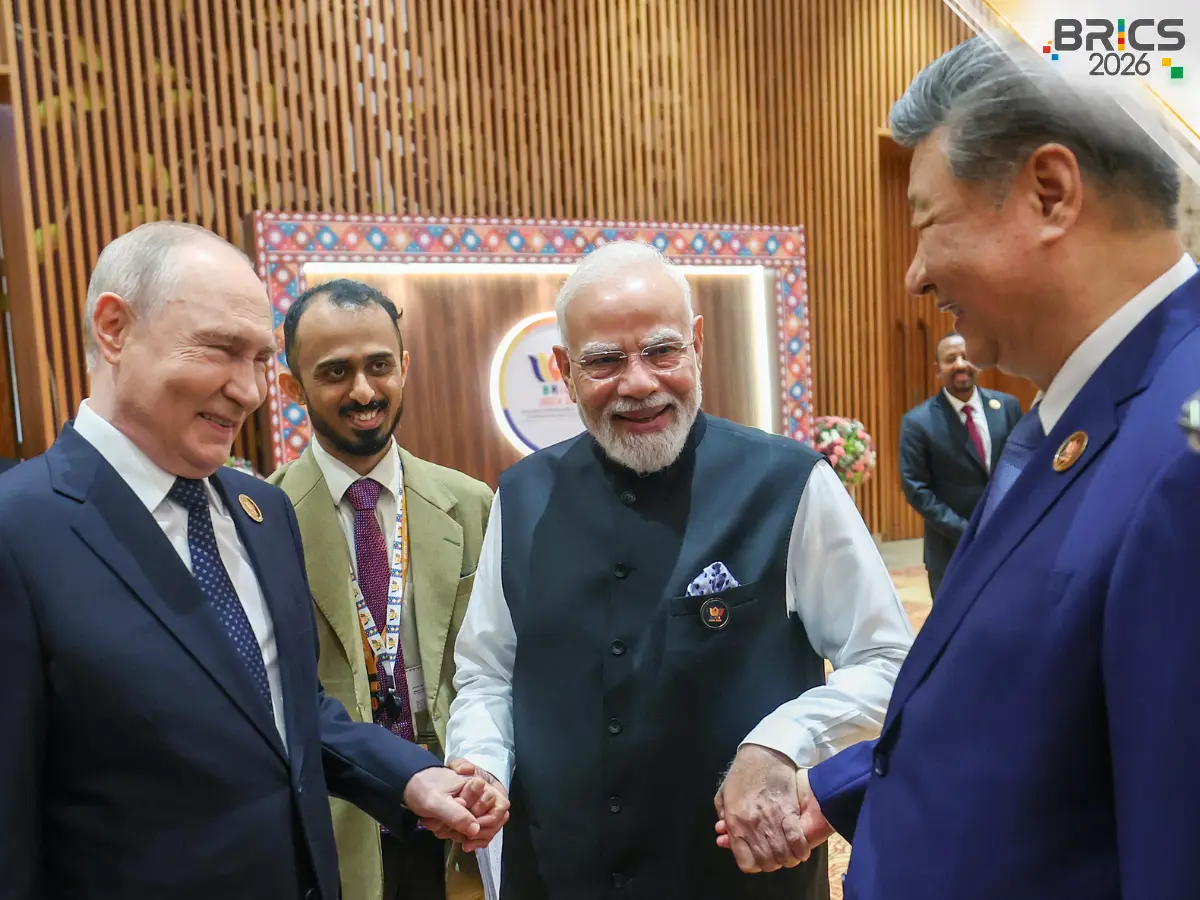)
PM Modi and China's Xi offered to help resolve Russia-Ukraine war: Kremlin
)
War is making Russia stronger? How Ukraine is shaping Moscow’s next generation of weapons
)
Could staying indoors all day affect your health?
)
Humans may lose control of AI: Anthropic CEO calls for slowdown, Altman, Musk back him
)
BRICS Summit 2026: PM Modi, Xi reach key consensus on ties, China to assume BRICS chairmanship in 2027
)
Bigg Boss 20: Qazi Touqeer gets a special ‘rockstar’ moment from Salman Khan
)
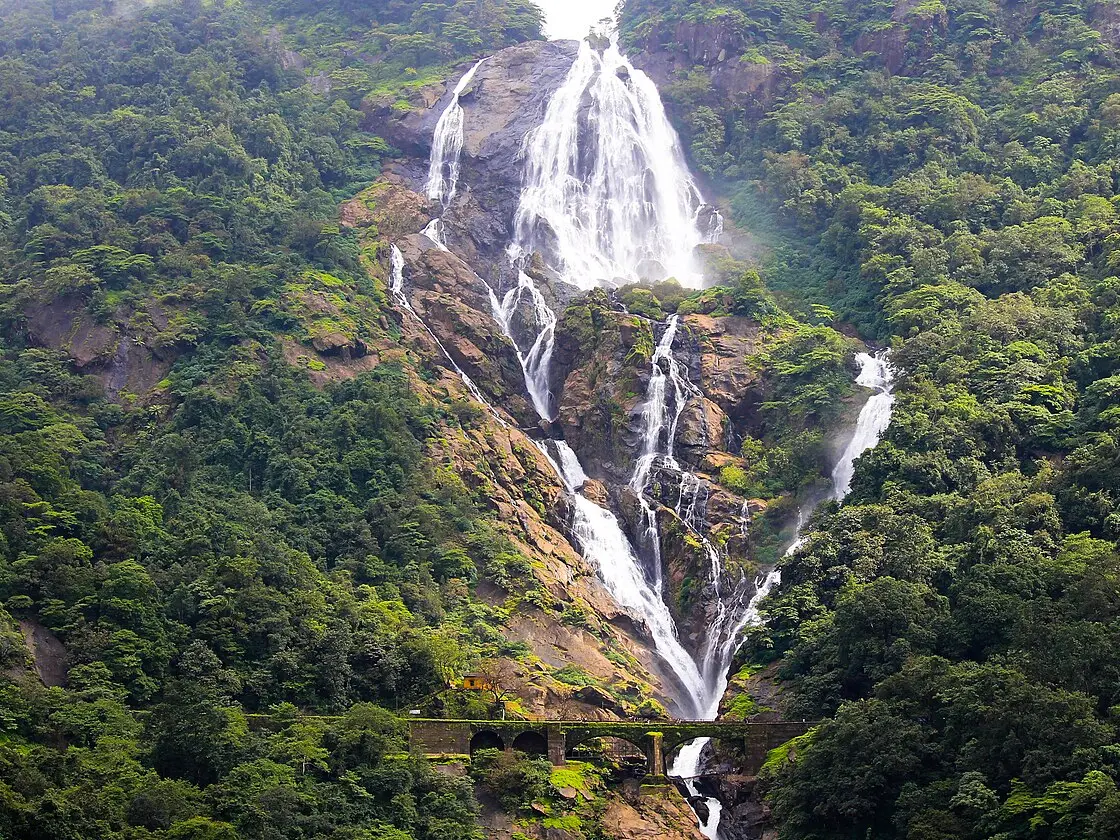
800 million years old - Scientists discover 'fingerprints' of supercontinent Gondwana in ancient rocks
)
Top 5 places to visit in Goa beyond its famous beaches
)
Osama Bin Laden ‘planned’ to target India, CIA reveals dozens of declassified documents
)
BRICS Summit 2026: PM Modi to hold bilateral with leaders of seven countries
)
BRICS Summit 2026: Consensus on joint declaration, diplomatic win for India
)
BRICS Summit 2026: Chinese president Xi Jinping departs from New Delhi after attending BRICS summit
)
'He is popular...': Malaysian PM Anwar Ibrahim's praise for PM Modi during bilateral meeting | WATCH
)
How does the loss of forests affect the way wildlife lives and moves?
)
Trump says Canada eager to reach a deal, it could come ‘fairly soon’ if Ottawa treats US farmers better
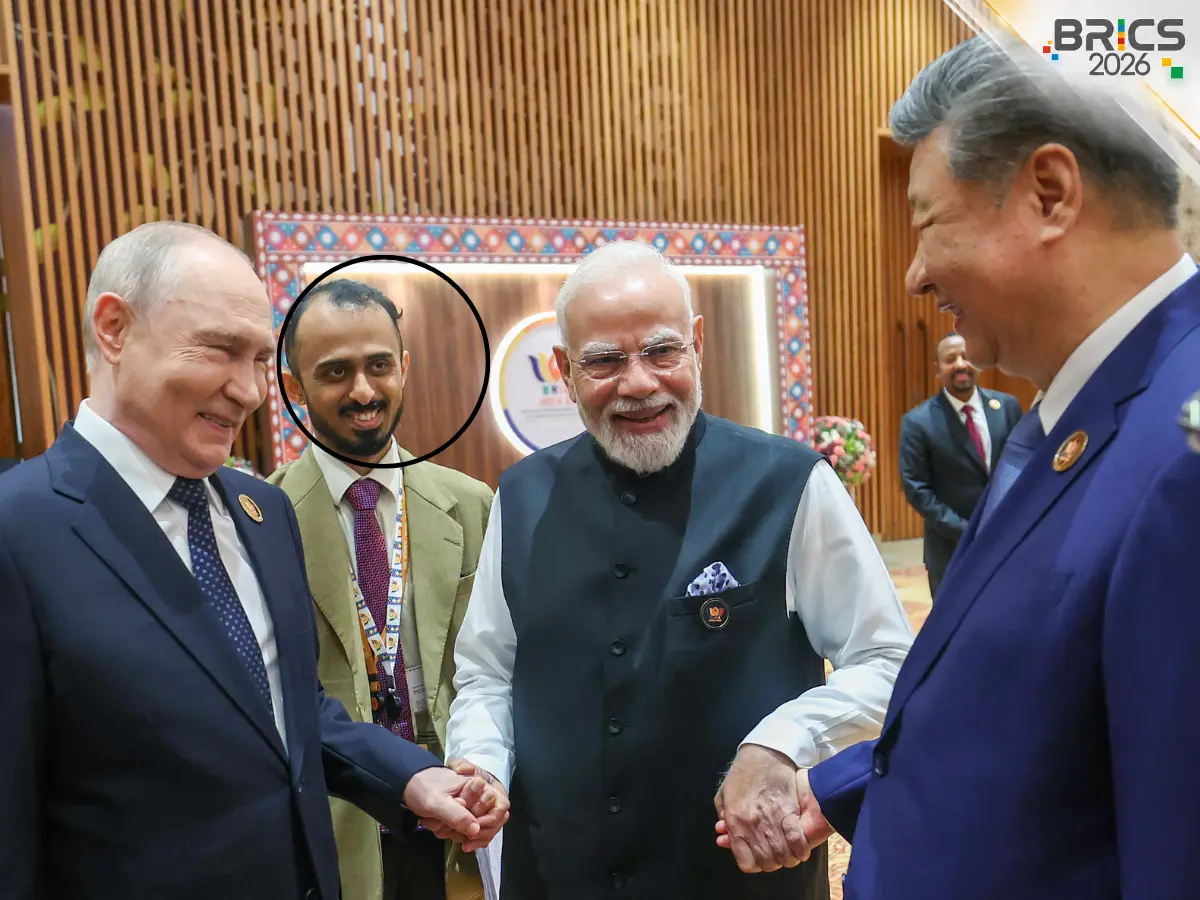)
Who is the smiling man beside Modi, Putin and Xi at BRICS Summit 2026?
)
Why does your skin need protection from UV rays?
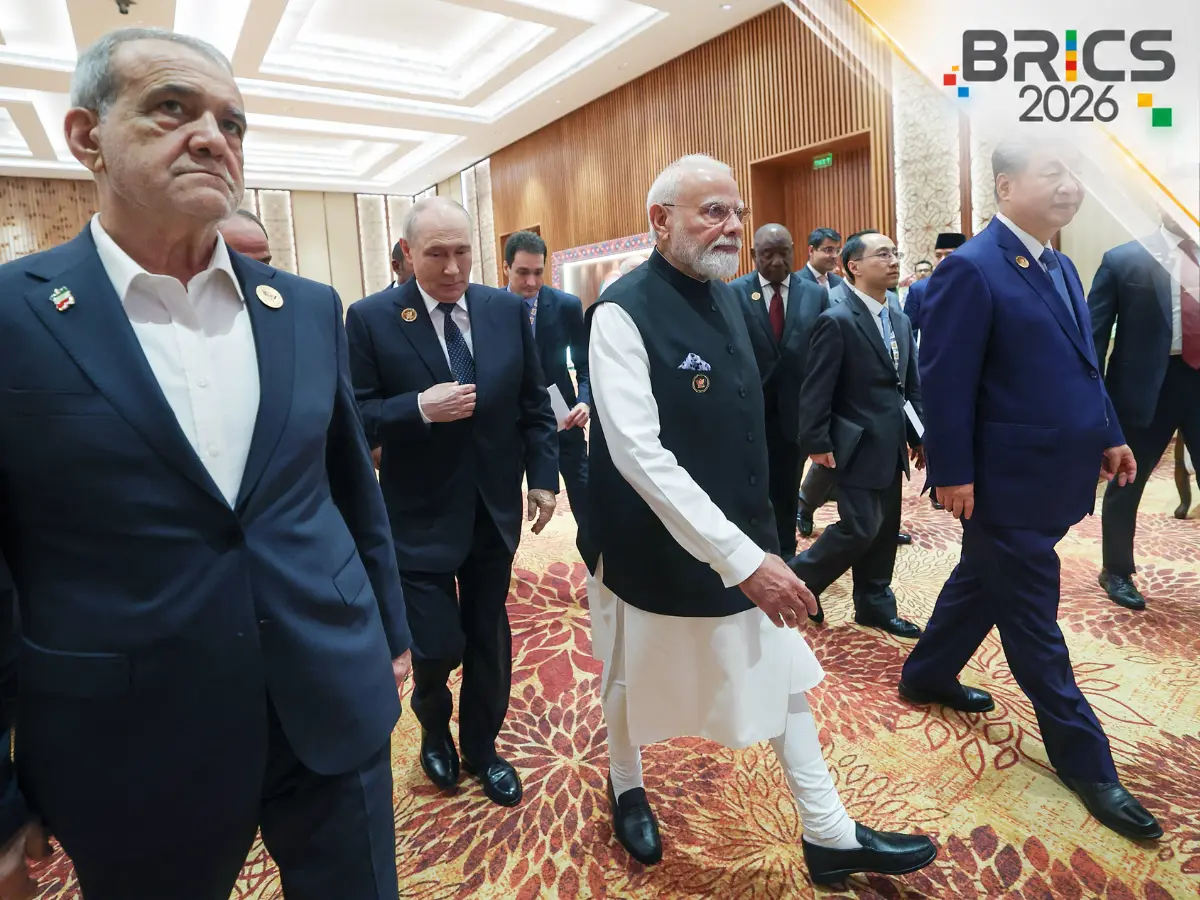)
'Iran won't surrender': Pezeshkian sends blunt message to US while attending BRICS Summit in India
&im=FitAndFill=(700,400))
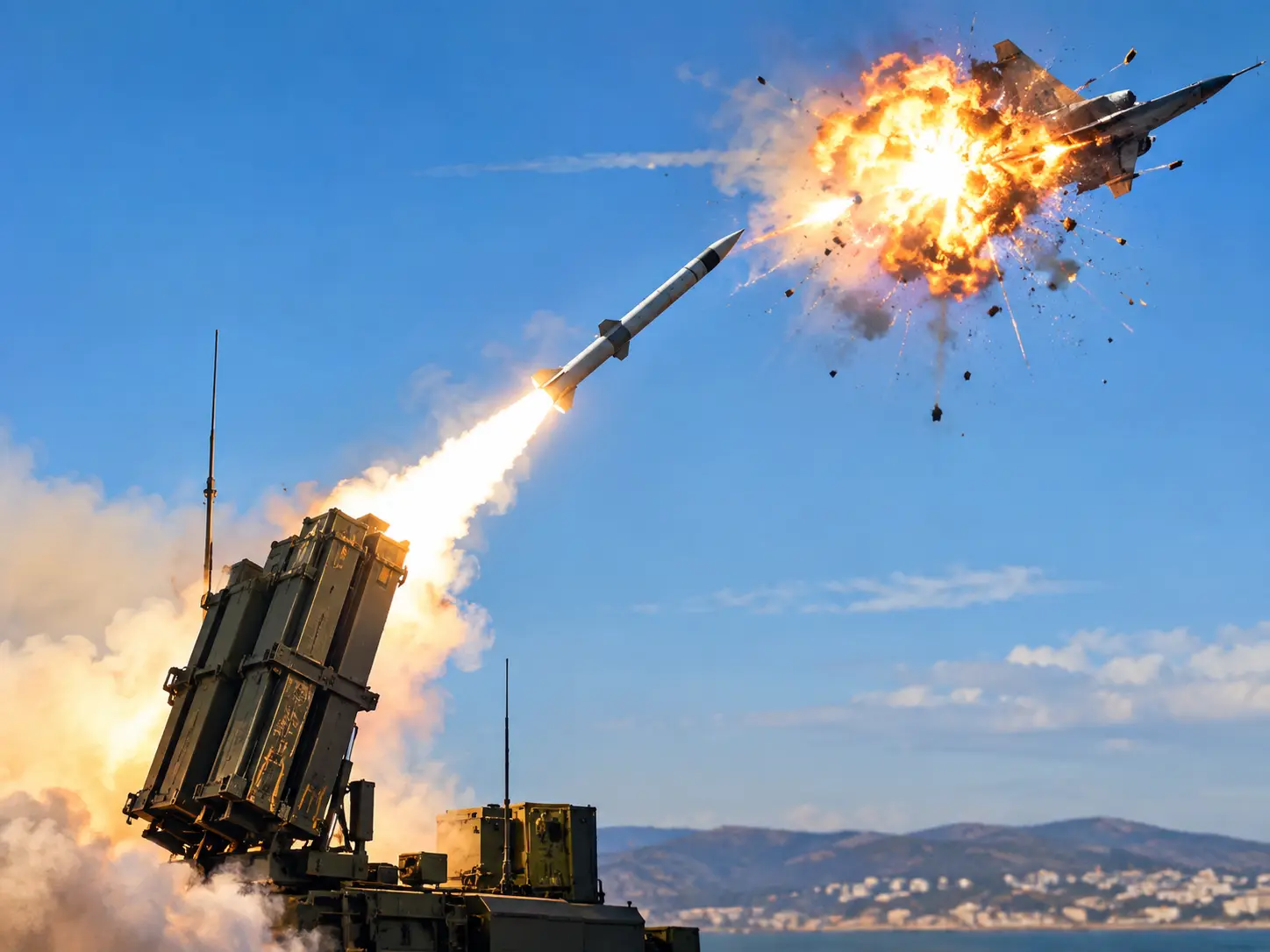
Why do air defence missiles explode near their target instead of hitting it?
&im=FitAndFill=(700,400))
Why Chinese PL-15 air-to-air missiles use dual-pulse motors compared to European interceptors
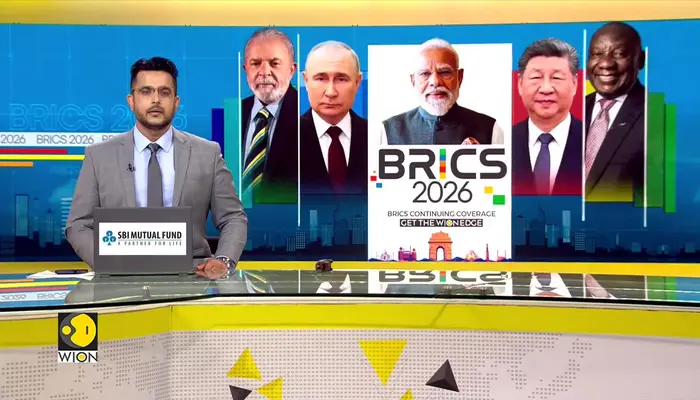)
Ramanathaswamy temple takes centre stage as PM Modi welcomes world leaders at BRICS
)
BRICS Summit day 1: New Delhi declaration adopted with full consensus, big diplomatic win for India
)
Why dehydration is the hidden cause of travel fatigue on long flights
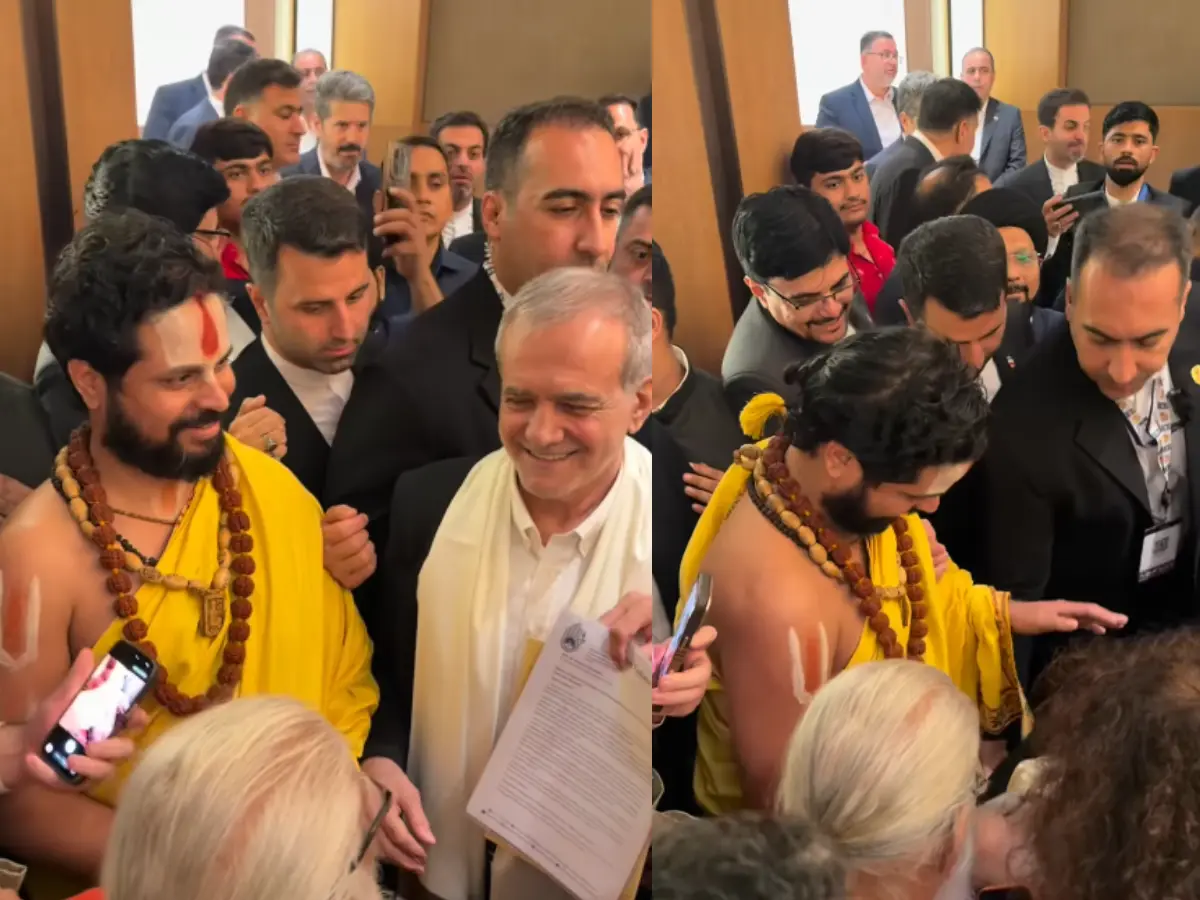)
Did Iran President Pezeshkian touch feet of Hindu spiritual leader at Delhi event as shown in viral video?
)
Celine Dion makes emotional stage comeback after six years: 'I'm so delighted to see you'
&im=FitAndFill=(700,400))
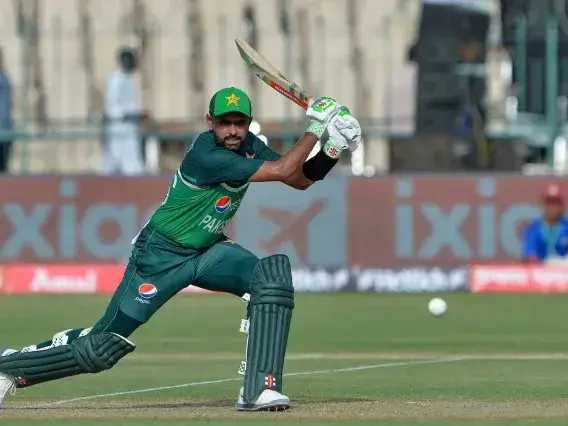
Meet top 5 batters fastest to 3000 runs in T20Is
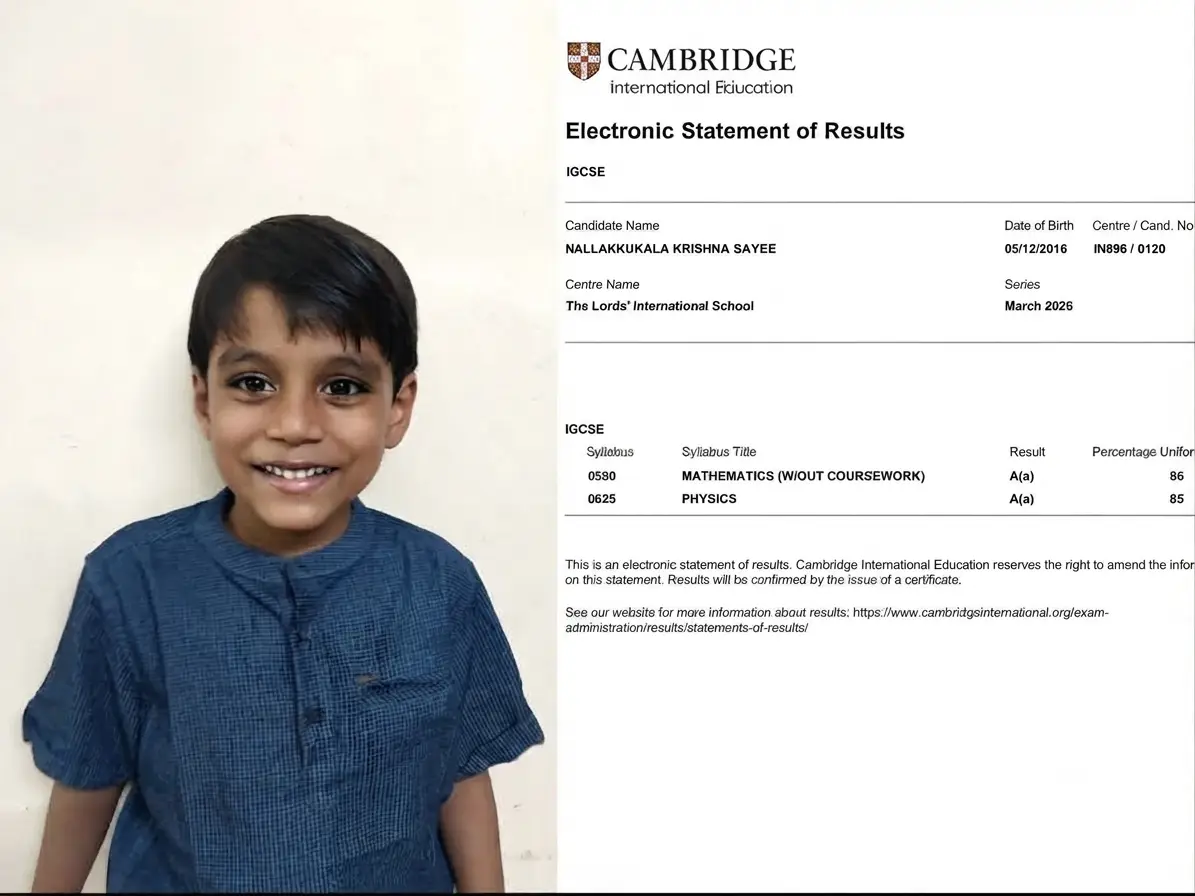)
9-year-old Chennai prodigy clears Cambridge IGCSE grade 10 exams
)
Why do wild animals need quiet places to survive?
)
‘Partners, not rivals’: Xi outlines four point plan for stronger India-China ties
)
Why does your body need time to adjust after a long journey?
)
From severe mobility problems to recovery: Madhuri the elephant’s journey of wildlife care
Watch:EU's growth plan for countries
Only those earning more than $5057 per month will be exposed to the income tax provisions, who account for a tiny fraction of the total workforce. The new government will assume the charge on December 10 and can very well reverse the changes to steer the nation out of the financial mess.
Some observers are seeing it as a political move, aimed at reclaiming lost electoral ground.
Free handouts
The Argentinean government is also planning to offer payouts to informal workers in October and November.
Two welfare checks of $268.60 each will be offered, funded by taxes imposed on banks and other major companies who the government believes have benefitted the most from a currency devaluation that followed the Aug 13 primary vote.
“We have made the decision to charge an extraordinary income tax to those sectors that were the biggest winners of the devaluation imposed by the International Monetary Fund,” he said while justifying the imposition of extra tax.
Burden on economy
All of these freebies will cost the government a whopping $5.7 billion, which will be largely financed with central bank money printing that will fuel future inflation.
The increased fiscal spending, along with the lost revenue due to the elimination of income tax, heightens risks to Argentina’s $44 billion programme with the International Monetary Fund after Massa had committed to austerity in August.
WATCH WION LIVE HERE