&imwidth=800&imheight=600&format=webp&quality=medium "Not just another talks venue: How Alaska, the site of Trump-Putin summit, showcases US military muscle, from missile defence to space force | LIST")
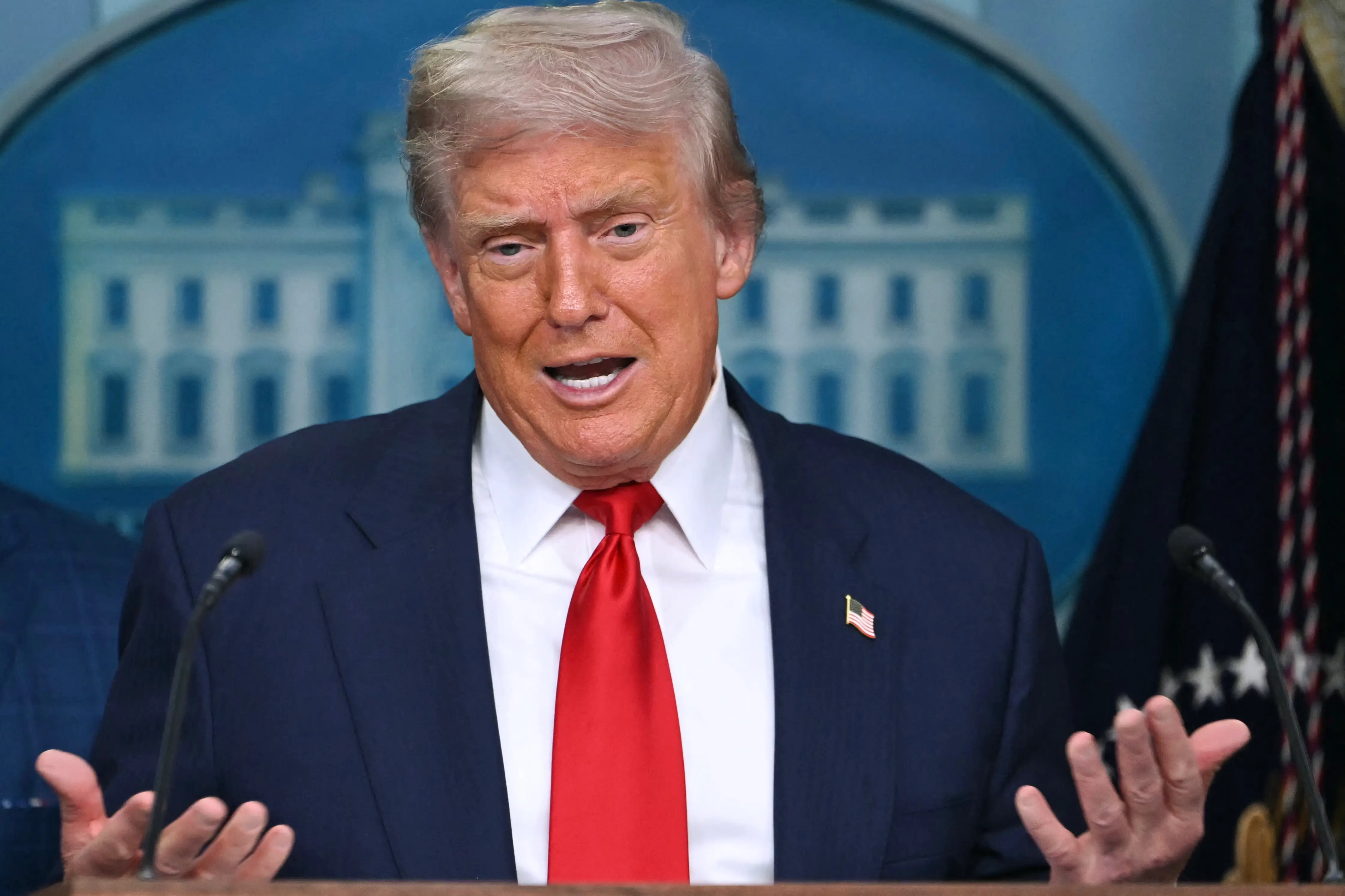
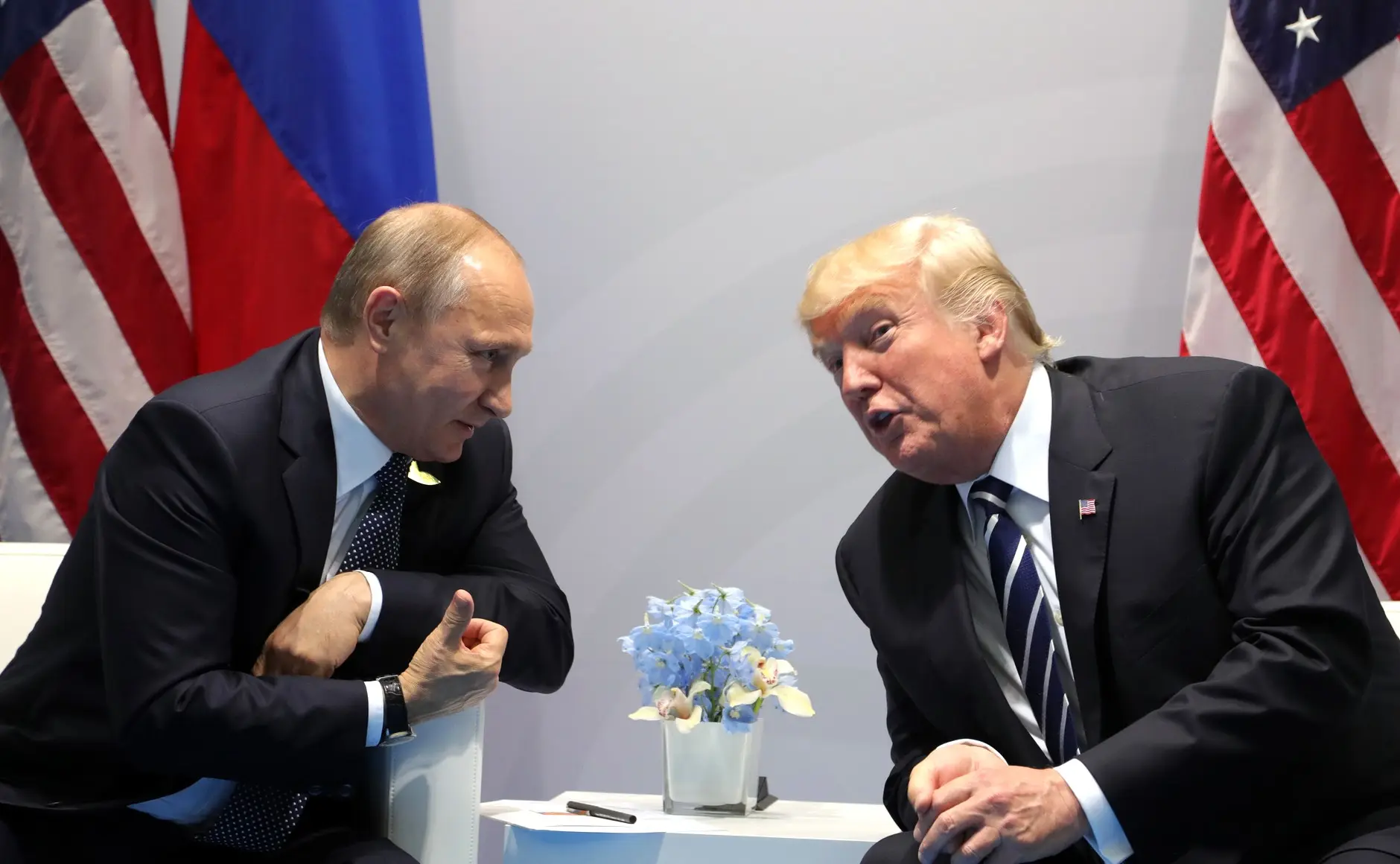
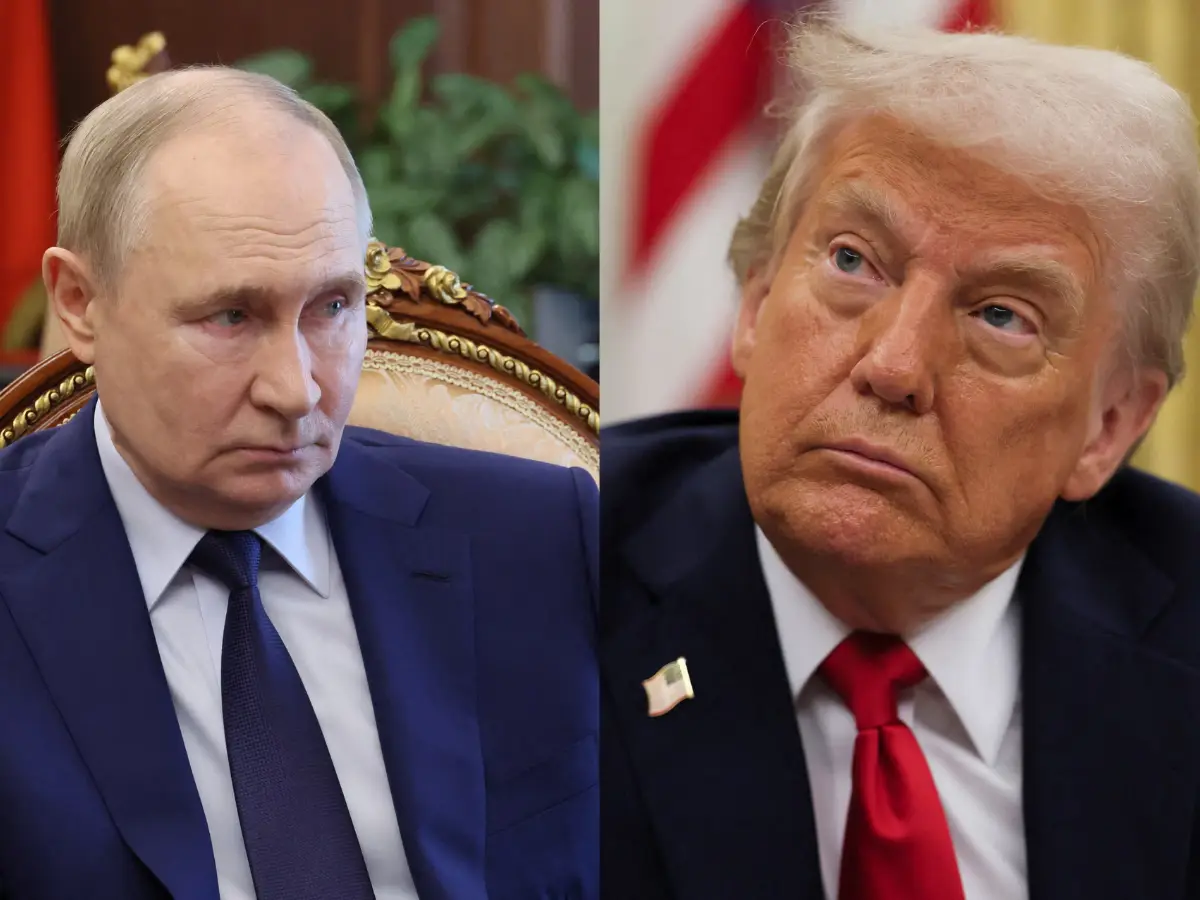
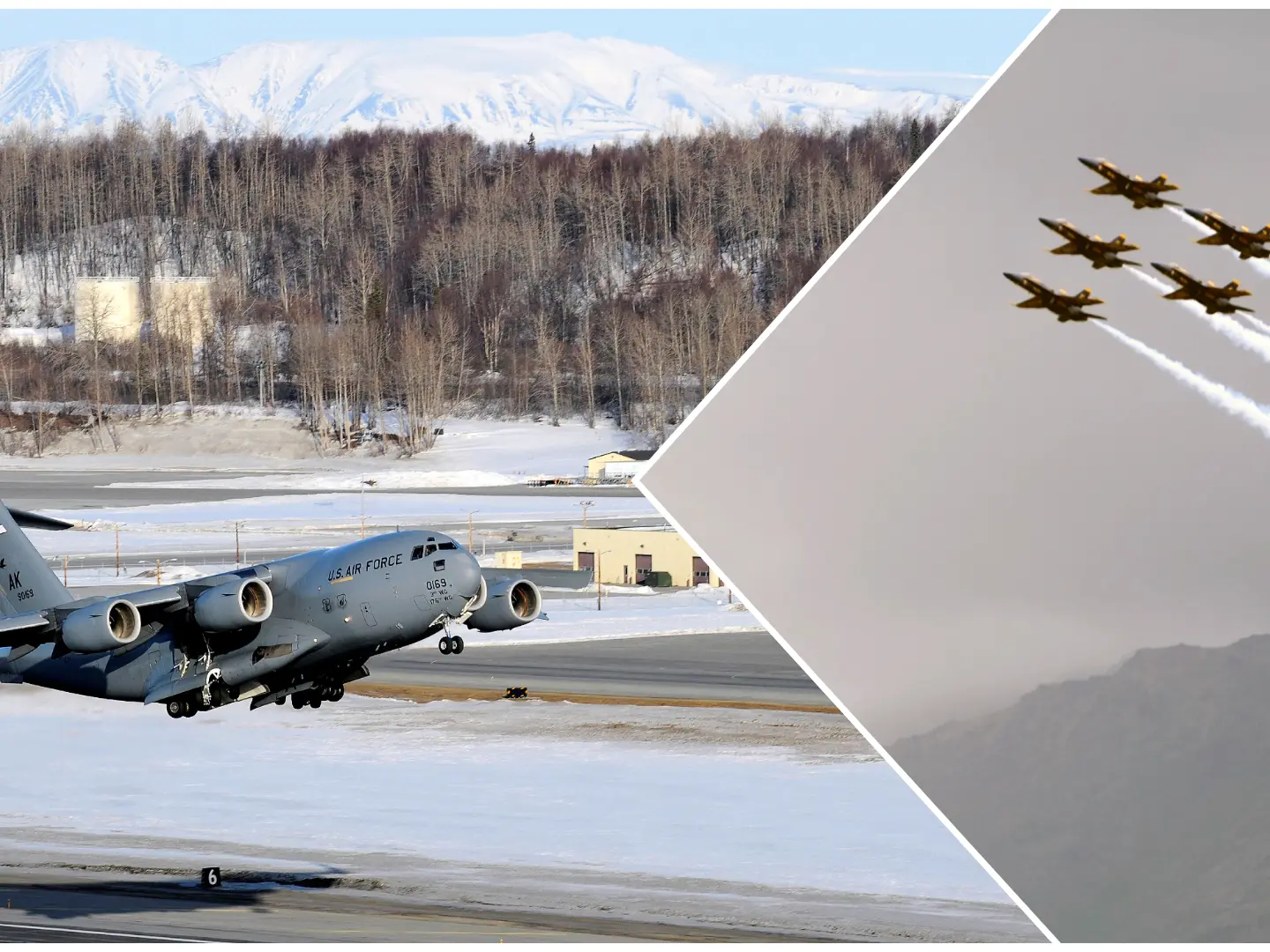
US President Donald Trump and Russian leader Vladimir Putin are scheduled to discuss a way out of the Ukraine war in Alaska on Friday (Aug 15). The choice of Alaska is significant, after intial speculation of Saudi Arabia and Rome as potential ventues. Alaska, once a remote Russian outpost, is currently a crucial aspect of US military strategy and showcases its dominance. It has several US bases, performing a vast range of operations from missile defence to air superiority to space monitoring. Alaska has a strategic location, being near both Asia and Russia. Located near the Arctic, it will also be a crucial theatre in the future competition for natural resources. Here is a breakdown of Alaska's military significance for the US.
Why Alaska is strategically important for the US
Alaska is close to both Asia and Russia, with its westernmost point just 55 miles from Russia’s Chukotka Peninsula. It is, therefore, a crucial point for the US to monitor Russian military activity.

As the US gateway to the Arctic, the state is emerging as a hub for new shipping routes, like the Northwest Passage. As the Arctic ice melts, more opportunities are arising for exploring natural wealth in Alaska, which also makes it an area of competition for oil, gas and critical minerals.
Alaska is a crucial component of American power projection in the Indo-Pacific, with bases like JBER and Eielson enabling rapid response to future potential conflicts with China and North Korea.
The air defence system in Fort Greely is a key aspect of US defence against ICBMs from adversaries like North Korea or China.
Bolstering the space force, Alaska's Clear Space Force Station enhances early warning capabilities.
Trending Stories
)
Why asking questions could be more important than memorising answers
)
Osama Bin Laden ‘planned’ to target India, CIA reveals dozens of declassified documents
)
'Iran won't surrender': Pezeshkian sends blunt message to US while attending BRICS Summit in India
)
BRICS Summit 2026: Global leaders of BRICS nations attend main open session
)
Celine Dion makes emotional stage comeback after six years: 'I'm so delighted to see you'
)
PM Modi and China's Xi offered to help resolve Russia-Ukraine war: Kremlin
)
Why dehydration is the hidden cause of travel fatigue on long flights
&im=FitAndFill=(700,400))
Meet top 5 batters fastest to 3000 runs in T20Is
)
Top 5 places to visit in Goa beyond its famous beaches
)
'He is popular...': Malaysian PM Anwar Ibrahim's praise for PM Modi during bilateral meeting | WATCH
)
BRICS Summit 2026: PM Modi, Xi reach key consensus on ties, China to assume BRICS chairmanship in 2027
)
BRICS Summit 2026: Consensus on joint declaration, diplomatic win for India
)
Trump says Canada eager to reach a deal, it could come ‘fairly soon’ if Ottawa treats US farmers better
)
‘Partners, not rivals’: Xi outlines four point plan for stronger India-China ties
&im=FitAndFill=(700,400))
Why Chinese PL-15 air-to-air missiles use dual-pulse motors compared to European interceptors
)
Could staying indoors all day affect your health?
)
BRICS Summit 2026: PM Modi addresses Day 2 of 18th BRICS summit
)
Who is the smiling man beside Modi, Putin and Xi at BRICS Summit 2026?
)
800 million years old - Scientists discover 'fingerprints' of supercontinent Gondwana in ancient rocks
)
Why going digital does not always mean becoming more efficient
&im=FitAndFill=(700,400))
Why do air defence missiles explode near their target instead of hitting it?
)
War is making Russia stronger? How Ukraine is shaping Moscow’s next generation of weapons
)
Migration protests return to Portsmouth as rival demonstrations face off
)
From severe mobility problems to recovery: Madhuri the elephant’s journey of wildlife care
)
BRICS Summit day 1: New Delhi declaration adopted with full consensus, big diplomatic win for India
)
Did Iran President Pezeshkian touch feet of Hindu spiritual leader at Delhi event as shown in viral video?
)
9-year-old Chennai prodigy clears Cambridge IGCSE grade 10 exams
)
Why does your body need time to adjust after a long journey?
)
BRICS Summit 2026: PM Modi to hold bilateral with leaders of seven countries
)
Ramanathaswamy temple takes centre stage as PM Modi welcomes world leaders at BRICS
)
Houthis launch cross-border strike on Saudi Arabia as Yemen war escalates
)
BRICS Summit 2026: Chinese president Xi Jinping departs from New Delhi after attending BRICS summit
)
Why does your skin need protection from UV rays?
)
How does the loss of forests affect the way wildlife lives and moves?
)
IND vs AFG, 1st T20I: When and where to watch live streaming in India?
)
Why do wild animals need quiet places to survive?
)
Bigg Boss 20: Qazi Touqeer gets a special ‘rockstar’ moment from Salman Khan
)
Humans may lose control of AI: Anthropic CEO calls for slowdown, Altman, Musk back him
Here are further details:
US military establishments in Alaska
Alaska hosts key military installations of the US, like the Joint Base Elmendorf-Richardson in Anchorage, which consists of Elmendorf Air Force Base and Fort Richardson. Together, they support the US air superiority, rapid deployment, and Arctic operations.
The Eielson Air Force Base is used for Arctic air operations and the Red Flag-Alaska exercises.
Fort Greely hosts the Ground-Based Midcourse Defence (GMD) system, which is a crucial defence against intercontinental ballistic missiles or ICBMs.
Alaska is also part of the US Space Force, with the Clear Space Force Station near Anderson conducting operations for missile warning, space domain awareness, tracking satellites and potential threats.
The US Coast Guard has several bases in Alaska, the largest at Kodiak, with smaller stations in Juneau, Sitka and Ketchikan. Kodiak base ensures maritime security in the Bering Sea and Arctic Ocean, which are critical for fisheries, trade, and for countering illegal activities. The Naval Special Warfare Cold Weather Detachment at Kodiak trains Navy SEALs for cold-weather operations.
The Fort Wainwright army base in Fairbanks is focused on the Arctic and rapid-response missions. The Eareckson Air Station in Shemya Island is a remote radar and intelligence-gathering outpost.
Alaska is a theatre of future Arctic competitions for oil, gas and critical minerals
The Arctic is increasingly getting militarised, as climate change has caused the melting of ice in the region. American bases in Alaska will play a crucial role in countering the growing Arctic ambitions of China and Russia. Russia’s Northern Fleet is a threat for the US, as is China’s polar investments in natural resources.
In view of the future power tussle, the US Army has specially trained the 11th Airborne Division for Arctic warfare.
Alaska is a hub of intelligence and surveillance, providing real-time data on missile launches, satellite activity, and future regional threats.
Alaska is also used for cold-weather training of soldiers, given its vast terrain and extreme climate.
Military history and development of Alaska
From around 1741 until 1867, Alaska was under Russian control. Known for its fur trade, securing trade routs was a main concern, for which the St Michael Fort was established.
The US acquired Alaska in 1867, after which its army established Fort Wrangell, Fort Kenay and other bases to maintain order and protect settlers.
During World War II, Alaska was a critical theatre. The Japanese invaded the Aleutian Islands of Attu and Kiska in 1942, making it the only North American territory occupied by the Axis forces. The US launched the Aleutian Campaign and recaptured the islands by 1943. The expansion of bases like Fort Richardson and Elmendorf Field and the building of Alaska Highway took place after this.
During the Cold War, Alaska was a frontline due to its proximity to the Soviet Union. The US set up radar stations and air bases to monitor Soviet activity.
Alaska hosted missile defence systems and nuclear weapons testing, like the since-cancelled Project Chariot and Amchitka Island tests.
After the end of Cold War in the 1990s, Alaska became a key frontline of US power projection in the Pacific, counterterrorism, and missile defence, hosting several joint exercises with allies.