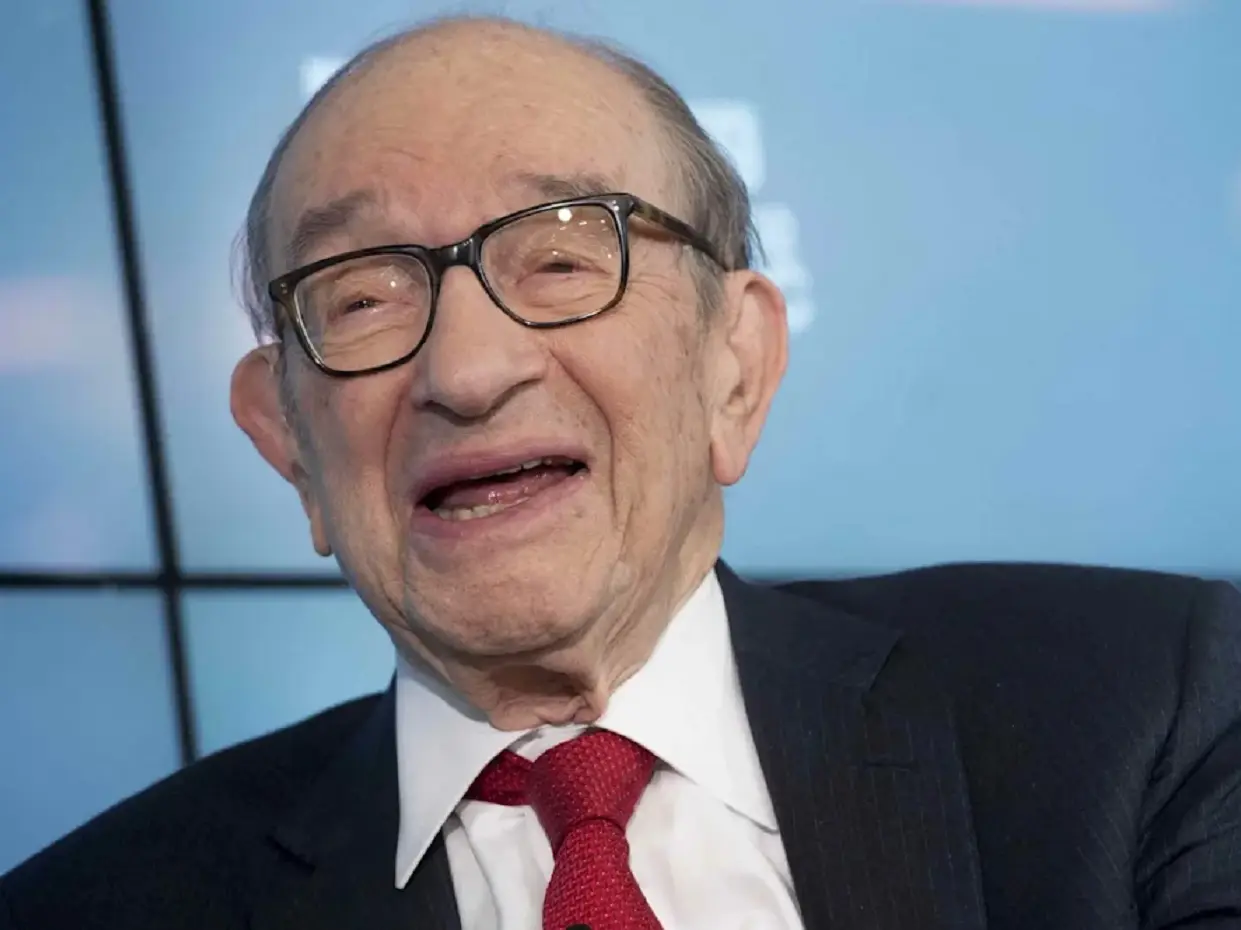
Alan Greenspan, architect of modern US economy and Fed chair under 4 presidents, dies at 100

&imwidth=600&imheight=450&format=webp&quality=medium "Alan Greenspan, architect of modern US economy and Fed chair under 4 presidents, dies at 100")
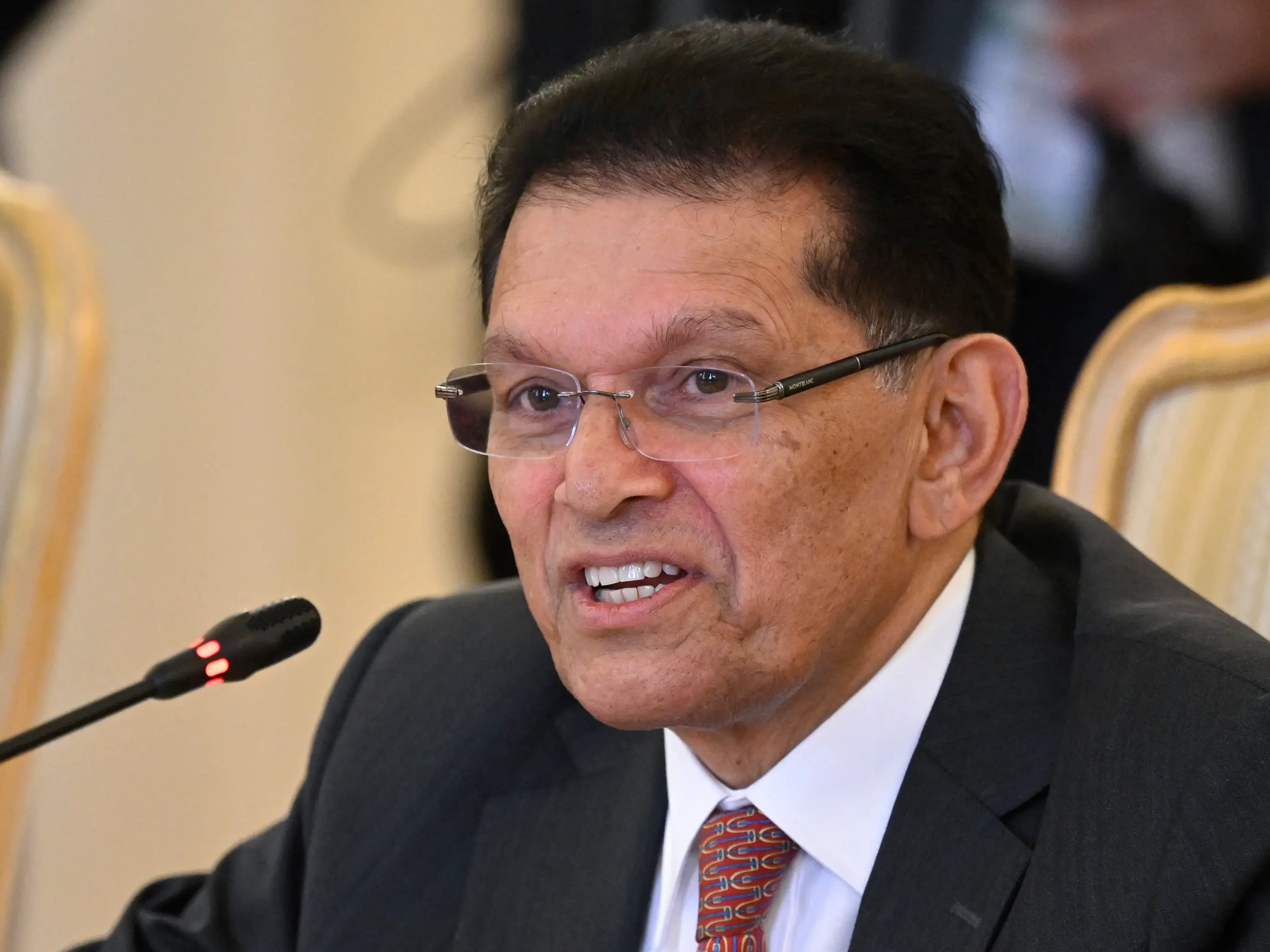
Alan Greenspan died at his home due to complications of Parkinson’s disease. Photograph: (AFP)
Alan Greenspan’s reign coincided with the so-called Great Moderation, a period of stability from the mid-1980s until 2007 that was marked by low inflation, stock market gains and strong economic growth. His tenure also witnessed crises, like the 1987 stock market crash and the dot-com burst.
Alan Greenspan, an economist who served as chairman of the Federal Reserve under four US presidents, died on Monday, his wife Andrea Mitchell said. He was 100. Greenspan died at his home due to complications of Parkinson’s disease, Mitchell said in a statement. As Federal Reserve chairman from 1987 to 2006, he presided over the longest sustained period of US economic growth in a generation.
Greenspan’s reign at the central bank coincided with the so-called Great Moderation, a period of stability from the mid-1980s until 2007 that was marked by low inflation, stock market gains and strong economic growth.
“His extraordinary 18 years as chairman left behind an enduring legacy, and his dedication to the institution, the field of economics and public service continues to inspire generations of central bankers,” John Williams, president and CEO of the Federal Reserve Bank of New York, said in a statement.
Greenspan’s tenure was also laced with several financial crises, including the 1987 stock market crash and the dot-com collapse in the early 2000s.
In 1996, Greenspan famously coined the phrase “irrational exuberance” to describe bubbles fuelled by unbridled investor optimism, alluding to that era’s craze for internet company stocks.
Trending Stories
)
)
&im=FitAndFill=(700,400))
)
)
)
)
&im=FitAndFill=(700,400))
)
)
)
)
&im=FitAndFill=(700,400))
)
)
)
)
)
)
)
)
&im=FitAndFill=(700,400))
)
)
&im=FitAndFill=(700,400))
)
)
)
)
)
&im=FitAndFill=(700,400))
)
)
)
)
&im=FitAndFill=(700,400))
)
)
)
Also Read: CRED founder Kunal Shah becomes global CEO of WhatsApp as Meta invests $900 million in startup
Greenspan’s legacy is also linked to the 2008 global financial crisis and the ensuing Great Recession, although the economic collapse occurred after he ended his final term as Fed chair in early 2006. Yet some critics pointed to his “loose money” policies in the preceding years as contributing to the subprime housing crisis that ultimately caused the greatest US economic collapse since the Great Depression.
However, Greenspan defended his decisions leading up to the Great Recession and said that he was a victim of “revisionist history” and that he had warned about subprime mortgages and other red flags brewing in the housing market.
As Fed chair, Greenspan also became known for offering often cryptic economic commentary that lawmakers, economists and investors found hard to interpret.
Greenspan was born in New York City on March 6, 1926, and exhibited mathematical talent as a child. He studied economics at New York University, where he eventually earned a bachelor’s, master’s and doctoral degree.
His first job was with the National Industrial Conference Board, after which he set up his economic consulting firm, Townsend-Greenspan & Co.
Later, he served as chairman of the President’s Council of Economic Advisers under President Gerald Ford and as a member of President Ronald Reagan’s Economic Policy Advisory Board.
Greenspan was appointed Fed chair in 1987 by President Reagan, a role he held under three other presidents: George HW Bush, Bill Clinton and George W Bush. He retired from the Federal Reserve Board in 2006.