A year of Soleimani killing: Protesters raise anti-US chants in Iran, Iraq, Syria


Killed last year
January 3, 2021, marked completion of one year of the assassination of top Iranian commander Qasem Soleimani who was killed in a US drone strike near Baghdad International airport in Iraq. Soleimani along with his Iraqi lieutenant Abu Mahdi al-Muhandis were among those killed in addition to other commanders.
Thousands of Iraqi mourners condemned the killing and raised anti-US chants near Baghdad airport. Similar protests were seen in Syria, Lebanon, Yemen and elsewhere. Thousands of black-clad mourners Saturday night converged at the spot near Baghdad's international airport where the US hit the two vehicles and killed Soleimani, Muhandis and eight other men. The drone strike was ordered last year by outgoing US President Donald Trump last year.
Qasem Soleimani was one of the most important military commanders responsible for rising Iranian influence in the region. His assassination was a huge blow to Iran's proxies and security apparatus.

The mourners gathered near Baghdad airport on Saturday night said they were honouring their "martyrs" and used strong words for the US. The site of Soleimani's assassination is still pockmarked by shrapnels.
"We tell America and the enemies of Islam that they can inflict the greatest sacrifices on us, but we will continue to resist despite the bloodshed," said Hashed supporter Batul Najjar.
)
‘Kill all in the name of...’: FBI arrests 21-year-old over alleged ISIS-inspired mass-casualty attack plot
)
Space mines, lasers & robotic arms: Lt Gen Pannu decodes US disclosure of weapons in space
)
Bitter Zelensky snubs Trump for playing politics with Ukraine war | Gravitas
)
Passengers scream as Iran flight suffers mid-air scare: Boeing 737 shakes violently after take-off | VIDEO
)
US fires up to 70 interceptors against Iran attack on Jordan, putting supplies under pressure
)
India’s imports from Russia jump 57% in five months; China remains top import source
)
‘US military task force aiding Saudi Arabia forces with intel, planning support’: Official
)
OpenAI boss Sam Altman repeats AI 'slow down' call, says world 'right to be afraid'
)
Top military commanders from US, Israel, and 7 Arab nations held secret meeting on Iran War
)
Sydney Sweeney defends provocative ad choice, the internet is still not impressed
)
'Definitely feel bad for yourself': Kuldeep Yadav opens up on India Test snubs
)
Ex-India all-rounder Yuvraj Singh wants India to avoid 'massive changes' before ODI World Cup 2027
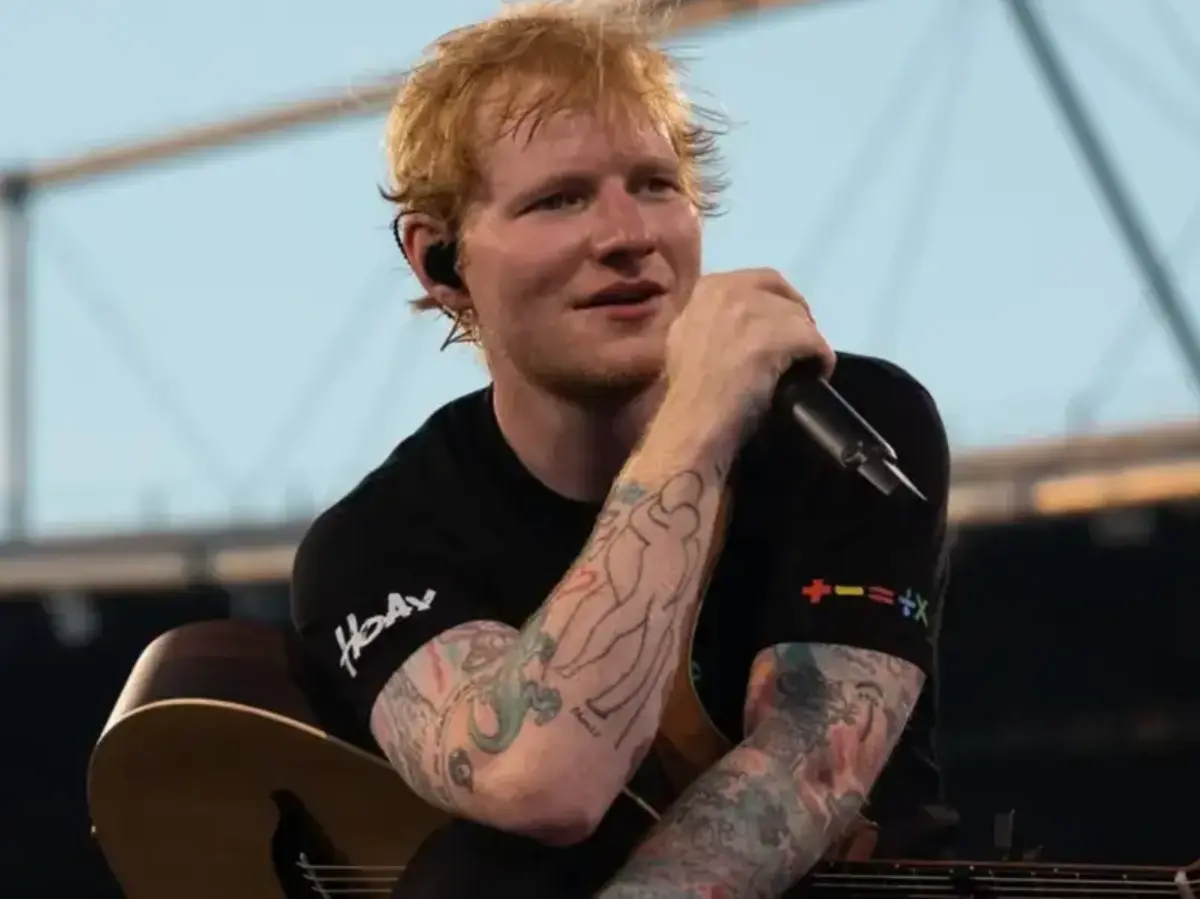)
Ed Sheeran’s US tour loses all support acts after Macklemore’s removal | Controversy explained
)
China's property crisis deepens as investment plunges nearly 20%
)
Messi set to play in farewell match on October 6 in Argentina vs Benin friendly
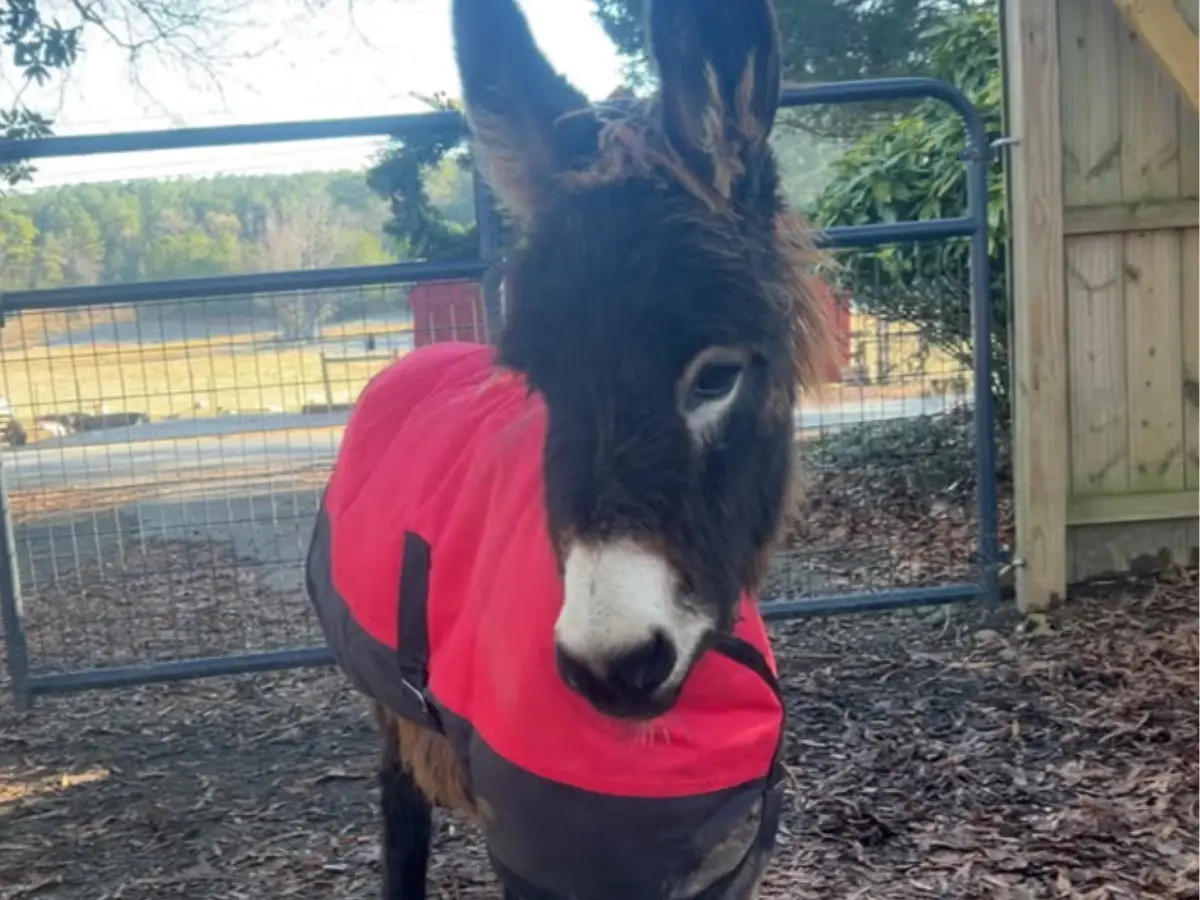)
2,200 people donate Rs 1.5 crore for 'docile' Georgia donkey 'HeeHaw' shot dead by police officer
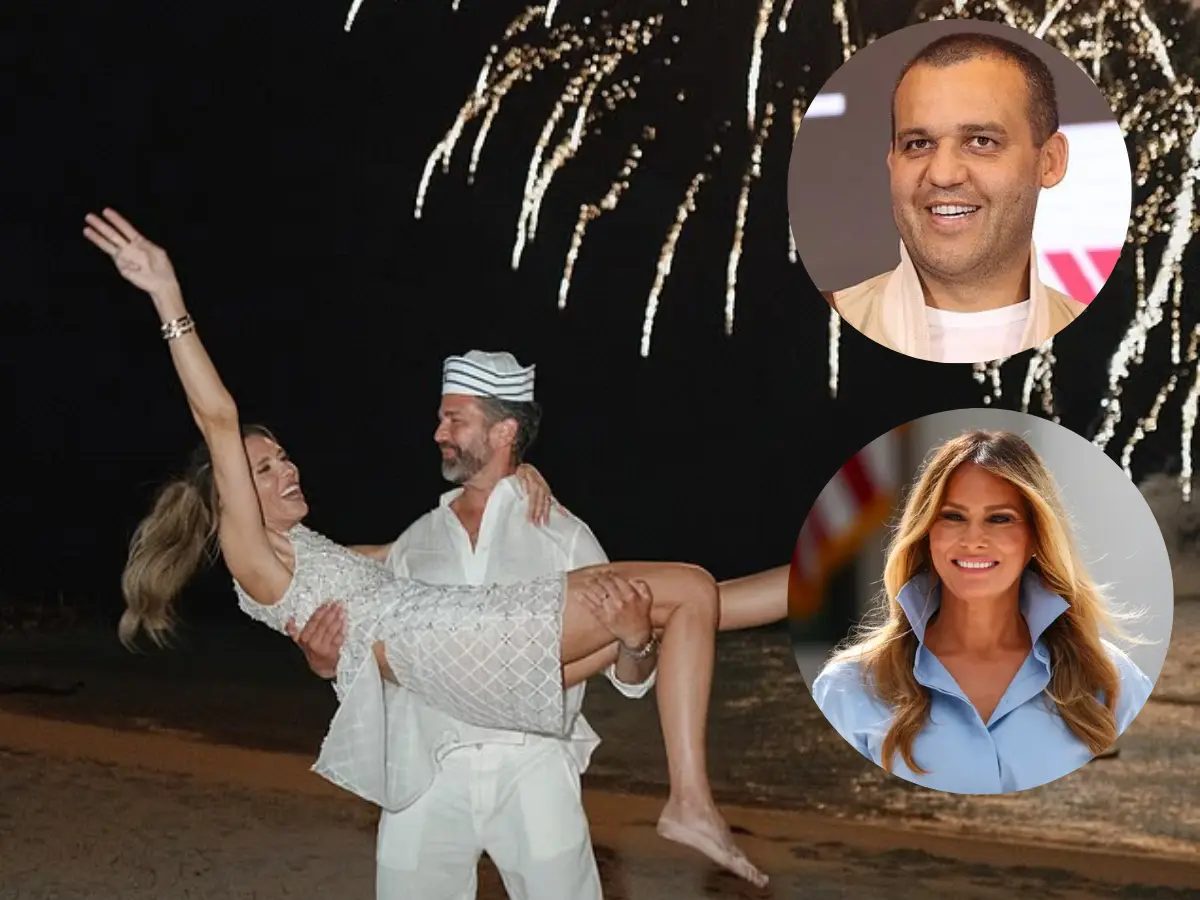)
Putin-linked Russian oligarch, Melania links: Why Trump skipped his son’s Bahamas wedding bash?
)
800 million years old - Scientists discover 'fingerprints' of supercontinent Gondwana in ancient rocks
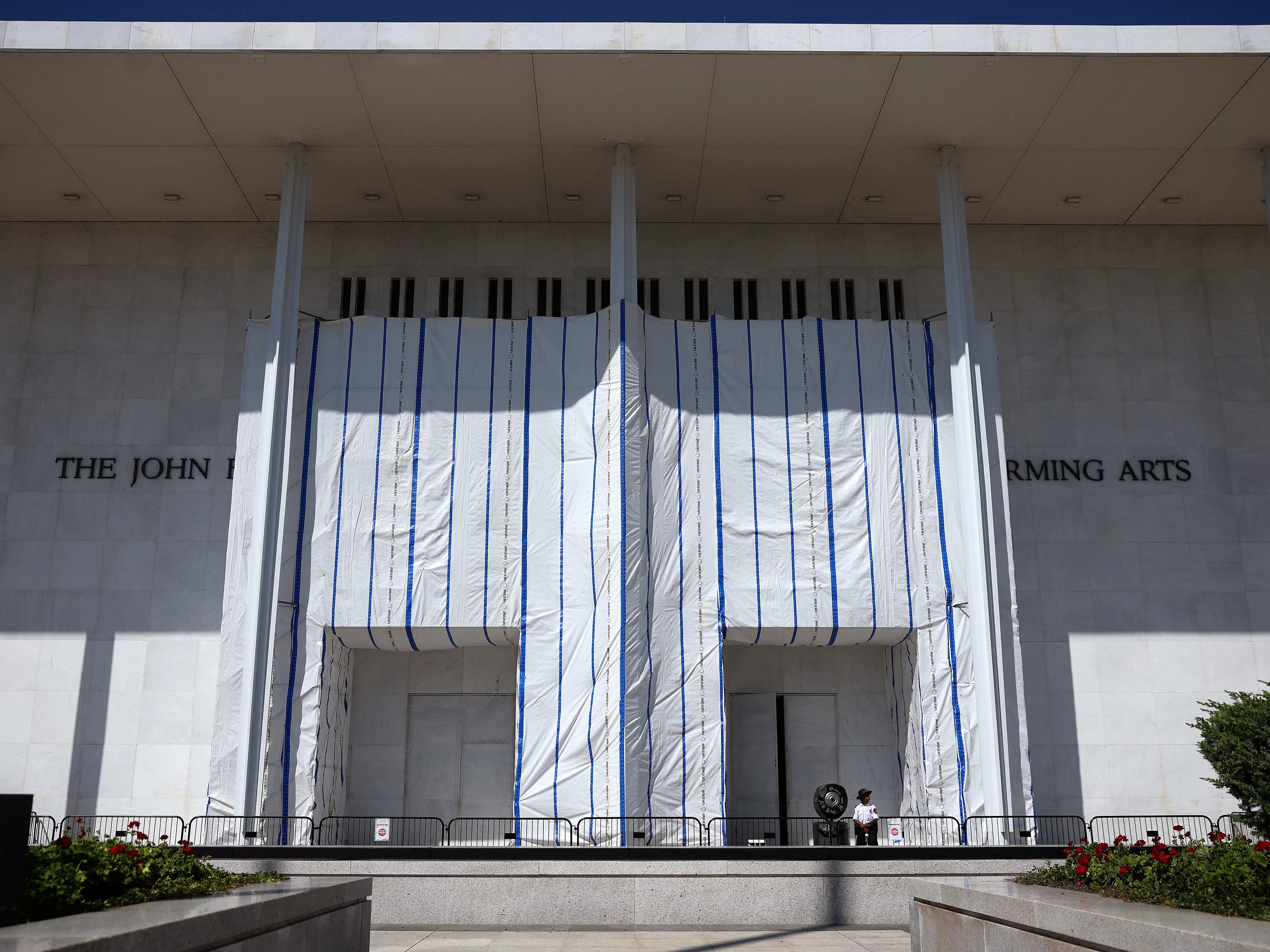)
Trump's name cannot return to Kennedy Center, US judge rules
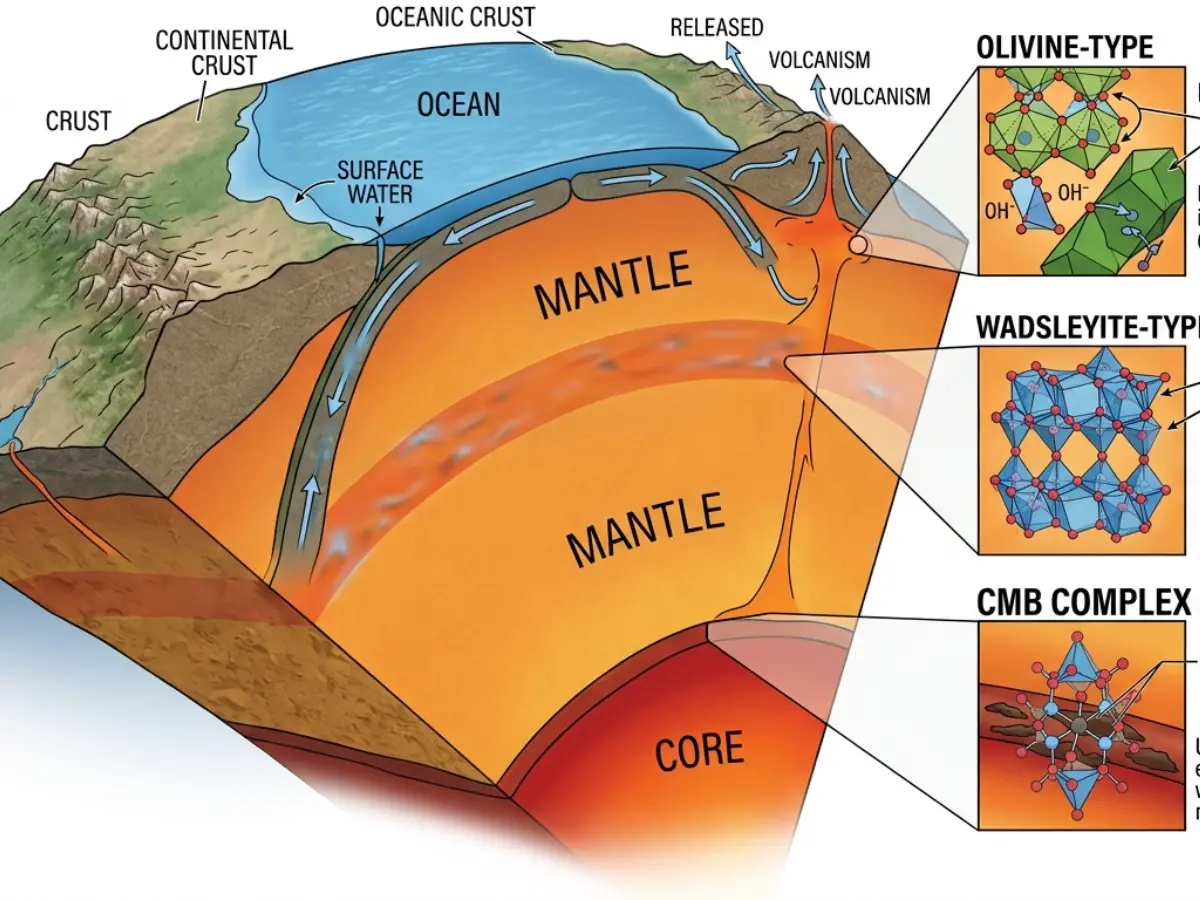)
Water equivalent to two Pacific Oceans could be stashed 2,900 km inside Earth
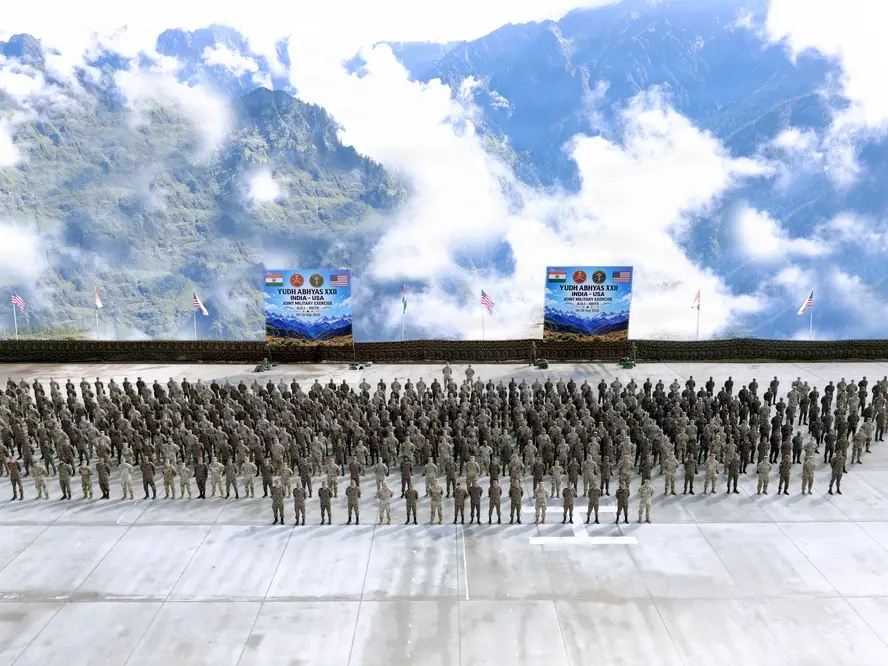)
1,200 Indian and US troops begin high-altitude and desert drills
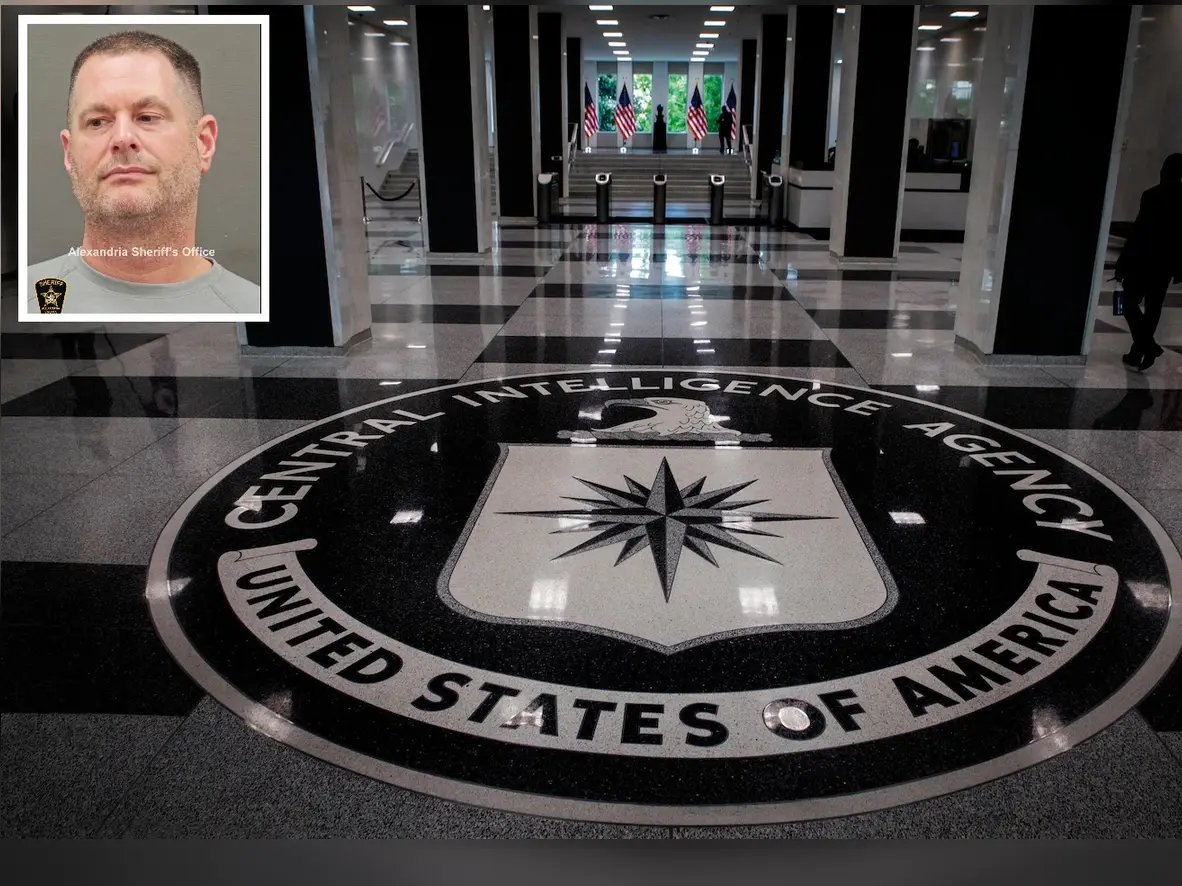)
Ex-CIA officer caught with gold bars worth $40 million seeks plea deal | Gravitas
&im=FitAndFill=(700,400))
New OTT releases this week (September 14-20, 2026): Lust Stories 3, Waiting Hai, Irumudi- 5 new titles coming on Netflix, Prime Video and more
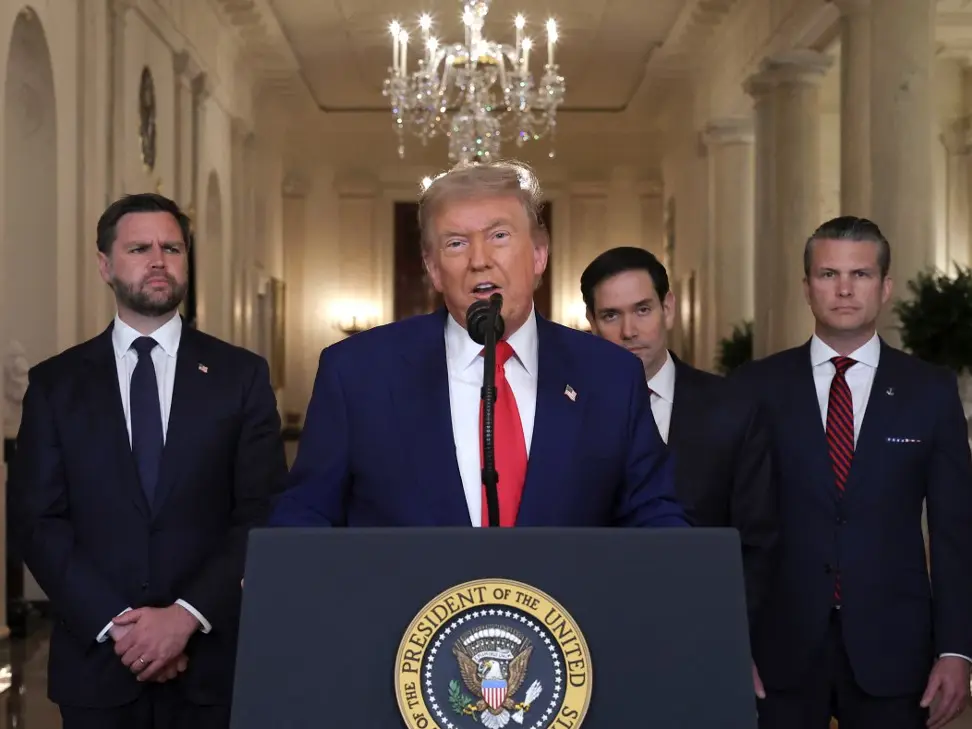)
Trump's Iran war faces fresh House rebuke; 7 Republicans join Democrats in push to end conflict ahead of midterms
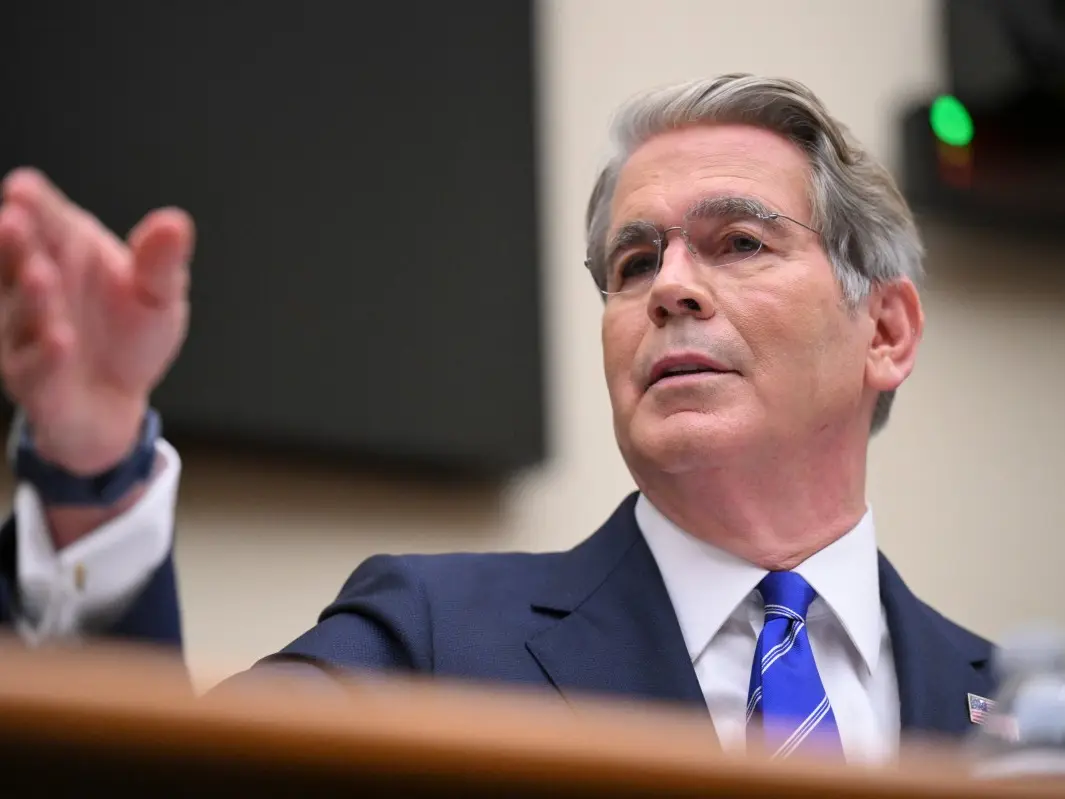)
US Treasury yields cross 5% as Scott Bessent warns of ‘global issues’ impacting bonds
)
Who is Kalyan Bainsla, accused in the Gurugram hit-and-run case involving woman biker?
)
Saudi Arabia discovers 110 million tonnes of Uranium-rich ore in Madinah region
)
'Now Trump is copying us': Shivakumar links US $5,000 plan to Congress guarantees
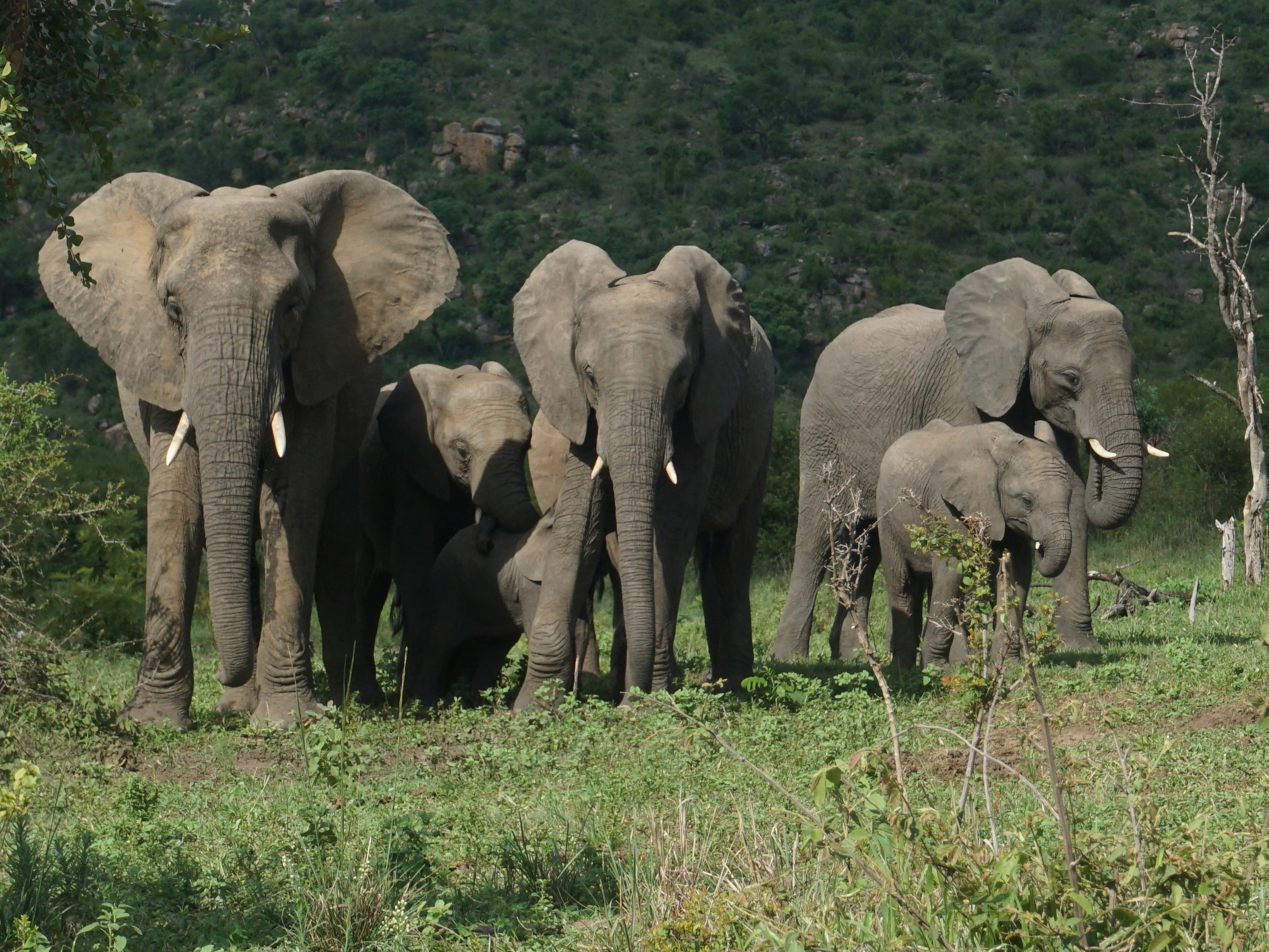)
Elephants hide behind trees, stage surprise attack on poachers targeting rhinos in South Africa
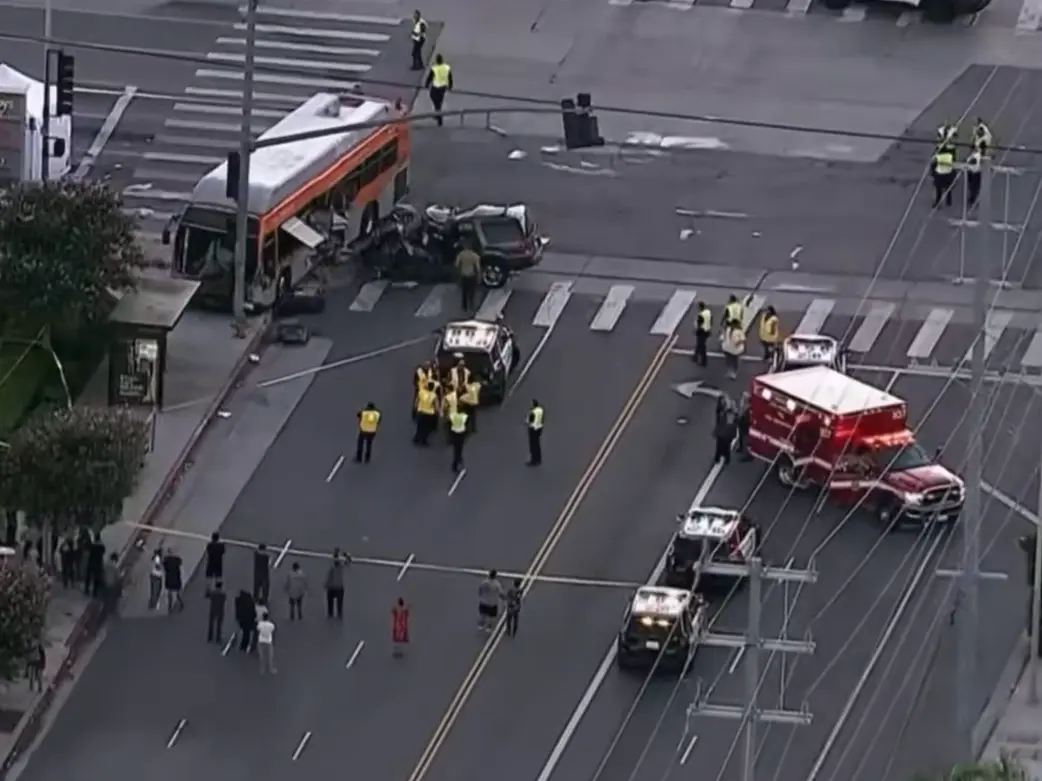)
Los Angeles helicopter crash: At least three dead, several injured; NTSB to investigate
)
West Bengal IPS officer Bushra Bano transferred after objections to ‘Assalamualaikum’, ‘Inshallah’
)
India summons top Pakistan diplomat after Pak Navy ship collides with Indian warship at high seas
)
Spanish officer sent home from NATO base over affair with 'Russian spy' | Gravitas
)
Saudi Arabia accuses Houthis of drone attack on Mecca, first-ever red alert in Islam's holiest site sparks panic
)
'Like a thug you are using agency to go after..': Kash Patel grilled by Senate Democrats over FBI firings, journalist investigations and hiring policy
The Hashed -- factions of which Washington has blamed for rocket strikes against its embassy and troops in Iraq -- has increasingly challenged Prime Minister Mustafa al-Kadhemi, whom it accuses of having helped plot the drone strikes.
Soleimani's killing led to skyrocketing of tension between Iran and US who have been at odds for the much of Trump's presidency. As the first death anniversary approached the tension began rising again.
With more mass gatherings planned Sunday at Baghdad's central Tahrir Square, Ahmed Assadi, one of the leaders of Hashed's parliamentary bloc, vowed: "Abu Mahdi al-Muhandis, we will go out by the millions to brandish your portrait on Tahrir".
In Pics | A year after Soleimani's killing: The operation, the method, and sanctions
Giant posters of Soleimani and Muhandis were hung up above the iconic square, which in late 2019 became the centre of large anti-government protests, from an abandoned building known as the Turkish restaurant.
Amid the tensions, Iraqis, and many in the wider region, are nervously watching for any signs of escalation before Trump leaves the White House on January 20.
Trump confronted decades-old foe Iran by withdrawing in 2018 from its nuclear deal with world powers and launching a "maximum pressure" campaign to further economically punish and isolate the country.
Trump recently tweeted that the US was hearing the "chatter of additional attacks against Americans in Iraq", and warned that "if one American is killed, I will hold Iran responsible. Think it over."
In recent days, US B-52 bombers have flown across the region for the second time in less than a month but, in what some read as a sign of de-escalation, Washington has also reportedly ordered its Nimitz aircraft carrier to leave the Gulf.
There was a lot of muscle-flexing from Iran's side as well as the anniversary drew nearer.
Iran's Revolutionary Guards chief Hossein Salami vowed on Saturday to respond to any "action the enemy takes", as he visited a strategic Gulf island.
Iran's Foreign Minister Javad Zarif even accused that Israel may try to provoke war by targetting US soldiers stationed in Iraq.
(With AFP inputs)