A medieval-style brutality and its geopolitical repercussions on West Asia

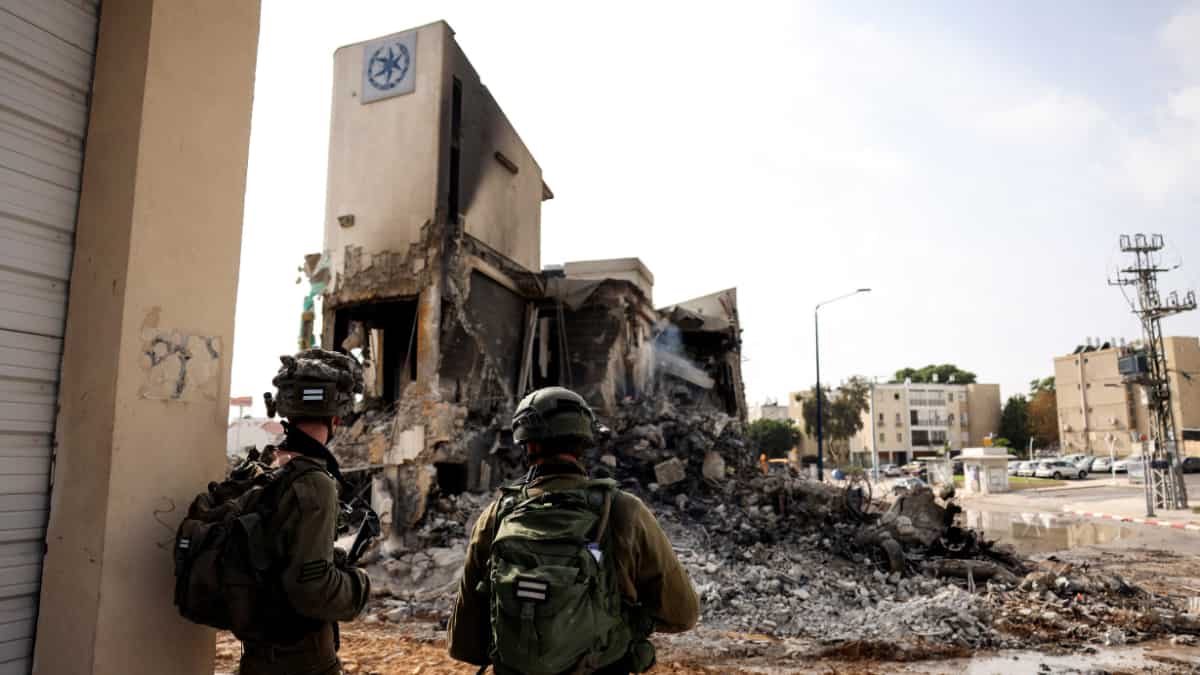
Israel soldiers
On October 7, 2023, the Palestinian Islamist group Hamas unleashed its most devastating attack on Israel in decades, and it will be marked as a tragic day in the Israeli-Palestinian conflict. An unanticipated attack was launched at dawn during the Jewish holiday of Simchat Torah in southern Israel. Hamas gunmen massacred and abducted hundreds of civilians and soldiers and launched thousands of rockets towards places as far afield as Jerusalem, triggering Israel to conduct massive retaliatory air strikes that killed dozens in the Gaza Strip. In Gaza, a high-rise tower was damaged by an Israeli retaliation attack. Mourners carried the bodies of recently killed terrorists through the streets, wrapped in green Hamas flags. People immediately stocked up on food, and most of the enclave ended up sinking into darkness due to a lack of electricity.
“We announce the start of Operation Al-Aqsa Flood, and we announce that the first strike, which targeted enemy positions, airports, and military fortifications, exceeded 5,000 missiles and shells,” Mohammed Deif, head of Hamas’ military wing, said in a recorded message. According to the Israeli military, the terrorists stormed into Israel by land, sea, and air in an attack, leading to some of the first engagements involving significant groups of Israeli and Arab soldiers on Israeli soil in decades. Following a temporary halt in rocket launches, Palestinian militants launched an evening onslaught on Israeli towns and cities in the country’s central heartland, setting off red alert sirens and sending thousands of Israelis running for safety. Israeli Prime Minister Benjamin Netanyahu announced the mobilisation of Israeli military reservists and said, "We are at war, and we will win it.”
Hamas was founded as a Sunni Islamic militant group during the first intifada (1987) to liberate Palestine and annihilate Israel to establish an Islamic state. Hamas has frequently engaged in multiple attacks and suicide bombings of varying intensity with the help of regional players on Israeli soldiers and civilians. The group has attacked Israel with short-range and medium-range missiles and demonstrated brutality by attacking civilians, which comes under ‘crime against humanity’. The present attack is unprecedented in death, destruction, and perhaps the worst security crisis in decades. Hamas militants launched a highly coordinated attack, hitting military bases and killing and taking hostage soldiers and civilians, which is similar to the 1973 Yom Kippur attack by Egypt and Syria due to its surprise assault. It seems Hamas planned and prepared themselves for months before this massive attack. Speculation of the involvement of an external player (regional or global) in the coordination and supply of weapons cannot be ruled out at this juncture after looking at the intensity and secrecy of the attack. The spokesman of Hamas, Ghazi Hamad, told BBC that Hamas has Iran’s support to conduct surprise attacks against Israel and “it’s a source of pride”.
A closer look at the incidents reflects Israel’s intelligence agency’s failure to detect a serious security threat. The former chief of Mossad (an Israeli Intelligence agency), Efraim Halevy, told CNN: “We had no warning of any kind, and it was a total surprise that the war broke out this morning.” It is too early to draw conclusions, but Israel’s lack of preparedness is visible in the first eight hours of the attack, which caused three-digit casualties to Israelis in one day, which has never happened since 1973.

Iran’s assistance in attacks has profound repercussions for the West Asian region. The tension may escalate rapidly, as Iran is the biggest regional threat to Israel in West Asia. Qatar, Kuwait, Syria and Lebanon’s Hezbollah also supported and praised the Hamas attack and blamed Israel for the current situation. Saudi Arabia, UAE, Oman, Egypt and Morocco expressed deep concern at the deteriorating situation and asked international communities and organisations to activate a credible peace process. The involvement of Iran reflects that the attacks may have their roots in ongoing Saudi-Israel peace negotiations. Iran has consistently opposed the normalisation of ties with Israel. Saudi Arabia, a leader of the Muslim world, advocates of Palestinians’ cause engaged in negotiation with Israel seems hard to digest by Iran. At the same time, Iran has an opportunity to demonstrate that it is the real leader of Muslim countries by sailing on the Palestinian cause. The geopolitical stakes of each country in the region are high, which may have an adverse effect on the region. It may affect the recent rapprochement deal between Riyadh and Tehran. Academicians and policy analysts from all over the globe anticipated a diminution in regional hostilities after China brokered the Saudi-Iran peace deal. However, the Hamas attack has surprised them all.
The break-in of Hezbollah on the second day gives a new turn in this attack. Tensions are escalating on the Israel-Lebanon border, where Hezbollah launched multiple rockets at Israel-occupied Shebaa Farms. In a written statement, Hezbollah said the attack targeted three sites, including a "radar site" in the Shebaa Farms, a piece of land controlled by Israel since 1967 that Lebanon claims as its own. Israel Defence Forces(IDF) retaliated by attacking Hezbollah posts in Lebanon. The possibilities of further escalation and multi-front war are highly anticipated, which may bring International players to the court.
After this Medieval-styled brutal attack by Hamas, Palestinians may not be seen again as helpless victims and may have everlasting effects in West Asia. The talk on the two-state solution or co-existence of Jews and Palestine may die forever. The war of existence between the Jews and Palestine may be fought according to famous tribal Arab rule: either kill or get killed. In this scenario, the Israel-Palestine war of existence may end with one population staying and the other leaving.
(Disclaimer: The views of the writer do not represent the views of WION or ZMCL. Nor does WION or ZMCL endorse the views of the writer.)
)
US vs China over South China Sea: Washington backs Philippines, Beijing hits back
)
Election Commission on 'damage control' : What do nine new decisions mean?
)
UK police arrest several under explosives act near air base used by US forces
)
‘Anti-social elements spreading false rumours’: LPU issues statement amid massive unrest over alleged rape
)
LPU students go on rampage, vandalise campus amid widespread protest: What's happening
)
OpenAI AI Agents hacked 4 websites before Hugging Face, researchers reveal
)
US Treasury Secretary Scott Bessent hails global crackdown on Iranian banks and airlines
&im=FitAndFill=(700,400))
New Friday OTT releases (September 25, 2026): Don’t Be Shy, Hunkkaar: The Roar, Mango Pachcha- 6 movies and TV shows on Netflix, Prime Video and more
)
Asian Games 2026: India face Afghanistan in quarterfinal on Sep 28; Pakistan clash with Hong Kong
)
‘Attack on Mecca a red line for Pakistan’: Shehbaz Sharif warns Houthis at UN
)
WATCH | Delhi minister Parvesh Verma slaps man during road inspection – Here’s what happened
)
'Countries far from conflict are penalised': Jaishankar calls for Gulf peace, seafarer safety at UN
)
Bigg Boss 20: Salman Khan schools Rhiti Tiwari over Qazi Touqeer clash, compares her to Dolly Bindra
)
Gunmen kill 27 in two separate mass shootings in South Africa
&im=FitAndFill=(700,400))
Humanoid robots to virtual worlds! Korean sci-fi dramas to watch: Are You Human Too?, Memories of the Alhambra and more
)
IND vs WI 1st ODI: Naman Dhir debuts as India bowl first in Trivandrum; check playing XIs
)
Nations League: Spain sink England at Wembley; Modric shines for Croatia
)
Two men die of suspected chemical exposure inside public toilet in Mumbai
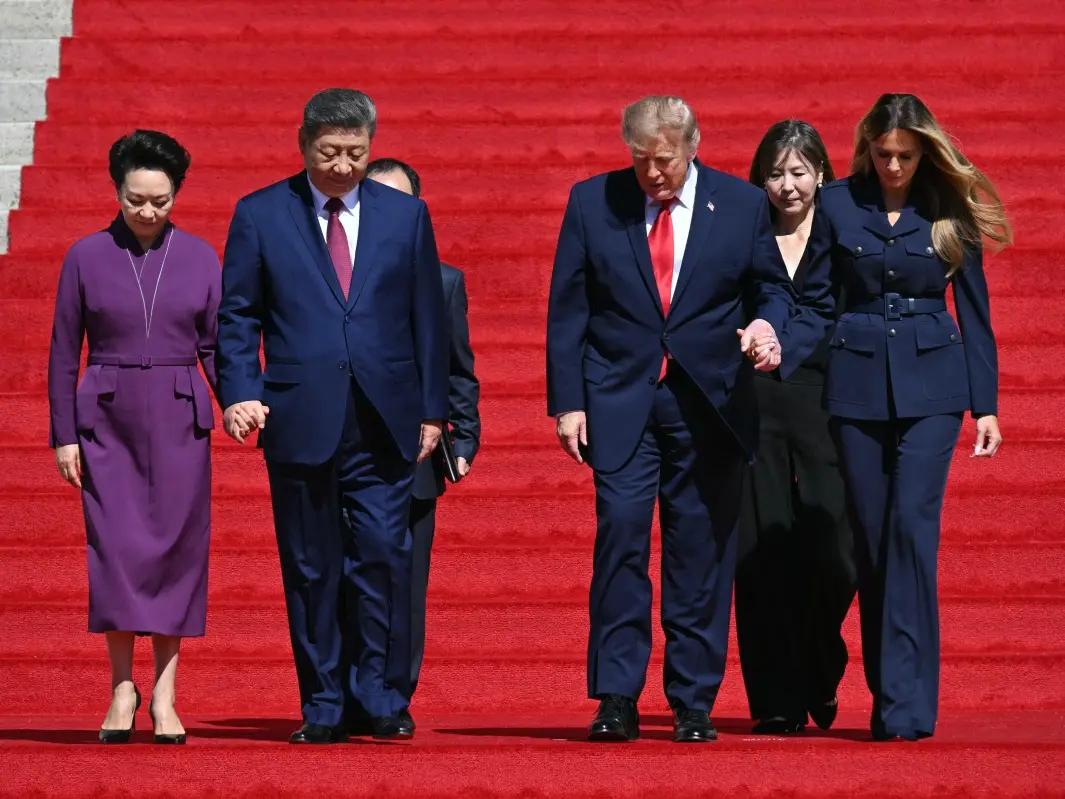)
Trump-Xi summit wrap: Big pageantry, Iran talks, few major developments and more meetings planned
)
‘Could kill billions...’: Bill Gates backs calls to slow AI development amid fears of catastrophe
)
Bollywood x K-pop crossover! LE SSERAFIM’s Kazuha charms fans with Shah Rukh Khan’s ‘Chammak Challo’ steps
)
US-Iran war: Trump rejects Iran's Hormuz proposal, reports suggest talks expected next week
)
Jaishankar at UNGA: Goodwill and friendship can't coexist with terrorism
)
Sri Lankan Tamil migrant worker gets death sentence in Saudi Arabia, help sought from India
)
'FIRST LOOK from inside Noah’s Ark': Researchers share video from inside mysterious mound in Turkey
)
UNSC reform momentum grows: Russia, Portugal, Mauritius push for India's permanent seat bid
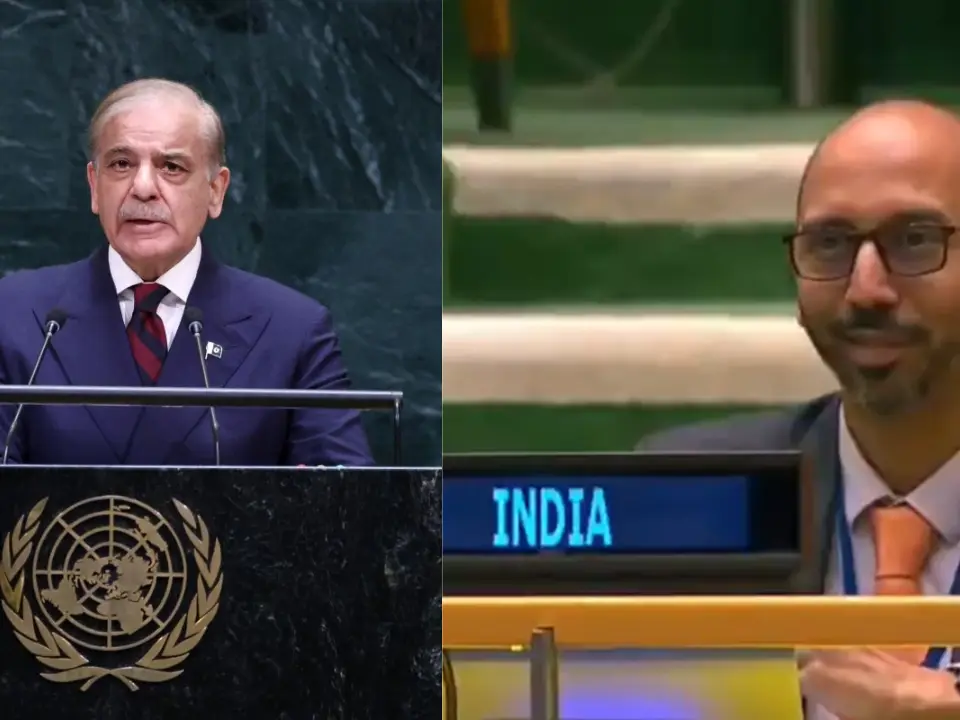)
WATCH | As Shehbaz Sharif claims Pakistan’s ‘victory’ during 2025 conflict, Indian diplomat R Srinivas laughs at UN
)
Ceuta migrant crisis: Protesters take to streets as Spain grapples with migrant challenge
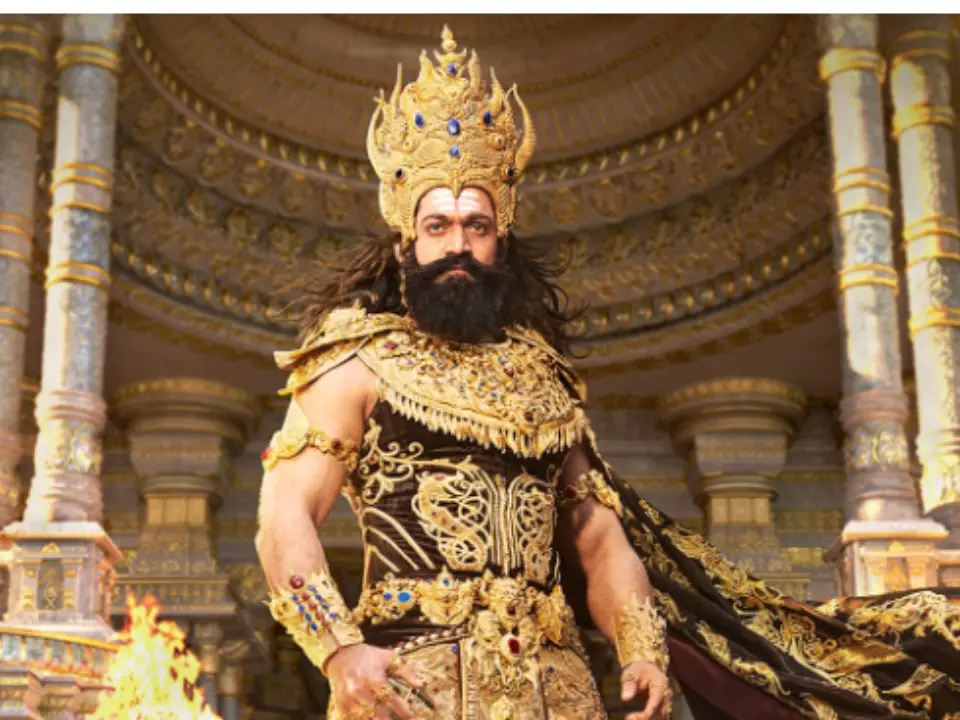)
Ramayana: Yash’s Ravana gets first official poster from Nitesh Tiwari’s epic
)
'A terrorist country is asking me that question?': Jaishankar hits back at Pakistani journalist at UN; flags attacks on commercial shipping
)
Russia will achieve Ukraine war aims; Europe doing everything to block peace talks: Lavrov at UN
WATCH WION LIVE HERE
You can now write for wionews.com and be a part of the community. Share your stories and opinions with us here.