60 years of India-China war: It won’t be a cakewalk for the aggressor again


India fortifies after Galwan clash
It’s the 60th anniversary of the 1962 Indo-China War today. Itwas on October 20th in 1962 that China's People's Liberation Army invaded India and inflicted major casualties on the ill-prepared, ill-equipped Indian Army and occupied 14,500 square miles of territory in Aksai Chin.The situation was so grave that Prime Minister Jawaharlal Nehru was compelled to ask US President John F Kennedy for immediate American military aid.
China had chosen an opportune time for the invasion, which it never admits and rather still claims to be a ‘counterattack’, since the Cuban Missile Crisis was brewing around the same time, and the threat of a nuclear Armageddon hogged all global attention and overshadowed everything else.
The battle left deep scars on the Indian military and political class as India’s Fourth Division — famous for its contributions in World War II in North Africa and Italy — was overpowered in a matter of days by the PLA riding on superior firepower, logistics and leadership.
On November 19, 1962, Nehru wrote to Kennedy describing India's “struggle for survival” and a need for “comprehensive assistance if the Chinese are to be prevented from taking over the whole of Eastern India”.
The war ended 24 hours later, with Mao Zedong declaring a unilateral ceasefire and pulling his troops back to a position he had determined earlier. Mao thus unilaterally imposed the border offer he had made to Nehru before the war in November 1959.
ALSO READ |India-China standoff: New Delhi, Beijing begin disengagement process in Ladakh
The brief war is seen as an embarrassment by the present Indian leadership and public riding on a wave of economic growth and nationalism. It was also a watershed moment in India’s foreign and security policies and marked a transition from the Nehruvian era to a more muscular and realist nation on the international stage.
Nehru had been seeking a cooperative relationship with China, and the now-ridiculed slogan “Hindi-Chini Bhai Bhai,” had become a cornerstone of the bilateral relationship.
The embarrassing denouement also established that defence and military power should have been priorities for Delhi and that moralpolitik was impractical and had precipitated the crisis.
Even 36 years later, in 1998, the war found mention in the letter of then PM A B Vajpayee to US President Bill Clinton, when he cited it to justify acquisition of nuclear arms by pointing to “an overt nuclear weapon state on our borders, a state which committed armed aggression against India in 1962.”
Officially, China still calls its massive attack on India as a “self-defence counterattack” . A book ‘One Hundred Questions on the China-India Border Self-Defence Counterattack’ compiled by Chinese military researchers mentions that on December 3, 1962, less than two weeks after the unilateral ceasefire, the PLA’s General Staff department issued a telegram to all troops on “The Question of Naming the Operation Against the Invading Indian Army,” which stipulated that the war would only be referred to as the “China-India Border Self-Defence Counterattack”.
ALSO READ |Indian Army inducts swarm drones: How it will impact balance with China along LAC
The Indian Army is celebrating 60 years of the Battle of Walong, a shining example of unparalleled bravery, guts and sacrifice by the soldiers who fought the Chinese onslaught in 1962. Indian soldiers gave a bloody nose to the Chinese in the 'Battle of Walong'. The bravehearts held back the Chinese troops for 27 days, forcing the Chinese generals to deploy theirreserve division from Tawang to Walong.
Outnumbered and with little ammunition and no resource of any kind, the valiant troops continued to hold their ground in a classic example of fighting till the last man, last round. The Indian Army is holding a month-long celebration to honour the saga of valour and sacrifice that will continue to inspire the coming generations.
However, much water has flown in the Ganga since and India now doesn’t hesitate in challenging China.

The June 15, 2020 clash in Galwan Valley between Indian and Chinese troops in a hand combat gave the latter a sense of the invigorated response they would have to deal with before daring to do something again.
China had timed the east Ladakh border skirmish once again, when the Covid pandemic was creating havoc and fingers were being pointed at the researches at the Wuhan lab, to divert world’s attention from any culpability.
The economic counteroffensive by the Indian government banning around 280 Chinese apps saying they have been “engaging in activities that are prejudicial to sovereignty and integrity of India, defence of India, security of state and public order” proved the non-military clout it wields now.
ALSO READ |Russian fighter jet 'released missile' near British aircraft over Black Sea
Indian regulators also took control of the local bank accounts of Chinese leading smartphone maker Xiaomi, for breaching local foreign-currency exchange laws.
)
Justice eludes Air India 1985 bombing victims as Canada probe goes 'inactive' | Gravitas
)
Trump revives India-Middle East-Europe economic corridor as India emerges central to West Asia’s future: What is it?
)
Erdogan again raises Kashmir issue at UNGA, calls for dialogue under UN Charter
)
Trump signs Greenland security deal with Denmark, paving way for two new US military bases
)
IND vs JPN T20I: How an overturned wide became point of difference between India's win and a tie
)
Trump-Xi summit: From trade to Taiwan, what will the US and Chinese presidents discuss in Washington?
)
Cyclone Arnab: Landfall expected before midnight tomorrow as IMD issues orange alerts across six states
)
ICC plans T20I expansion and fewer ODIs in 2027–2031 FTP cycle: Report
)
US-China tech war: Businesses in the front line
)
'Mumma’s boy from Gwalior who dared to dream': Kartik Aaryan pens long note after first National Award win
)
Gravitas | Boosting NHS productivity could save 20,600 lives in UK annually: Report
)
Nor'easter could batter 13 US states this week. What you should know
)
US and China vie for AI dominance as calls grow for regulation | Gravitas
)
Yemen clashes kill 154 people in two days as cornered Saudi battles Houthi offensive | Gravitas
)
Bomb scare in New York amid UNGA: Suspicious suitcase found near UN headquarters
)
IND vs JPN, one-off T20I: Japan captain Kendel on pushing India to the brink - ‘It was special’
)
Mikel Arteta verbally agrees to three-year extension with Arsenal after title-winning Premier League season
)
WION Iconic Tourism Summit and Awards 2026: Key voices to discuss India’s tourism future
)
WION Iconic Tourism Summit and Iconic Awards 2026: India's travel economy leaders gather in Delhi
)
Oil slips to $98 as Saudi Arabia restarts East-West oil pipeline
&im=FitAndFill=(700,400))
New OTT releases this week (September 21-27, 2026): Shaque: Trust No One, Hunkkaar, Don’t Be Shy- 5 new titles coming to Netflix, Prime Video and more
)
81st UN General Assembly: Burnham announces UK-US AI defence tie-up
)
Trump calls on nations to quit ‘rogue’ and ‘out-of-control’ International Criminal Court, rips UN
)
Infections transmitted from pregnant woman linked to autism risk
)
'What kind of confession is this?': Pakistan PM Shehbaz Sharif’s 'terrorists would be roaming New York' remark goes viral, raises alarm online. Watch
)
Elephants hide behind trees, stage surprise attack on poachers targeting rhinos in South Africa
)
IIT Bombay professor Suryanarayana Doolla sent on leave amid Sahil Wakode death probe
&im=FitAndFill=(700,400))
National Film Awards 2026: Kartik Aaryan, Mammootty, Yami Gautam, Randeep Hooda and other key winners
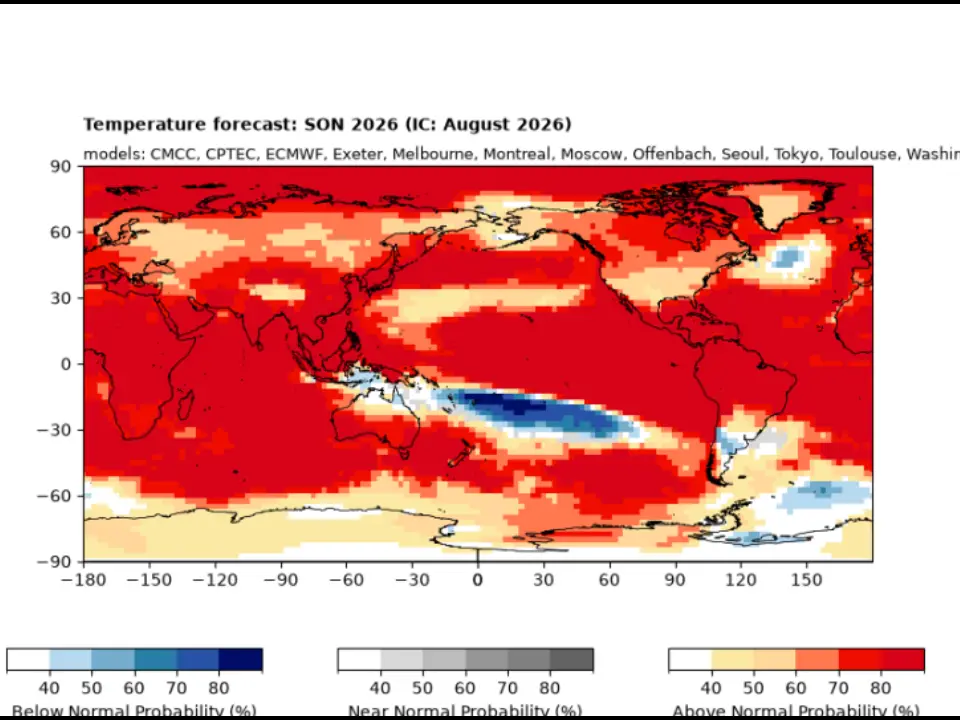)
El Niño 2026 heats up to become strongest in 1,000 years
)
Anne Hathaway to run in supporting race for Nolan's epic
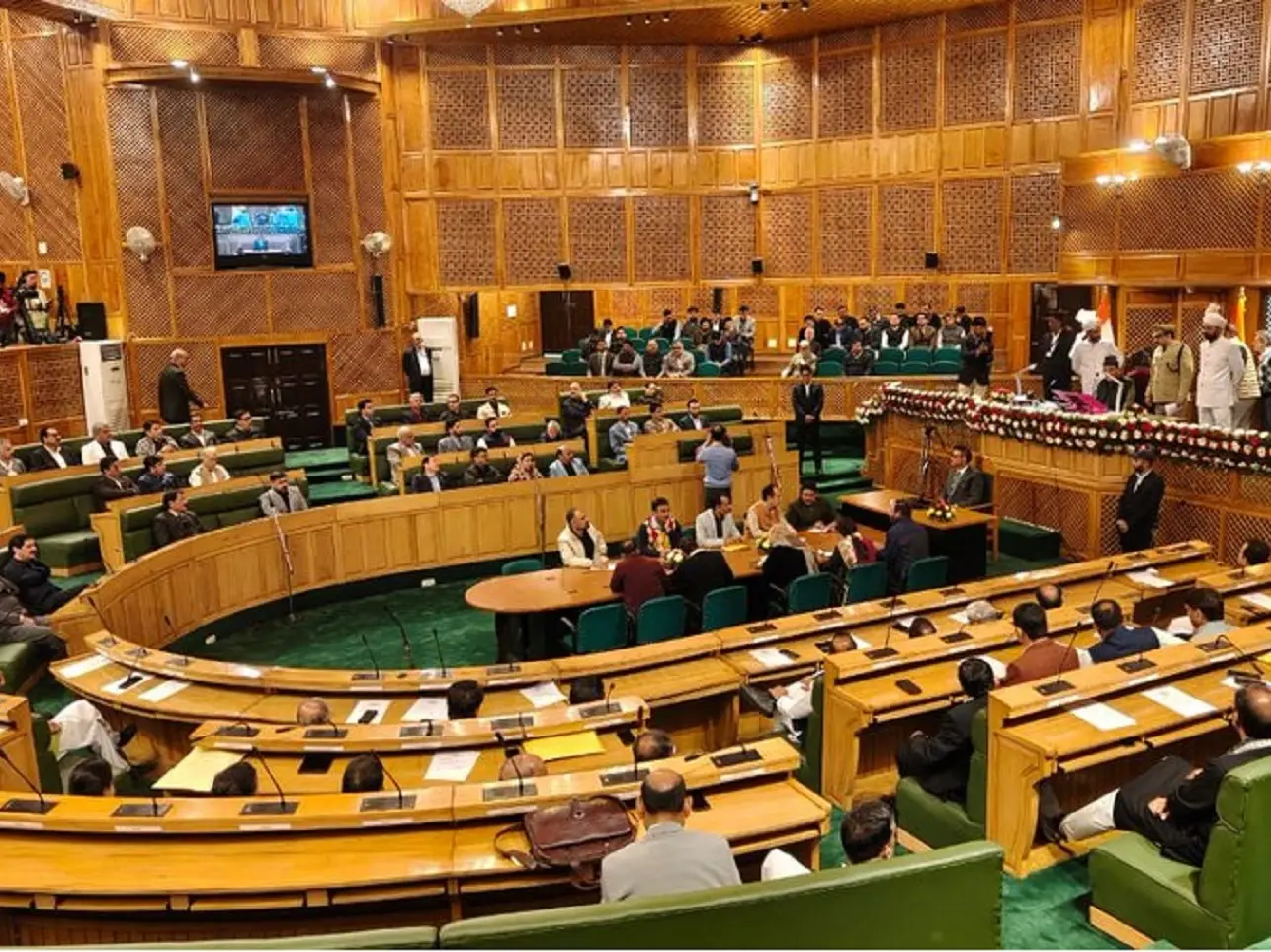)
Over 4,200 books withdrawn from circulation in J&K colleges, 94% from Kashmir
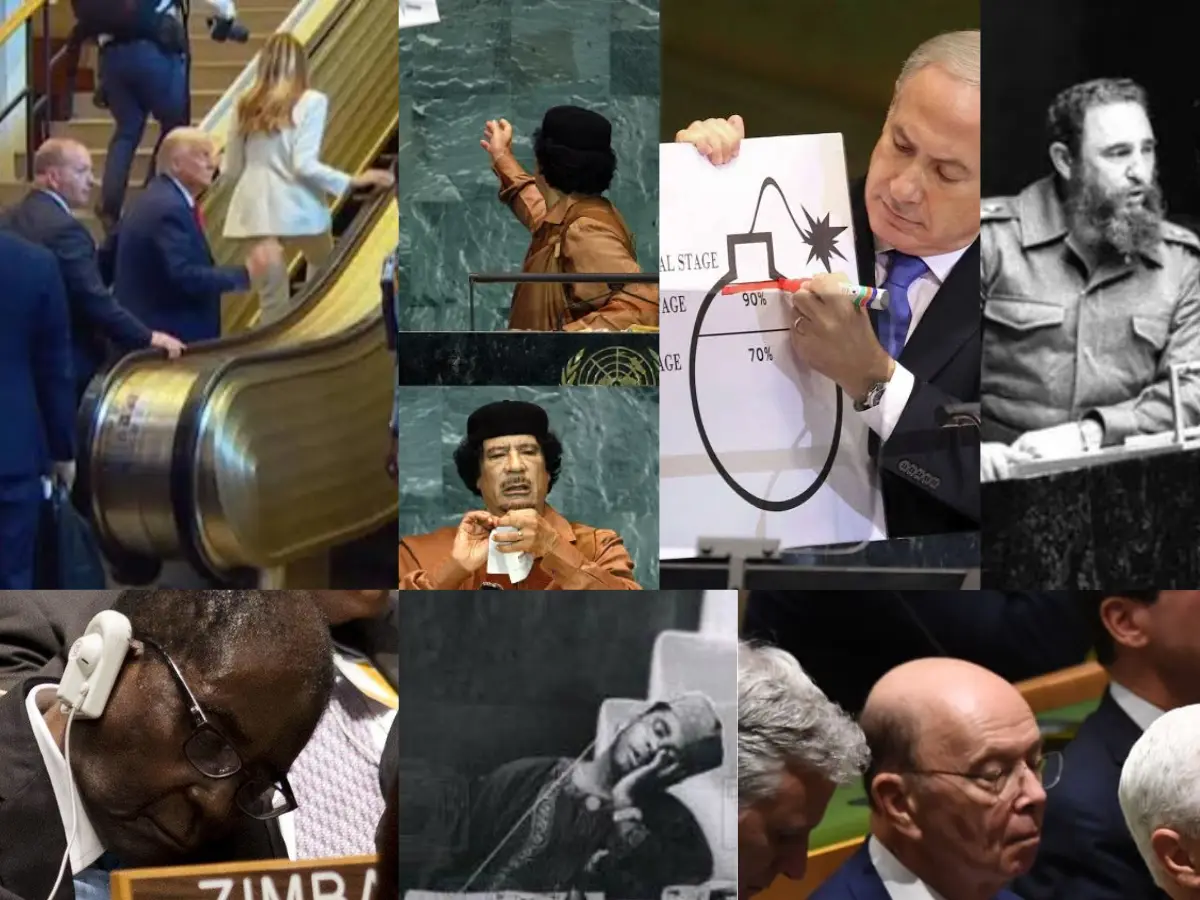)
From Gaddafi tearing up UN Charter to Trump’s ‘escalatorgate’: Most unforgettable UNGA moments
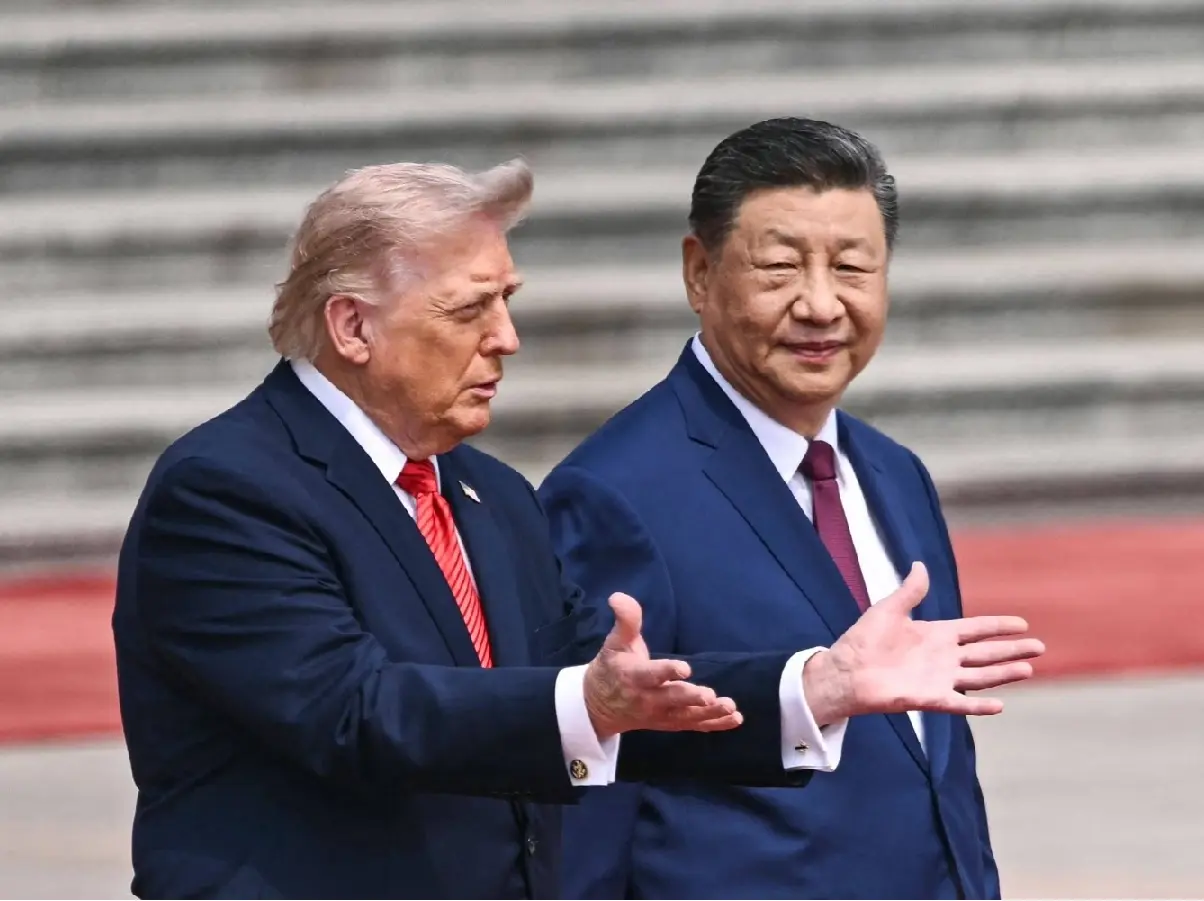)
Explainer: Why rare-earth export licences and Board of Trade are US priorities ahead of Trump-Xi summit
)
Asia prepares for record El Nino, food shock
)
Forget apps: Qualcomm CEO says AI agents will change how we use smartphones
)
Four female students raped during 'Red Zone' at California university. What we know
China is again raising the hype on Taiwan at a time when Russia’s invasion of Ukraine and its impact of food, energy supplies has subsumed hauled all attention, even though the US and the West have been steadfast in their support to Taipei.
India is, however, no more an easy cakewalk now, and China knows this well.
You can now write for wionews.com and be a part of the community. Share your stories and opinions with us here.
WATCH WION LIVE HERE

