

&imwidth=800&imheight=600&format=webp&quality=medium "3,137 cases are waiting behind the Meta trial! This one sets the price")
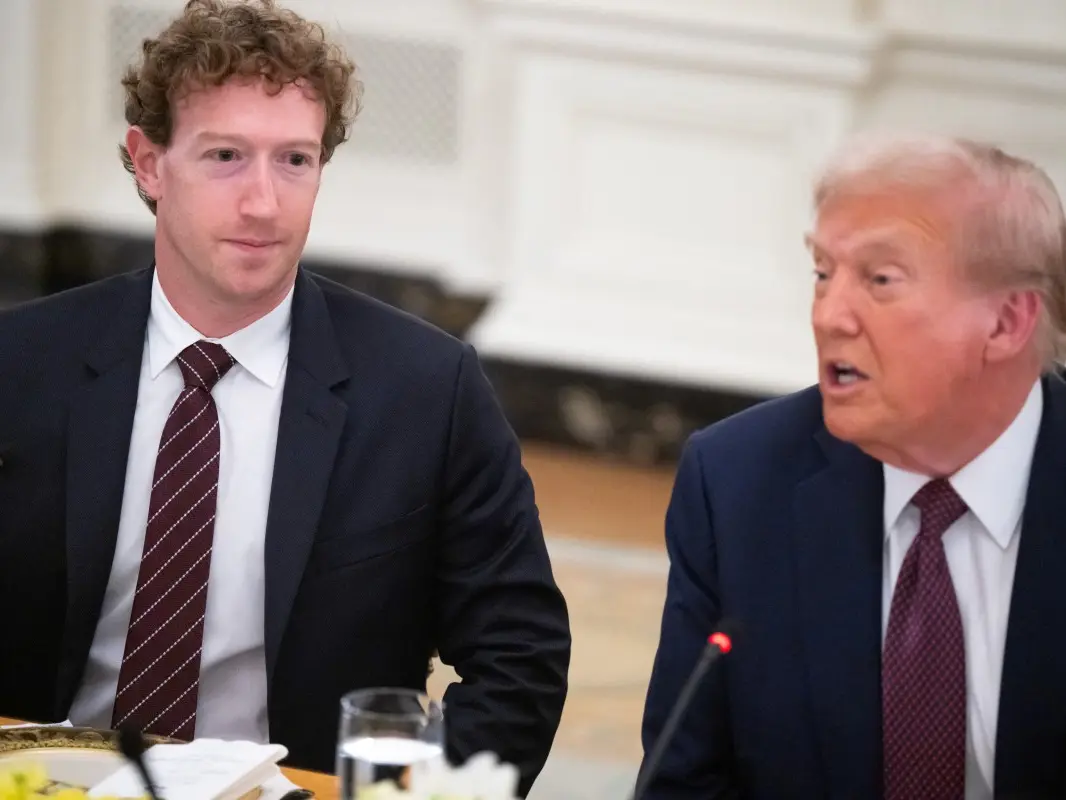
The trial in Oakland is not really one case. It is the first of 3,137.
The proceedings before Judge Yvonne Gonzalez Rogers are a bellwether drawn from a multidistrict litigation over social media and adolescent addiction — the first state attorney general case from that pool to be tried, and the first to reach a jury. Behind it sit school districts and individual families whose claims have been waiting for exactly this.
What A Bellwether Actually Does
When thousands of similar claims are filed against the same defendant, trying each one separately is impossible. American federal courts consolidate them for pre-trial purposes, and then try a small number of representative cases first.
The purpose is price discovery. A bellwether verdict tells both sides what a jury and a judge, presented with this evidence, actually do with it. That answer converts thousands of theoretical claims into a number, and the number is what settlement negotiations run on.
This is how mass tort litigation has resolved for decades — opioids, asbestos, talc, defective medical devices. Very few of those cases were ever tried. They were priced by the handful that were.
Trending Stories
&imwidth=180&imheight=135&format=webp&quality=medium)
Shreyas Iyer blames dew for West Indies' record run chase in 2nd T20I in Ranchi
&im=FitAndFill=(700,400)&imwidth=180&imheight=135&format=webp&quality=medium)
Happy Birthday Rekha: Watch these 7 evergreen Bollywood hits on Netflix, Prime Video and more
&imwidth=180&imheight=135&format=webp&quality=medium)
'I am not going to be watching it': JD Vance on livestream of Nidal Hasan's firing squad execution
&imwidth=180&imheight=135&format=webp&quality=medium)
UK navy hit by espionage scandal: Sailor accused of spying for Russia | Gravitas
&imwidth=180&imheight=135&format=webp&quality=medium)
Katie Zacharia likely to succeed Karoline Leavitt as Trump's White House press secretary
&imwidth=180&imheight=135&format=webp&quality=medium)
Delhi on high alert for CJP protest: Delhi police to use body cams to 'prove whether we did anything’; Pink Force, RAF, 35,000 personnel deployed
&imwidth=180&imheight=135&format=webp&quality=medium)
‘Never-ending flow of cheap labour’: JD Vance hits back at Indian-origin Congresswoman over US green card curbs for major tech companies
&imwidth=180&imheight=135&format=webp&quality=medium)
Panama president declares ‘major disaster’ after powerful 7.7-magnitude earthquake; over 80 aftershocks recorded
&imwidth=180&imheight=135&format=webp&quality=medium)
‘250? Cool.’: Shai Hope takes swipe at Shubman Gill’s Instagram caption after Ranchi T20I masterclass
&imwidth=180&imheight=135&format=webp&quality=medium)
‘Ruh Roh’: Top US official mocks ‘Indian market collapse’ claim after Trump’s IT curbs. But did it? | FACT CHECK
&im=FitAndFill=(700,400)&imwidth=180&imheight=135&format=webp&quality=medium)
Fastest-growing Asian economies in 2026: Who tops the chart? Where does India rank?
&imwidth=180&imheight=135&format=webp&quality=medium)
'I ended 8 wars': Trump slams Nobel Peace prize decision, claims award was his due
&imwidth=180&imheight=135&format=webp&quality=medium)
Dhurandhar: The Revenge album submitted for Grammy consideration; But what does it mean?
&imwidth=180&imheight=135&format=webp&quality=medium)
J&K Government orders major police reshuffle, transfers 100 officers across UT
&imwidth=180&imheight=135&format=webp&quality=medium)
New York protests erupt as Trump administration defends ICE shooting
&imwidth=180&imheight=135&format=webp&quality=medium)
Delhi protest: Metro curbs, train cancellations, traffic diversions as protesters seek CEC Gyanesh Kumar’s resignation
&imwidth=180&imheight=135&format=webp&quality=medium)
Powerful 7.7 magnitude earthquake strikes Panama, tsunami warning issued
&imwidth=180&imheight=135&format=webp&quality=medium)
Hurricane Isaias makes landfall in Florida as Category 2 storm with winds of 105mph, threatens Gulf Coast with life-threatening surge
&imwidth=180&imheight=135&format=webp&quality=medium)
Trump has a new 'enemy': Anyone who calls it 'artificial intelligence'. Here's what we wants instead
&imwidth=180&imheight=135&format=webp&quality=medium)
Adéla gives KATSEYE’s Lara Raj and Megan Skendiel a shout-out at Fonda Theatre in LA
&imwidth=180&imheight=135&format=webp&quality=medium)
'Modi is a dictator': Abhijeet Dipke claims govt 'scared' of youth, slams stringent measures ahead of CJP Jantar Mantar protest
&im=FitAndFill=(700,400)&imwidth=180&imheight=135&format=webp&quality=medium)
New Friday OTT releases (October 9, 2026): Reporting Live, Animals, Take Charge of My Heart- 6 new titles coming on Netflix, JioHotstar and more
&imwidth=180&imheight=135&format=webp&quality=medium)
Trump announces Russian diesel deal as Zelensky criticises move
&imwidth=180&imheight=135&format=webp&quality=medium)
‘Right to protest must be protected, but...’: Delhi Police reveals why it denied CJP permission for October 10 Jantar Mantar protest
&imwidth=180&imheight=135&format=webp&quality=medium)
Pakistan denies reports of PAF jets being used in attacks against Iran-backed Houthis in Yemen
&imwidth=180&imheight=135&format=webp&quality=medium)
Ella Langley’s Oklahoma show abruptly cancelled over safety concerns after threat report
&imwidth=180&imheight=135&format=webp&quality=medium)
New York ICE shooting sparks protests as Mamdani to call on Trump to halt ICE operations
&imwidth=180&imheight=135&format=webp&quality=medium)
All 22 Indian seafarers safe in attack on Panama-flagged tanker off UAE coast
&imwidth=180&imheight=135&format=webp&quality=medium)
Ryan Reynolds’ private messages reveal his blunt views on Justin Baldoni from Blake Lively’s legal case
&im=FitAndFill=(700,400)&imwidth=180&imheight=135&format=webp&quality=medium)
Rakul Preet Singh birthday special: 7 times the Ramayana actress served glamorous looks

Kamal Haasan slams Elon Musk over Starlink delay row: 'Indian people, will decide our own future - not Western'
&im=FitAndFill=(700,400)&imwidth=180&imheight=135&format=webp&quality=medium)
Food shortages, suicide attempts and more: USS Abraham Lincoln returns to US after 321 day deployment — What happened aboard the US carrier?
&imwidth=180&imheight=135&format=webp&quality=medium)
OpenAI shuts down Russian, Iranian influence operations using ChatGPT to spread propaganda
&imwidth=180&imheight=135&format=webp&quality=medium)
SC questions closure of 57 Delhi Metro stations, asks Centre to resume services in regulated manner
&imwidth=180&imheight=135&format=webp&quality=medium)
'Even Indira Gandhi didn't do this': Abhijeet Dipke, Saurav Das and Ashutosh Ranka detained from inside their flight | Watch video
&imwidth=180&imheight=135&format=webp&quality=medium)
US midterm elections 2026: What a blue wave or blue tsunami could mean for Trump
&imwidth=180&imheight=135&format=webp&quality=medium)
Trump honours Microsoft CEO Satya Nadella with top technology honour amid immigration scrutiny
Why This Particular One Went First
The state attorney general claims were a sensible choice to lead, and the reasons are worth understanding.
Government plaintiffs bring resources and investigative powers that individual families do not have. They can pursue documents at a scale a single litigant cannot fund, and their claims run on consumer protection statutes rather than on personal injury, which sidesteps the hardest problem in the entire litigation: proving that a specific platform caused a specific young person's specific harm.
That causation question — whether social media use causes adolescent depression, or whether depressed adolescents use more social media — is genuinely contested in the research literature, and it is Meta's strongest ground. A consumer protection case largely avoids it. The states need to establish that the design was unfair or deceptive and that Meta knew, not that any individual child was injured in a medically demonstrable way.
So the first case tried is the one framed to avoid the defendant's best argument. The cases behind it are not all built that way.
Who Is In The Queue
Two groups are waiting, and they want different things.
School districts have sued on the theory that platform design created a public nuisance they have had to pay to manage — counsellors hired, phone policies enforced, disciplinary time absorbed. Their claims are institutional and quantifiable, which makes them easier to value and harder to dismiss as speculative.
Individual families are the harder and more consequential group. Their claims involve identifiable young people and, in some cases, deaths. They carry the evidentiary problem the state claims avoid, and they carry the emotional weight that state claims do not.
A verdict for the states establishes that the conduct was unlawful. It does not establish that the conduct killed anyone. Those are separate findings, and the second is the one the families still have to win.
What A Loss Would Mean
Bellwethers cut both ways, and this is the part least discussed.
If Judge Gonzalez Rogers finds for Meta, or finds liability but imposes modest relief, the price of every case behind this one falls immediately. Plaintiff firms funding this litigation on contingency would have to reassess whether the remaining cases justify the expense, and Meta's settlement leverage would increase across the entire pool.
That is a real possibility. Meta has already forced the states to narrow their theory, has a genuine causation defence in reserve, and is arguing that the documentary case is built from cherrypicked internal material. It also enters with a judge who has previously rejected a plaintiff's broad theory while imposing a narrow structural remedy — an outcome that would satisfy nobody cleanly.
The Part That Reaches Beyond Meta
Meta is the defendant here, but the design features at issue are not Meta's alone.
Infinite scroll, autoplay, ephemeral content, engagement-optimised recommendation and beauty filters exist across every major platform used by teenagers. A ruling that any of them constitutes an unfair or deceptive practice when deployed to minors would apply, in reasoning if not in binding effect, to every company that ships them.
That is why this trial is being watched by companies that are not parties to it. A bellwether prices the cases behind it. This one may also price a set of product decisions that the entire industry has treated as settled for a decade.
A verdict is expected around October.
