'The history, politics and strategy': Why Trump picked Alaska for Putin talks, and not Washington or New York

&imwidth=600&imheight=450&format=webp&quality=medium "'The history, politics and strategy': Why Trump picked Alaska for Putin talks, and not Washington or New York")
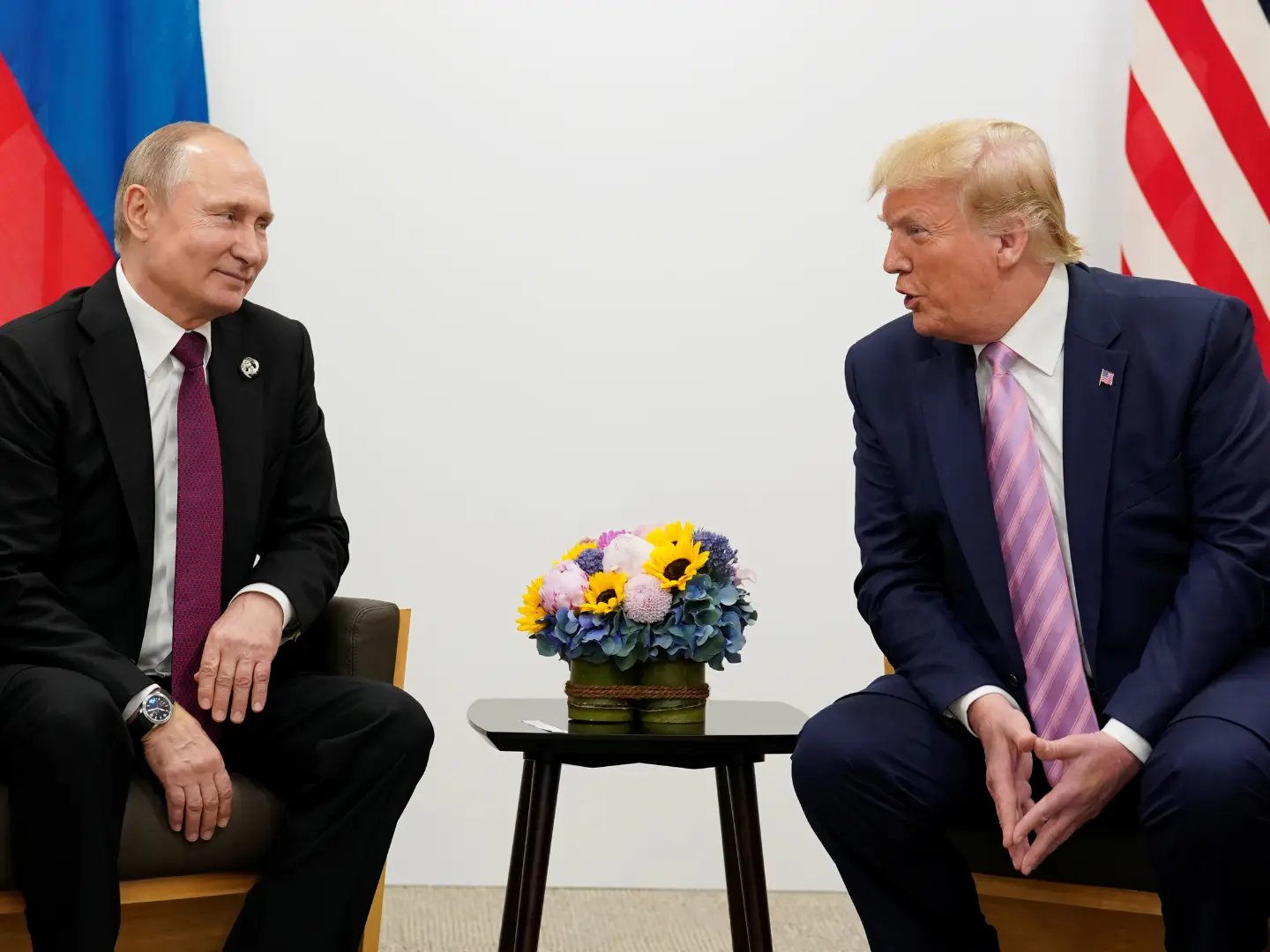
Why Trump picked Alaska for Putin talks, and not Washington or New York Photograph: (Reuters)
Presidents Trump and Putin will meet in Alaska, a symbolic choice due to its Russian imperial history and cultural legacy. Alaska once linked both nations and still reflects strong Russian influence today.
US President Donald Trump is set to meet Russian President Vladimir Putin on Friday (August 15), and they chose Alaska as their place of choice for their business, and it is anything but random. From 1737 until 1867, Alaska was part of the Russian Empire, separated from the rest of Russia yet sharing a border with another country. Tsar Alexander II sold the territory to the United States for $7.2 million, a move designed to keep it out of British hands and strengthen ties with Washington.
From wartime ally to cultural legacy
During the Second World War, Fairbanks played a vital role in the Lend-Lease programme, which saw US aircraft and supplies sent to the Soviet Union. Today, Alaska remains the “most Russian” of US states, home to Orthodox churches, Russian place names, and descendants of settlers known as Old Believers.
Keeping intermediaries away
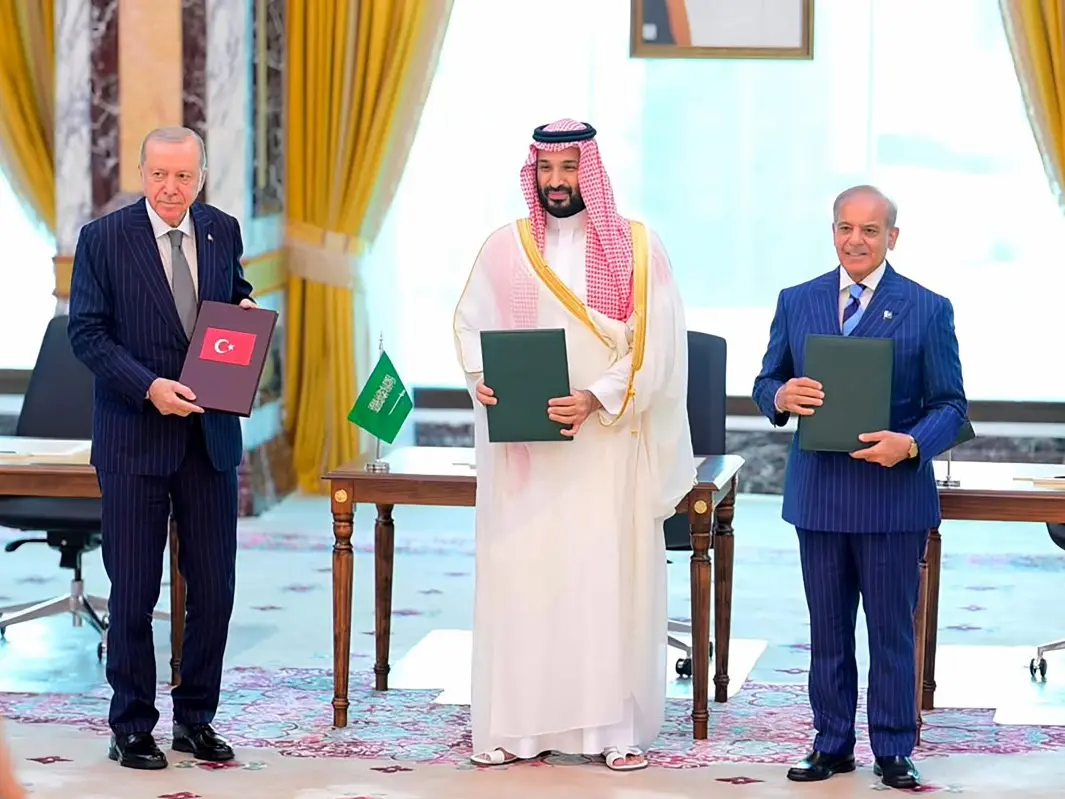
For Trump, Alaska is not only about history. By picking the most remote US state, far from any Euro-Atlantic capital, he avoids the presence of intermediaries such as Türkiye’s Recep Tayyip Erdogan or the UAE’s Mohammed bin Zayed Al Nahyan, whose involvement could alter the tone of the summit. The isolation also underscores Trump’s distance from NATO allies and Democratic critics, many of whom are sceptical of any breakthrough with Moscow.
Trending Stories
&im=FitAndFill=(700,400)&imwidth=280&imheight=210&format=webp&quality=medium)
&imwidth=280&imheight=210&format=webp&quality=medium)
&imwidth=280&imheight=210&format=webp&quality=medium)
&imwidth=280&imheight=210&format=webp&quality=medium)
&imwidth=280&imheight=210&format=webp&quality=medium)
&imwidth=280&imheight=210&format=webp&quality=medium)
&imwidth=280&imheight=210&format=webp&quality=medium)
&imwidth=280&imheight=210&format=webp&quality=medium)
&imwidth=280&imheight=210&format=webp&quality=medium)
&imwidth=280&imheight=210&format=webp&quality=medium)
&imwidth=280&imheight=210&format=webp&quality=medium)
&imwidth=280&imheight=210&format=webp&quality=medium)
&imwidth=280&imheight=210&format=webp&quality=medium)
&imwidth=280&imheight=210&format=webp&quality=medium)
&imwidth=280&imheight=210&format=webp&quality=medium)
&imwidth=280&imheight=210&format=webp&quality=medium)
&im=FitAndFill=(700,400)&imwidth=280&imheight=210&format=webp&quality=medium)
&imwidth=280&imheight=210&format=webp&quality=medium)
&imwidth=280&imheight=210&format=webp&quality=medium)
&imwidth=280&imheight=210&format=webp&quality=medium)
&imwidth=280&imheight=210&format=webp&quality=medium)
&im=FitAndFill=(700,400)&imwidth=280&imheight=210&format=webp&quality=medium)
&imwidth=280&imheight=210&format=webp&quality=medium)
&imwidth=280&imheight=210&format=webp&quality=medium)
&imwidth=280&imheight=210&format=webp&quality=medium)
&imwidth=280&imheight=210&format=webp&quality=medium)
&imwidth=280&imheight=210&format=webp&quality=medium)
&imwidth=280&imheight=210&format=webp&quality=medium)
&imwidth=280&imheight=210&format=webp&quality=medium)
&imwidth=280&imheight=210&format=webp&quality=medium)
&imwidth=280&imheight=210&format=webp&quality=medium)
&imwidth=280&imheight=210&format=webp&quality=medium)
&imwidth=280&imheight=210&format=webp&quality=medium)
&imwidth=280&imheight=210&format=webp&quality=medium)
&imwidth=280&imheight=210&format=webp&quality=medium)
Security and legal considerations
Alaska’s sparse population makes it easier for security teams to guard against terrorist threats or provocations. It also sidesteps any complications linked to the International Criminal Court’s arrest warrant for Putin, as the US does not recognise the ICC’s jurisdiction.
The Arctic factor
As America’s only Arctic state, Alaska plays into the strategic interests of both Washington and Moscow. The two powers have overlapping concerns in the high north, from shipping routes like the Northern Sea Route to offshore oil and gas reserves. Projects in the Arctic could foster cooperation, though the region could just as easily become another front for military rivalry.
Ukraine’s war in the background
The conflict in Ukraine will overshadow the talks. Western reports have suggested potential territorial swaps, with Russia potentially offering concessions in some regions in return for Ukraine’s withdrawal from others. Alaska, with its own history of a major territorial transfer, serves as a symbolic place to discuss such possibilities.
A test for direct diplomacy
This summit is more than a meeting. It is a return to direct talks without mediators, a nod to shared history, and a chance to explore whether Washington and Moscow can work together where their interests align. Alaska’s story began as Russian, became American, and now could serve as the stage for a new chapter in US–Russia relations.
