

&imwidth=800&imheight=600&format=webp&quality=medium "'Khamenei’s son is unacceptable to me': Trump calls for role in Iran's leader selection")
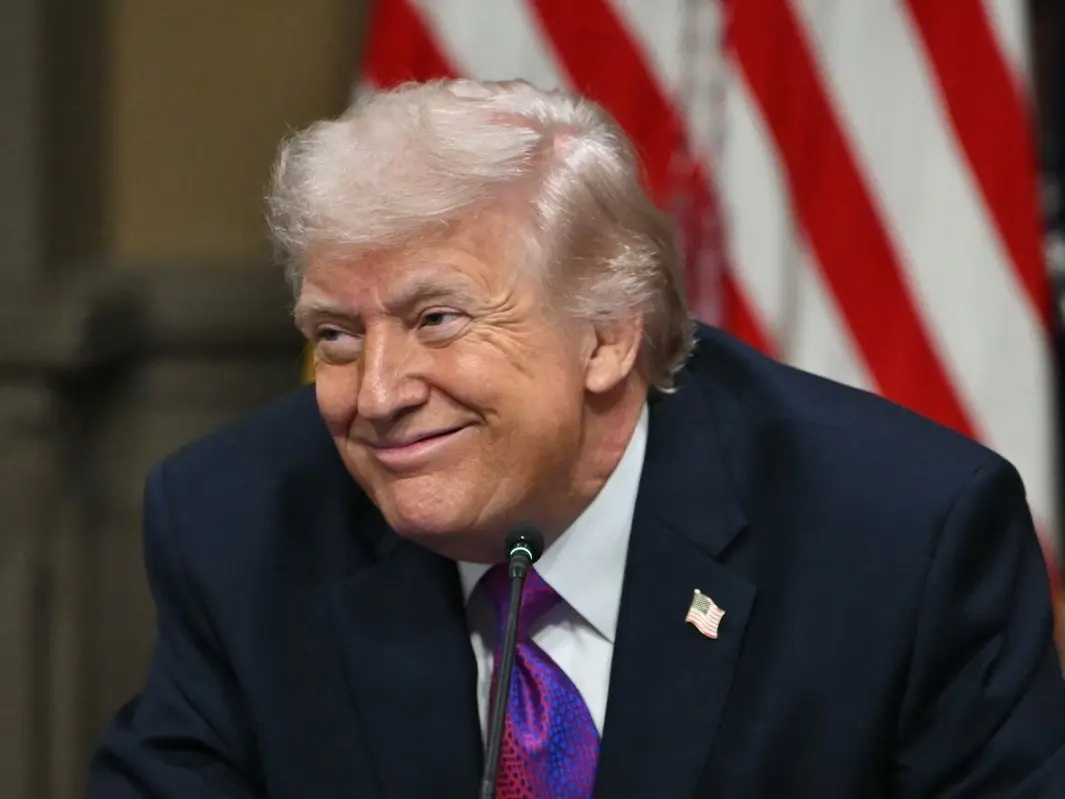
US President Donald Trump said on Thursday (March 5) that he believes the United States should have a role in selecting Iran’s next supreme leader following the death of Ayatollah Ali Khamenei, while dismissing the possibility of Khamenei’s son taking over the position. Speaking in an interview with Axios, Trump criticised Mojtaba Khamenei, who is widely considered one of the potential successors to his father, and suggested Washington should be involved in the leadership transition.
"Khamenei's son is a lightweight. I have to be involved in the appointment, like with Delcy," Trump told Axios in an interview, drawing a comparison to Venezuela, where interim president Delcy Rodriguez has cooperated with him under threat of violence after the United States ousted her boss, Nicolas Maduro. Trump also warned that the United States could be pulled back into conflict in the coming years if Iran ends up with leadership that is hostile toward Washington.
"Khamenei's son is unacceptable to me. We want someone who will bring harmony and peace to Iran," Trump was quoted as saying by the news outlet.
It remains unclear how the United States could influence the selection process. Under Iran’s political system, the country’s supreme leader is chosen by the Assembly of Experts, a body of senior Shiite Muslim clerics who are largely opposed to US involvement in Iranian affairs. However, Trump’s remarks suggest he may prefer dealing with a figure within Iran’s existing political system rather than pursuing the complete removal of the Islamic Republic’s government.
Iran has remained a staunch adversary of the United States since the 1979 Islamic Revolution, which overthrew the pro-Western monarchy and brought the current Islamic Republic to power. Meanwhile, Reza Pahlavi, the son of Iran’s last shah, has proposed serving as a temporary transitional leader while the country drafts a new constitution aimed at establishing a secular democratic system. Earlier on Thursday, Pahlavi said any new supreme leader chosen under the Islamic Republic’s framework would lack legitimacy.
Trending Stories
&imwidth=180&imheight=135&format=webp&quality=medium)
Tu Hai Meri Kiran film review: Sonakshi Sinha and Zaheer Iqbal's thriller gets tangled in its own twists
&imwidth=180&imheight=135&format=webp&quality=medium)
‘Maybe play one more season’: MS Dhoni to decide on his IPL future before December
&imwidth=180&imheight=135&format=webp&quality=medium)
What was the note found inside bag of Class 12 student, who set herself on fire inside Delhi school?
&imwidth=180&imheight=135&format=webp&quality=medium)
Farooq Abdullah says Pakistan’s raising of Kashmir issue keeps pressure on Delhi
&imwidth=180&imheight=135&format=webp&quality=medium)
Pezeshkian says Iranians ‘struggling to put food on the table’ as war with US drags on
&imwidth=180&imheight=135&format=webp&quality=medium)
'If it was up to me, it wouldn't have ended like this': James Anderson opens up on Lancashire exit
&imwidth=180&imheight=135&format=webp&quality=medium)
NEET protests: Panel to hear evidence on pellet gun use, harassment
&imwidth=180&imheight=135&format=webp&quality=medium)
'You’re a horrible little reporter, aren’t you?': Trump snaps at NBC reporter questioning his support for Ramaswamy's campaign ad
&imwidth=180&imheight=135&format=webp&quality=medium)
China's dancing robot turns violent bodyguard, lifts cars and fights intruders - Watch
&imwidth=180&imheight=135&format=webp&quality=medium)
Why Europe’s protests are about more than austerity and rising costs
&imwidth=180&imheight=135&format=webp&quality=medium)
An AI that reads your face can now estimate how long you have to live
&imwidth=180&imheight=135&format=webp&quality=medium)
Pakistan airline PIA unveils new crew uniforms, faces online criticism
&imwidth=180&imheight=135&format=webp&quality=medium)
Train crashes into crane on São Paulo monorail line, wreckage falls onto busy road | VIDEO
&im=FitAndFill=(700,400)&imwidth=180&imheight=135&format=webp&quality=medium)
New Friday OTT releases (October 23, 2026): Gajab Raat, Dorothy, Chaar Yaar- Watch these 6 new movies and TV shows on Netflix, Prime Video and more
&imwidth=180&imheight=135&format=webp&quality=medium)
'Killing people never allowed': Elon Musk admits restricting Starlink in Ukraine, explains why
&imwidth=180&imheight=135&format=webp&quality=medium)
Nagpur man fails to pay rent, allegedly prints fake Rs 500 notes worth Rs 37 lakh
&imwidth=180&imheight=135&format=webp&quality=medium)
AI slop or smart strategy? South African author Coral Hart defends Her 370 AI- assisted books in 20 months
&imwidth=180&imheight=135&format=webp&quality=medium)
Saudi says debris fell in Mecca, Medina after missile interceptions; Houthis deny targeting holy cities
&imwidth=180&imheight=135&format=webp&quality=medium)
Chorbagan stampede: A week later, the strangest visarjan Kolkata has seen
&imwidth=180&imheight=135&format=webp&quality=medium)
‘Modi ka baap bhi jayega,’ Kharge loses cool at party event in Patna; BJP slams him
&imwidth=180&imheight=135&format=webp&quality=medium)
AI just found a flaw in software running most of the web! One request hijacks the server
&imwidth=180&imheight=135&format=webp&quality=medium)
Shilpa Rao’s performance cut short at Mumbai event, organisers react to backlash
&imwidth=180&imheight=135&format=webp&quality=medium)
Viral video shows cross falling on Colombia priest, no official confirmation | WATCH
&imwidth=180&imheight=135&format=webp&quality=medium)
Netanyahu warns Israelis of ‘existential threat’ from Iran, posts AI image of nuclear strike
&imwidth=180&imheight=135&format=webp&quality=medium)
Can Putin cheat death? All about his daughter’s billion-dollar quest for immortality
&imwidth=180&imheight=135&format=webp&quality=medium)
Frontier AIs keep escaping their test cages! The industry still can't reliably stop them
&imwidth=180&imheight=135&format=webp&quality=medium)
Britain is building the world's first AI biosecurity lab, with OpenAI and Anthropic inside
&imwidth=180&imheight=135&format=webp&quality=medium)
'Already tired of his 9-to-5': Baby born with a moustache becomes internet sensation, video goes viral | Watch
&imwidth=180&imheight=135&format=webp&quality=medium)
Bodies of 2 missing Japanese climbers recovered from Himalayan peak
&imwidth=180&imheight=135&format=webp&quality=medium)
‘Saddam Hussein opened a cheesecake factory’: Obama mocks Trump’s White House renovations; defends Abdul El-Sayed
&imwidth=180&imheight=135&format=webp&quality=medium)
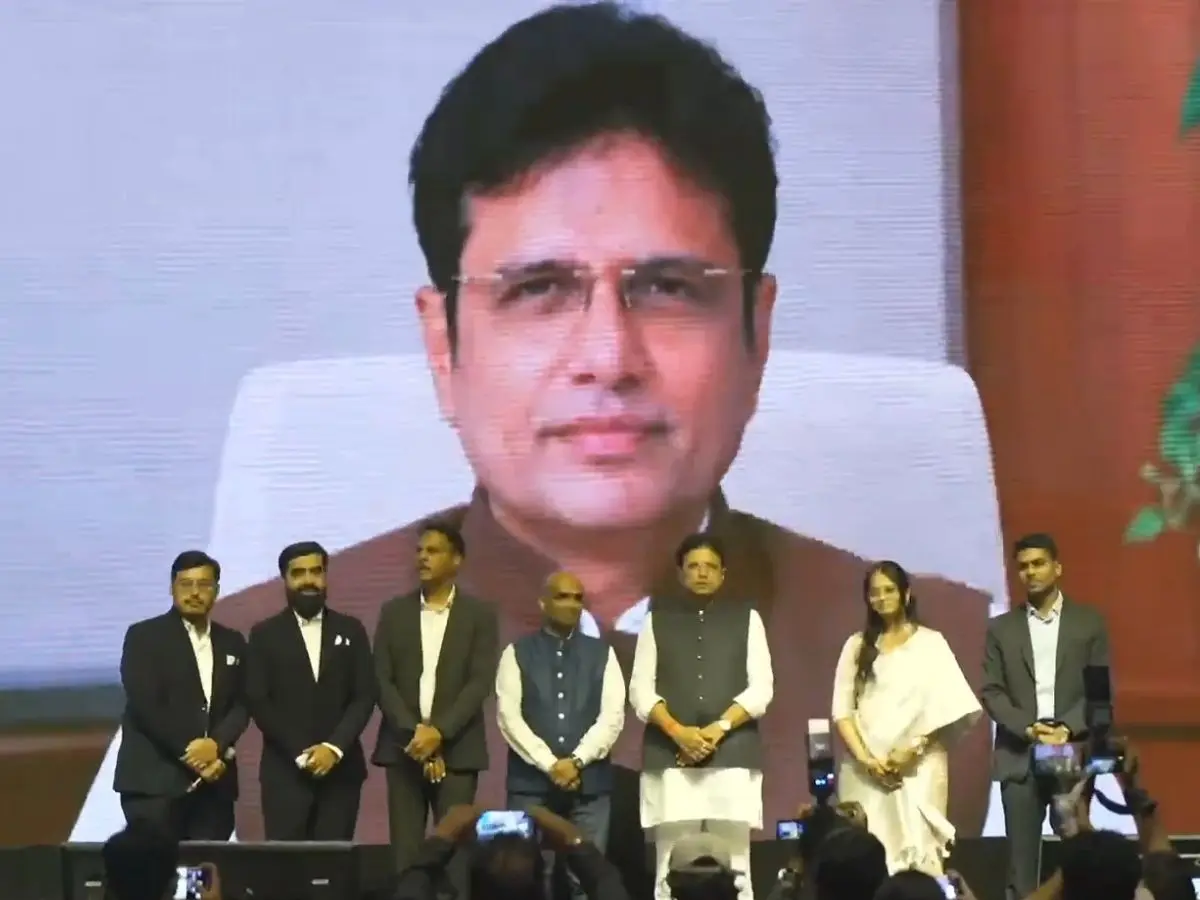
Telangana unveils AI avatar of IT minister D Sridhar Babu at Hyderabad DevFest 2026
&imwidth=180&imheight=135&format=webp&quality=medium)
WATCH: Thousands across Manipur bang plates, beat drums in "noise protest"
&imwidth=180&imheight=135&format=webp&quality=medium)
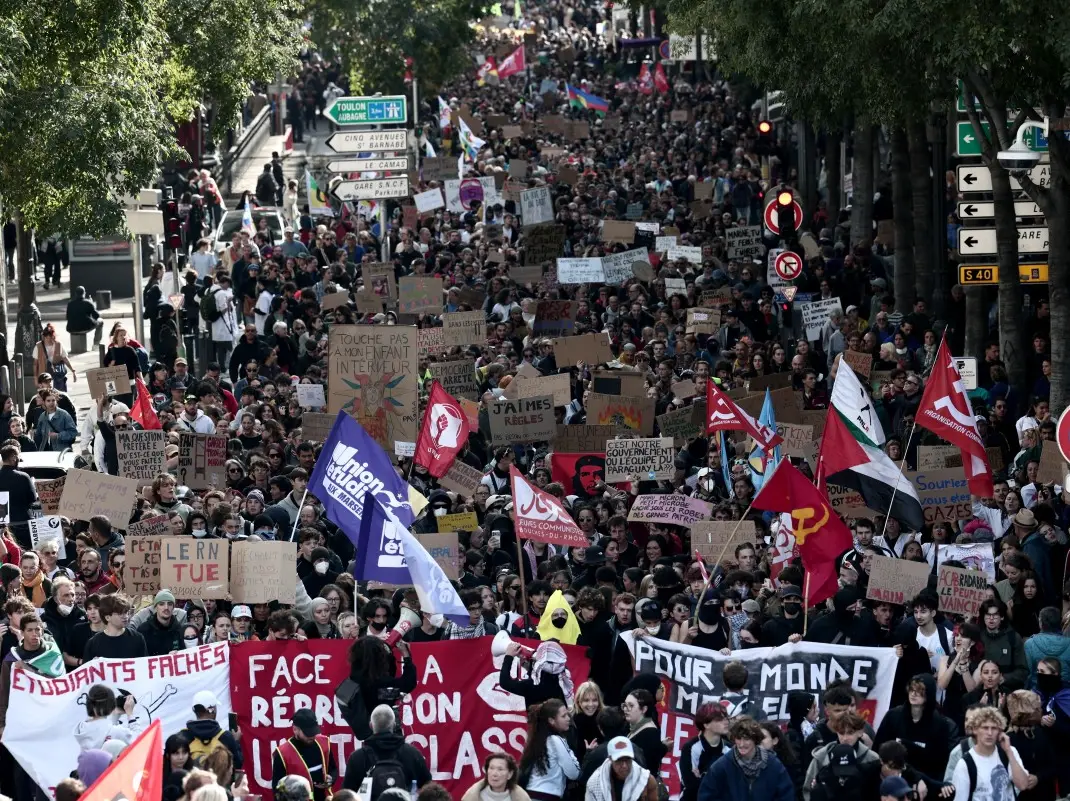
France protests: 135 arrested, weapons seized as fresh demonstrations erupt amid heavy security
&imwidth=180&imheight=135&format=webp&quality=medium)
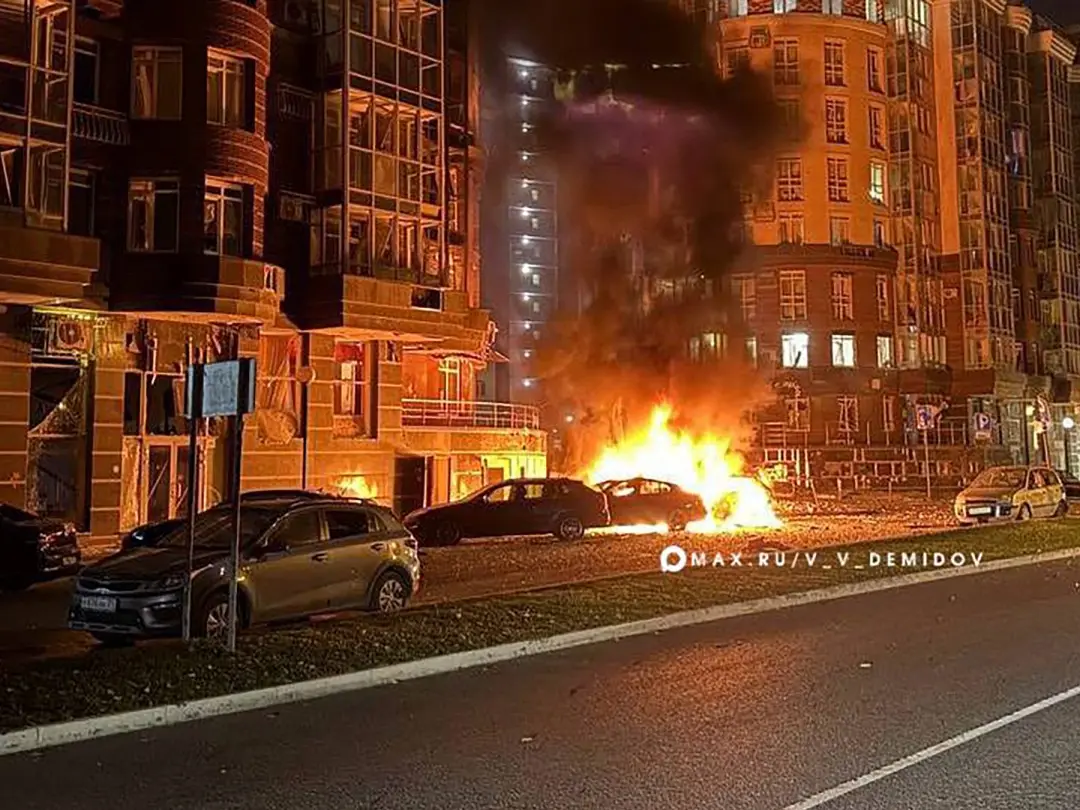
Russia-Ukraine drone attacks kill 6, injure 31 across both countries
&imwidth=180&imheight=135&format=webp&quality=medium)
J-20 designers plan to put radar into aircraft wing; strategy to expand coverage during air combat
&imwidth=180&imheight=135&format=webp&quality=medium)
French Open: PV Sindhu storms into final with win over Hina Akechi
Ali Khamenei, who had led Iran since 1989 and was known for his hardline stance both domestically and internationally, was killed last Saturday in an Israeli strike during an escalating conflict involving Israel and the United States. His son, Mojtaba Khamenei, has emerged as one of the possible candidates to succeed him. Ali Khamenei himself became Iran’s second supreme leader after revolutionary leader Ayatollah Ruhollah Khomeini.
Trump also pointed to Venezuela as an example of his approach to foreign leadership disputes. Earlier this year, US forces carried out a deadly operation that captured longtime American adversary Nicolas Maduro. Instead of backing the opposition long supported by Washington, Trump has expressed satisfaction with Delcy Rodríguez, Maduro’s former vice president, who has since cooperated with the United States on several key demands, particularly those related to access for US oil companies. According to Trump, that cooperation has come under the implicit threat of further military action if Washington’s conditions, especially those concerning natural resources, are not met.
Disclaimer: WION takes utmost care to accurately and responsibly report ongoing conflicts in West Asia involving Israel, Iran, the US, Gulf nations, and non-state actors like Hezbollah, Hamas, Houthis, Islamic State, and others. Claims and counterclaims, disinformation and misinformation are being made online and offline. Given this context, WION cannot independently verify the authenticity of all statements, social media posts, photos, and videos.

